• KGS/USD = 0.01144 0%
  • KZT/USD = 0.00193 -0%
  • TJS/USD = 0.10811 -0.28%
  • UZS/USD = 0.00008 0%
  • TMT/USD = 0.28490 0%
  • KGS/USD = 0.01144 0%
  • KZT/USD = 0.00193 -0%
  • TJS/USD = 0.10811 -0.28%
  • UZS/USD = 0.00008 0%
  • TMT/USD = 0.28490 0%
  • KGS/USD = 0.01144 0%
  • KZT/USD = 0.00193 -0%
  • TJS/USD = 0.10811 -0.28%
  • UZS/USD = 0.00008 0%
  • TMT/USD = 0.28490 0%
  • KGS/USD = 0.01144 0%
  • KZT/USD = 0.00193 -0%
  • TJS/USD = 0.10811 -0.28%
  • UZS/USD = 0.00008 0%
  • TMT/USD = 0.28490 0%
  • KGS/USD = 0.01144 0%
  • KZT/USD = 0.00193 -0%
  • TJS/USD = 0.10811 -0.28%
  • UZS/USD = 0.00008 0%
  • TMT/USD = 0.28490 0%
  • KGS/USD = 0.01144 0%
  • KZT/USD = 0.00193 -0%
  • TJS/USD = 0.10811 -0.28%
  • UZS/USD = 0.00008 0%
  • TMT/USD = 0.28490 0%
  • KGS/USD = 0.01144 0%
  • KZT/USD = 0.00193 -0%
  • TJS/USD = 0.10811 -0.28%
  • UZS/USD = 0.00008 0%
  • TMT/USD = 0.28490 0%
  • KGS/USD = 0.01144 0%
  • KZT/USD = 0.00193 -0%
  • TJS/USD = 0.10811 -0.28%
  • UZS/USD = 0.00008 0%
  • TMT/USD = 0.28490 0%
10 December 2025

Kyrgyzstan Criticizes Russia’s Approach to Migration

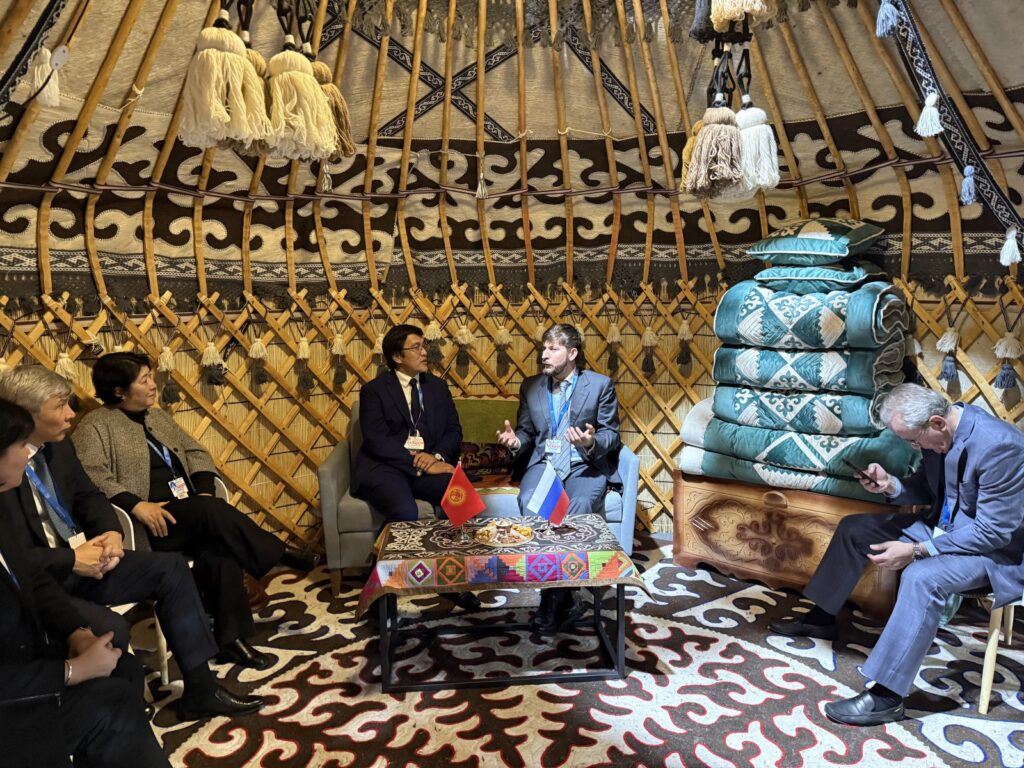
Edil Baisalov, Deputy Chairman of Kyrgyzstan’s Cabinet of Ministers, voiced frustration over Russia’s approach to labor migration during an interview with Russian media. He criticized Moscow for failing to fully honor the principle of free movement of labor within the Eurasian Economic Union (EAEU), of which Kyrgyzstan is a member.

“Free movement of labor resources is one of the principles of the Eurasian Economic Union. Our fundamental documents state that we have access to the labor market on the same basis as citizens of any member state. Thousands of Russians work for us on the same terms as Kyrgyz,” Baisalov stated.

Despite these agreements, he claimed that Kyrgyz workers often face restrictions and criticisms in Russia akin to those applied to migrants from non-EAEU countries.

“People, including seasonal workers, may stay for weeks or months. Some have relocated to Russia with their families and work as doctors, teachers, scientists, and professors. Our migrants significantly contribute to various sectors of Russia’s modern economy, particularly in the service industry—hotels, cafes, and more. Every penny earned by Kyrgyz migrants in the Russian Federation comes at the cost of incredible effort,” he said.

Baisalov highlighted that these challenges are prompting Kyrgyz labor migrants to seek opportunities in other nations, such as South Korea, Japan, the UAE, Turkey, and EU countries.

“Tens of thousands of our women have found their calling in Italy, where elderly care is in high demand. It turns out there’s no better choice than our caregivers and nannies. We even opened an embassy in Italy because nearly 30,000 Kyrgyz citizens reside in Naples and on the island of Sardinia,” he explained.

In light of these trends, the Kyrgyz government has pledged to create 250,000 new jobs within the country in the coming year. A campaign is also underway to encourage citizens working abroad to return home.


Kyrgyzstan Proposes Ban on Cell Phones in Schools and Universities

Kyrgyzstan’s Ministry of Education and Science has proposed a draft decree to restrict the use of cell phones in the country’s educational institutions. The initiative, currently open for public discussion, aims to enhance the educational and social environment and shield students from the adverse effects of excessive technology use.

Under the proposed regulations, students and staff must switch their phones to silent mode upon entering the premises. Students are encouraged to turn off their devices and store them in designated classrooms. Phones would only be permitted during breaks or in emergencies. The decree also prohibits charging devices within educational institutions.

The draft includes strict measures against misuse. It bans distributing materials depicting violence, cruelty, or pornography via mobile devices and forbids actions that could harm an institution’s reputation. Unauthorized photography and videography would also be prohibited.
Special guidelines apply to educators, who would be barred from using phones during lessons unless directly related to educational purposes.

The ministry emphasized that the proposed rules are designed to protect students’ health, curb bullying, and combat the spread of harmful content.

Several countries in the post-Soviet space and beyond have implemented similar restrictions on cell phone use in schools. In Russia, as of December 19, 2023, students are prohibited from using mobile devices during lessons except in emergencies involving life or health threats. Azerbaijan and Tajikistan have enacted comparable bans to enhance student focus and educational quality.

Globally, France has prohibited cell phone use for students aged 3 to 15 since September 2018 to reduce distractions and improve academic discipline. The Netherlands introduced a smartphone ban in schools at the start of 2024, citing benefits such as better academic performance and reduced student anxiety.
UNESCO recommended in July 2023 that schools worldwide adopt smartphone bans to improve academic performance and minimize classroom distractions. Proponents of such measures argue that they increase student concentration, improve education quality, and mitigate the impact of digital devices on children’s mental health.

Kazakhstan Launches New Online Marketplace

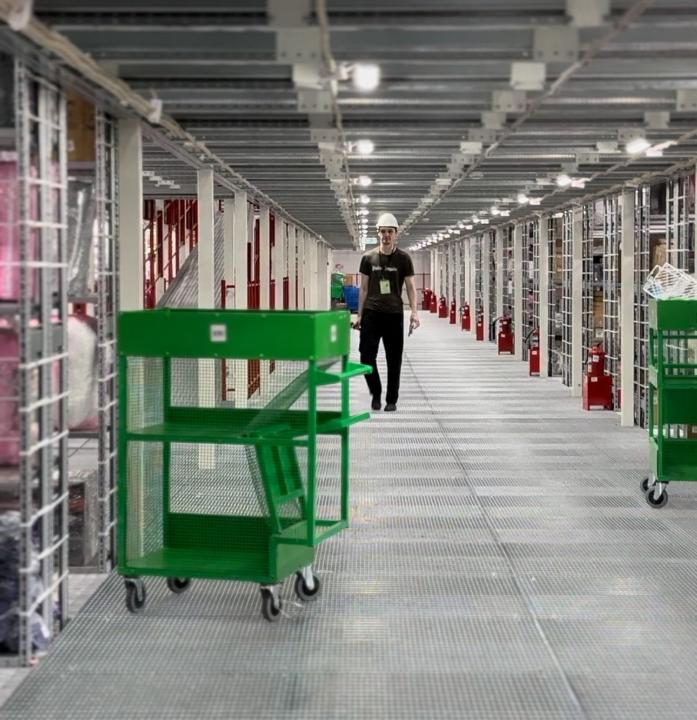
A new domestic online marketplace, Teez, has commenced operations in Karaganda, the central city of Kazakhstan’s Karaganda region. The platform, offering next-day delivery, has opened pick-up points in 24 cities nationwide.

On November 29, Kazakhstan’s Minister of Trade and Integration, Arman Shakkaliyev, visited the marketplace’s main warehouse. Teez co-founder Linar Khusnullin informed the minister that the platform currently operates 40 pick-up points and plans to expand this network to 127. The marketplace offers 50,000 product types, and its customer application has already been downloaded by 170,000 users.

The company’s warehouse spans 25,000 square meters, but by 2030, it aims to expand to a 120,000-square-meter facility. Teez aspires to become Kazakhstan’s leading e-commerce platform.

Shakkaliyev highlighted the rapid growth of e-commerce in Kazakhstan, noting a 20% increase in electronic trade volume from January to October 2024 compared to the same period in 2023. He emphasized that Karaganda, with its central location and developed infrastructure, has the potential to become a vital trade and logistics hub not just for Kazakhstan but for the entire Central Asian region.

The Times of Central Asia reported that in 2023, the volume of e-commerce in Kazakhstan exceeded 2.2 trillion KZT ($4.8 billion), accounting for 13% of all retail trade, a 0.5% increase from the previous year. The country aims to raise its share of e-commerce to 20% by 2030.

Swiss Bank Implicated in Corruption Scheme Linked to Islam Karimov’s Daughter

Swiss bank Banque Lombard Odier & Cie SA faces allegations of violating anti-money laundering regulations concerning funds linked to Gulnara Karimova, the controversial daughter of Uzbekistan’s first president, Islam Karimov. The Swiss Attorney General’s Office revealed that the bank managed nine suspicious accounts tied to Karimova’s organization, the “Office,” despite clear violations of external regulations and internal policies.

A former bank manager was also charged with facilitating the scheme between 2005 and 2012. According to investigators, the “Office” functioned solely as a front to launder funds derived from corruption in Uzbekistan’s telecommunications sector. It reportedly had no legitimate business operations and employed no staff.

The investigation found that the banker deliberately provided false information to obscure Karimova’s role as the ultimate beneficiary of the accounts. The individual is also accused of destroying or concealing documents that could have exposed the illegal origins of the funds. From 2011 to 2012, the banker allegedly allowed unauthorized access to a safe linked to the “Office,” enabling the removal of critical evidence supporting fraudulent transactions.

Gulnara Karimova was once a prominent figure in her father’s administration, known for her roles as a singer, fashion designer, socialite, businesswoman, and diplomat. At one point, she was even considered a potential successor to Islam Karimov. However, by late 2013, her relationship with her father deteriorated, resulting in her political downfall. By 2014, her residence was raided, and she was implicated in a corruption case involving Swedish telecom giant TeliaSonera.

Her legal troubles escalated, with convictions in 2015 for embezzlement, public fund misappropriation, and tax evasion, leading to a five-year sentence. This was extended in 2017, placing her under house arrest alongside her daughter. In 2019, Karimova was moved to a penal colony for violating house arrest conditions. In 2020, she was sentenced to an additional 13 years for crimes including creating a criminal association, extortion, and embezzlement. In September 2023, the Swiss General Prosecutor’s Office filed an indictment against Karimova in the Federal Court. Prosecutors allege that foreign companies seeking entry into Uzbekistan’s telecommunications market were coerced into paying bribes through entities within the “Office” structure.’

Karimova’s legal troubles extend beyond Uzbekistan. British courts have confiscated properties linked to her, valued at over £20 million. The ongoing investigation into her global operations has drawn attention to her role in one of the largest corruption cases in Uzbekistan’s history. This latest scandal has deepened scrutiny of Karimova’s dealings and raised questions about the accountability of financial institutions enabling such schemes.

Archaeologists Uncover Rare Silk Road Artifacts in Uzbekistan

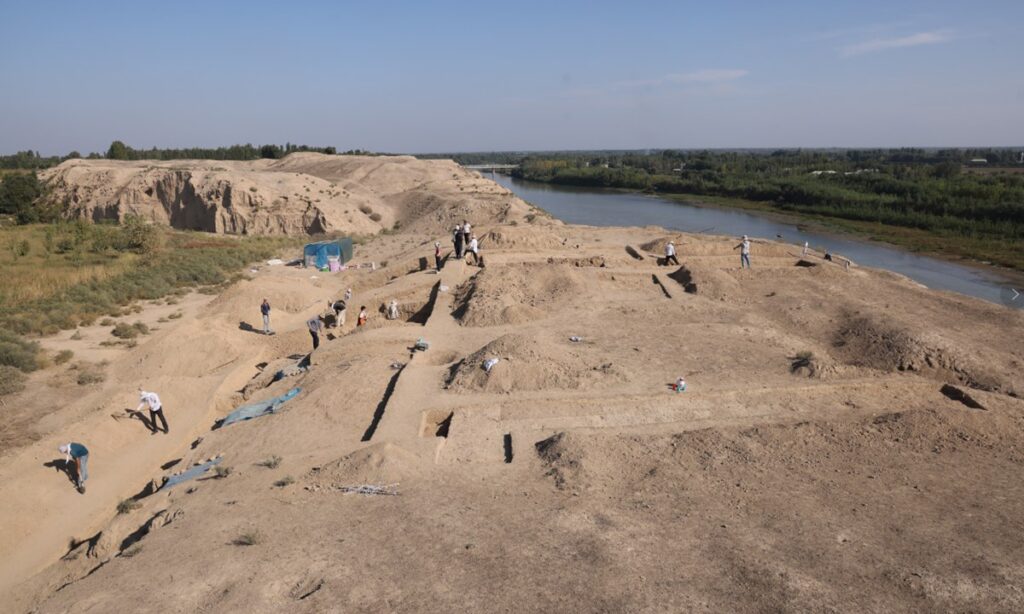
A joint archaeological expedition from China and Uzbekistan has made remarkable discoveries at Mengchaktepa, a key Silk Road site located on the northern bank of the Syr Darya River. Known as the “Living Fossil of the Silk Road,” the site has been under investigation by the Chinese Academy of Social Sciences (CASS) and Uzbekistan’s Institute of Archaeology since 2012.

The team, led by CASS archaeologist Liu Tao, unearthed seven tombs, two buildings, and numerous artifacts, including silk fabrics, leather goods, bronze mirrors, square-holed coins, and beads. Among the most significant finds are silk fragments, the first such discovery in the region since 1986, which bridges a 40-year gap in the study of ancient silk in the Ferghana Valley. According to Liu, these silk fragments highlight the advanced weaving techniques of antiquity.

Abdulhamidjon Anarbayev, a professor at Uzbekistan’s National Center for Archaeology, praised the Chinese team’s contributions to advancing Uzbekistan’s field archaeology through modern excavation and preservation methods. He noted that the research underscores the high standards of Chinese archaeology globally.

Mengchaktepa holds immense value for studying cultural connections along the Silk Road. Ancient Chinese chronicles from the Qin and Han dynasties (221 BC–220 AD) describe how Zhang Qian, an emissary of the Western Han dynasty, established trade links between China and Central Asia. Through Dayuan, the ancient region corresponding to the modern Ferghana Valley, silk, paper, and Chinese technology reached Europe, while grapes and alfalfa were introduced to China.

Excavations at Mengchaktepa have been ongoing since 1986. Early discoveries included nine cave tombs containing well-preserved remains, silk garments, and jewelry from the 5th to 8th centuries. This year, researchers are focusing on the necropolis’s scope, tomb structures, and their artifacts, with special attention to preserving organic materials like silk, leather, and reeds for laboratory analysis.
Liu explained that the findings provide new insights into the region’s early medieval funerary practices, belief systems, and architectural traditions. Artifacts such as Han-style objects and relics linked to Zoroastrianism affirm Mengchaktepa’s pivotal role in East-West cultural exchanges along the Silk Road.

Russian Journalist Pivovarov Detained After Filming Cotton Fields in Karakalpakstan

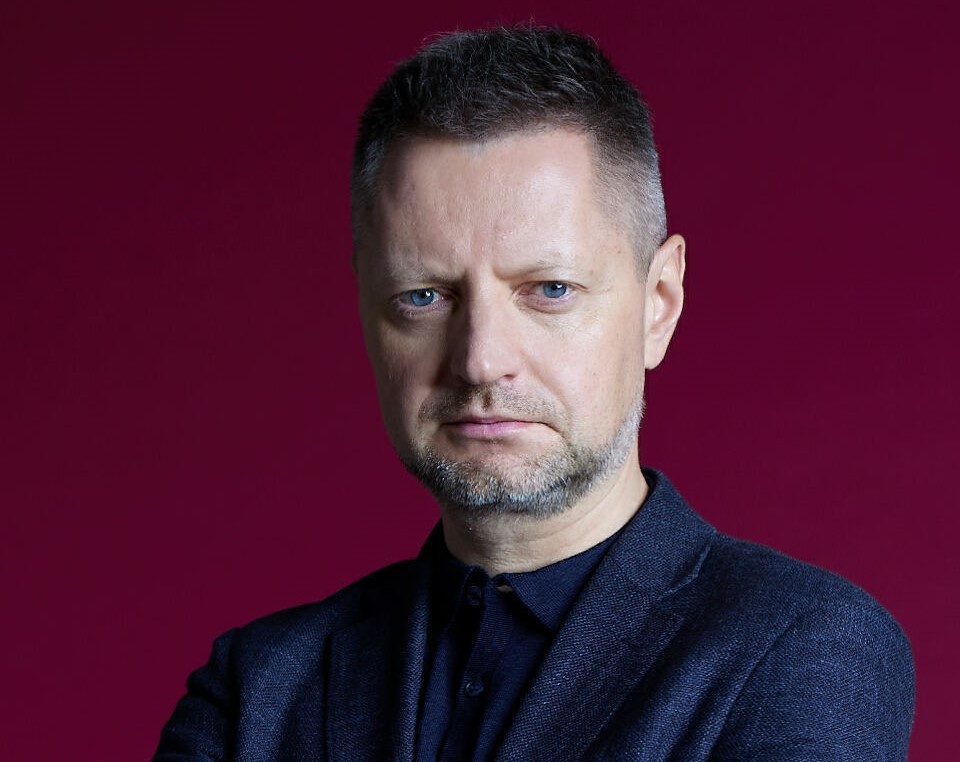
Alexey Pivovarov, a Russian journalist and YouTuber, was detained in Nukus, the capital of the autonomous Uzbek republic of Karakalpakstan. He was questioned by authorities along with the photography team for his project, Redaktsiya (Editorial), and Feride Makhsetova, a journalist from the local news portal Hook. Their arrest was initially reported by Hook.

The journalists were detained “for an interview”, supposedly following a complaint by an unidentified citizen. Authorities confiscated the visual material collected by the team, who, according to Pivovarov on his Telegram channel, had been filming in one of the region’s cotton fields.

The Karakalpakstan branch of the Agency for Information and Mass Communications claimed that the detentions occurred because the journalists were not accredited by the Ministry of Foreign Affairs.

Later, Pivovarov, Makhsetova, and their team were released by the Nukus Department of Internal Affairs. They subsequently traveled to Tashkent without the materials they had filmed in Karakalpakstan.

The Russian Embassy in Uzbekistan addressed the incident, stating that it had contacted Uzbekistan’s Ministry of Foreign Affairs and would provide support to the Russian citizens involved. In a message on his Telegram channel, Pivovarov described the officials in Nukus as “friendly and polite.”