• KGS/USD = 0.01143 -0%
  • KZT/USD = 0.00192 -0%
  • TJS/USD = 0.10820 0.19%
  • UZS/USD = 0.00008 0%
  • TMT/USD = 0.28575 0%
  • KGS/USD = 0.01143 -0%
  • KZT/USD = 0.00192 -0%
  • TJS/USD = 0.10820 0.19%
  • UZS/USD = 0.00008 0%
  • TMT/USD = 0.28575 0%
  • KGS/USD = 0.01143 -0%
  • KZT/USD = 0.00192 -0%
  • TJS/USD = 0.10820 0.19%
  • UZS/USD = 0.00008 0%
  • TMT/USD = 0.28575 0%
  • KGS/USD = 0.01143 -0%
  • KZT/USD = 0.00192 -0%
  • TJS/USD = 0.10820 0.19%
  • UZS/USD = 0.00008 0%
  • TMT/USD = 0.28575 0%
  • KGS/USD = 0.01143 -0%
  • KZT/USD = 0.00192 -0%
  • TJS/USD = 0.10820 0.19%
  • UZS/USD = 0.00008 0%
  • TMT/USD = 0.28575 0%
  • KGS/USD = 0.01143 -0%
  • KZT/USD = 0.00192 -0%
  • TJS/USD = 0.10820 0.19%
  • UZS/USD = 0.00008 0%
  • TMT/USD = 0.28575 0%
  • KGS/USD = 0.01143 -0%
  • KZT/USD = 0.00192 -0%
  • TJS/USD = 0.10820 0.19%
  • UZS/USD = 0.00008 0%
  • TMT/USD = 0.28575 0%
  • KGS/USD = 0.01143 -0%
  • KZT/USD = 0.00192 -0%
  • TJS/USD = 0.10820 0.19%
  • UZS/USD = 0.00008 0%
  • TMT/USD = 0.28575 0%
14 December 2025

American Chamber of Commerce in Kyrgyzstan: Future Development and Investment Climate

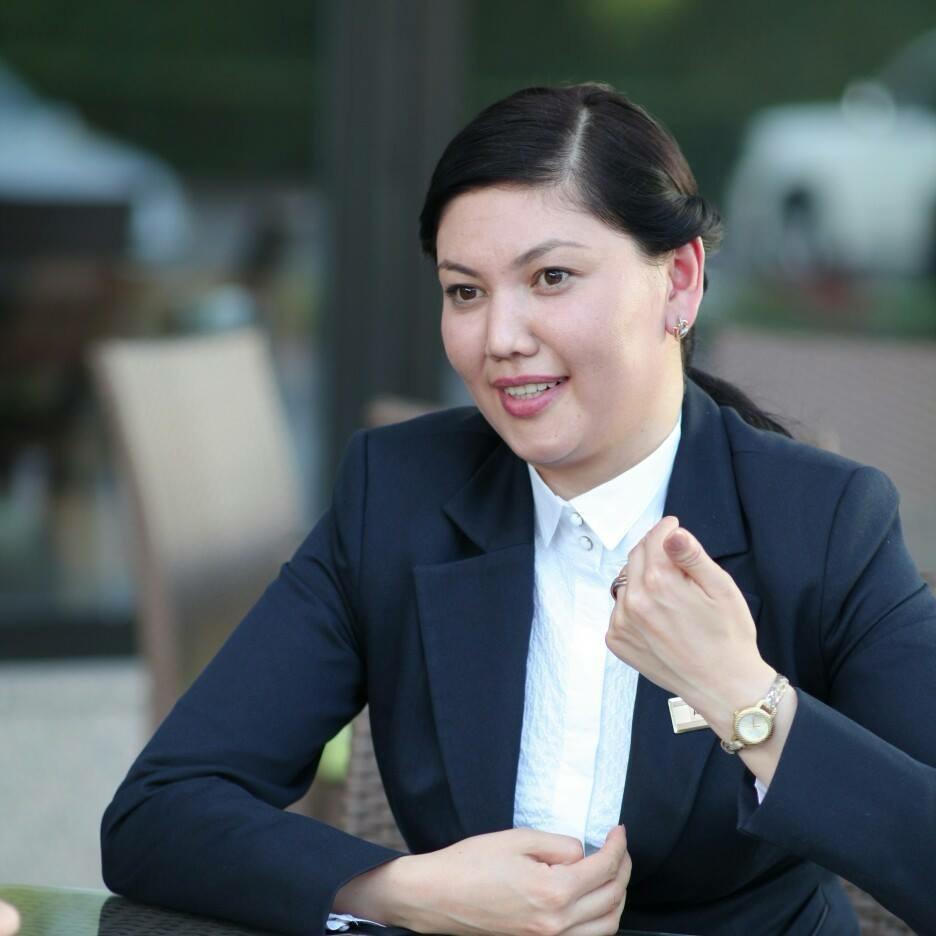
As Central Asia continues to become a regional hub for trade and innovation, The Times of Central Asia spoke with Altynai Asanova, the Executive Director of the American Chamber of Commerce in the Kyrgyz Republic, to discuss the investment climate in Kyrgyzstan, economic trends, and future development.

TCA: I see that your background is primarily in hotel management and sales; how did you transition from this role to your current position?

“My background includes 18 years in the hotel business. Ten years at Hyatt, starting in food and beverage and ending in the hotel sales department; then, I worked at the Orion Hotel for the pre-opening and opening stage for about three years. After this, I was hired by Sheraton, one of the Marriott chain hotels, to work on the pre-opening and opening stage for two years. I was still involved with the business audience and wanted to continue working with the stakeholders and companies who know me.”

TCA: How would you describe the hospitality industry in Kyrgyzstan? Is it mainly in Bishkek or other regions?

“It is developing; before, it was only the Hyatt. Now, there are three or four chain hotels in Bishkek. It is good that there are more players in the market. It is developing day by day. The development is mainly in Bishkek, but we have good perspectives for Issyk Kul as long as the roads and infrastructure are completed. The chain hotels are also becoming interested in Issyk Kul. The good thing is that enough businessmen understand and accept the market challenges in Issyk Kul. They know it will not be financially stable at launch since the busy season is only about 50 days. But if the hotels provide full service and comfort, people will travel there for the full season.”

TCA: Stepping away from hospitality, what did American investment in Kyrgyzstan look like ten years ago?”

“Before, there was an American base in Kyrgyzstan. During that time, the hospitality business was amazing. The rates were high considering the charter flights and pilots who needed a place to stay. Now, these rooms are listed at the lowest rates. At that time, the Hyatt was the only five-star hotel in Bishkek, so all the American guests were staying at the Hyatt. The investment climate dropped after the U.S.-Kyrgyzstan agreement ended. There is opportunity, but it goes slowly.”

TCA: Since then, what has changed in the business climate?

“Business-wise, if we look from the angle of the association, we do not have any purely American business; we have franchise members: KFC, Hyatt, Sheraton, and some banks. It would be nice to have purely American [businesses] here.”

TCA: Who are the current major investors in the Kyrgyz market? And is competition relevant to win contracts with local companies?

“China, Russia, Kazakhstan, the Netherlands, and Turkey are the main investors. Before making any contracts or tenders, we need to understand the possibilities of our market, ‘Is our country ready to accept this level of business?’ The first question is whether Kyrgyzstan is ready, and the second is whether some conditions should be changed to attract investors. We must improve the regulatory environment to improve transparency and ensure the country’s investment attractability. Most of our neighbors are interested in becoming deeply involved in our economies. By contrast, the U.S. is physically very far away, and the market has become very tight for them.”

TCA: What are the biggest markets for the Kyrgyz economy in the next 5-10 years? What do you see attracting the most investment?”

“Mining, apparel, tourism, and agriculture are the most attractive sectors. It would be nice to have international companies enter the market because they bring expertise and standards to their sectors. They are not only teaching people but also providing good working conditions and bringing different cultures together, changing the vision of the people. If the people are well-developed, then the organization will be different. Educational exchange programs are also critical; they strengthen the people-to-people ties. Outside expertise and opinion is essential.”

TCA: The One Belt, One Road Initiative has projects in Kyrgyzstan. Will these projects benefit the Kyrgyz economy or make the country more dependent on China?

“We should understand that any kind of these projects are a win-win for both sides. We already have Chinese companies performing well in the Kyrgyz market. It does not mean they are only looking for money here; they are developing and making efforts. They are also providing benefits for their employees. I hope that these projects produce good results for both sides.”

TCA: Are there any sectors you think the international audience should watch besides mining?

“IT. After the situation in Ukraine, many people relocated to Bishkek. Renting apartments and food is cheaper compared to where they come from. Some companies are interested in opening their hubs here, some in Bishkek and some in Issyk Kul. Compared with other Central Asian countries, the quality of the internet is high, and the price is affordable. It is not 5G yet, but the price and quality are attractive.”

TCA: Has there been any legislation or changes to the laws to attract new investment?

“We have frequent changes to the law, but the main thing is not how it looks on paper, but how it works in real life. The government is working on transparency and easy procedures for tax purposes, but how it is realized matters more. Everything should be amazing on paper, but does it work like this in reality?”

TCA: Would you like to add anything else?

“We should understand that every country has different possibilities, resources, people, and mentalities. However, we should understand that we can promote and develop countries only via fruitful partnerships between countries. During my visit to the U.S., I saw that it is a country of opportunity, technology, and innovation, where everyone can strive for success and realize their dreams. For Kyrgyzstan, it should be a shining example. Of course, it isn’t easy, but if we see these possibilities, I think they are achievable; American businesses are the example to follow. Staying positive and focusing on progress and reaching a goal is paramount.”

IFC Provides $240 Million Loan to Boost Uzbekistan’s Renewable Energy

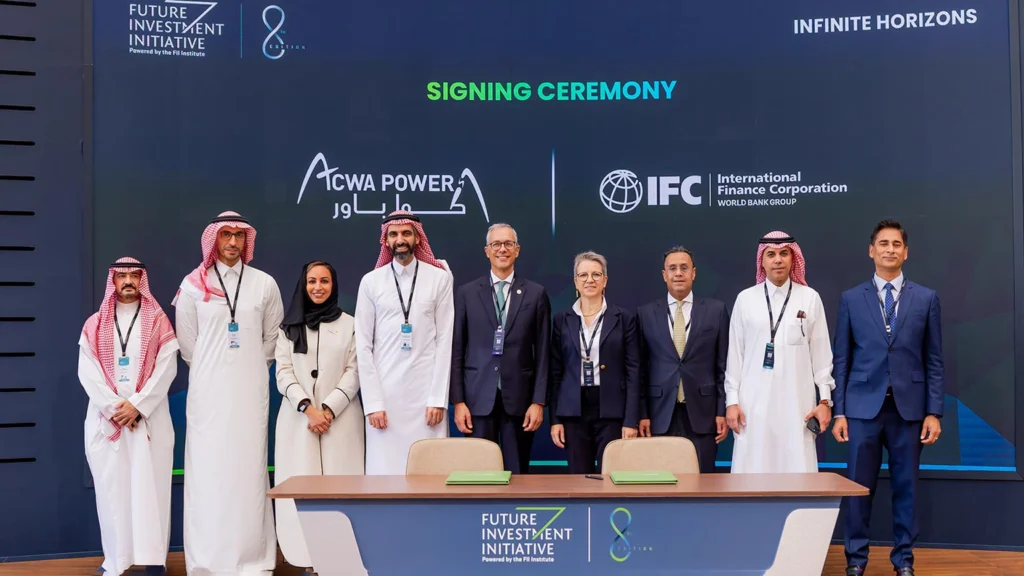
The IFC has announced a $240 million Islamic Equity Bridge Loan for ACWA Power to boost Uzbekistan’s renewable energy sector. The announcement was made at the 8th Future Investment Initiative conference in Riyadh, Saudi Arabia. The financing will cover a 1-gigawatt solar PV plant, a 668-megawatt Battery Energy Storage System (BESS), and around 500 kilometers of high-voltage transmission lines. These projects aim to advance Uzbekistan’s clean energy goals, potentially cutting greenhouse gas emissions by 1.3 million tons of CO2 annually and generating around 2,400 gigawatt hours of electricity per year.

Al Muhaidib, ACWA Power’s Chief Financial Officer, stated that “we are honored to collaborate with IFC on this transformative project in Uzbekistan, which embodies our shared vision of advancing sustainable energy solutions. This initiative will establish a new standard for cross-border ACWA Power recourse funding support, effectively addressing energy demands while championing environmental sustainability.”

The $240 million financing, structured as an Islamic Finance Murabaha, includes an A-Loan of up to $227.75 million and a $12.25 million trust loan through IFC’s Managed Co-Lending Portfolio Program. This funding will support ACWA Power’s equity contributions to the project’s development over the next four years. By optimizing equity returns, this structure helps project developers offer competitive tariffs and attract private investors, advancing Uzbekistan’s goal of reaching 40% renewable energy by 2030.

“This project reflects IFC’s commitment to tackling climate change, accelerating the clean energy transition in emerging markets, and supporting public and private sector entities in Saudi Arabia with innovative investments in the region and beyond,” said Laura Vecvagare, IFC’s Regional Head of Industry for Infrastructure and Natural Resources in the Middle East, Central Asia, Türkiye, Afghanistan, and Pakistan.

Saudi company ACWA Power’s investment portfolio in Uzbekistan now includes eight projects worth over $6.8 billion, with a more than 5.5 GW design capacity. The company’s success highlights Uzbekistan as an attractive investment hub and a leader in renewable energy in Central Asia.

Casinos in Kyrgyzstan To Open in State Buildings

The Kyrgyz parliament has passed legislation permitting gambling in state-owned facilities. This new law allows for casino activities within buildings owned by the state or enterprises with government stakes, and aims to attract investment, generate employment, and boost tax revenues.

Developed by the Ministry of Economy and Commerce and presented to the Cabinet of Ministers, the law overturns previous restrictions by permitting casinos in state-owned hotels to enhance tourism and global competitiveness. Revenues from these casinos will support the development of tourist infrastructure.

Historically, gambling was banned entirely in Kyrgyzstan in 2012, but a 2022 law reintroduced it under strict conditions, allowing only foreign nationals to participate. Kyrgyz citizens remain barred from casino entry, and the State Service for Regulation and Supervision of the Financial Market closely oversees operations to ensure compliance.

Kazakhstan Hosts Meeting of Council of Foreign Investors

Astana’s Palace of Independence hosted the 36th meeting of the Foreign Investors Council.

Kazakhstan’s President Kassym-Jomart Tokayev and Prime Minister Olzhas Bektenov attended the event. This year’s central theme was “Kazakhstan’s New Investment Cycle.” The meeting discussed strategies for the new investment cycle and the development of Kazakhstan’s attractiveness to investors.

Citing data from the International Institute for Management Development (IMD), Tokayev emphasized that Kazakhstan has become one of the world’s top 35 competitive countries.

“We set ourselves a rather ambitious goal: to attract $150 billion of foreign direct investment by 2029. To realize this goal, the Investment Headquarters under the Government is endowed with expanded powers to solve emerging problems promptly,” said the president.

Tokayev noted the merits of international oil companies, which have played an essential role in the country’s development.

“Foreign investors have invested capital and provided advanced technologies and highly skilled labor. Their investments have contributed to the growth of our energy industry: over the past 30 years, oil production has tripled. Thanks to this, Kazakhstan has become one of the five countries with the highest oil production growth rates. Speaking about the future, we set a goal to overcome the threshold of 100 million tons per year,” he said.

The meeting focused on increasing investment attractiveness in the “clean energy” sector. Specific agreements were reached with world companies such as Total, Svevind, ACWA Power, and Masdar on realizing 43 GW of “green” projects in Kazakhstan. In addition, Kazakhstan has a vast potential for developing nuclear energy, so creating an international consortium to realize the NPP construction project is under consideration.

Kazakhstan focuses on the work of the Astana International Financial Center to strengthen cooperation in the financial sector. Tokayev spoke of the importance of continuing the dialog between the Council members and government agencies to improve the country’s investment climate and implement new initiatives and specific projects.

The meeting also included Odile Renaud-Basso, President of the EBRD; Nurlan Dosymbekov, Deputy Prime Minister and Minister of National Economy; Zhang Daowei, Chairman of the Board of the Kazakh Association “Baibazarov” and the Yerstanign Investors; Nikolai Podguzov, chairman of the EDB; Andrew Deleoni, president of Alstom for Africa, the Middle East, and Central Asia; and Vadim Vorobyov, Chief Executive Officer of PJSC Lukoil.

Established in 1998, the Council of Foreign Investors is a platform for foreign investors and the government of Kazakhstan to discuss strategic objectives and find solutions to improve the business climate.

From the Kazakhstani side, the Council is attended by government members and heads of several national companies and development institutions. Foreign participants include representatives of major international corporations and organizations, underscoring the global interest in investing in Kazakhstan.

Last year’s 35th Plenary Meeting of the Foreign Investors Council was also chaired by President Tokayev. The main topic of the meeting was “Digital Transformation of the Economy.” At the time, Tokayev emphasized that digitalization is a tremendous technological breakthrough and opportunity. The growth of digitalization is already dramatically impacting economic development and changing the game’s rules in various sectors. Kazakhstan actively seeks to develop digital technologies and considers them a factor of the country’s competitiveness on the world stage.

Kazakhstan To Establish Special Commission on NPP Construction

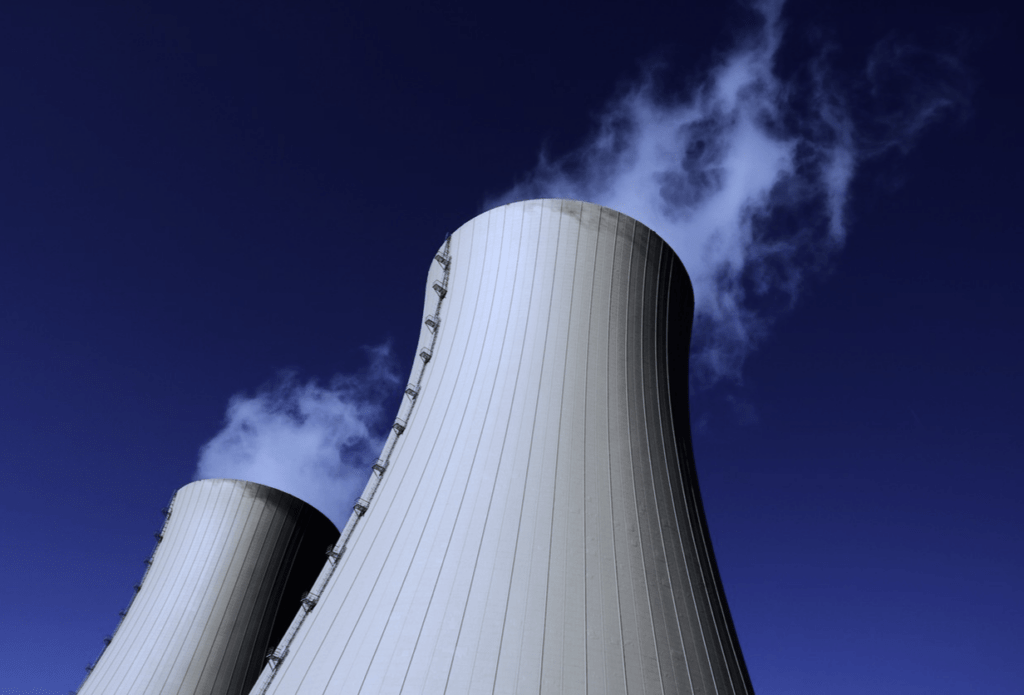
A special government commission will be formed in Kazakhstan to manage the nuclear power plant construction project, according to Energy Minister, Almasadam Satkaliyev. As stated by the minister, the commission will engage in an open, competitive dialog with potential bidders. Preliminary consultations have already been held, including visits to China and South Korea, where critical requirements for future contractors were discussed.

Among the main selection criteria are power cost, budget and construction time-frame, mandatory safety guarantees, social commitments, financing, and localization of fuel production. As part of this process, the commission will formulate proposals for further consideration at a meeting of the Energy Council under the President of Kazakhstan. In addition, consultants will analyze the project’s financial, economic, legal, and technical aspects.

As The Times of Central Asia previously reported, a referendum on nuclear power in Kazakhstan was held on October 6. More than 70% of Kazakhstanis voted in favor of the construction of a nuclear power plant. Potential participants in the project are now being discussed. Among the countries being considered as partners are Russia, China, France, and South Korea. These states have set out their proposals, and the authorities in Kazakhstan are considering them. In addition, the United States has expressed its willingness to participate. President Tokayev has expressed his preference for an international consortium to realize the project. The final decision will be made based on technical and financial conditions, with the preliminary cost estimated at $5 billion.

Car Multimedia System Plant Launched in Almaty

The opening ceremony of the Kazakhstan Mobility Engineering Plant took place on October 30 in Almaty, Kazakhstan’s largest city. The new production facility is part of Astana Motors, Kazakhstan’s major automobile distribution and manufacturing company.

In April last year, Astana Motors signed a memorandum of cooperation with South Korea’s Motrex Co Ltd., receiving the right to produce multimedia devices in Kazakhstan using the Korean partner’s technology. The plant was launched in September 2024, and the first batch of its audio and video multimedia systems has already been delivered to the Hyundai Trans Kazakhstan plant for installation on Tucson and Elantra cars.

Speaking at the opening ceremony, Minister of Industry and Construction of Kazakhstan, Kanat Sharlapayev, emphasized that multimedia systems are high-precision production requiring first-class specialists’ competencies in digital technologies. “Our key goal is to create a production cycle with a high share of [production] localization [inside Kazakhstan]. And we will make maximum use of domestic raw materials and components. That is why Kazakhstan Mobility Engineering is important for the country.”

Motrex CEO Junseon Kim also stressed the importance of local production: “Our goal is to closely cooperate with our partners to increase local production of components and leadership in the assembly of multimedia devices. The partnership will allow us to respond quickly to local needs, create jobs, and support Kazakhstan’s economic growth.”

The Kazakhstan Mobility Engineering plant is part of the Astana Motors Engineering Technopark, constructed in the Industrial Zone of Almaty to produce automobile components. The technopark will also open a car seat manufacturing plant, a rubber and plastic products manufacturing plant, and a logistics hub. Its products will be supplied to the Hyundai Trans Kazakhstan plant and other automobile plants in Kazakhstan.

Astana Motors has also signed a memorandum with Sanico Electronics, a South Korean manufacturer, to obtain the right to produce motherboards and cases for multimedia systems.

In other news, Kazakhstan’s national company, Kazakh Invest, and KIA Qazaqstan discussed projects to produce original South Korean auto components for KIA cars in Kazakhstan.

The parties considered cooperating with South Korean companies SJG Sejong and Seoyon E-Hwa, the original manufacturers of seats, bumpers, mufflers, and other components for KIA cars. Representatives of the companies expressed interest in implementing investment projects in Kazakhstan, emphasizing the strategic importance of localizing the production of automotive components in the country.
A full-cycle plant to produce KIA cars is currently under construction in Kazakhstan’s Kostanay. The new plant will cost about $200 million and have a production capacity of 70,000 vehicles annually. This project is KIA’s first direct investment in a joint venture to construct a plant outside Korea.

At a government meeting on October 29, Minister of Industry and Construction Sharlapayev said that from January to September 2024, Kazakhstan produced more than 82,000 cars.