• KGS/USD = 0.01144 0%
  • KZT/USD = 0.00196 -0%
  • TJS/USD = 0.10899 -0%
  • UZS/USD = 0.00008 -0%
  • TMT/USD = 0.28490 0%
  • KGS/USD = 0.01144 0%
  • KZT/USD = 0.00196 -0%
  • TJS/USD = 0.10899 -0%
  • UZS/USD = 0.00008 -0%
  • TMT/USD = 0.28490 0%
  • KGS/USD = 0.01144 0%
  • KZT/USD = 0.00196 -0%
  • TJS/USD = 0.10899 -0%
  • UZS/USD = 0.00008 -0%
  • TMT/USD = 0.28490 0%
  • KGS/USD = 0.01144 0%
  • KZT/USD = 0.00196 -0%
  • TJS/USD = 0.10899 -0%
  • UZS/USD = 0.00008 -0%
  • TMT/USD = 0.28490 0%
  • KGS/USD = 0.01144 0%
  • KZT/USD = 0.00196 -0%
  • TJS/USD = 0.10899 -0%
  • UZS/USD = 0.00008 -0%
  • TMT/USD = 0.28490 0%
  • KGS/USD = 0.01144 0%
  • KZT/USD = 0.00196 -0%
  • TJS/USD = 0.10899 -0%
  • UZS/USD = 0.00008 -0%
  • TMT/USD = 0.28490 0%
  • KGS/USD = 0.01144 0%
  • KZT/USD = 0.00196 -0%
  • TJS/USD = 0.10899 -0%
  • UZS/USD = 0.00008 -0%
  • TMT/USD = 0.28490 0%
  • KGS/USD = 0.01144 0%
  • KZT/USD = 0.00196 -0%
  • TJS/USD = 0.10899 -0%
  • UZS/USD = 0.00008 -0%
  • TMT/USD = 0.28490 0%
08 December 2025

Sumbar the Life-Saving Brown Bear Settles in Ashgabat Zoo

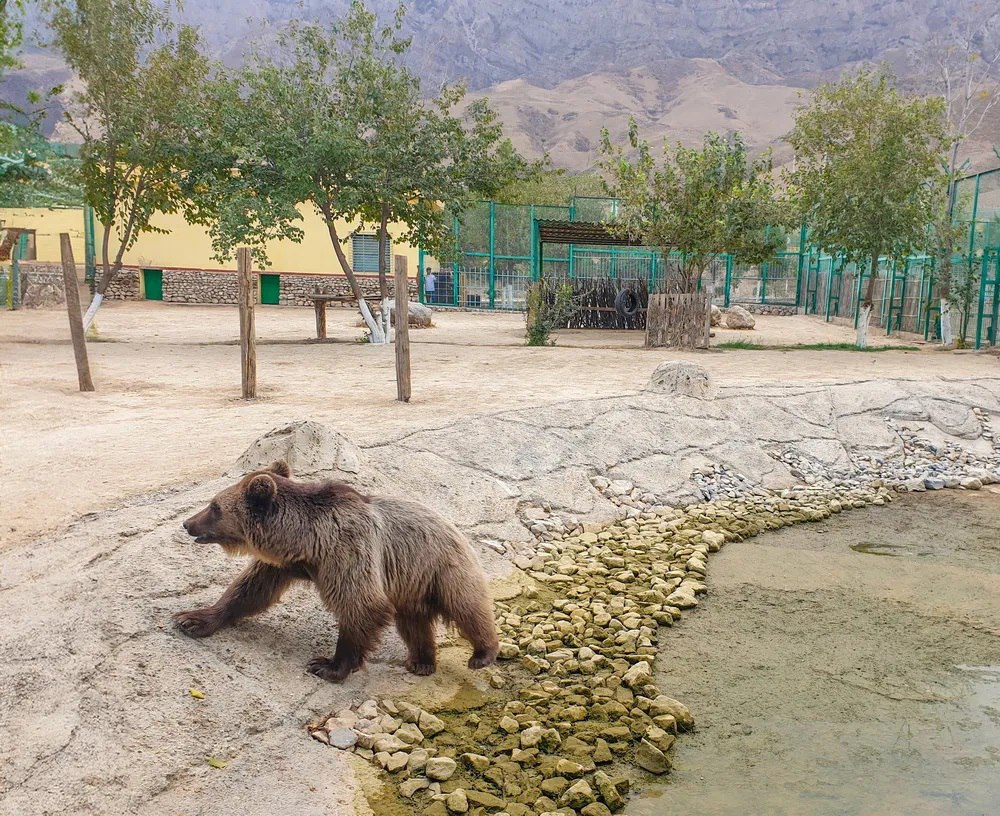
The National Museum of Wildlife of Turkmenistan, known as the Ashgabat Zoo, has a new resident — a brown bear named Sumbar, transferred from the Volokolamsk Center of the Moscow Zoo. This bear is not an ordinary bear: earlier, as a donor, his blood saved the life of another female bear. This is a rare case because there are seven groups of bear blood, and the blood of Sumbar suited the sick animal.

The bear was given to the Ashgabat Zoo on the initiative of the Eurasian Regional Association of Zoos and Aquariums (EARAZA) in honor of the 33rd anniversary of Turkmenistan’s independence. Sumbar will have to adapt to a new place where comfortable conditions have been created for him in a spacious enclosure. Caring zookeepers have hidden food in different corners of the zoo’s territory so that the bear can show its instincts.

Currently, Sumbar is showing unexpected vegetarian preferences, favoring fruits and nuts. He is soon to be joined by a female brown bear named Aydere, also from the Moscow Zoo. Given that bears reach sexual maturity by age three and that Sumbar and Aydere are still “little,” they have time to adapt and become friends, with the prospect of starting a family in the future.

This case is unique because it is extremely rare for bears to become donors due to the difficulty of blood group compatibility. When veterinarians discovered that a sick bear cub had a serious illness requiring a blood transfusion, Sumbar’s blood matched perfectly. Thanks to this, the bear cub’s life was saved. This case attracted the attention of zoologists and veterinarians worldwide, and Sumbar gained heroic status among his subscribers and the center’s staff.

Despite High Water Levels in Kyrgyzstan’s Toktogul Reservoir, Electricity Shortages Persist

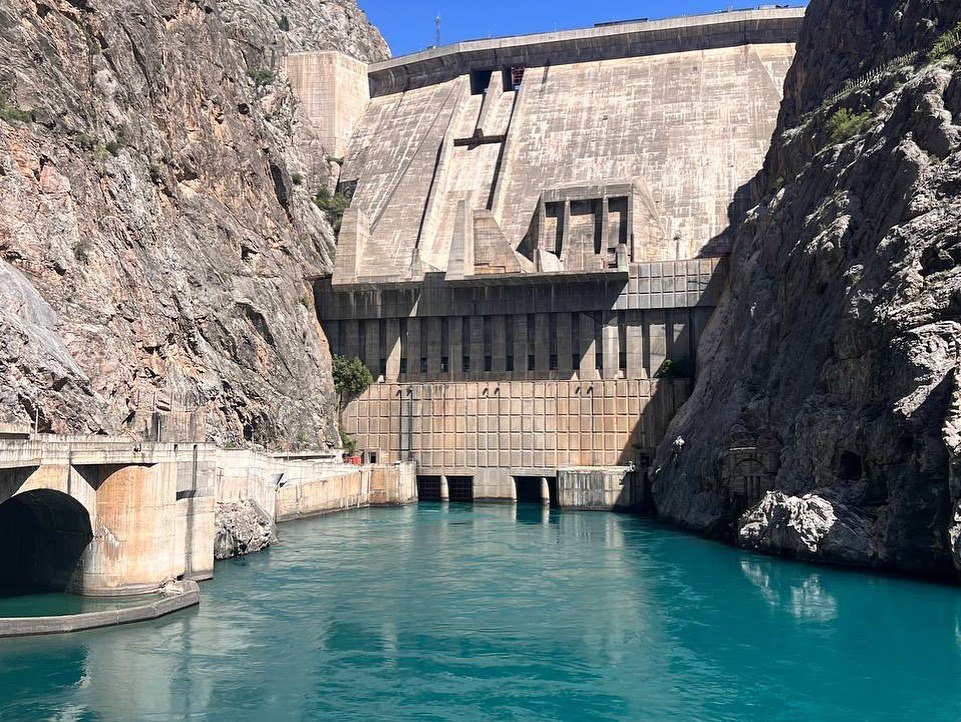
Despite an increase in water levels at Kyrgyzstan’s Toktogul hydroelectric power plant (HPP) reservoir this year, the country continues to face electricity shortages, Energy Minister Taalaibek Ibrayev said in an interview with Birinchi Radio.

Located on the Naryn River, the Toktogul HPP is Kyrgyzstan’s largest power plant, providing around 40% of the country’s electricity.
As of October 1, 2024, the water volume in the Toktogul reservoir reached 13.033 billion cubic meters, approximately 1.3 billion cubic meters more than the previous year. The reservoir currently receives 365 cubic meters of water per second while releasing 284 cubic meters per second for power generation.

“Despite the increased water levels in 2024, we are still facing an electricity deficit of about 3.9 billion kilowatt-hours,” Minister Ibrayev stated.

To address the deficit, Kyrgyzstan is working to expand its energy capacity by building small and large hydroelectric plants. “In the past, small hydroelectric plants produced around 200-300 million kilowatt-hours of electricity annually. This figure has now increased to 750 million kilowatt-hours,” Ibrayev explained. He also noted that the country’s electricity consumption has risen by 400 million kilowatt-hours this year, driven by the launch of new industrial enterprises.

According to the National Statistics Committee, Kyrgyzstan generated 13.8 billion kilowatt-hours of electricity in 2023, with hydropower plants accounting for approximately 87% of total electricity production.

In 2023, Kyrgyzstan met 80% of its electricity demand, which totalled 17.2 billion kilowatt-hours. The remaining 20%, or 3.4 billion kilowatt-hours, was imported.

To help reduce reliance on imports, an agreement was signed between Kyrgyzstan and Turkmenistan in May 2023 for the supply of 1.7 billion kilowatt-hours of electricity from Turkmenistan, starting on January 1, 2025.

After Uzbek University Fire, Classes Resume and an Investigation Starts

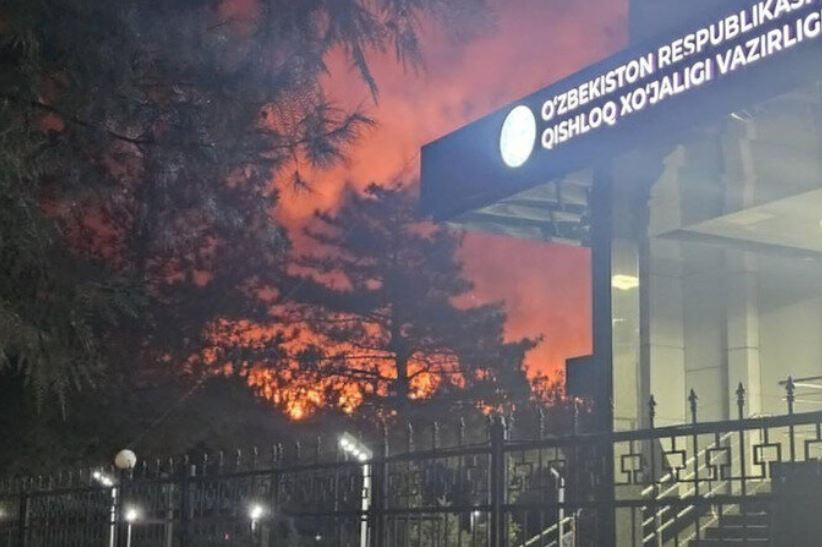
Authorities in Uzbekistan are investigating whether fire safety rules were violated at a major university where a large blaze damaged buildings.

“All students are healthy,” the Tashkent State Agrarian University said in a statement on Tuesday, one day after the blaze that was extinguished by firefighters. The university said it had “taken full control of the situation” in collaboration with multiple government ministries – including emergency situations, internal affairs, agriculture and higher education – as well as authorities in the Tashkent region.

Students won’t miss any classes and “study processes will continue according to plan,” the university said.

The Tashkent Regional Department of Internal Affairs is conducting a criminal investigation of the fire at the university, which is home to offices of a number of government agencies and a frequent host to international academics and other visitors.

“In response to the baseless messages circulating on social networks, we inform you that 2 out of 43 buildings on the territory of the university have been damaged,” the university said.

It did not provide details about any false messaging, though there was conflicting information in the initial hours after the fire. A report by kun.uz, a digital news organization in Uzbekistan, indicated that some conflicting information came from official sources.

China Officially Joins the Middle Corridor

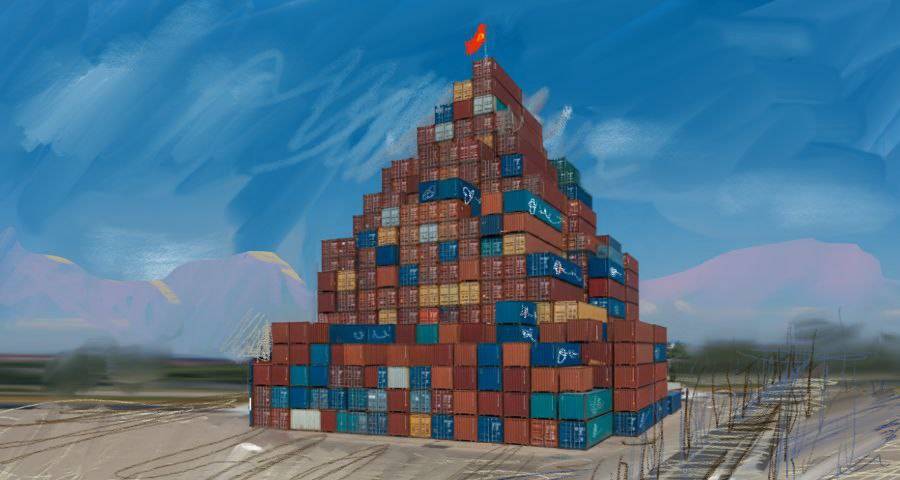
It was announced during the 8th International Silk Road Expo in Xi’an in September 2024 that China will formally join the Middle Corridor under the guise of participation by the China Railway Container Transport Corporation (CRTC). This move signals a growing reliance on Central Asia’s trade-route infrastructure potential. China’s shift to overland routes is part of a broader strategy to diversify away from traditional maritime routes through chokepoints like the Strait of Malacca, which carry geopolitical risk.

Kazakhstan’s strategic geographic location naturally makes it indispensable to China’s trade, and infrastructure projects currently underway represent a key component of the Middle Corridor’s potential. In July 2024, Kazakh President Kassym-Jomart Tokayev ratified agreements with China aimed at further developing the Middle Corridor, enhancing both road and rail infrastructure.

The country has already been upgrading its rail infrastructure, modernizing dry ports like Khorgos on the Chinese border, and expanding transit facilities at the Caspian Sea port of Aktau. The increased flow of goods through Kazakhstan is evident: over 212 container block trains have passed through the country by September 2024, with the number projected to exceed 300 by the year’s end.

These build-outs, and particularly Kazakhstan’s modernization of its railways, go hand-in-hand with the recently finished improvements along the Baku-Tbilisi-Kars (BTK) line, which connects Azerbaijan to Turkey via Georgia. The expansion of the BTK line’s capacity from 1 million to 5 million tons per year has now been completed. As a result of all these efforts, the travel time for goods from China to the Black Sea has been reduced to just 10–12 days, highlighting the efficiency of the corridor.

Azerbaijan also plays a crucial role in this economic ecosystem. Baku’s port of Alat serves as a critical transit point for cargo crossing between Central Asia and the South Caucasus. Azerbaijan’s collaboration with Kazakhstan, Georgia, and Turkey has led to significant investments in expanding port facilities and upgrading railway systems beyond the crucial BTK link mentioned above. The result is a smoother, more reliable flow of goods from China to Europe. Azerbaijan is winning its bet to become a regional logistics hub.

In addition, a Chinese consortium recently secured the contract for the construction of the Anaklia deep-sea port in Georgia, a strategically important site on the eastern edge of the Black Sea. The project was initially awarded to a Georgian-American consortium, but was cancelled in 2020 due to political and legal disputes.

Following a new tender process this year, the Chinese consortium emerged as the sole bidder. If supporting infrastructure is adequately developed and the Black Sea’s cargo transit capacity can be significantly enhanced, then the Anaklia port could become a critical node in the Middle Corridor, enhancing its role in Eurasian trade and bolstering regional connectivity.

China’s increased reliance on Central Asian, trans-Caspian, and South Caucasus routes is not just about efficiency. It is also a strategic diversification to mitigate the risks posed by geopolitical instability in other regions. Traditional sea routes through maritime choke-points as well as overland routes like the Northern Corridor through Russia have become problematic, all for different reasons.

Due to global geoeconomic complications arising from Russia’s ongoing war against Ukraine, not only China but also Europe has expressed concerns about the reliability of the Northern Corridor. The Middle Corridor offers an alternative bypassing these risks while leveraging Central Asia’s increasingly sophisticated logistical integration.

In addition to economic and strategic benefits, the Middle Corridor offers what are viewed as environmental advantages. Overland routes, particularly those relying on rail, tend to be less carbon-intensive than long-distance maritime shipping, which is a major contributor to global carbon emissions.

China thus showcases its shift toward rail and multi-modal transport along the Middle Corridor as an element in its policies to align with global sustainability goals. This has provided it with opportunities for successful public diplomacy around UN-driven development goals. It also plays well in the European Union, where reduced carbon footprints in international trade are still a major policy point.

It seems likely that China may contribute to initiatives for the Middle Corridor’s integration and logistical efficiency in such technological domains as advanced tracking systems, real-time data sharing, and seamless customs procedures. Kazakhstan, Azerbaijan, and Georgia have been cooperating on digital platforms to facilitate smoother and more efficient border crossings; these reduce delays while ensuring the integrity of goods. Such advances also ensure Central Asian competitiveness as a transport link.

China’s integration into the Middle Corridor marks a qualitatively new stage in the country’s trade strategy, where Central Asia’s role becomes indispensable to it. It confirms the emergence of Kazakhstan and Azerbaijan as vital players in Eurasian logistics.

Countries along the route are poised to benefit from China’s investments and their own efforts to modernize infrastructure. For Central Asia, the Middle Corridor is more than just a transit route. It represents a gateway to greater economic integration and regional stability.

Kazakhstan: Investigate Airstrike on UAE Residence in Sudan

Kazakhstan condemns a Sept. 29 airstrike on the Khartoum residence of the top diplomat of the United Arab Emirates in Sudan, the Kazakh Ministry of Foreign Affairs said on Tuesday.

“We firmly believe that any kind of violence against diplomatic missions and their staff is absolutely unacceptable,” the ministry said in a statement. It said the airstrike violated the security of diplomatic missions as guaranteed under the Vienna Convention on Diplomatic Relations and appealed for an investigation to bring “all those involved to justice.”

The United Arab Emirates said the airstrike was carried out by a Sudanese army aircraft and that it caused extensive damage to the building. The Sudanese Armed Forces, or SAF, denied responsibility.

The SAF has previously accused the United Arab Emirates of supporting its enemy in Sudan’s civil war, a paramilitary group called the Rapid Support Forces.

Lukashenko Turns Up Charm After Kazakhstan Kerfuffle

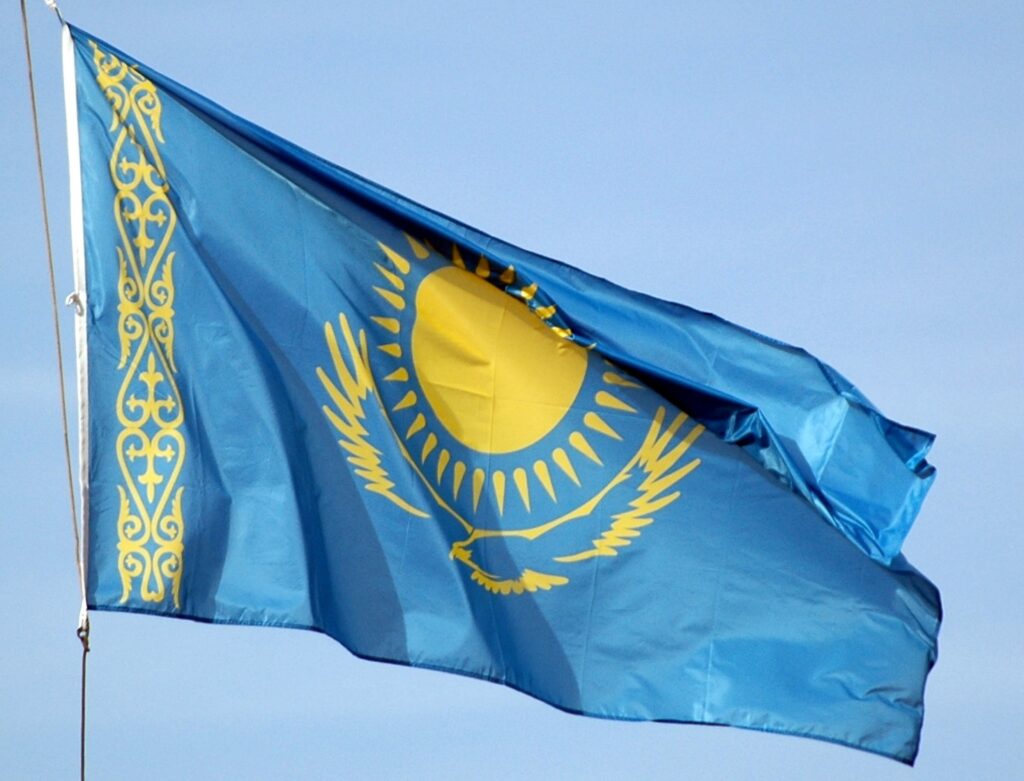
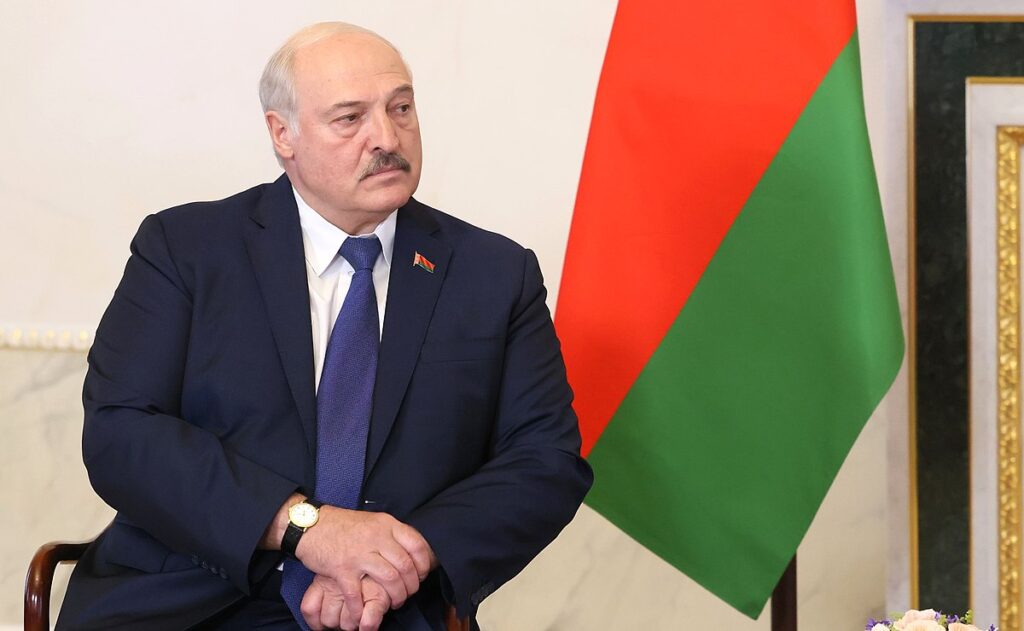
In August, Belarusian leader Aleksandr Lukashenko drew a Kazakh rebuke after he criticized Kazakhstan for what he described as its tepid support for Russia. Lukashenko was a model of diplomatic etiquette on Tuesday, effusively praising Kazakhstan as a close ally during a ceremony at which he received credentials of foreign ambassadors.

“Today there are practically no areas where we do not have common interests. Annual $1 billion trade turnover and successful projects in industrial interaction testify to the high dynamics of bilateral cooperation,” the longtime Belarusian ruler said of Kazakhstan. Lukashenko´s comments were reported by Belarus Today, a state-run media group.

The Belarusian president also thanked Kazakh President Kassym-Jomart Tokayev for supporting Belarus when it became a member of the Shanghai Cooperation Organization, a regional security group, earlier this year, according to Belarus Today. Kazakhstan was chair of the organization at the time.

Things weren’t as convivial in August when Lukashenko, a backer of Russian President Vladimir Putin, suggested in an interview with Russian state television that Kazakhstan was exploiting Russia, now in a third year of war since its full-scale invasion of Ukraine in February 2022.

“We are not starting to cheat like some post-Soviet states. They want to take something from Russia, but give nothing in return,” Lukashenko said at the time. The longtime leader of Belarus, who has crushed opposition over 30 years in power, referred to the dispatch of troops from regional countries to Kazakhstan in a show of support after protests and riots erupted there in January 2022, killing more than 200 people. Most of the troops were Russian; a small contingent came from Belarus.

Kazakhstan’s Ministry of Foreign Affairs summoned the Belarusian ambassador after Lukashenko’s remarks and said, in an apparently oblique reference to the Ukraine war, that “all disagreements between states should be resolved by political and diplomatic means.”

Kazakhstan’s new ambassador in Belarus is Yerlan Baizhanov, formerly the country’s top diplomat in Vietnam, Cambodia and Laos.