• KGS/USD = 0.01144 0%
  • KZT/USD = 0.00192 -0%
  • TJS/USD = 0.10849 0.37%
  • UZS/USD = 0.00008 0%
  • TMT/USD = 0.28571 0.28%
  • KGS/USD = 0.01144 0%
  • KZT/USD = 0.00192 -0%
  • TJS/USD = 0.10849 0.37%
  • UZS/USD = 0.00008 0%
  • TMT/USD = 0.28571 0.28%
  • KGS/USD = 0.01144 0%
  • KZT/USD = 0.00192 -0%
  • TJS/USD = 0.10849 0.37%
  • UZS/USD = 0.00008 0%
  • TMT/USD = 0.28571 0.28%
  • KGS/USD = 0.01144 0%
  • KZT/USD = 0.00192 -0%
  • TJS/USD = 0.10849 0.37%
  • UZS/USD = 0.00008 0%
  • TMT/USD = 0.28571 0.28%
  • KGS/USD = 0.01144 0%
  • KZT/USD = 0.00192 -0%
  • TJS/USD = 0.10849 0.37%
  • UZS/USD = 0.00008 0%
  • TMT/USD = 0.28571 0.28%
  • KGS/USD = 0.01144 0%
  • KZT/USD = 0.00192 -0%
  • TJS/USD = 0.10849 0.37%
  • UZS/USD = 0.00008 0%
  • TMT/USD = 0.28571 0.28%
  • KGS/USD = 0.01144 0%
  • KZT/USD = 0.00192 -0%
  • TJS/USD = 0.10849 0.37%
  • UZS/USD = 0.00008 0%
  • TMT/USD = 0.28571 0.28%
  • KGS/USD = 0.01144 0%
  • KZT/USD = 0.00192 -0%
  • TJS/USD = 0.10849 0.37%
  • UZS/USD = 0.00008 0%
  • TMT/USD = 0.28571 0.28%
11 December 2025

Kyrgyzstan Presents its Candidacy for UN Security Council

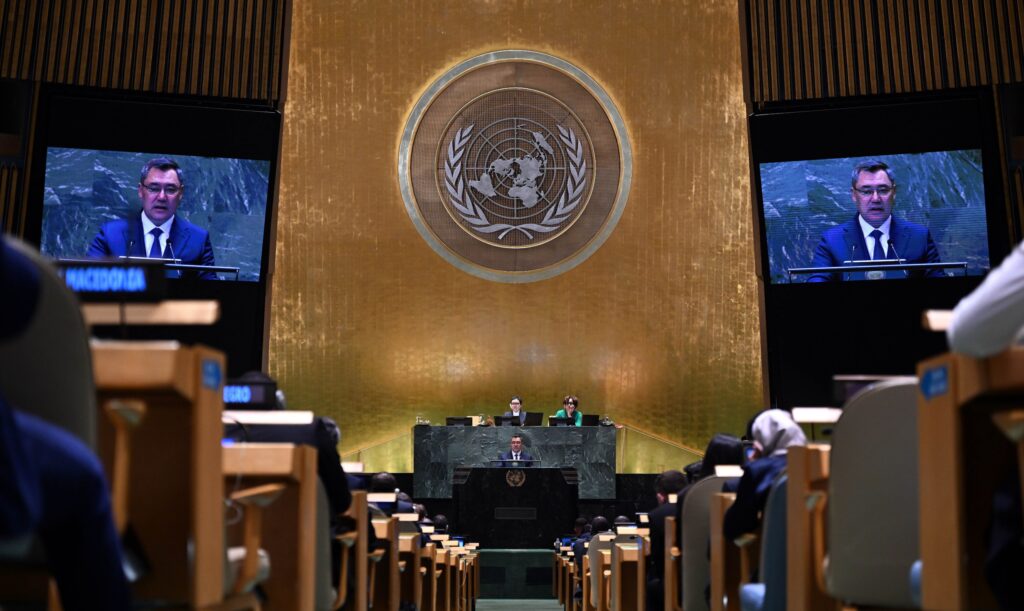
Speaking at the 79th session of the UN General Assembly in New York, Kyrgyz President Sadyr Japarov called on the global community to reduce arms spending and international tensions.

During the general debate, Japarov nominated Kyrgyzstan’s candidacy for the Security Council, saying the time has come to address historical injustices.

“If elected, Kyrgyzstan will work to improve the efficiency and transparency of the Security Council and to expand it with balanced regional representation. It is time to eliminate the historical injustice of 60 member states, including Kyrgyzstan, who have never been elected to the Security Council, and to correct the under-representation of African countries on the Council,” Japarov said.

The Kyrgyz leader said the world is becoming increasingly unpredictable and complex. He urged all states to continue to support the UN in its core mission of ensuring peace and preventing modern risks and threats in this “turbulent period.”

“Unfortunately, this is happening in a world where many nations and peoples still lack access to basic clean water, healthcare, and education. We need to ensure that the money that goes to wars, destruction, and death goes to creating or solving global challenges for all,” Japarov said.

The council has 15 members, including five permanent members. The next elections to the Council will be held in June 2026.

Kazakhstan to Cooperate with China and Russia in Combating Floods

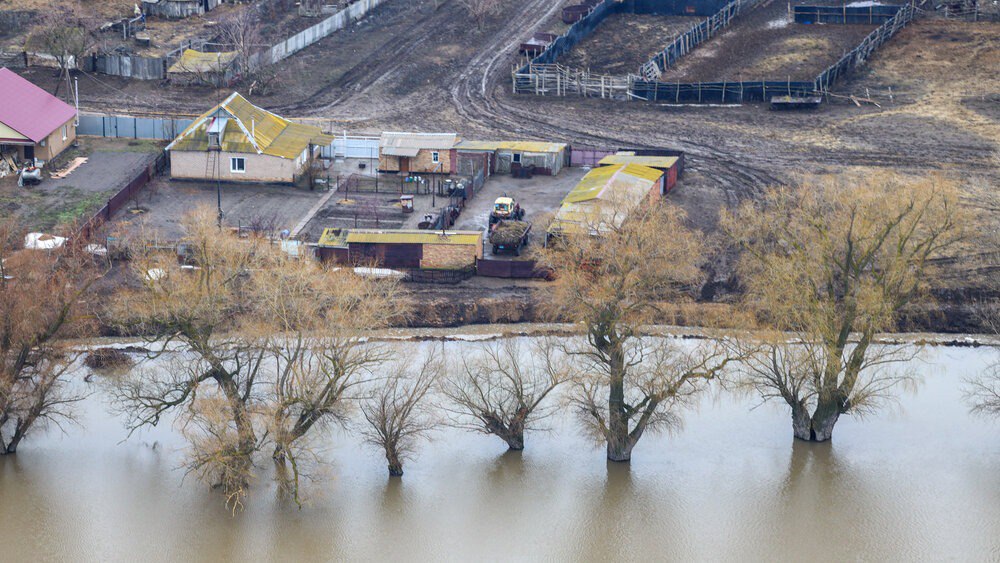
Kazakhstan’s Ministry of Water Resources and Irrigation will sign a memorandum of cooperation with the Ministry of Water Resources of China to combat future spring floods together. The Kazakh ministry has also agreed with Russia to create a joint working group to coordinate actions during spring flood periods.

Kazakhstan’s Minister of Water Resources and Irrigation, Nurzhan Nurzhigitov, announced this at a government meeting on September 24. The conference addressed eliminating the consequences of unprecedented spring floods in the country’s northern and western regions and preparing for future spring floods. Massive floods in the spring of 2024, caused by the rapid snow-melt, destroyed thousands of homes and forced almost 100,000 people to evacuate from flood zones. Much of the spring flood water comes to Kazakhstan via trans-boundary rivers flowing from Russia and China.

“To ensure the collection and safe passage of flood water in the future, the ministry plans to build 42 new reservoirs with a total capacity of 2.6 billion cubic meters, as well as to reconstruct 37 reservoirs with a total capacity of 3.7 billion cubic meters and about 14,500 km of irrigation canals. This year, the construction of two reservoirs in the Turkestan region and the reconstruction of three reservoirs in the Aktobe, Turkestan, and West Kazakhstan regions began,” Nurzhigitov stated, adding that the spring floods led not only to negative consequences, but also allowed reservoirs to collect more than twelve billion cubic meters of water used for economic needs.

As of the beginning of September 2024, 8.4 billion cubic meters of that water were used for agricultural purposes.

Nurzhigitov reported that the reservoirs of Kazakhstan’s northern, central, eastern, and western regions are now 80% full and added that the spring floods have also helped improve the environmental situation by directing excess water to places where it had not flowed for a long time. For example, 80 million cubic meters of flood waters were directed to the Kamysh-Samar lakes of the West Kazakhstan region. For the first time in decades, water arrived in the lakes of the Kyzylorda region through the Sarysu River. Since the beginning of the year, twelve billion cubic meters of water have been sent to Lake Balkhash, and 7.4 billion cubic meters to the Caspian Sea.

Nurzhigitov also stated that, together with the Ministry of Digital Development, Innovation, and Aerospace Industry, work is underway to create an information system for forecasting and modeling floods, which will be launched before the end of the year. “This information system will allow for flood forecasting to make strategic decisions. It will show potential flood risk zones on the map,” Nurzhigitov explained.

At the same meeting, Deputy Prime Minister Kanat Bozumbayev reported that the 2024 spring floods had affected more than 120,000 people across 12 regions. Bozumbayev emphasized that new housing for families affected by the flood was constructed in an unprecedentedly short space of time. In under four months, 2,576 new houses were built, and 5,767 houses and apartments were purchased on the secondary market. In addition, 9,156 homes were repaired.

UNDP Helps Entrepreneurs in Kyrgyzstan Master E-Commerce

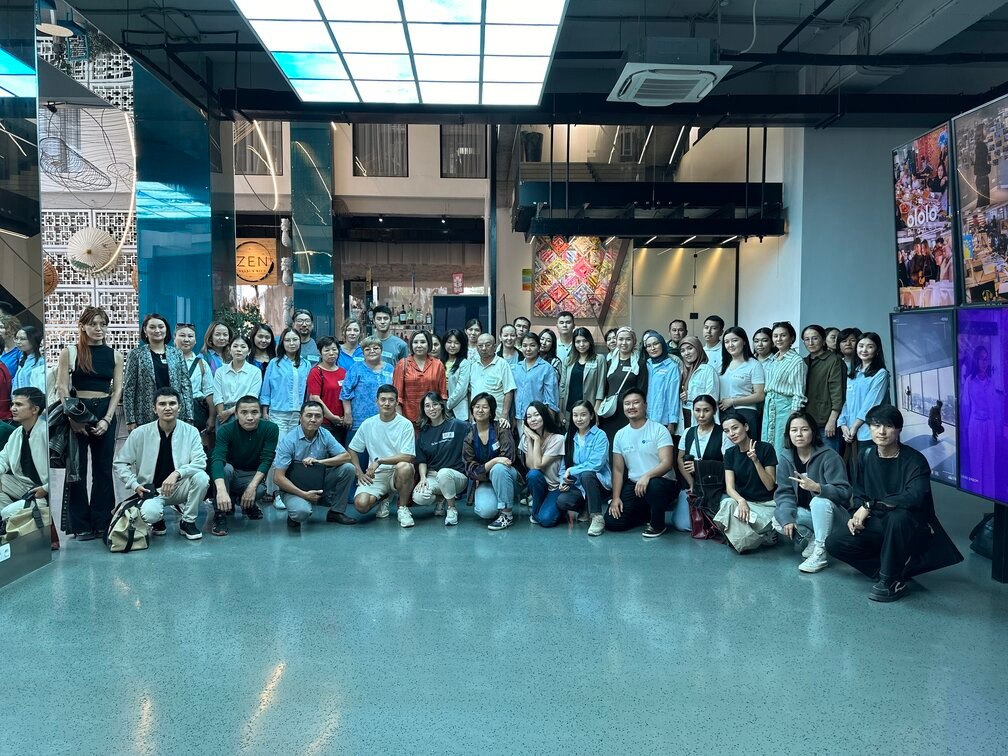
More than 50 entrepreneurs from Kyrgyzstan are learning about e-commerce through the “Janyration Sanarip” program, an initiative aimed at supporting micro, small, and medium-sized enterprises in the country, jointly implemented by the government of Kyrgyzstan and the United Nations Development Programme (UNDP), UNDP Kyrgyzstan reports.

According to Nazarbek Malayev, Kyrgyzstan’s Deputy Minister of Economy and Commerce, “E-commerce opens up unique opportunities for domestic entrepreneurs to enter international markets, expand their customer base, and improve the competitiveness of their products. The Government of the Kyrgyz Republic is trying to create a favorable ecosystem where digital technologies contribute to business development and improve citizens’ quality of life.”

Since 2019, e-commerce in Kyrgyzstan has been experiencing rapid growth, driven by the development of internet infrastructure and an increase in mobile payment users. However, the sector faces several challenges, such as a lack of consumer trust in online shopping and limited internet access in rural areas, where 60% of the population lives. In response to these challenges, the government launched the E-Commerce Development Program for 2023-2026, aimed at enhancing the competitiveness of local products in international markets and attracting investments. Within this initiative, UNDP provides comprehensive support to entrepreneurs, helping them acquire e-commerce skills and work effectively on global marketplaces.

UNDP Resident Representative in Kyrgyzstan, Alexandra Solovieva, commented: “Digitalization is a key factor in bridging the digital divide and accelerating Kyrgyzstan’s economic development. E-commerce improves access to services and creates new opportunities for local entrepreneurs. We are confident that the joint efforts of the Government and UNDP will contribute to sustainable and inclusive economic growth, particularly in rural areas where internet access remains limited.”

Five hundred forty-two applications were submitted for the program, and entrepreneurs were selected based on several criteria, including having an existing business in Kyrgyzstan and a personal investment of at least 80,000 KGS (almost $1,000). These entrepreneurs, representing key sectors such as garment manufacturing, tourism, honey production, light industry, services, and trade, were selected from all regions of the country.

Kyrgyzstan is the world’s 96th largest market for e-commerce, with a predicted revenue of more than $359 million in 2024, placing it ahead of Uzbekistan.
The country’s e-commerce revenue is expected to grow at a compound annual rate of 13.5% from 2024 to 2028, resulting in a projected market volume of $595.7 million by 2028.

Turkish Influencers to Help Open Kyrgyzstan to the World

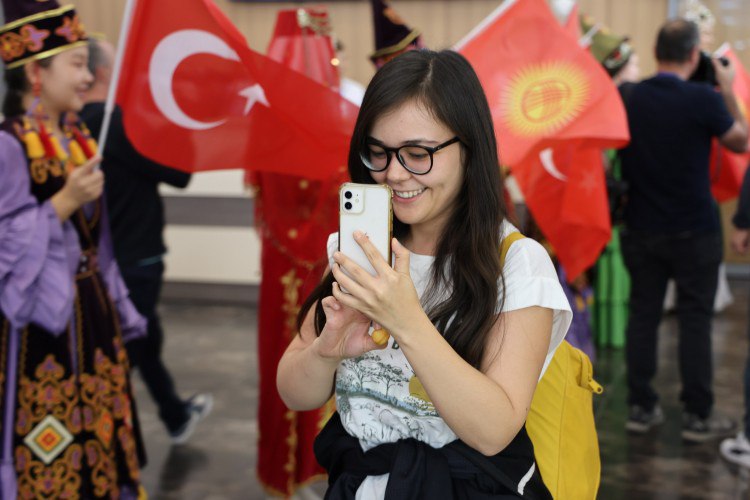
A group of popular Turkish bloggers arrived in Kyrgyzstan on September 24 to promote the country’s tourism potential.

Meeting the bloggers upon arrival at Bishkek’s Manas International Airport, the airport’s chairman Manasbek Samidinov commented: “Today, famous bloggers from the Turkish Republic, followed by millions of subscribers, arrived in Kyrgyzstan. From September 24 to 27, they will get acquainted with our country, explore its natural and cultural attractions, and personally experience the warm hospitality of the Kyrgyz people. The bloggers will show Turkey the best of Kyrgyzstan: our unique nature, culture, and hospitality, contributing to tourism development and opening our country to the world.”

On September 13, an agreement was signed to establish twinning relations between the Kyrgyz resort town of Cholpon-Ata by Lake Issyk-Kul and Turkey’s Antalya.

The twinning relations between the two resort cities will open up new prospects for interaction in various areas, including investment in tourism and infrastructure projects.

Kyrgyzstan is expected to receive more than 10.5 million foreign tourists in 2024, compared to 8.5 million tourists who visited the country in 2023.

Around 6.1 million foreign tourists visited Kyrgyzstan in the first eight months of 2024. Most came tfrom Uzbekistan, Kazakhstan, and Russia, followed by visitors from Turkey, China, India, Germany, Pakistan, the United States, and South Korea.

The tourism industry accounts for 2.7% of the country’s GDP.

Woman in Uzbekistan Tries to Exchange Daughter for a House

A 41-year-old woman who tried to exchange her 13-year-old daughter for a house in Samarkand has been sentenced to 5 years and two months in prison.

The woman, who had come to Samarkand to work, said that the family had no housing when she received an offer to exchange one of her three children for a house worth $25,000. She agreed and gave the person her middle daughter. After receiving some money, the woman went to a restaurant to celebrate the deal, where she was apprehended by law enforcement.

This is the woman’s second conviction. As a result, her children, including the 13-year-old girl, were put into under state guardianship. This case has had repercussions around the country, with citizens raising questions about the need to strengthen child protection and anti-trafficking measures in Uzbekistan.

Child trafficking in Uzbekistan remains a severe problem, despite government efforts to reduce it. According to the Trafficking in Persons Report, in 2019-2020, about 43% of reported trafficking offenses involved children. These cases often include the sale of infants and the involvement of medical personnel in illegal schemes. There has also been an increase in child trafficking in recent years due to economic hardship, especially in rural areas.

Ethnic Kazakhs Continue To Return to Kazakhstan

In 2024, a total of 12,325 ethnic Kazakhs returned to their ancestral homeland, gaining the status of “Kandas,” a term for ethnic Kazakhs and/or members of their families of Kazakh nationality who have not previously held citizenship of the Republic of Kazakhstan. Since independence, Kazakhstan has welcomed 1.14 million returnees. This year, 45.6% of the arrivals came from China, 39.2% from Uzbekistan, and the remainder almost exclusively from Turkmenistan, Mongolia, and Russia. As of September 1, 2024, the majority of these individuals are working-age adults (58.2%) with higher or secondary education. Many have secured employment and received support for resettlement in labor-deficient regions, such as Akmola and Kostanay.

Kazakhstan actively supports these returnees with relocation subsidies of 258,400 tenge ($540) per family member, and offers housing and utility subsidies for a year. Economic mobility programs also provide assistance towards purchasing housing and obtaining favorable mortgage rates. Furthermore, the process to obtain Kandas status has been streamlined, allowing applications through Kazakhstani embassies without the need to enter the country. This pilot program, started in 2023, has already processed 17,158 applications.

Since 2020, the term “Kandas,” meaning “tribesman” or “one-brother,” has replaced “Oralman,” reflecting a more positive and respectful connotation. This change is part of a broader effort to simplify citizenship processes for returnees, offering access to residency and citizenship through streamlined procedures, boosting the nation’s labor potential and economic growth.