• KGS/USD = 0.01144 0%
  • KZT/USD = 0.00209 0%
  • TJS/USD = 0.10528 0%
  • UZS/USD = 0.00008 0%
  • TMT/USD = 0.28571 0%
  • KGS/USD = 0.01144 0%
  • KZT/USD = 0.00209 0%
  • TJS/USD = 0.10528 0%
  • UZS/USD = 0.00008 0%
  • TMT/USD = 0.28571 0%
  • KGS/USD = 0.01144 0%
  • KZT/USD = 0.00209 0%
  • TJS/USD = 0.10528 0%
  • UZS/USD = 0.00008 0%
  • TMT/USD = 0.28571 0%
  • KGS/USD = 0.01144 0%
  • KZT/USD = 0.00209 0%
  • TJS/USD = 0.10528 0%
  • UZS/USD = 0.00008 0%
  • TMT/USD = 0.28571 0%
  • KGS/USD = 0.01144 0%
  • KZT/USD = 0.00209 0%
  • TJS/USD = 0.10528 0%
  • UZS/USD = 0.00008 0%
  • TMT/USD = 0.28571 0%
  • KGS/USD = 0.01144 0%
  • KZT/USD = 0.00209 0%
  • TJS/USD = 0.10528 0%
  • UZS/USD = 0.00008 0%
  • TMT/USD = 0.28571 0%
  • KGS/USD = 0.01144 0%
  • KZT/USD = 0.00209 0%
  • TJS/USD = 0.10528 0%
  • UZS/USD = 0.00008 0%
  • TMT/USD = 0.28571 0%
  • KGS/USD = 0.01144 0%
  • KZT/USD = 0.00209 0%
  • TJS/USD = 0.10528 0%
  • UZS/USD = 0.00008 0%
  • TMT/USD = 0.28571 0%

“Success is Possible in Kazakhstan”: An Interview with Fashion Brand Qazaq Republic

Qazaq Republic has become a popular brand among young people in Kazakhstan. The brand has become a success story for entrepreneurship within Kazakhstan and Central Asia. The Times of Central Asia spoke with Yermek Kazym, co-founder and CEO, to learn more about the brand, its message, and how it achieved its success.

TCA: Qazaq Republic celebrates Kazakhstan’s heritage through fashion. What inspired the brand’s creation, and what is its story?

When the founder of Qazaq Republic, Saken Joldas, was studying in the US, he would always bring gifts from Kazakhstan for his friends. But the available options were always uninspiring. This led him to dream about creating something more appealing to showcase modern Kazakhstan’s vibrant youth culture and style.

In 2016, when the mayor of Almaty announced a competition to design a new city logo, Saken shared his designs with the public. He created digital versions of the design to print on mugs and t-shirts and posted them on Facebook. The response from the community was incredible—people loved the concept and showed great interest in purchasing the items. That’s how the idea for the brand began to take form, starting right in his kitchen.

The first big order came from the Duty-Free store at Almaty Airport. They requested around 30 t-shirts to sell. As the business grew, Qazaq Republic was given space at the biggest toy and bookstore in Almaty, Meloman. With the rise in sales, we decided to open QR’s very first store. When designing it, we even considered adding a coffee shop in case the store didn’t work out.

QR’s first store opened in November 2019 on 47 Mametova street, but then the pandemic hit. While malls were closing, our store had the advantage of being a standalone store.

To help people feel better during difficult times, we created unique cotton masks with the phrase “Bari jaqsy bolady” (Everything will be alright). Instead of selling them, we gave them free of charge with orders over 5,000 tenge. Customers started placing smaller orders just to get these masks, giving us a strong sense of support and confidence that we were on the right track.

TCA: Could you walk us through the creative process of designing a typical Qazaq Republic collection?

We’ve built a solid foundation now. People used to think we were just buying ready-made items and putting our logo on them, but that’s not the case.

Like global brands such as Nike and Ikea, we design our products in Kazakhstan while outsourcing production and manufacturing to trusted partner factories in Turkey and China. We oversee every detail, from creating labels and designs to developing patterns, ensuring complete control over the process. This approach allows us to concentrate more on perfecting our products.

The brand’s uniqueness lies in creating products that make everyday life comfortable and functional while staying modern and high-quality.

TCA: Who is the target audience for Qazaq Republic, and how has it evolved since the brand’s inception?

When we first launched our brand, we assumed it would primarily appeal to tourists. However, over time, we noticed a strong interest from local customers. This led us to shift our focus to the local market gradually. Today, we proudly consider ourselves a leader in the local clothing industry. While our target audience is broad, we primarily focus on young people aged 18 to 35.

During the pandemic, hoodies gained popularity as remote work became the norm. The workplace mindset changed, and hoodies became more widely accepted after the pandemic, which helped drive our brand’s growth.

TCA: Are there specific markets outside Kazakhstan where Qazaq Republic has seen significant interest?

Yes, we’ve noticed influencers from various countries wearing our products. Recently, a girl from Kazakhstan sent one of our t-shirts to a popular Korean boy band, and the lead singer began wearing it on TV shows. The moment went viral on TikTok, creating a significant buzz.

I don’t think they were familiar with QR, but knowing that they probably receive thousands of gifts from fans worldwide, it’s amazing that the singer chose to wear our t-shirt for its design and product. It inspires us to believe our products can succeed in other markets as we consider expanding to markets like South Korea, China, and Europe.

TCA: What were your biggest challenges when launching and growing the brand?

The pandemic wasn’t a challenge for us. As people say, what doesn’t kill you makes you stronger.

However, we faced some difficulties, such as a budget shortfall and a decrease in our customers’ incomes due to the devaluation of the tenge. Our costs increased in dollars, but we couldn’t pass those extra expenses onto our customers, whose incomes were shrinking. As a result, we had to reduce our gross and profit margins.

With the growth of online marketplaces, people opt for cheaper products, making the competition even stronger. We’re not the cheapest, but we’re not the most expensive either, so we need to keep up with trends and highlight the quality of our products.

TCA: How do you see the Qazaq Republic contributing to Kazakhstan’s global awareness?

We hope to contribute positively. We want people traveling or studying abroad to wear our products with pride.

One of our goals is to become one of Kazakhstan’s top three brands. Forbes recently published a list of the top brands in Kazakhstan, with Air Astana, Rakhat, and Kaspi leading the pack, and we were number four. We aim to break into the top three.

We’re building a Kazakhstani brand that can compete with global brands in quality, style, and positioning. We hope foreign audiences will be intrigued by our products’ slogans and learn more about our rich culture. “Born Qazaq” isn’t just about patriotism; it means being born free.

We want people to explore and understand the meanings behind these phrases and gain interest in Kazakhstan’s culture.

TCA: Have you faced any challenges with competitors or people trying to replicate your business model? How do you feel about it?

Yes, we have. The apparel industry is one of the most fiercely competitive markets globally. To stay relevant and stand out, we must constantly compete with well-established international giants like Zara, H&M, Pull&Bear, and Bershka. To thrive, we offer unique designs, maintain high product quality, and build a strong connection with our audience.

After starting our company, many locals thought it was easy to just get t-shirts, put prints on them, and sell them. Some people even copied us, but I took it as a compliment. It encourages innovation and entrepreneurship. They’re paying for t-shirts and dealing with customs and taxes. Even if they fail, they’ll still gain valuable skills. This inspires me. It also sends a message to our people: if the Qazaq Republic can do it, so can others. Even if only one out of five similar companies succeeds, it will still boost our country.

In Uzbekistan, someone started a brand called “Uzbek Republic.” At first, we were jealous, but over time, we came to appreciate it and see it as a form of recognition.

We also began noticing counterfeit versions of our designs in local markets. While frustrating, it shows that our brand is growing and attracting attention.

TCA: What new directions or collaborations can we expect from Qazaq Republic in the coming years?

We’ve been brainstorming a lot with our teams. One area we’re expanding is our kids’ collection. My youngest child always complains that she can’t find anything to wear from our brand.

We’re also working on a more basic collection—something people can wear daily without a big logo. We’ll have a subtle, tone-on-tone logo that can be worn under jackets, offering a more minimalist look compared to some of our other designs.

We also plan to expand into online marketplaces in Europe, the US, and South Korea.

TCA: Are there plans to expand into other product lines, such as accessories and home decor?

A couple of years ago, we had big plans to launch a coffee chain and create a brand similar to Zara Home. However, we faced some challenges. Initially, we focused mainly on sales and didn’t pay enough attention to distribution. As a larger company, we have to make careful decisions and focus on our processes, or the market could overtake us.

TCA: Do you have any additional comments?

I’m really proud of my team. Many started with us as their first job, and we’ve grown together. Akmaral and Saken care about the employees, and there’s a lot of trust here. Some people have been with us since the beginning, and when we see that, we know we’re doing something right.

We’ve even won awards for our HR practices, and I’m very proud of our corporate culture. Our company has a lot of trust and love, so we don’t have to spend much time on internal issues, which lets us focus on improving externally. With this team, we can achieve big goals.

I hope we can inspire a new generation of entrepreneurs in Kazakhstan and show people that success is possible. There is so much talent here; we want to help nurture and develop it further.

To see the range click here: https://qazaqrepublic.com/

Global Ranking: Kazakhstan Has the Third-Highest Unemployment Rate in Eurasia

In the global ranking of unemployment rates for 2024, prepared by ILOSTAT, Kazakhstan placed 104th out of 187 countries with an unemployment rate of 4.8%.

According to analysts from Energyprom.kz, the worst unemployment rates were recorded in Eswatini (34.4%), South Africa (33.2%), and Djibouti (25.9%), while Qatar boasted the lowest rate globally at 0.1%.

In the Eurasia region Kazakhstan ranked third highest for unemployment, ahead of only Tajikistan (11.6%) and Azerbaijan (5.6%). The best performers in the region are Moldova (1.4%), Russia (2.5%), and Kyrgyzstan (3.3%). For context, the global average unemployment rate stood at 5%, with the Europe and Central Asia region slightly higher at 5.5%.

The Bureau of National Statistics of Kazakhstan (BNS) reported that by the end of Q3 2024, the country had 448,600 unemployed individuals – 0.6% fewer than during the same period in 2023. The official unemployment rate was 4.6%, with parity between urban and rural areas.

Family circumstances (100,200 cases), voluntary resignations (95,600 cases), and difficulties in finding employment (92,200 cases) were identified as the primary causes of unemployment.

In terms of job-seeking durations:

  • 127,500 individuals searched for less than a month.
  • 113,300 sought work for one to three months.
  • 124,600 for three to six months.
  • 36,800 for six months to a year.
  • 46,000 were unemployed for over a year.

A small fraction of the unemployed (332 individuals) had already initiated entrepreneurial ventures or secured employment arrangements.

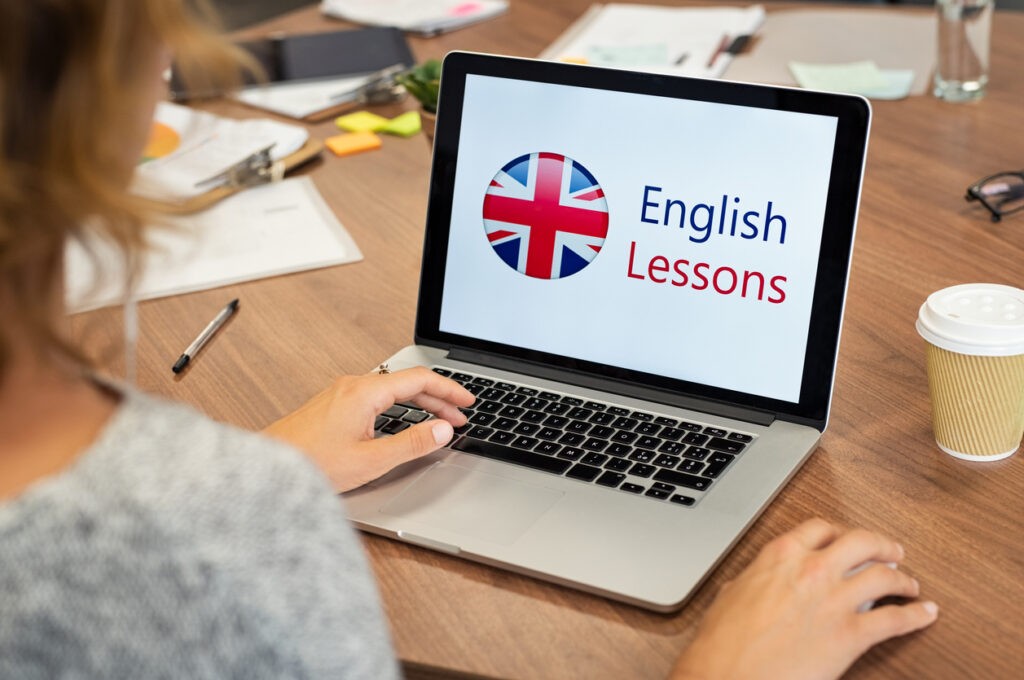
English Proficiency Index: Kazakhstan Still Among Least Fluent Countries

Kazakhstan ranks 103rd out of 116 countries in the 2024 EF English Proficiency Index (EF EPI), improving by just one position from the previous year. Despite this slight progress, the country remains in the group of nations with very low English proficiency, according to Ranking.kz analysts.

Leading the global rankings was the Netherlands, scoring 636 out of 700 points, followed by Norway, Singapore, Sweden, and Croatia. In the Eurasia region, Belarus and Russia performed best, achieving scores of 539 and 532 respectively, while Kyrgyzstan, Uzbekistan, and Tajikistan showed comparatively low results.

Regional and Historical Context

In Kazakhstan, the highest proficiency scores were recorded in Almaty (476 points) and the Almaty region (475 points), with Astana, Akmola, Kostanai, and Pavlodar regions also performing relatively well.

Since Kazakhstan’s first appearance in the EF EPI rankings in 2011, where it ranked last among 44 participants, little progress has been made. Current scores remain similar to those recorded over a decade ago.

Globally, English remains the most widely spoken language, with over 1.5 billion speakers in 2024, according to Ethnologue.

The Cost of Learning English in Kazakhstan

English education costs in Kazakhstan vary widely depending on the method of instruction:

  • Individual lessons: Average 96,000 KZT ($182) for a course of 12 sessions.
  • Private tutors: Range from 15,300 KZT ($29) to 54,000 KZT ($102) per month.
  • Online tutors: Cost between 48,000 and 96,000 KZT ($91 to $182) monthly.
  • AI-assisted classes: Start at 5,000 KZT ($9.5) and go up to 25,000 KZT ($47), depending on the number of assignments.
  • Group lessons: Range from 36,000 KZT ($68) to 64,000 KZT ($121) for 12 lessons.

In major cities, free courses and conversation clubs organized by libraries and language centers provide alternative learning opportunities.

The low level of English proficiency in Kazakhstan continues to be a pressing issue, requiring systematic reforms. Analysts emphasize that improving the situation will demand enhanced educational programs, more accessible learning opportunities, and greater public engagement in mastering the language.

Public Opinion Survey: One in Five Kazakhs Considering Emigrating

One in five Kazakhstanis is contemplating leaving the country, citing low income and a lack of confidence in the future as the primary reasons, according to a survey by the Bureau of Express Monitoring of Public Opinion DEMOSCOPE. The study, titled “Attitude of Kazakhstanis to the Problem of Brain Drain,” was conducted in partnership with the MediaNet International Journalism Center, PAPERLAB research center, and supported by the Konrad Adenauer Foundation. 

Migration Sentiment in Numbers

The survey revealed that:

  • 21% of respondents are considering emigration.
  • 6.9% intend to leave within the next two to three years.
  • 5.6% wish to move but lack the means to do so.
  • 8.4% are open to moving under certain conditions.

However, the majority – 78.5% – do not plan to emigrate in the foreseeable future.

Young and middle-aged respondents were the most interested in moving abroad. Among 18-29-year-olds, a quarter said that they wanted to emigrate, while nearly 30% of those in their 30s are considering relocation.

Reasons for Leaving

The top motivations for emigration included:

  • Higher wages (24.5%)
  • Better prospects for themselves and their children (23.9%)
  • Access to better jobs (14%)
  • Opportunities for quality education (11.7%)
  • Self-development (13.2%)
  • Improved healthcare services (4.9%)

Younger respondents were more focused on education and self-development, while older individuals prioritized long-term opportunities.

Emigration Trends and Impacts

Despite growing migration sentiments, official data for the first three quarters of 2024 show a positive migration balance. Over 20,000 people moved to Kazakhstan, while 10,200 emigrated.

However, the qualitative characteristics of migration raise concerns. Many who leave are skilled professionals, including engineers, economists, teachers, and lawyers. A detailed analysis of migration patterns highlights this trend.

Popular Destinations and Public Opinion

The most desired emigration destinations are:

  • United States (7.7%)
  • Russia (6.2%)
  • European countries (5.1%)
  • Turkey (4.6%)
  • Canada (2.6%)

However, 35% of respondents had no specific preference for a destination.

Societal attitudes toward emigration remain largely understanding, with 63.3% expressing support for those who choose to leave. Only 11.4% voiced disapproval.

Looking ahead, 39% of respondents anticipate a rise in the outflow of skilled workers, while 21.7% predict an increase in immigration to Kazakhstan.

Addressing the Brain Drain

Experts stress that mitigating the brain drain will require a systematic approach, including:

  • Improving living standards.
  • Enhancing access to quality education and healthcare.
  • Ensuring security and economic stability.

The survey, conducted across 17 regions of Kazakhstan, included 1,100 participants. The margin of error does not exceed 3% with a 95% confidence level.

Central Asia Attracted $24.8 billion in Investments in 2024

Despite global economic challenges, Central Asia has experienced growth in attracting foreign direct investment (FDI).

According to the United Nations Economic and Social Commission for Asia and the Pacific (ESCAP), investment in the region increased by 27%, reaching $24.8 billion in 2024. Kazakhstan and Uzbekistan have become the main centers of attraction for capital, offering investors significant opportunities in the energy sector and green technologies.

Uzbekistan attracted $4 billion in foreign investment, reflecting a 49% year-on-year decline. However, the country is actively developing sustainable environmental projects. South Korea’s Western Power plans to build a $152 million biofuel plant in Fergana region. The plant will process cotton stalks to heat greenhouses, which will replace coal and reduce emissions by 120,000 tons of CO2 over 10 years. This project reflects Uzbekistan’s policy of reducing dependence on fossil fuels and introducing “green” technologies.

Kazakhstan maintained its position as the regional leader in attracting investment, accounting for 63% of Central Asia’s total FDI. The country increased its investment inflow by 88%, reaching $15.7 billion. An important role was played by Qatari company UCC Holding, which invested $11 billion in the construction of two gas processing plants, a compressor station, and new main gas pipelines. These projects strengthen Kazakhstan’s role as a key energy hub in the region.

Kyrgyzstan recorded the highest relative growth in investment, increasing by 310% to $2.1 billion. Turkmenistan and Tajikistan received $339 million and $281 million, respectively.

As for outgoing investments, their volume from the region decreased by 58% to $2.3 billion. Russia remains the primary source of outgoing investments, accounting for 90% ($2.1 billion). Georgia invested $105 million, Azerbaijan $76 million, and Kazakhstan $47 million.

Digital Kazakhstan: Pioneering E-Government and AI Innovations Amid New Challenges

Kazakhstan has solidified its position as a global leader in digital transformation, ranking among the top 25 countries in e-government development and achieving significant milestones in IT innovation. After nearly two decades of digitalization efforts, the country is now aiming to surpass the most advanced nations.

The concept of e-government in Kazakhstan was first announced in former President Nursultan Nazarbayev’s address on March 19, 2004. That same year, a program for the establishment of e-government was approved, and the eGov.kz web portal was launched in 2006. Initially, the platform primarily provided informational services.

The second phase of e-government (2007–2008) introduced interactive services, allowing citizens to request certificates, submit inquiries to government bodies, and track their progress online. A key milestone was the establishment of Citizen Service Centers on January 5, 2007. Before the digital era, obtaining documents was a lengthy and cumbersome process, plagued by long queues and widespread corruption.

In 2024, digitalization in Kazakhstan reached new heights. The government reports that 92% of public services are now provided electronically. Innovations such as biometric identification and QR signatures have simplified access, with over eight million QR code signatures registered and more than 18 million identifications conducted through the Digital ID system this year, according to Kanat Tuleushin, the First Vice-Minister of the Ministry of Digital Development, Innovation, and Aerospace Industry (MCRIAP).

The modernization of the e-government platform is ongoing, with plans to transition to the third version of eGov. Additionally, IT services from Kazakhstan are now exported to 86 countries, with key markets including Russia, Ireland, Mexico, the United States, and Singapore. A central focus of the government strategy is the development of artificial intelligence (AI). In 2024, a draft law on AI was approved, and a Committee on AI was established to oversee the development of this field in the country.

Kazakhstan continues to modernize its e-government platform, with plans to transition to the third version of eGov. The country has also made strides in exporting IT services to 86 countries, including major markets like Russia, Ireland, Mexico, the United States, and Singapore. A key priority for the government is the development of artificial intelligence (AI). In 2024, a draft law on AI was approved, and a dedicated Committee on AI was established to oversee advancements in this area.

In the 2024 UN E-Government Development Index (EGDI), Kazakhstan ranked 24th among 193 countries, climbing four spots since the last assessment. The country also secured a place in the global top 10 of the Online Service Index (OSI), which evaluates the accessibility and quality of government-provided online services. South Korea leads the EGDI rankings, while Kazakhstan outpaces many of its regional neighbors, including Armenia (53rd), Russia (56th), Uzbekistan (59th), Kyrgyzstan (89th), and Turkmenistan (172nd).

Kazakhstan’s banking sector has also played a pivotal role in driving digital innovation. Major banks now integrate a wide range of public and business services into their apps. For example, Halyk Bank offers over 60 services, Kaspi.kz provides 40, Bank CenterCredit more than 30, and Freedom Bank is around 20.

Korlan Zhusupbayeva, an expert from the Eurasian Integration Institute, notes that digitalization tools not only improve sectoral policy efficiency, but also strengthen communication between the government and citizens. In his September address, President Kassym-Jomart Tokayev called for further digital transformation, emphasizing the need to modernize tax administration, create an integrated medical information system, and incorporate AI into the e-government platform.

Looking ahead, the government has ambitious plans for 2025, including laying a fiber-optic communication line across the Caspian Sea and launching the National Artificial Intelligence Center in Astana.

However, the rapid expansion of online services has also led to an increase in fraud cases. In October, police issued warnings about scams involving the eGov.kz portal and the 1414 information service. Criminals posing as government officials have been requesting personal data or payments for fictitious fines. Authorities have urged citizens to remain vigilant, stating, “Government agencies do not request information through calls or messages. If you receive a suspicious message, do not click on links or share your data.”

Kazakhstan’s remarkable progress in digitalization reflects its commitment to innovation and efficiency, but challenges remain as the country navigates the risks of an increasingly digital society.