• KGS/USD = 0.01144 0%
  • KZT/USD = 0.00211 0%
  • TJS/USD = 0.10460 0.19%
  • UZS/USD = 0.00008 0%
  • TMT/USD = 0.28490 0%
  • KGS/USD = 0.01144 0%
  • KZT/USD = 0.00211 0%
  • TJS/USD = 0.10460 0.19%
  • UZS/USD = 0.00008 0%
  • TMT/USD = 0.28490 0%
  • KGS/USD = 0.01144 0%
  • KZT/USD = 0.00211 0%
  • TJS/USD = 0.10460 0.19%
  • UZS/USD = 0.00008 0%
  • TMT/USD = 0.28490 0%
  • KGS/USD = 0.01144 0%
  • KZT/USD = 0.00211 0%
  • TJS/USD = 0.10460 0.19%
  • UZS/USD = 0.00008 0%
  • TMT/USD = 0.28490 0%
  • KGS/USD = 0.01144 0%
  • KZT/USD = 0.00211 0%
  • TJS/USD = 0.10460 0.19%
  • UZS/USD = 0.00008 0%
  • TMT/USD = 0.28490 0%
  • KGS/USD = 0.01144 0%
  • KZT/USD = 0.00211 0%
  • TJS/USD = 0.10460 0.19%
  • UZS/USD = 0.00008 0%
  • TMT/USD = 0.28490 0%
  • KGS/USD = 0.01144 0%
  • KZT/USD = 0.00211 0%
  • TJS/USD = 0.10460 0.19%
  • UZS/USD = 0.00008 0%
  • TMT/USD = 0.28490 0%
  • KGS/USD = 0.01144 0%
  • KZT/USD = 0.00211 0%
  • TJS/USD = 0.10460 0.19%
  • UZS/USD = 0.00008 0%
  • TMT/USD = 0.28490 0%

Kazakh Scientists Launch Medical Exoskeleton for Stroke Rehabilitation

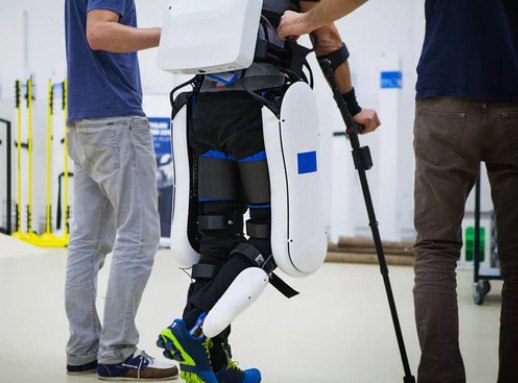
Researchers at Nazarbayev University have completed development and secured state registration for a medical exoskeleton designed to aid stroke rehabilitation. The device is now ready for clinical use and mass production, according to the university’s press service.

Named the Astana Gait Exoskeleton Assisted Rehabilitation (A.GEAR), the system is intended to help restore motor function in stroke survivors and individuals with musculoskeletal disorders. It received official certification following a positive evaluation from the National Center for Expertise of Medicines and Medical Devices. Nazarbayev University stated that this is one of the few high-tech medical solutions developed domestically that has received full clinical approval.

Cost efficiency is cited as A.GEAR’s main competitive advantage. According to project estimates, the exoskeleton is several times more affordable than foreign alternatives, reducing Kazakhstan’s reliance on imports and increasing accessibility to modern rehabilitation tools.

Professor Prashant Jamwal, the project lead, noted that it took just four years to progress from a lab concept to a certified medical product far shorter than the global average of 10 to 15 years. He added that the system could not only replace imported equipment but also reduce public expenditure on rehabilitation technologies.

The project began in late 2021 at the university’s Medical Robotics Competence Center. Clinical trials took place in Karaganda and Astana, involving stroke patients and adolescents with cerebral palsy. Following the successful trials, the team began negotiations for a long-term contract with SK-Pharmacy LLP and sought a commercial distributor.

Commercialization is being overseen by Robotics and Artificial Intelligence, led by Nazarbayev University graduate Shyngys Dauletbayev. In 2026, the university’s technopark aims to produce at least five exoskeleton units, with plans to scale production for distribution to medical institutions nationwide.

University President Professor Waqar Ahmad highlighted that Nazarbayev University researchers rank among the top 2% of scientists globally, based on a bibliometric analysis by Stanford University.

According to the Ministry of Health of Kazakhstan, approximately 40,000 people in the country suffer strokes annually, underlining a consistent demand for advanced rehabilitation solutions. As previously reported by The Times of Central Asia, Kazakhstan is also expanding the use of artificial intelligence for early diagnosis of strokes and cancer.

In the Line of Duty: Hazing, Tragedy, and Reform in Kazakhstan’s Armed Forces

Kazakhstan mandates universal military conscription for men between the ages of 18 and 27, with a standard service term of 12 months. Tens of thousands of young men are drafted into the military each year during two annual call-up periods. Evasion is illegal, yet public attitudes toward mandatory service are increasingly ambivalent.

Officially, military service is presented as an honorable civic duty, with promises of educational preferences and social benefits upon completion. In practice, many young Kazakhs seek ways to avoid conscription, motivated not just by the disruption of a year out of civilian life, but by fears of hazing and abuse.

‘Hazing’ refers to a covert system of informal hierarchy in which senior conscripts intimidate and mistreat new recruits.  Although the Ministry of Defense claims such practices were eradicated in the 2010s through reform and a transition to a mixed staffing model combining conscripts and contract soldiers, hazing has remained a persistent issue.

According to a Demoscope survey from September 2025, 37.8% of Kazakhstanis said violence and informal power structures in the army are excessive. Among respondents aged 18–29, support for a full transition to a professional contract army was significantly higher, reflecting broader concerns about conditions and safety. For many families, a draft notice is not a matter of honor but a potential sentence.

The Dark Side of the Barracks: Fatalities and Scandals

Kazakhstan’s armed forces have faced a troubling number of peacetime deaths in recent years, prompting growing public concern. Between 2020 and 2022, 259 servicemen died across the armed forces and other security agencies, with at least 11 more deaths reported in early 2023. In late 2025, MP Nartay Sarsengaliyev noted that 270 soldiers had died in three years.

In January 2026 alone, three incidents raised alarms: a National Guard serviceman died in Shymkent on January 6; another soldier died from a gunshot wound in Ust-Kamenogorsk on January 23; and a serviceman in the Zhambyl region died from a firearms injury on January 27. While the causes ranged from illness to the accidental mishandling of weapons, many families suspect hazing and abuse as underlying factors.

Several high-profile cases from 2025 further damaged public trust. In January, 18-year-old Dastan Kurmanbek was found dead from a gunshot wound in a Saryozek unit; the military declared it a suicide, but his family alleged murder. That spring, 18-year-old Salamat Sabitov, who was drafted despite serious health issues according to his family, died of meningitis just one month into his service. In September, 19-year-old Dinmukhamed Shynarbek was found dead in a military unit in the Almaty region; officials again claimed suicide, but relatives rejected the explanation and demanded an independent investigation.

Officers have also been implicated in violence. In summer 2024, a conscript in the Mangystau region was reportedly shot in the face by a superior officer. One of the most publicized cases was that of 22-year-old National Guard soldier Yerbayan Mukhtar, who suffered a severe head injury under suspicious circumstances in a barracks bathroom in December 2023. Though military doctors initially claimed he had fainted, his family pointed to a broken nose and multiple injuries as signs of assault. After 19 days in a coma, Yerbayan awoke with permanent brain damage and signaled to his mother that he had been attacked. The case, delayed for months, was eventually reclassified under a criminal statute for grievous bodily harm related to hazing.

The public outcry has grown with each successive incident, with relatives and activists taking to platforms like Instagram, TikTok, and Telegram to share their stories and demand justice. Yerbayan’s family, in particular, used social media to raise awareness and call for accountability. In November 2025, activists and the relatives of deceased and injured soldiers staged a peaceful protest outside the Ministry of Defense, demanding the reopening of investigations. Though some participants were briefly detained, their message resonated widely.

The movement reached the highest levels of government. President Kassym-Jomart Tokayev ordered the Prosecutor General to review the legality of investigations into military deaths, thrusting the issue of hazing into the national spotlight.

“I’m Afraid to Serve”: Voices from Kazakhstan

The wave of revelations has triggered deep unease among Kazakhstan’s youth. The following testimonies, gathered in early 2026, reflect personal perspectives from individuals grappling with the realities of military service. All surnames have been changed to protect their privacy.

Altair Omarov, 19, student, Almaty:

“I’m afraid to go into the army. News reports about deaths and abuse really make you think. My parents are worried; they’ve even looked into buying a military ID. It’s not just a lost year; it’s the uncertainty and pressure. The promised benefits seem questionable, too. Friends who served say they didn’t see any.”

Maksat Akhmetov, 24, former conscript, Astana:

“My service was fine, no serious incidents, but it depends a lot on the unit and leadership. Some teams are disciplined; others aren’t. I came back more organized, but I support switching to a professional army. Service isn’t for everyone.”

Aliya Muratova, 22, sister of a serviceman, Shymkent:

“When my brother was drafted, we were all anxious. After his return, he became withdrawn and irritable. He never mentioned anything specific, but you could tell it wasn’t easy.”

Daniyar Yessimov, 27, entrepreneur, Almaty:

“I didn’t serve. I focused on education and business. I’ve heard mixed stories; some say it built character, others talk about harsh conditions. I support a contract army. If people choose to serve, they’ll be more motivated.”

Reform or Silence: What Lies Ahead?

Has Kazakhstan reached a turning point on military reform? For the first time in years, hazing and the safety of conscripts are part of public discourse. Officials have been forced to act. As outlined in MoD statements following President Tokayev’s January 2026 address on military reforms, stronger oversight, new monitoring systems, and greater transparency have been pledged.

“In the army, there can be no place, and there will be no place for hazing, hooliganism, tribalism, or regional favoritism. I will personally oversee this,” Tokayev stated.

Tokayev sharply criticized military leadership for inadequate educational efforts and demanded immediate reforms.

Whether these developments will lead to systemic change or fade under institutional inertia remains uncertain. What is clear is that open discussion has shifted public expectations. The outcome now depends not on rhetoric but on implementation and whether Kazakhstan’s military can become a safer, more accountable institution for future generations.

Opinion: The New Silk Road to the Sea – Connecting Central Asia to Karachi and Gwadar

A historic shift is quietly but decisively reshaping the economic geography of Eurasia. On 5 February 2026, Pakistan and Kazakhstan agreed to elevate their bilateral relationship to a Strategic Partnership during the state visit of President Kassym-Jomart Tokayev to Pakistan— the first such visit by a Kazakh head of state in 23 years. This moment marked far more than a diplomatic renewal; it signaled a potential turning point in regional connectivity, one that could unlock long-suppressed economic potential across Central Asia and South Asia by overcoming longstanding geographical and logistical barriers.

For decades, Central Asia’s landlocked status has imposed structural constraints on its economic growth. High transit costs, dependence on distant or politically sensitive routes, and extended distances to global markets have eroded competitiveness and limited diversification. These challenges were not the result of a lack of resources or ambition, but of geography itself. However, geography need no longer be destiny. Through strategic foresight—particularly under President Kassym-Jomart Tokayev—Kazakhstan and the wider Central Asian region have begun to convert constraint into opportunity by redefining connectivity.

President Tokayev has consistently emphasized connectivity as the cornerstone of Kazakhstan’s long-term economic and strategic vision. During his engagements with Pakistan’s leadership, he demonstrated a clear understanding that sustainable prosperity for Central Asia depends on reliable, cost-effective access to warm-water ports. This conviction underpinned the decision to elevate Pakistan–Kazakhstan relations to a Strategic Partnership, recognizing Pakistan not merely as a bilateral partner, but as a gateway to global markets via the Arabian Sea.

From a financial and logistical perspective, the implications are profound. Karachi and Gwadar are among the closest seaports to much of Central Asia, significantly closer than many traditional routes to global markets. Every additional kilometer of overland transit results in higher freight costs, longer delivery times, and reduced margins. By connecting Central Asia to Pakistani ports, Kazakhstan and its neighbors stand to substantially lower transportation costs, enhance export competitiveness, and attract greater foreign investment into manufacturing, mining, agriculture, and value-added industries.

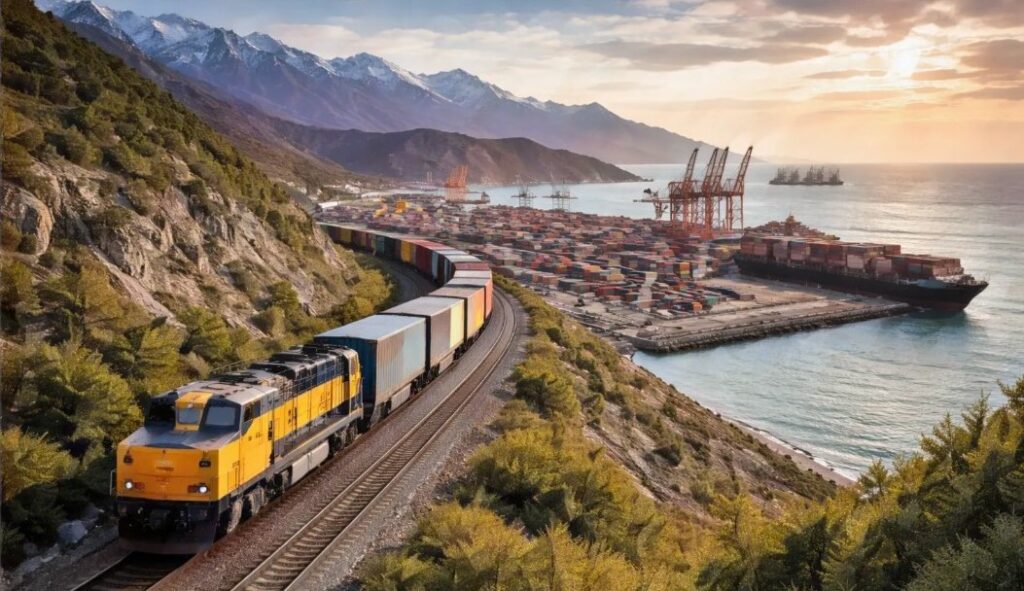
The most immediate and strategically sound connectivity model emerging from this partnership bypasses the troubled terrain of Afghanistan, long viewed as a chokepoint for regional trade. Under this framework, goods could move seamlessly from Karachi through Pakistan’s railway network to Haripur, then onward via the Karakoram Highway into China. From there, the cargo would seamlessly integrate with the China–Kazakhstan railway system through the established Dostyk–Alashankou corridor. This route is not theoretical; it builds on existing infrastructure, proven logistics, and political stability across all participating states.

Financially, this corridor offers predictability—an essential ingredient for trade and investment. Reduced insurance premiums, fewer delays, and stable regulatory environments translate into lower transaction costs. For Central Asian exporters, particularly Kazakhstan, this means improved access to South Asian, Middle Eastern, and African markets. For Pakistan, it positions Karachi and Gwadar as indispensable nodes in Eurasian supply chains, generating port revenues, transit earnings, employment, and industrial growth.

At the same time, Kazakhstan’s leadership has demonstrated pragmatic flexibility by supporting additional connectivity options. Regional discussions have included the possibility of linking the Quetta–Chaman railway with Uzbekistan, with Russia expressing intent to technically support the design of the Trans-Afghan railway. This proposal aligns with the broader Uzbekistan–Afghanistan–Pakistan railway project, a 573-kilometer initiative connecting Tashkent to Kabul and onward to Peshawar via Termez and Mazar-i-Sharif.

This project, though traversing Afghan territory, is designed to dramatically improve regional logistics efficiency. Estimates suggest it could reduce cargo transportation time and costs by 30 to 40%—an extraordinary gain in trade economics. Russia’s technical support adds engineering credibility, while Central Asian participation underscores a shared belief that long-term regional stability is best achieved through economic integration rather than isolation.

Importantly, the China-linked corridor and the Trans-Afghan railway should be viewed not as rivals, but as complementary pathways within a diversified connectivity architecture. President Tokayev’s approach reflects an understanding of risk management: multiple routes create resilience. In a world of geopolitical uncertainty, redundancy in supply chains is no longer a luxury—it is a necessity.

This emerging network of railways, highways, and ports is not merely about moving goods; it is about restructuring economic relationships. For Central Asia, improved access to Pakistani ports enables industrial diversification beyond raw material exports. For Pakistan, it opens vast Central Asian markets to its manufacturers, agribusinesses, and service providers. For South Asia and Central Asia together, it creates a shared economic space where growth in one region reinforces prosperity in the other.

What makes this transformation particularly significant is the leadership driving it. President Tokayev has placed connectivity at the center of Kazakhstan’s national strategy, recognizing that infrastructure is the foundation upon which economic sovereignty is built. His engagement with Pakistan reflects a forward-looking diplomacy that prioritizes tangible outcomes over rhetoric. It is this clarity of vision that allows Central Asia to overcome the structural disadvantages of being landlocked.

Pakistan, for its part, has begun to reimagine its own geography—not as a peripheral state, but as a central connector between regions. By aligning its infrastructure planning with Central Asian needs, Pakistan positions itself as a bridge between Eurasia and the Indian Ocean. The Karachi–Haripur–KKH–China–Kazakhstan corridor is a manifestation of this shift, grounded in economics, logistics, and mutual trust.

The elevation of Pakistan–Kazakhstan relations to a Strategic Partnership thus represents the convergence of geography, leadership, and economic logic. It reflects an understanding that prosperity in the 21st century will belong to regions that connect rather than compete, integrate rather than isolate. Central Asia’s historical barriers—distance, landlocked geography, and fragmented routes—are being systematically dismantled through vision and cooperation.

As these corridors take shape, the benefits will extend beyond trade statistics. They will foster people-to-people contact, technology transfer, energy cooperation, and regional stability. They will give Central Asia greater strategic autonomy and South Asia deeper economic integration with Eurasia. Above all, they will demonstrate that with leadership—such as that shown by President Tokayev—geography can be transformed from a constraint into a catalyst for shared prosperity.

This is not merely the opening of a new trade route; it is the beginning of a new Eurasian chapter, one in which Central Asia finally overcomes its logistical barriers and reclaims its historic role as a crossroads of global commerce, connected directly to the world through Pakistan’s ports and sustained by strategic partnership, economic realism, and long-term vision.


The views expressed in this article are those of the author and do not necessarily reflect the official policy or position of the publication, its affiliates, or any other organizations mentioned.

Kazakh Startup Higgsfield Becomes AI Unicorn, Signaling Nation’s Tech Aspirations

When Kazakh AI startup Higgsfield announced an $80 million funding round this month, its valuation soared past $1.3 billion, officially granting it “unicorn” status. For Silicon Valley observers, it marked another chapter in the ongoing boom in AI. But for Kazakhstan, a country seldom spotlighted in global tech circles, the milestone carries broader significance: the emergence of a homegrown company with global reach and competitiveness.

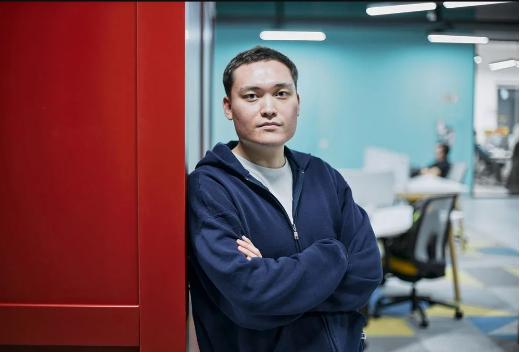
Higgsfield was co-founded by 29-year-olds Erzat Dulat and Alex Mashrabov. The startup focuses on AI-generated video tools tailored for marketing and social media use and currently reports annual revenue of $200 million. Remarkably, the company reached $10 million in recurring revenue within just a few weeks, a rare achievement, even in the fast-paced AI sector. Leading venture capital firms, including Accel, GFT Ventures, and Menlo Ventures, cited this momentum as a key factor behind their investment.

Rather than competing directly with giants like OpenAI or Google, Higgsfield leverages existing AI models to build practical tools for businesses. Its platform targets marketers, creative agencies, and social media professionals, an expanding segment that some analysts believe could rival traditional entertainment industries like Hollywood in both scale and value.

The company’s success has not gone unnoticed by Kazakhstan’s leadership. President Kassym-Jomart Tokayev recently met with Dulat and Murat Abdrakhmanov, founder of the venture capital platform MA7 Ventures, to discuss artificial intelligence’s role in government, economic development, and national tech strategy. Tokayev praised Higgsfield as a model of Kazakh innovation with global potential and reaffirmed the country’s goal of becoming a launchpad for IT companies that can scale internationally without relocating abroad.

Dulat noted that roughly 95% of Higgsfield’s workforce is Kazakh, highlighting the strength of the country’s domestic talent pool. He also expressed readiness to partner with the government on workforce development and AI-focused education initiatives. Abdrakhmanov emphasized that building a strong venture capital ecosystem is essential to Kazakhstan’s technological future and argued that the country is well-positioned to play a greater role in global investment networks.

The meeting reflects a broader shift among emerging tech economies: instead of serving merely as consumer markets, they are increasingly aiming to foster globally competitive companies while retaining talent and intellectual property at home.

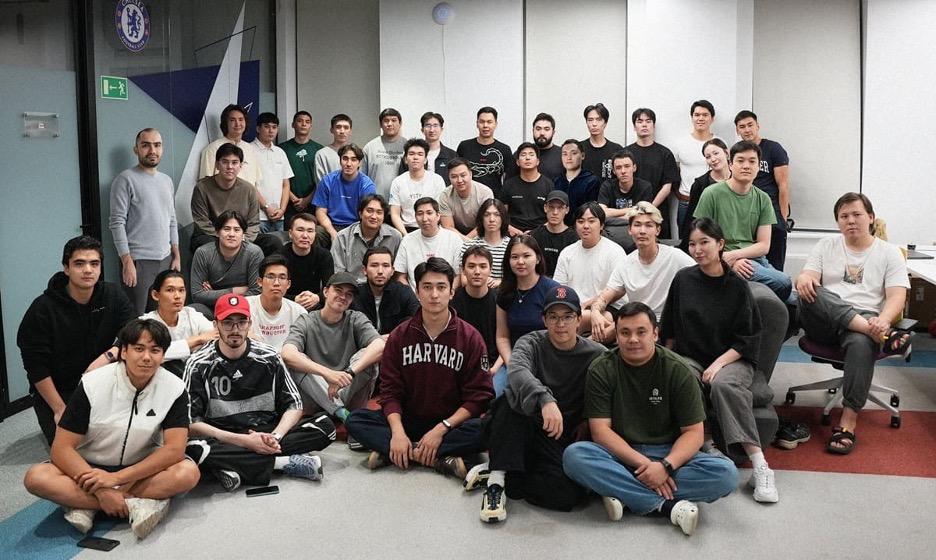
Higgsfield’s team @digitalbusiness.kz

Nonetheless, challenges remain. The AI-generated video market is highly competitive. Higgsfield plans to scale its team from 70 to 300 employees by year’s end, a move that will test its organizational capacity. Regulatory and ethical concerns around synthetic media also remain unresolved.

Still, Higgsfield’s rapid rise underscores that AI innovation is no longer confined to traditional power centers like Silicon Valley, Beijing, or Europe. It offers a compelling example of Kazakhstan’s growing ambition to establish itself as a meaningful player in the global technology economy. For U.S. investors and tech analysts, it’s a reminder that the future of AI may be shaped as much by emerging markets as by established ones.

Iran Sanctions and European Energy Security: Compliance Considerations for Caspian Trade

On February 6, 2026, the United States announced  a new round of sanctions targeting Iranian petroleum shipping networks, designating 15 entities, two individuals, and 14 vessels involved in transporting Iranian oil and petroleum products in circumvention of existing restrictions. Taken pursuant to existing executive authorities and aligned with National Security Presidential Memorandum-2 (NSPM-2), the measures reflect an intensified U.S. enforcement focus on maritime intermediaries and logistics networks, including Iran’s “shadow fleet.” While the sanctions target Iranian petroleum trade, they reinforce existing risk considerations in shared maritime spaces where sanctioned and non-sanctioned trade operate in proximity, including jurisdictions in formal compliance with U.S. and international sanctions regimes.

The recent announcement is an extension of the U.S. Treasury’s existing sanctions measures against Iranian petroleum shipping and associated logistics networks, with implications for compliance and due-diligence processes.  It does not impact lawful energy exports and commercial trade via the Caspian Sea that involve other littoral states including Kazakhstan, Azerbaijan, or Turkmenistan, whose energy exports and financial institutions operate in compliance with applicable Office of Foreign Assets Control (OFAC) regulations.

Recent additions to the Specially Designated Nationals (SDN) List include individuals and entities linked to 18 jurisdictions including the United Kingdom, Turkey and the UAE, with one entity co-domiciled in Kazakhstan and Georgia, the latter being a corridor country bordering Azerbaijan.

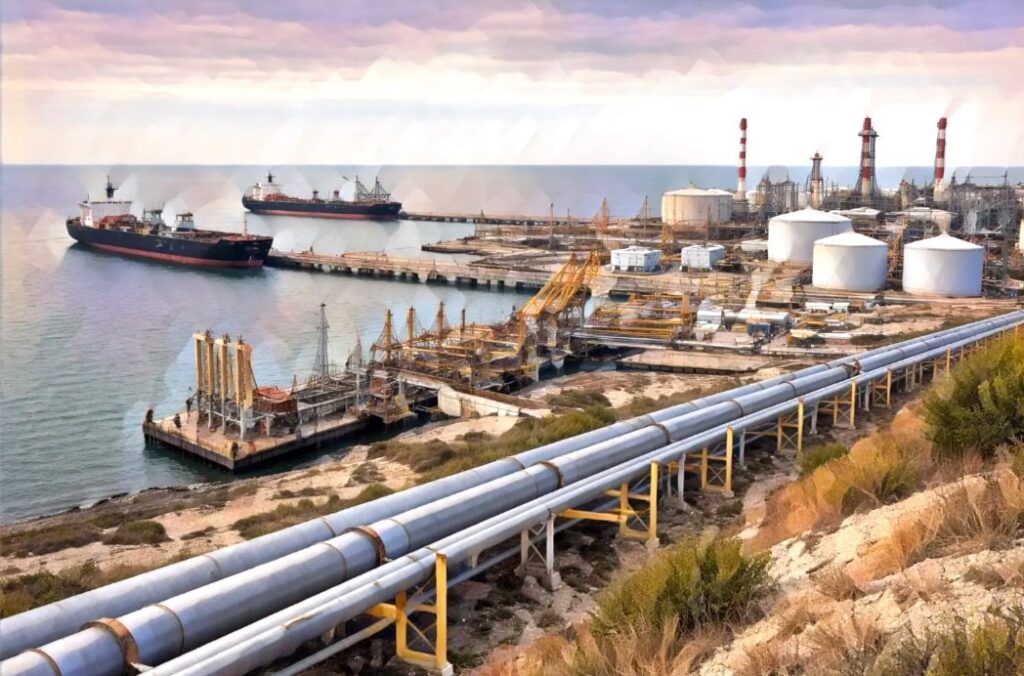
As Central Asia’s largest oil and gas producer, Kazakhstan relies heavily on the Caspian Sea as a critical route for energy exports and associated cargo. While most Kazakh crude reaches global markets via pipelines, the Caspian remains essential for regional trade connectivity, particularly through the port of Aktau and related terminals. Kazakhstan is also a significant supplier of crude oil to European markets, contributing to the continent’s diversification away from Russian energy sources and making the reliability of its export routes relevant to European energy security.

Kazakhstan’s exposure to sanctions risk in the Caspian Sea is fundamentally structural rather than policy-driven and is shared with other non-sanctioned shoreline states, namely Azerbaijan and Turkmenistan. Bordered by Russia and Iran—both of whom are heavily sanctioned by the U.S. and EU— the Caspian’s shared maritime space places regional infrastructure in an operating environment where vessels, cargoes, and service providers may be indirectly affected by international restrictions on Russian and Iranian trade. These spillover risks extend across the basin regardless of the compliance posture of individual entities or the policy intent and regulatory efforts of the host states.

Recent U.S. policy developments, including NSPM-2, have increased the relevance of these structural conditions by clarifying enforcement priorities under existing sanctions authorities with a focus on the conduct of non-sanctioned actors whose activities may be seen as facilitating sanctioned revenue generation. Enforcement practice emphasizes facilitation, awareness, and the adequacy of compliance controls—and increasingly encompasses maritime intermediaries such as ports and port operators, shipping companies, transshipment facilities, insurers, financiers, and other logistics service providers. As a result, Caspian transit pathways may face heightened compliance and due-diligence expectations in certain scenarios, even when handling non-sanctioned cargo for lawful trade.

Operational indicators suggest that Kazakhstan, Azerbaijan and Turkmenistan, as well as their businesses, continue to face a more conservative compliance environment, reflecting longstanding scrutiny of Caspian-linked transactions. Banks with access to U.S. dollar clearing and Western correspondent networks have applied more rigorous guidance from US Treasury’s Office of Foreign Asset Control (OFAC) to such activity, resulting in longer processing timelines and higher compliance costs for lawful trade, consistent with the designation of additional Iranian-linked entities and vessels.

Kazakhstan’s ability to manage these pressures is supported by its comparatively strong anti-money-laundering and counter-terrorist-financing (AML/CFT) framework, as assessed by the Financial Action Task Force (FATF) including in the 2023 Mutual Evaluation Report. Relative to other Central Asian and Caspian states, Kazakhstan demonstrates higher levels of technical compliance and institutional effectiveness and is not designated as a strategically deficient jurisdiction by FATF. While this does not entirely eliminate exposure arising from geographic proximity to sanctioned jurisdictions and shared transit environments, it provides a stronger institutional basis for meeting heightened due-diligence expectations and for signaling regulatory reliability to international partners.

Kazakhstan and Azerbaijan occupy a dual position in the Caspian as both operators in a complex regional environment for crude transport and maritime logistics and as key non-Russian energy suppliers to European markets. Turkmenistan, a major gas producer, operates in the same Caspian maritime environment. For all three, the challenge is primarily operational, requiring heightened transparency, due diligence, and oversight of intermediaries linked to Russian and Iranian trade. Effective management of these requirements supports access to international finance and reinforces the role of Caspian states as reliable energy and transit partners for European markets.

Uzbek Pianist Delivers “Blazing” Performance with National Symphony Orchestra in DC

Uzbek pianist Behzod Abduraimov has performed with the National Symphony Orchestra at the Kennedy Center in Washington, D.C., in the American orchestra’s first performance there since President Donald Trump said he was closing the performing arts venue for two years starting in July.

Abduraimov joined Italian conductor Gianandrea Noseda and the orchestra at the center on Thursday night, with performances scheduled on Friday and Saturday.

The pianist delivered a “blazing” debut with the orchestra – also known by its acronym NSO – with his performance of Tchaikovsky’s Piano Concerto No. 1, the Washington Classical Review reported.

“The display of technical acumen and musical sensitivity measured up to the expectations set by the Uzbek pianist’s astounding performance of this concerto with the Baltimore Symphony Orchestra in 2023,” the review said. “Throughout the three movements, Noseda and his soloist seemed entirely in sync with one another, and the NSO likewise exuded confidence.”

“Proud to see Uzbek talent shine on the global stage!” Furqat Sidiqov, Uzbekistan’s ambassador to the United States, said on X.

Trump said on February 1 that he would close the Kennedy Center for construction, in a decision that followed cancellations by performers after the president replaced trustees on the center’s board and added his name to the building. The new board members voted for the addition of Trump’s name, though critics and some lawmakers say that only Congress can legally change the name of the federal institution.

The center is the main performing venue for the National Symphony Orchestra, so the plan to close it is of particular concern for its musicians.

Still, with Abduraimov’s support, the orchestra performed with professionalism, starting out with a rendition of the national anthem for the big crowd.

Born in Tashkent, 35-year-old Abduraimov has performed with many leading orchestras and at top international festivals.