• KGS/USD = 0.01144 0%
  • KZT/USD = 0.00212 0%
  • TJS/USD = 0.10456 0.19%
  • UZS/USD = 0.00008 0%
  • TMT/USD = 0.28490 0%
  • KGS/USD = 0.01144 0%
  • KZT/USD = 0.00212 0%
  • TJS/USD = 0.10456 0.19%
  • UZS/USD = 0.00008 0%
  • TMT/USD = 0.28490 0%
  • KGS/USD = 0.01144 0%
  • KZT/USD = 0.00212 0%
  • TJS/USD = 0.10456 0.19%
  • UZS/USD = 0.00008 0%
  • TMT/USD = 0.28490 0%
  • KGS/USD = 0.01144 0%
  • KZT/USD = 0.00212 0%
  • TJS/USD = 0.10456 0.19%
  • UZS/USD = 0.00008 0%
  • TMT/USD = 0.28490 0%
  • KGS/USD = 0.01144 0%
  • KZT/USD = 0.00212 0%
  • TJS/USD = 0.10456 0.19%
  • UZS/USD = 0.00008 0%
  • TMT/USD = 0.28490 0%
  • KGS/USD = 0.01144 0%
  • KZT/USD = 0.00212 0%
  • TJS/USD = 0.10456 0.19%
  • UZS/USD = 0.00008 0%
  • TMT/USD = 0.28490 0%
  • KGS/USD = 0.01144 0%
  • KZT/USD = 0.00212 0%
  • TJS/USD = 0.10456 0.19%
  • UZS/USD = 0.00008 0%
  • TMT/USD = 0.28490 0%
  • KGS/USD = 0.01144 0%
  • KZT/USD = 0.00212 0%
  • TJS/USD = 0.10456 0.19%
  • UZS/USD = 0.00008 0%
  • TMT/USD = 0.28490 0%

Eight Men from Tajikistan, Suspected of Terror Links, Face Deportation from U.S.

Authorities in the U.S. have arrested eight people from Tajikistan who have possible ties to the Islamic State group, according to U.S. media reports.

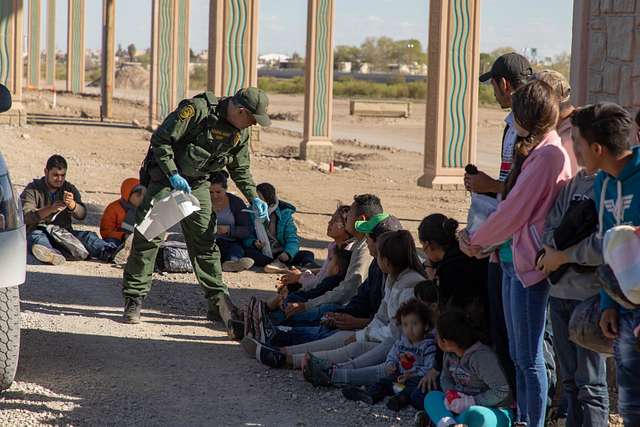
The men had entered the United States through the southern border with Mexico after background checks failed to turn up any security concerns and were detained this past weekend in New York, Philadelphia and Los Angeles, according to the reports on Tuesday. The reports cited officials who were familiar with the investigation and requested anonymity.

Agents from the U.S. Immigration and Customs Enforcement, or ICE, arrested the men on immigration charges after being alerted by the FBI’s Joint Terrorism Task Forces of their possible links to the terror group, according to the sources.

“At least two of the men crossed the border in the spring of 2023 and one of those men used the CBP One app, created by the Biden administration to allow migrants to book appointments to claim asylum, those officials say, NBC News reported. “The FBI’s Joint Terrorism Taskforce has been aware of a potential terror threat originating in Central Europe and began monitoring these men as part of that investigation, three sources say.”

ABC News carried a similar report, saying U.S. authorities had “uncovered derogatory information indicating ties or affiliation” with the Islamic State.

“Efforts are underway to deport the suspects as currently authorities have not developed enough evidence to bring any terrorism charges,” ABC said.

Several men from Tajikistan were among suspects arrested for the killing of more than 140 people in an attack on the Crocus City Hall, an entertainment venue, on the outskirts of Moscow on March 22. The Islamic State group, which has recruited some people from Central Asia, claimed responsibility. The extremist group has disseminated propaganda in languages including Tajik and Uzbek.

Earlier this year, ICE agents arrested an Uzbek man with alleged Islamic State ties after he had been living in the United States for over two years, U.S. officials said. The man, Jovokhir Attoev, was held after crossing the southern border in 2022, but later released. In May 2023, Uzbekistan put out a notice saying Attoev was wanted for his alleged links to the militant organization.
EU and Kazakhstan Launch Coordination Platform of Trans-Caspian Transport Corridor

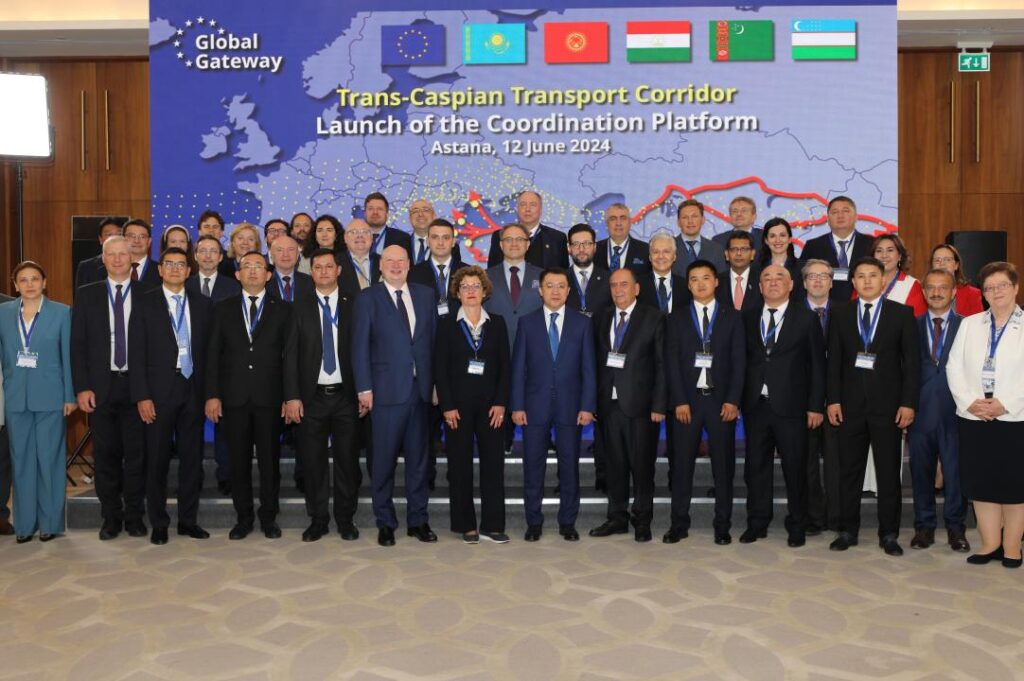
On 12 June, the European Commission and Kazakhstan launched the Coordination Platform for the Trans-Caspian Transport Corridor, also known as the Trans-Caspian International Transport Route (TITR) or the Middle Corridor, in Astana.

According to Kazakhstan’s Ministry of Transport, the newly established Coordination Platform will improve the safety and sustainability of the Trans-Caspian Transport Corridor and turn it into a multimodal and competitive route linking Europe and Asia in 15 days or less.

The event was attended by representatives of Central Asian countries and other states sited along the corridor, as well as international financial institutions and non-EU G7 countries.

Emphasizing the critical development of transport infrastructure and strengthening transport links for the regions’ economic growth and prosperity, Marat Karabayev, Minister of Transport of Kazakhstan, stated: “The establishment of the Coordination Platform provides us with a unique opportunity to join forces, exchange experience and perspectives to reach common goals. I would like to note that our partners from Armenia, Azerbaijan, Georgia, as well as Turkey have been invited to join this effort, which plays an important role in terms of achieving major and sustainable goals for the development of the Trans-Caspian International Transport Route.”

The Minister of Transport expressed gratitude to the European Union for its invaluable support and efforts towards the development of Central Asian countries.

Speaking at the event, Henrik Hololei, Hors-Classe Adviser at the Directorate-General for International Partnerships in the European Commission, stated: “The Coordination Platform created for the Trans-Caspian Transport Corridor marks a significant step forward in our cooperation to bring Central Asia and Europe closer together. Sustainable transport connections are crucial for consolidating the region’s economic growth and connectivity with Europe.”

Ms. Maja Bakran, Deputy Director General for Mobility and Transport at the European Commission, then added: “The Coordination Platform will be instrumental in making the Trans-Caspian Transport Corridor a multimodal, modern, competitive, sustainable, predictable, smart and fast route linking Europe, the Caucasus and Central Asia. The coordination efforts among the various stakeholders will drive forward deeper connections and contribute to sustainable economic development of the region.”

The Platform’s key objectives are to promote the corridor and coordinate efforts on the implementation of priority hard and soft infrastructure projects in Central Asia. It will also boost and coordinate investments in rail, road, and port infrastructure.


Kazakhstan and Congo Ready to Cooperate in Oil and Gas

On June 11, Chairman of the Board of Kazakhstan’s national oil and gas company KazMunayGas (KMG), Askhat Khasenov attended a meeting in Astana with Adviser to the President of the Republic of Congo for strategic issues and international negotiations, Francoise Joly, and General Director of Congo’s national petroleum company SNPC (Societe nationale des petroles du Congo), Maixent Raoul Ominga.

The Congolese officials opened discussions by stating that after Nigeria and Angola, their country is Africa’s third largest player in the oil and gas sector. It was stated that whilst SNPC actively cooperates with international companies (Total Energies, Chevron, Eni), the company seeks to attract new investments to maximize the potential of its energy projects.

The parties exchanged views on potential cooperation in the oil and gas sector, including trade in oil and petroleum products and human capital development, and agreed to work towards the signing of a cooperation agreement between KMG and SNPC.

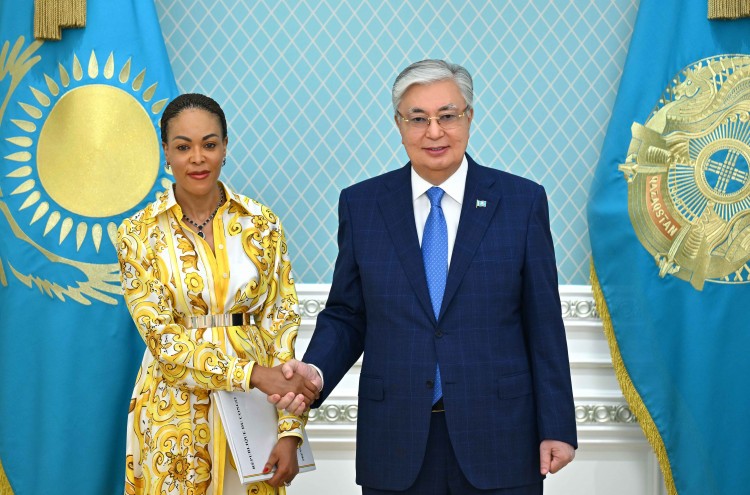
On 10 June, in preparation for the state visit of  the President of the Republic of Congo, Kazakhstan President Kassym-Jomart Tokayev received Ms. Joly.

In addition to identifying promising areas of bilateral cooperation, Tokayev expressed his readiness to strengthen contacts with the Republic of Congo.


U.S. Program Promotes Women Entrepreneurship in Turkmenistan

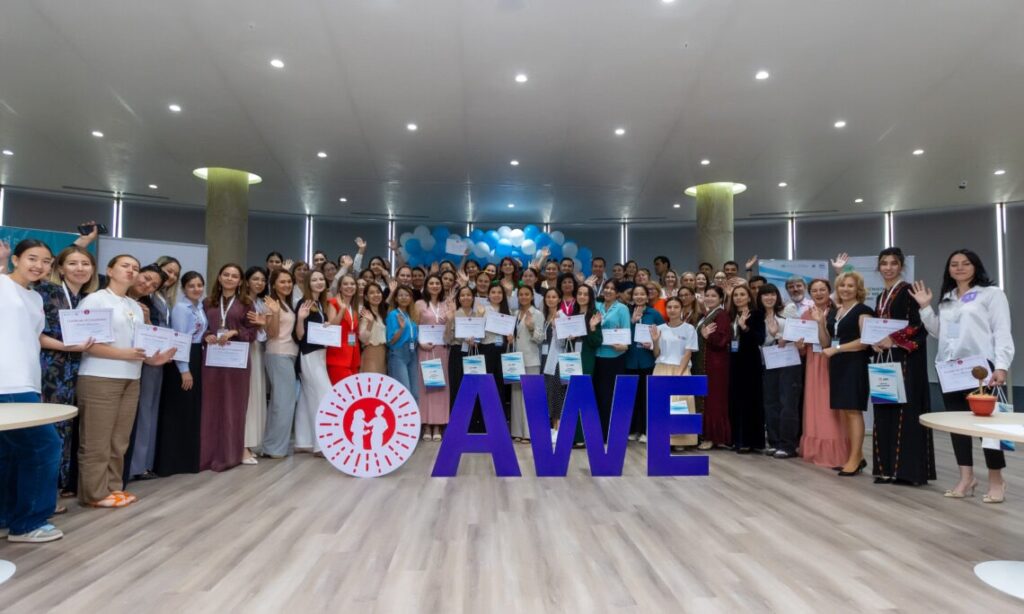
On June 8, participants in the first Academy for Women Entrepreneurs (AWE) program in Turkmenistan submitted their business proposals to a panel of experts in Ashgabat. The event marked the conclusion of the AWE program launched by the U.S. Embassy in Turkmenistan in partnership with the Union of Economists of Turkmenistan in March this year.

As reported by the U.S. Embassy, the ‘graduation’ ceremony was the culmination of three months’ work, consisting of an online business course developed by Arizona State University’s Thunderbird School of Global Management, weekly face-to-face sessions, and the development of a business plan.

AWE is a U.S. State Department program that provides women entrepreneurs with the knowledge, networks and access required to start and grow successful businesses. The first 50 Turkmen graduates of the program now join a global community of over 25,000 AWE alumnae.

Opening the event, U.S. Chargé d’Affaires Vaida Vidugiris said: “We are so pleased that this year, Turkmenistan joined more than 100 participating countries of AWE. I am especially proud that this program took place not only in Ashgabat, but also in Dashoguz, Mary, and Turkmenabat where we have our American Corners. It underscores our belief in the untapped potential of women entrepreneurs who, with the right support and resources, can transform economies, uplift communities, and inspire future generations.”


New U.S. Peace Corps Volunteers Arrive in Kyrgyzstan

On 11 June, the U.S. Embassy in Bishkek announced the arrival of 22 U.S. Peace Corps Volunteer Trainees in Kyrgyzstan to support English language education in secondary schools in the country’s Chui, Naryn, Issyk-Kul, Talas, Osh, and Jalal-Abad regions.

Invited by the Kyrgyz Republic’s Ministry of Education and Science, the trainees are the 30th Peace Corps cohort to serve in Kyrgyzstan since the launch of the initiative in 1993.

The new group brings the number of Peace Corps Volunteers and Trainees in the country to 53.

Prior to starting work, the trainees must embark on an eleven-week course to familiarize themselves with Kyrgyzstan’s educational system, Kyrgyz language and culture, Teaching English as a Foreign Language (TEFL), and providing lessons with local teachers.

On completion of the course in August, the participants will be sworn in as Peace Corps Volunteers and begin their two years’ service enhancing the teaching of English alongside local teachers across the country.


Uzbekistan’s Reserves Reached $36.6 Billion in May.

The Central Bank of Uzbekistan has stated that its gold and hard currency reserves reached in excess of $36 billion in May, an increase of over $1.5 billion compared to the previous month. However, the physical volume of gold in reserves decreased by 11.4 million troy ounces.

Furthermore, the volume of the regulator’s deposits with the central banks of other countries and the International Monetary Fund increased significantly and amounted to $422.7 million. The amount of funds in the accounts of other foreign financial institutions also increased by $1.2 billion.

The Times of Central Asia previously reported that as of March 1st, 2024, Uzbekistan’s official reserves amounted to $32.19 billion, having decreased by $2.37 billion in January and February.