• KGS/USD = 0.01144 0%
  • KZT/USD = 0.00211 0%
  • TJS/USD = 0.10523 0%
  • UZS/USD = 0.00008 0%
  • TMT/USD = 0.28530 0%
  • KGS/USD = 0.01144 0%
  • KZT/USD = 0.00211 0%
  • TJS/USD = 0.10523 0%
  • UZS/USD = 0.00008 0%
  • TMT/USD = 0.28530 0%
  • KGS/USD = 0.01144 0%
  • KZT/USD = 0.00211 0%
  • TJS/USD = 0.10523 0%
  • UZS/USD = 0.00008 0%
  • TMT/USD = 0.28530 0%
  • KGS/USD = 0.01144 0%
  • KZT/USD = 0.00211 0%
  • TJS/USD = 0.10523 0%
  • UZS/USD = 0.00008 0%
  • TMT/USD = 0.28530 0%
  • KGS/USD = 0.01144 0%
  • KZT/USD = 0.00211 0%
  • TJS/USD = 0.10523 0%
  • UZS/USD = 0.00008 0%
  • TMT/USD = 0.28530 0%
  • KGS/USD = 0.01144 0%
  • KZT/USD = 0.00211 0%
  • TJS/USD = 0.10523 0%
  • UZS/USD = 0.00008 0%
  • TMT/USD = 0.28530 0%
  • KGS/USD = 0.01144 0%
  • KZT/USD = 0.00211 0%
  • TJS/USD = 0.10523 0%
  • UZS/USD = 0.00008 0%
  • TMT/USD = 0.28530 0%
  • KGS/USD = 0.01144 0%
  • KZT/USD = 0.00211 0%
  • TJS/USD = 0.10523 0%
  • UZS/USD = 0.00008 0%
  • TMT/USD = 0.28530 0%

Pavel Durov’s Visit to Issyk-Kul Sparks Investment Hopes

Pavel Durov, the founder of Telegram and VK, has visited the Issyk-Kul region in Kyrgyzstan, generating significant interest amidst speculations about a potential investment in a large-scale project. The government are currently keen on attracting investment in the Three Peaks ski resort, and local authorities believe that his involvement could substantially enhance the potential of the project. Durov’s presence as an investor is seen as a strategic move that could attract additional capital and provide invaluable advertising support.

Durov is traveling with Russian blogger Huseyn Gasanov, whom sources suggest could play a mediating role in the negotiations with the local authorities.

The presence of Durov and Gasanov has not gone unnoticed by locals. The pair were recently spotted at the Petroglyphs Park in Cholpon-Ata, sparking rumors and excitement among residents. Many hope that this high-profile visit will lead to concrete investment plans and significantly boost the local economy.

Kyrgyzstan Pays Russia $64 million for Stake in the Eurasian Development Bank

Kyrgyzstan has paid $64.7 million to Russia for a stake in the Eurasian Development Bank (EDB), according to Akchabar.

 Kyrgyzstan currently owns 4.23% of shares in the EDB. The country’s share increased from 0.01% in 2023 after the redistribution of part of Russia’s stake, which amounted to 321,151 shares in the bank’s paid-up authorized capital.

A decision to reallocate the shares was made by the EDB’s Board of Directors on December 30, 2022. Following the distribution of securities in 2023,  Kyrgyzstan’s share in monetary terms, increased from $700 thousand to $64.7 million.

In its report on the transaction, EDB stated: “On May 19, 2023, an agreement was made between the Government of Russia and the Cabinet of Ministers of Kyrgyzstan on the sale and purchase of part of Russia’s share in the paid-in authorized capital of EDB.  Signed on March 21, 2023, it came into force and Russia’s share of $64 million was transferred to Kyrgyzstan. EDB does not participate in settlements between Russia and Kyrgyzstan on the transferred share in the bank’s capital.”

It is important to note that today, Kyrgyzstan’s share in the authorized capital of the EDB is almost entirely paid up. The republic has only $600 thousand in liabilities, payable in case of a bank claim. A similar situation has also been observed in Armenia.

Tajikistan has paid 97% ($64.5 million) of its authorized capital to EDB, Belarus—just over 59%, and Russia and Kazakhstan, the largest shareholders of the international institution, about 16% ($678.8 million) and 24% ($565.2 million), respectively.

At the end of 2023, the authorized capital of the Eurasian Development Bank amounted to seven million common shares with a par value of $1 thousand each. Each paid-up share carries a right to vote.

Mass Brawl Between Citizens of Pakistan and Bangladesh Reported in Bishkek

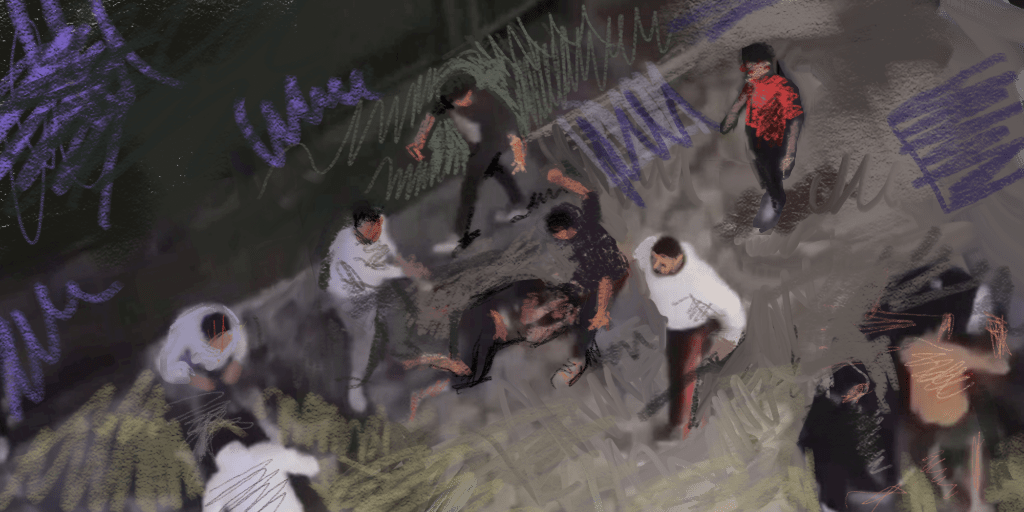
Bishkek police have detained 36 foreigners after a mass brawl, as reported by the Ministry of Internal Affairs of the Kyrgyz Republic. According to law enforcement, on June 11th, a mass brawl was reported between Pakistani and Bangladeshi citizens after a verbal altercation, following which participants involved in the scuffle were taken to a police station to clarify the incident’s circumstances. Administrative protocols were drawn up for 16 foreigners who violated the rules of residence in Kyrgyzstan. One of the participants in the brawl was found guilty under the article “Petty Hooliganism.” The court fined him 5,500 KGS ($60). Two more people were arrested for three days for being in a state of alcoholic intoxication.

TCA previously reported that on May 17th, riots occurred in the capital of Kyrgyzstan, provoked by a conflict between residents and medical students from abroad. Since these tragic events, the authorities have been employing a dual approach of attempting to sooth relations abroad whilst conducting raids on places where foreigners reside.

Indian Companies Interested in Turkmenistan’s Seaport

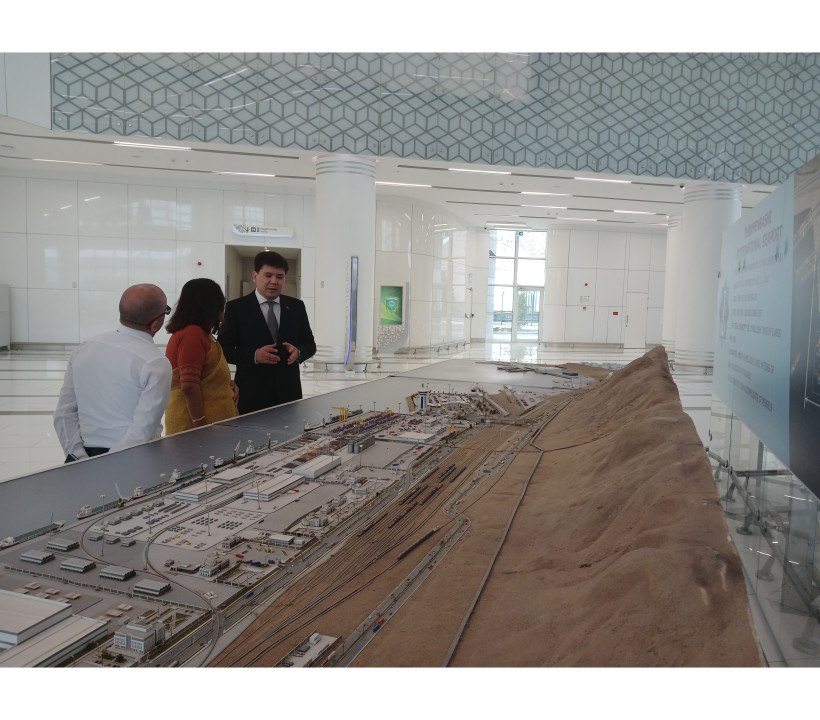
Issues concerning the establishment of cooperation in the field of maritime transportation, as well as the possibility of cargo transit through Turkmenbashi International Sea Port, were recently discussed by representatives of the Agency Turkmendenizdaryaollary with the Ambassador of the Republic of India in Turkmenistan, according the Agency’s website reports

During the meeting, the excellent potential for cargo transit offered by the Turkmenbashi port, which occupies a crucial location in the North-South transport corridor, was noted and encouraged a proposal by  representatives of “Turkmendenizdaryaollarya” to assist the Indian side in establishing an exchange of expertise in port management.

In its summary of the meeting, the report stated,  “The Indian Ambassador said that more than 30 Indian companies are interested in visiting Turkmenistan and familiarizing themselves with the opportunities of Turkmenbashi port. Following the meeting, the parties agreed to make every effort to develop cooperation in maritime transportation.”

Virtual Standstill in Tajikistan’s Baljuvan Oil Production

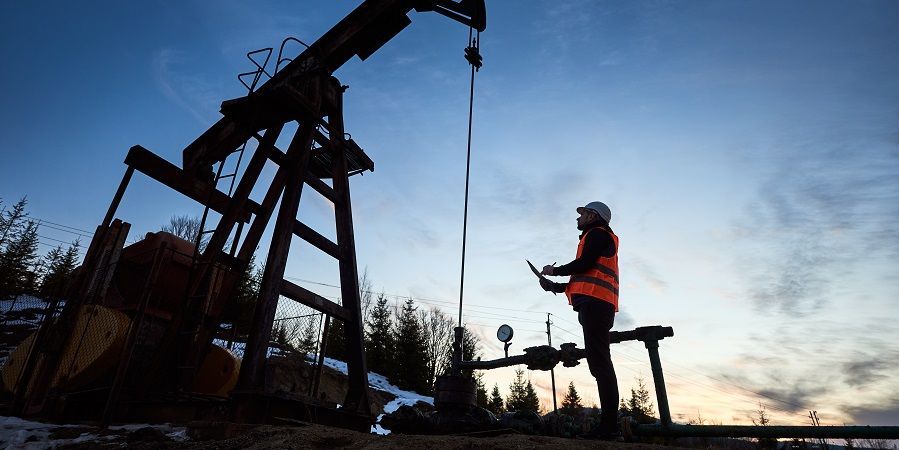
Production of oil and gas in the Baljuvan district in the southern mountains of Tajikistan, has virtually ceased.

It previously  provided natural gas to the neighbouring districts of Khovaling, Vosei, and Kulyab,

According to the authorities, oil reserves in the area of Khatlon Oblast have all but disappeared.  Baljuvan’s oil wells currently reach a depth of 2,400 meters and for production to continue, wells must now be drilled to a depth of up to 6,000 meters .

Referencing  the situation, district chairman Bakhtiyor Safarzoda said, “Unfortunately, the same volume of oil is not being produced today as it was under the Union. The equipment here is already physically obsolete and worn out.”

Attempts to attract foreign investment in oil production in Baljuvan have now been ongoing for several years and a visit by Chinese investors to the wells two years ago, came to nought.

According to the chairman of the Baljuwan district, foreign companies which initially agreed to develop new oil wells, reversed their decision after familiarizing themselves with the field, its characteristics, and forecasts.

It should be noted that Tajikistan’s proven reserves of oil raw materials are insignificant, amounting to 2.2 million tons, and the country’s registered oil fields amount to just 28.

How Sanctions Against the Moscow Exchange Will Affect Kazakhstan

The introduction of U.S. sanctions against the Moscow Exchange (MOEX) will not have legal consequences for the Kazakhstan Stock Exchange (KASE), because the Russian platform’s share in Kazakhstan’s capital is not large enough, KASE’s press service has reported. On June 12th, the Office of Foreign Assets Control (OFAC) of the United States put the Moscow Exchange on the SDN list, which means blocking its accounts in U.S. banks and depositories and banning cooperation for U.S. citizens and residents. The exchange has already announced that it will stop trading in dollars and euros in the foreign exchange section.

At the same time, contrary to popular belief, the entry of a company into the SDN list does not automatically lead to the introduction of secondary sanctions against all its partners, including those from third countries. Restrictions may be imposed on the subsidiaries of sub-sanctioned companies if they own at least 50% of their authorized capital. MOEX owns 13.1% of KASE shares, which means the latter is not considered a company under the control of the SDN-list participant.

“In this regard, Kazakhstan Stock Exchange and KASE Clearing Center continue to operate normally. Standard regulations will conduct trades, clearing, and settlements. KASE will consider the continuation of business relations with MOEX considering the sanctions restrictions,” noted the release from the Kazakhstan Stock Exchange.

In November last year, KASE head Alina Aldambergen said that the platform carefully analyzes the risks of sanctions. At the same time, she said that cooperation with the Moscow Exchange has been reduced to providing IT services.

Economist Rasul Rysmambetov previously wrote for The Times of Central Asia that he believes sanctions against several financial structures in Russia will not directly affect Kazakhstan. However, there are bound to be consequences for Kazakhstan from the actions of the Russian authorities.

“At some point, the Russian financial authorities will see that the pressure of sanctions is aimed not at complicating their operations, but at destroying their financial structure, and they may start taking symmetrical actions,” Rysmambetov wrote on social networks.

Rysmambetov believes the ruble’s depreciation will affect Kazakhstani entrepreneurs producing sugar, milk, and grain.