• KGS/USD = 0.01144 0%
  • KZT/USD = 0.00195 -0%
  • TJS/USD = 0.10861 0.18%
  • UZS/USD = 0.00008 0%
  • TMT/USD = 0.28571 0%
  • KGS/USD = 0.01144 0%
  • KZT/USD = 0.00195 -0%
  • TJS/USD = 0.10861 0.18%
  • UZS/USD = 0.00008 0%
  • TMT/USD = 0.28571 0%
  • KGS/USD = 0.01144 0%
  • KZT/USD = 0.00195 -0%
  • TJS/USD = 0.10861 0.18%
  • UZS/USD = 0.00008 0%
  • TMT/USD = 0.28571 0%
  • KGS/USD = 0.01144 0%
  • KZT/USD = 0.00195 -0%
  • TJS/USD = 0.10861 0.18%
  • UZS/USD = 0.00008 0%
  • TMT/USD = 0.28571 0%
  • KGS/USD = 0.01144 0%
  • KZT/USD = 0.00195 -0%
  • TJS/USD = 0.10861 0.18%
  • UZS/USD = 0.00008 0%
  • TMT/USD = 0.28571 0%
  • KGS/USD = 0.01144 0%
  • KZT/USD = 0.00195 -0%
  • TJS/USD = 0.10861 0.18%
  • UZS/USD = 0.00008 0%
  • TMT/USD = 0.28571 0%
  • KGS/USD = 0.01144 0%
  • KZT/USD = 0.00195 -0%
  • TJS/USD = 0.10861 0.18%
  • UZS/USD = 0.00008 0%
  • TMT/USD = 0.28571 0%
  • KGS/USD = 0.01144 0%
  • KZT/USD = 0.00195 -0%
  • TJS/USD = 0.10861 0.18%
  • UZS/USD = 0.00008 0%
  • TMT/USD = 0.28571 0%
18 December 2025

Preserving Heritage: How the Manas Epic Inspires Kyrgyzstan’s Youth

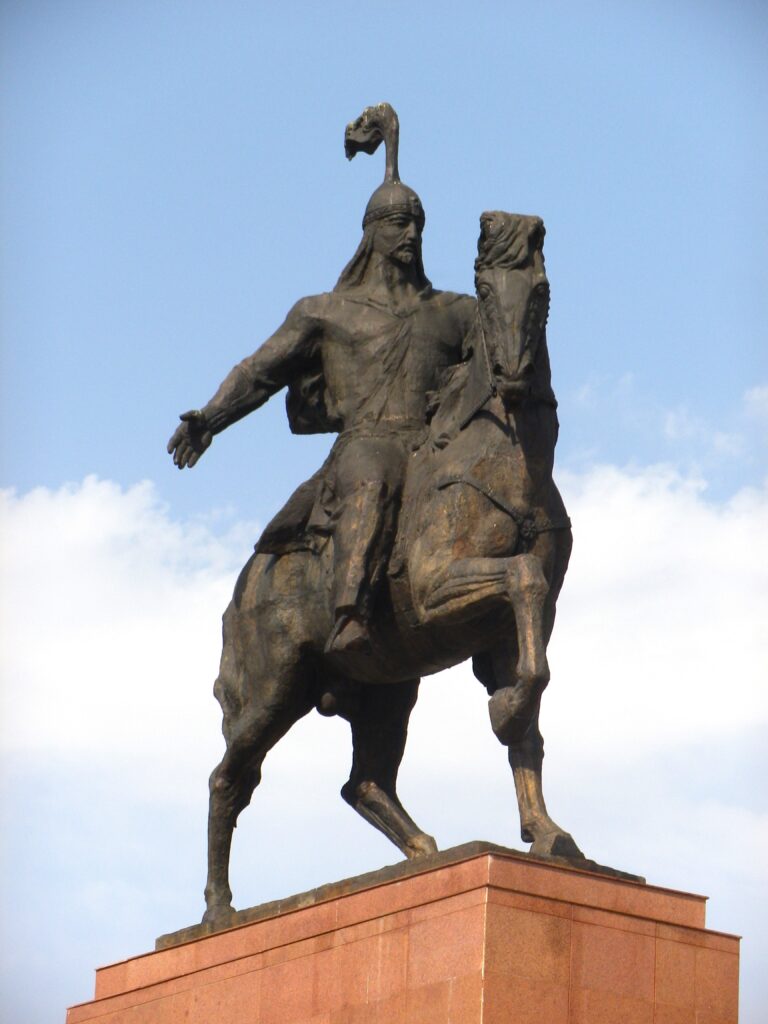
A nation steeped in cultural heritage, Kyrgyzstan continues to be proud of its unique attractions, and among them, the epic work “Manas” occupies a special place.

The Manas epic is of special importance because it contains rich information on history, ethnography, philosophy, language, diplomacy, military affairs, folk pedagogy, and other aspects of life of the Kyrgyz people. Another distinctive feature of Manas is its huge volume – more than half a million lines of verse – which makes it the longest epic in the world.

The relevance of Manas continues, today. Theatrical productions based on the work and competitions to display knowledge of it underscore the continuing interest in this great literary heritage. An observer of these contests, Zhanara believes that Manas still has a profound impact on the people of the regions, especially on schoolchildren who participate in these competitions. “Such events are conducted with a very careful selection process, which implies the serious preparation of the participants. At the end of the day, their efforts yield results and well-deserved prizes,” she told TCA.

However, journalist Aigerim from Bishkek believes the Manas epic still has a profound effect even on urban youth. “I think the epic plays a significant role for the whole country. Although not everyone knows it in full, key plot points are known to almost everyone and are often reflected in everyday life. For example, ‘Kokotay’s wake,’ which lasted for several weeks and was very lavish. Also, the main characters can be called role models to a certain extent: brave and fair Manas, wise Bakai and weak, vain Bokmurun, whose name literally translates as ‘snotty nose’,” she told TCA.

The epic also contributes to the development of young people’s creative abilities.

“In almost every classroom, scenes from the epic are staged and students study its lines. Manaschi (bards), who continue to be the performers and custodians of this epic, still enjoy respect and popularity. I recently became aware of a case where a young boy was given a stallion in recognition for his outstanding performance.

Mairam, a blogger from Osh, sees Manas as an integral part of Kyrgyz culture and traditions. She notes the epic serves as a key cultural code for the Kyrgyz people.

“‘Manas is a kind of portrait of the Kyrgyz nation as heroic and brave,” she told TCA. “It also reflects Kyrgyz culture in detail, and I, along with many of my friends, turn to it as a cultural touchstone so that we don’t forget who we are.”


Most of Kazakhstan Changes Time Zone

From March 1st the whole of Kazakhstan will be on the time zone UTC+5.

Currently only the country’s western regions are in the UTC+5 zone, with the rest of Kazakhstan set an hour later at UTC +6. This means that at midnight on 29 February the central, eastern and southern parts of Kazakhstan will move an hour back.

Kazakhstani scientists have claimed that the UTC +6 time zone has had a negative effect on people’s biological rhythms and health, as it does not correspond to natural solar time in the country. They believe that the establishment of a single time zone will have a positive impact on people’s wellbeing.

The clock change will also eliminate time barriers between different regions, and simplify the running of transport and other communications. This in turn will benefit business, government work and emergency services.

This switch, however, has had a mixed reception. Some people are unhappy that the reduction in daylight hours will increase their electricity bills, while others are worried that lighter mornings will affect their sleep.

Former President’s Daughter, Aliya Nazarbayeva, Accused of Raiding Business Worth $170 million

The daughter of Kazakhstan’s first president, Aliya Nazarbayeva, stands accused of seizing control of a business operation worth approximately $170 million. This comes alongside similar charges brought against Valentina Rogova, the wife of the former chairman of the Constitutional Council.

Businessman Nurlan Bimurzin broke the news during a press conference, claiming that these alleged transgressions began in 2003, when he and his operation were targeted by the financial police. He alleges that a representative of Nazarbayeva offered to alleviate the pressure in exchange for half the shares in his business. However, within a year, Nazarbayeva purportedly demanded the remaining shares.

Bimurzin asserts that Nazarbayeva resorted to kidnapping his father and issuing death threats against his family to secure the remaining shares. Consequently, in 2003, Bimurzin and his family lost their business, comprising seven oil depots and 96 gas stations. Bimurzin also implicated Valentina Rogova in the crime, suggesting she provided protection for Nazarbayeva.

For two decades, Bimurzin and his business partner, Medgat Kaliyev, kept silent out of fear for their loved ones’ safety. Now, hoping that justice will prevail, they have submitted a statement to the General Prosecutor’s Office, which has since been forwarded to the Asset Recovery Committee, Bimurzin told the press conference.

Public figure, Zharkyn Kurentayev stated that the assets, estimated at $170 million, were listed as being worth 19,000 tenge (approximately $42) in fraudulent documents. The victims claim they did not even receive this meagre sum.

In their formal petition, Bimurzin and Kaliyev requested the initiation of a criminal case against Aliya Nazarbayeva and Valentina Rogova, seeking justice for their alleged crimes. Deputy of the Mazhilis, Ermurat Bapi has also demanded that the Prosecutor General’s Office conduct a full investigation.

Chinese Company to Build an Automobile Plant in Kyrgyzstan

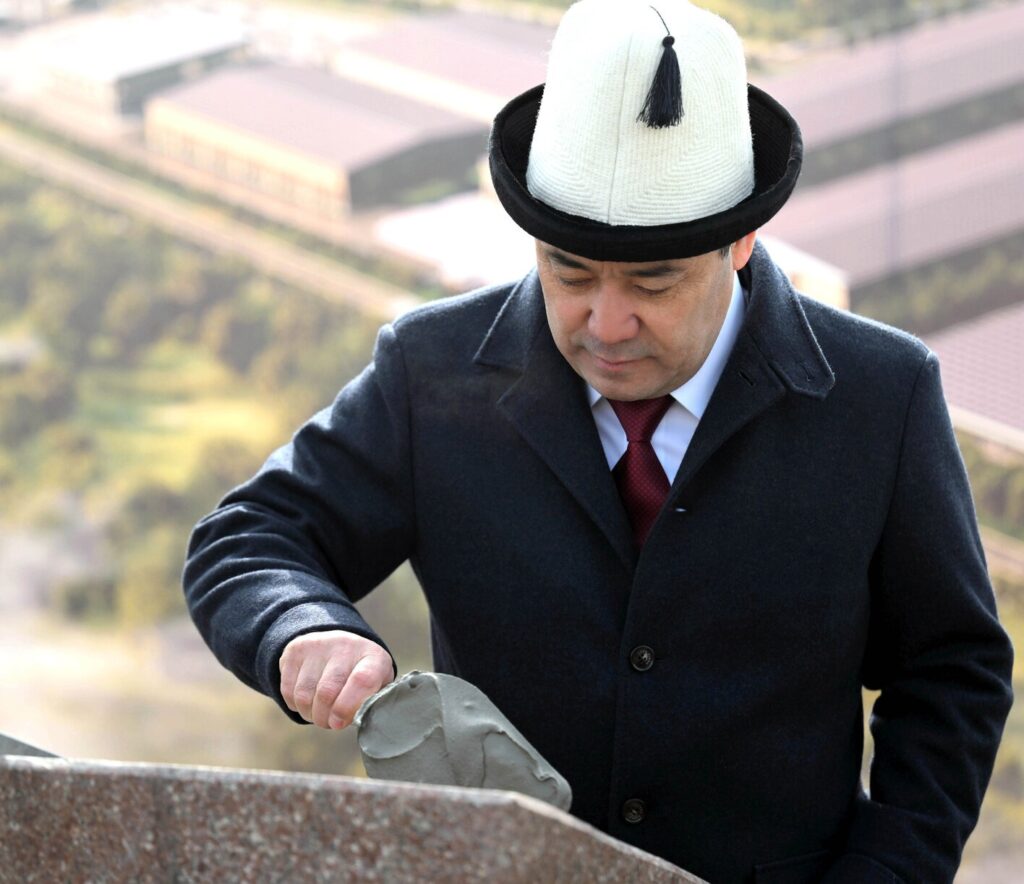
Kyrgyzstan’s President Sadyr Japarov attended a ceremony on February 28th to launch the construction of an automotive assembly plant in the country’s northern Chui region.

The plant which will have the capacity to produce over 80,000 vehicles -electric, domestic, and commercial – is due to open in August this year.
A joint venture between the Kyrgyz government, local enterprises, and the China Hubei Zhuoyue Group, the first stage of the project has attracted investment of $115 million.

In his speech, President Japarov expressed the government’s confidence that the project will provide significant impetus to the development of the automotive industry in Kyrgyzstan and in turn, the creation of new jobs.

The Chinese Ambassador to Kyrgyzstan Du Dewen attributed the instigation of the project to a strategic partnership between the two countries. Thanking the Kyrgyz president for his personal attention and support, she expressed her hope that this project will exemplify a deepening interaction between Kyrgyzstan and China.

Green Energy as a New Driver of Uzbekistan’s Economy

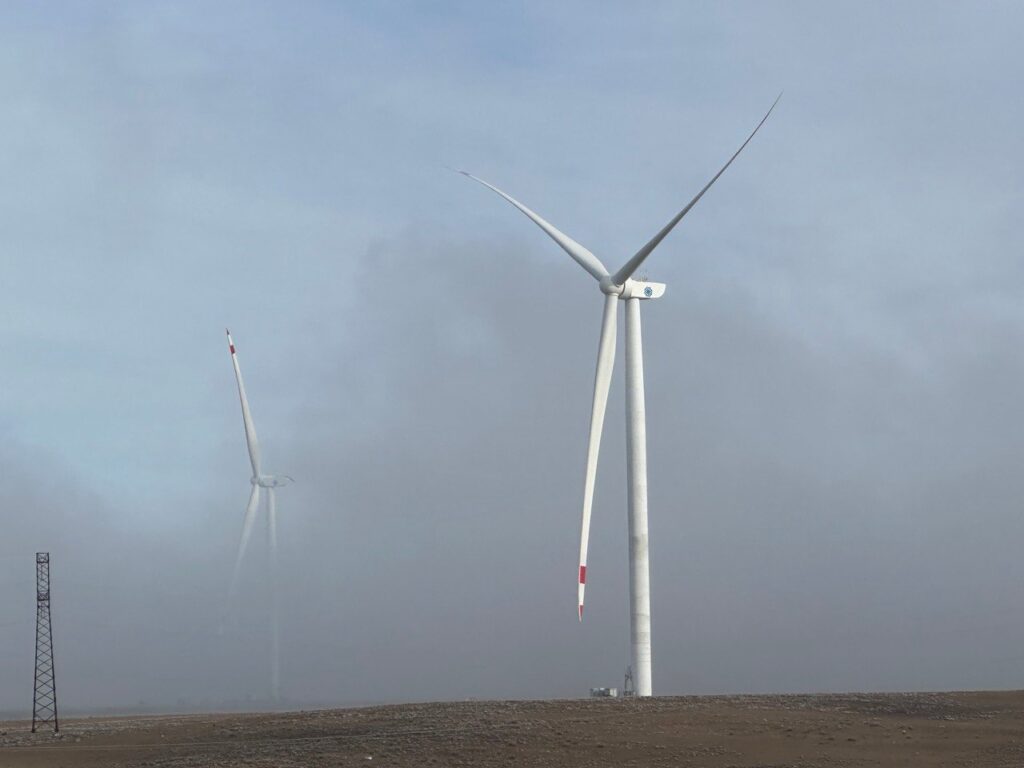
At a government meeting chaired by President Shavkat Mirziyoyev on February 28th, it was announced that in 2024, Uzbekistan will produce 13 billion kilowatt-hours of green energy via hydro, wind, and solar power plants, to generate 15% of the country’s electricity.

For decades, natural gas, oil products, and coal have fuelled Uzbekistan’s electricity but in recent years, the country’s natural gas has severely depleted. In 2023, Uzbekistan registered a reduction in the production by more than 4.5 billion cubic meters, necessitating the need to import natural gas from Russia through Kazakhstan. Official statistics also recorded a decrease in the country’s oil production.

At yesterday’s meeting, it was stated that the country’s potential for solar and wind energy is 10-12 times higher than the current demand for electricity. In response, the government has launched major programs to create green energy with attractive packages for investors.

To date, the renewable energy sector has attracted $2.1 billion in direct foreign investment enabling the implementation of projects worth $13 billion. Solar and wind power plants are currently under construction across the country, with nine solar and wind power plants with a total capacity of 1.6 gigawatts already launched in Bukhara, Jizzakh, Kashkadarya, Navoi, Samarkand, and Surkhandarya.
Rooftop solar panels with a total capacity of 457 megawatts have also been installed in commercial, public, and residential buildings. When combined, these new measures produce an additional 5 billion kilowatt-hours of green electricity to the national grid and save 1.5 billion cubic meters of natural gas.

President Mirziyoyev confirmed that the government has commissioned the following to be completed over the next three years: 28 solar and wind power plants with a total capacity of 8 gigawatts, 944 kilometers of high-voltage power lines, six large substations and 18 energy storage facilities with a total capacity of 2.2 gigawatts.

He also emphasized that apart from the obvious benefits to the environment, the sector’s demand from local enterprises for solar panels, transformers and other related products has resulted in green energy becoming a new driver of the national economy.

EBRD Helps Increase Reliability of Tajikistan’s Electrical Grid

An announcement was made on February 28th that the European Bank for Reconstruction and Development (EBRD) is to increase the reliability and sustainability of electricity supply in Tajikistan.

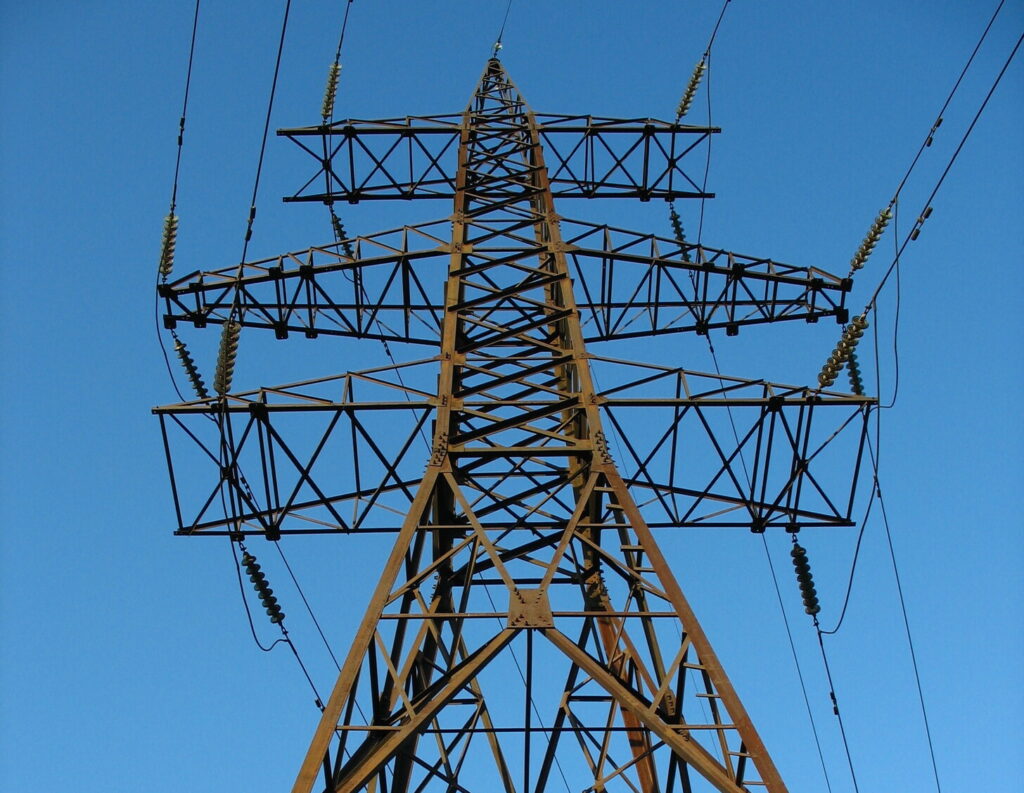
The national transmission network operator Shabaqahoi Intiqoli Barq (SIB) will be awarded some €31 million, comprising two EBRD sovereign loans and an investment grant of up to €8 million to help restore the existing transformer and construct a new one at the Sugd-500 substation in the north of the country.

The northern Tajikistan power system depends on the 500 kV Sugd-Dushanbe high-voltage line connected to the Sugd-500 substation. Once upgraded and expanded, the substation will allow for a more sustainable electrical grid able to meet domestic and export demands. It will also help SIB integrate up to 700 MW of renewables in line with Tajikistan’s 2030 National Development Strategy to diversify its energy production.

In 2023, Tajikistan’s energy capacity exceeded 6,000 megawatts, and electricity production amounted to 22 billion kilowatt-hours; 4.8 billion kilowatt-hours or 28% more than in 2017.
Addressing the issue last December, Tajik President Emomali Rahmon announced that the government was making sound progress in its strategy to establish a ‘green economy’.
To achieve this goal, he explained that over the next seven years, Tajikistan aims to increase electricity exports to 10 billion kilowatt-hours, and by 2030, the construction of power plants employing renewable energy sources will increase the production of green energy to 1,000 megawatts.

Looking ahead, the country aims to source all its electricity from renewable sources, primarily hydropower, by 2023.