This past weekend, discussion of the “historic joint declaration for peace” was nearly impossible to avoid. Optimism ran high, with many expressing hope that peace and cooperation might finally take hold in the South Caucasus. But how realistic is that vision?
What was signed in Washington on August 8, 2025, was not a binding treaty but a declaration of intent. That is a meaningful step, but for now it remains a symbolic document. Turning it into lasting peace will require a full treaty with specific commitments. One major hurdle is Armenia’s constitution, which still contains territorial claims to land recognized as part of Azerbaijan. Amending this will be politically difficult.
The day after the signing, the opposition Armenian Revolutionary Federation (ARF) issued a sharply critical statement. It accused the declaration of harming Armenia’s sovereignty, legitimizing an Azerbaijani-favored corridor, and violating Armenia’s territory. The ARF demanded the withdrawal of Azerbaijani forces, the release of Artsakh’s political prisoners, and guarantees for the safe return of displaced Armenians. Of the 69 seats in Armenia’s parliament, 28 belong to the “Armenia” faction, 15 of them held by ARF members, giving the party significant influence over this debate.
Azerbaijani President Ilham Aliyev has also said that the wording of Armenia’s constitution blocked the signing of a treaty in Washington.
Alongside the declaration, the leaders of Armenia and Azerbaijan signed economic agreements with the United States to boost trade, transit, energy, infrastructure, and technology in the South Caucasus. Yet these too face obstacles. Iranian official Ali Akbar Velayati vowed to prevent the creation of an “American corridor” in the region and rejected reports of a US-Armenian lease deal for land along Iran’s border, warning it would become “a graveyard for the mercenaries of Donald Trump.”
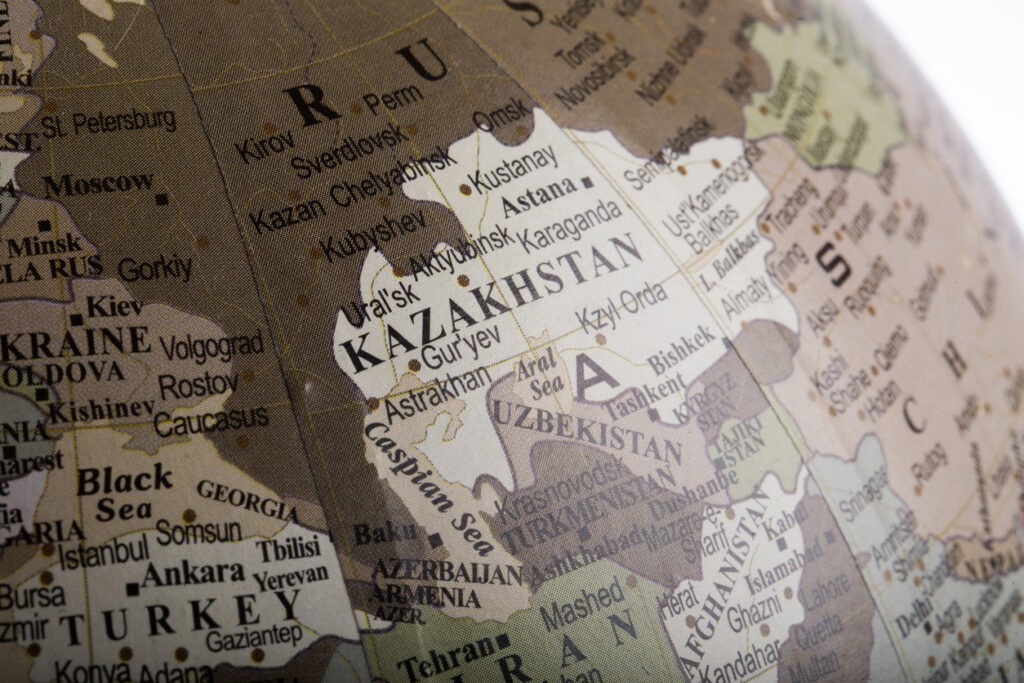
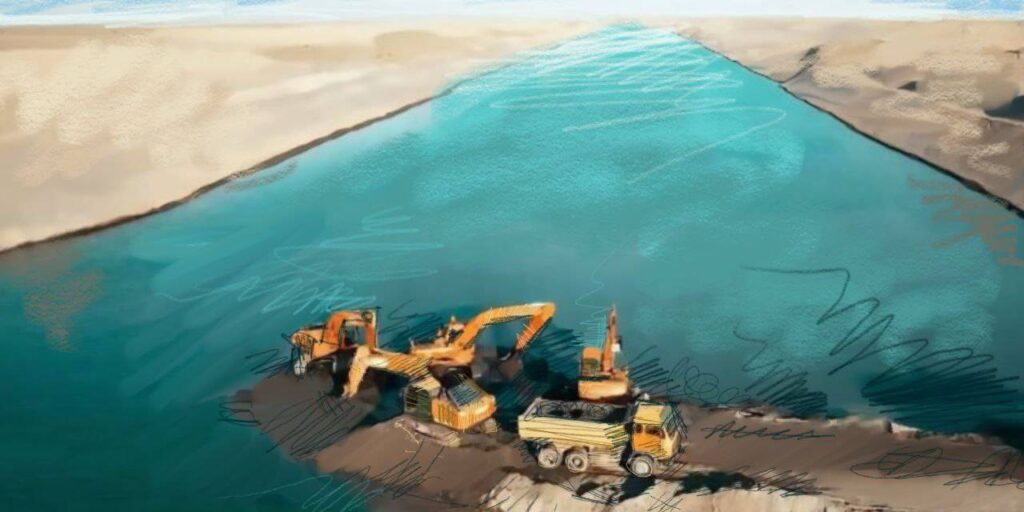
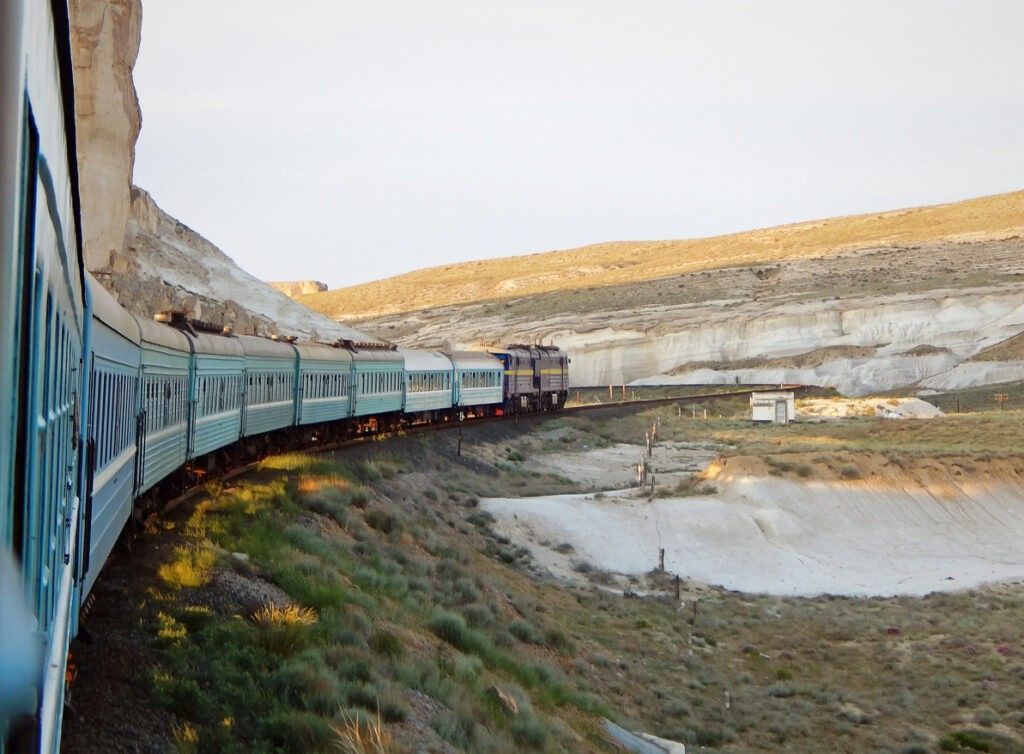
Proponents argue that if such a corridor opens, it could strengthen the Trans-Caspian International Transport Route. However, no study has yet confirmed whether the 43-kilometer stretch in question could handle a major traffic increase.
After a weekend of high expectations, political realities have brought a more cautious mood.
The week ahead promises further developments. President Trump has announced a meeting with Russian President Vladimir Putin in Alaska. Some reports claim Putin has proposed a Ukraine ceasefire in exchange for significant territorial concessions and recognition of Russia’s claims.
In response, European leaders issued a joint statement affirming Ukraine’s right to decide its own future, calling for robust security guarantees, and insisting that any peace process must begin with a ceasefire or reduced hostilities. Ukrainian President Zelensky reiterated that the constitution already answers the territorial question and that no land will be surrendered.
Diplomatic exchanges have been intense. Kazakh President Kassym-Jomart Tokayev spoke with both Zelensky and Aliyev, urging a balanced approach and recalling the saying that “a bad peace is better than a good war.” Putin called the president of Tajikistan, and Zelensky spoke again with Aliyev. Behind the brief official readouts lies a broader search for ways forward.
International politics is a delicate process, and disputes built over decades or centuries are not solved quickly. Time will tell whether this declaration marks the start of true peace or just another step in a long and difficult journey.