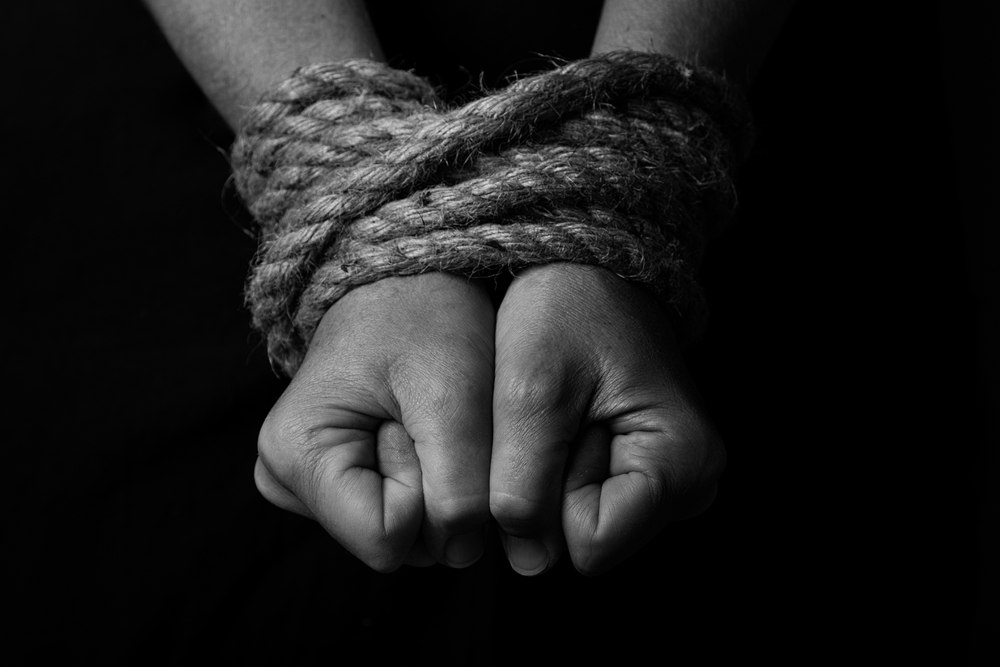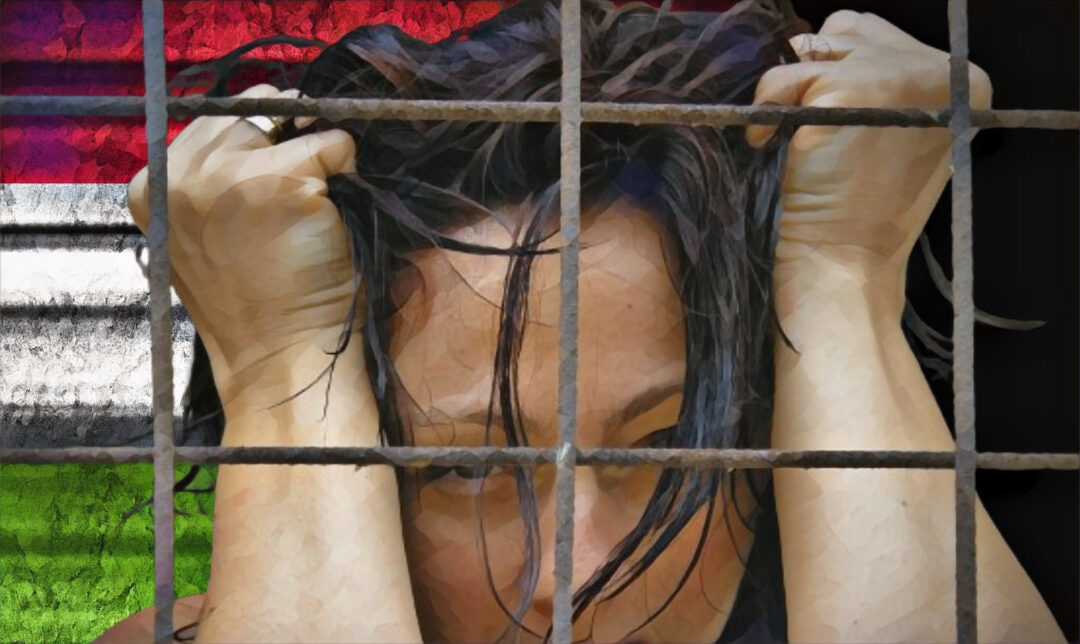
Despite recent legislative improvements and mounting international scrutiny, torture remains a persistent issue in Tajikistan. Experts warn that without comprehensive reform of law enforcement institutions and the establishment of independent oversight mechanisms, the problem is unlikely to be resolved anytime soon.
Legislative Progress Fails to Translate into Practice
Tajikistan has taken some legal steps in recent years to address the issue. Laws have been strengthened, more cases are being investigated, and several police officers have faced prosecution.
“In the past two to three years, there has been gradual progress both in legislation and in the review of torture cases,” said Khushbakht Isoev, a torture documentation specialist at the human rights NGO Mir Prava and a member of the Coalition Against Torture in Tajikistan.
However, Isoev notes that violent abuse by law enforcement officers, especially during detention, continues to be documented. Most cases never make it to court due to insufficient evidence or pressure on victims to remain silent.
25 Torture Complaints in 18 Months
According to data from the Coalition Against Torture, 25 complaints were filed against law enforcement agencies in 2024 and the first half of 2025. The majority, 17 cases, were directed at the Ministry of Internal Affairs, while others involved the State Committee for National Security, anti-corruption bodies, and drug control agencies. One complaint named employees of the General Prosecutor’s Office.
The geographic distribution of these complaints spans the country: 11 came from Sughd Province, six from Dushanbe, and the remainder from Gorno-Badakhshan Autonomous Oblast (GBAO) and other districts under direct central administration.
Human rights defenders assisted 11 victims in securing legal representation and provided legal consultations to 14 others. They also prepared over 70 procedural documents and issued more than 100 oral legal recommendations.
Yet, as Isoev points out, criminal charges are rarely pursued. “Torture is denied and rarely substantiated with evidence,” he said.
Since January 2024, only six cases involving law enforcement officers have led to criminal proceedings. One of these cases dates back seven years and was only reopened after the accused was located. Some trials have resulted in sentencing, while others remain under investigation. Still, the number of prosecutions remains disproportionately low compared to the volume of complaints.
Structural Barriers to Justice
In 2012, Tajikistan introduced Article 143(1) into its Criminal Code, criminalizing torture as a distinct offense. This allowed lawyers and activists to move beyond vague “abuse of power” charges and pursue more precise legal accountability.
“Introducing a specific article on torture was a critical step, but it has not addressed the systemic nature of the problem,” Isoev emphasized.
One of the key obstacles is the inherent conflict of interest in the investigation process: cases of alleged torture are typically handled by the very agencies whose officers are accused. This creates opportunities for evidence tampering, witness intimidation, and coercion of victims into rejecting legal representation.
Many detainees and their families are pressured not to file complaints or to forego legal counsel. Torture cases are often delayed without justification, and victims remain fearful of retaliation.
“All of this contributes to the continued existence of torture in the country,” said Isoev.