Kyrgyzstan’s state weather agency, Kyrgyzhydromet, has warned that last month’s record-breaking heatwave is the latest sign of climate change accelerating the retreat of the country’s glaciers, threatening water supplies across Central Asia.
The agency said the immediate heatwave was caused by regional atmospheric conditions, but its director, Daurbek Sakeyev, argued that the growing frequency of such extreme weather reflected a longer-term warming trend already affecting mountain ecosystems and water resources.
Abnormally hot weather settled over Kyrgyzstan on July 14. Meteorologists attributed it to a combination of a summer thermal depression over Central Asia and a persistent area of high pressure in the upper atmosphere. The country saw consecutive days with temperatures exceeding 40°C. In Bishkek, the temperature reached 43.5°C on July 19, the highest July reading in the capital since observations began in 1936.
Bishkek recorded no measurable rainfall during the month, while average daily temperatures on July 18 and 19 stood nearly 10°C above the seasonal norm. Record electricity demand prompted temporary supply restrictions in Bishkek and the surrounding Chuy Region, although a separate widespread outage on July 17 was attributed to the emergency disconnection of two 220-kilovolt transmission lines.
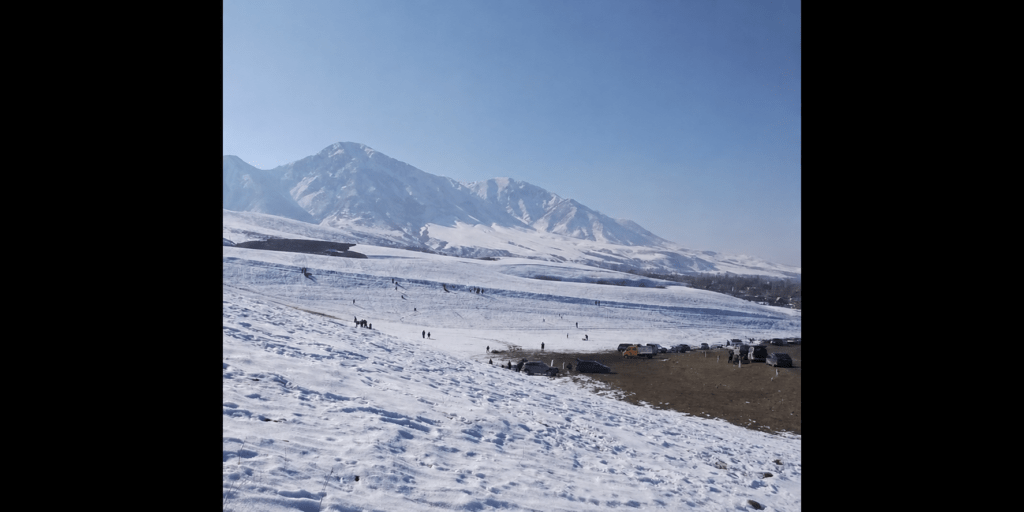
Speaking after the heatwave had subsided, Sakeyev said spring was arriving earlier, summers were becoming hotter, and winters were bringing less precipitation, changes that were affecting the condition of the country’s glaciers.
Earlier spring warming lengthens the annual melting season, while prolonged periods of extreme summer heat accelerate ice loss. Reduced winter snowfall also limits the accumulation of new ice and exposes darker glacier surfaces earlier, causing them to absorb more solar energy.
According to Kyrgyzhydromet, Kyrgyzstan’s glaciers have lost around 16% of their total area over the past 70 years. Recent monitoring places the decline in the Talas Valley at 22%. Smaller, lower-altitude glaciers are particularly vulnerable, and scientists expect their number and area to decline substantially by 2050.
Separately, Kyrgyzhydromet reported on July 30 that glacier area in the Issyk-Kul basin had declined by 33.7% over 70 to 90 years and by 23.1% over the most recent seven to ten years.
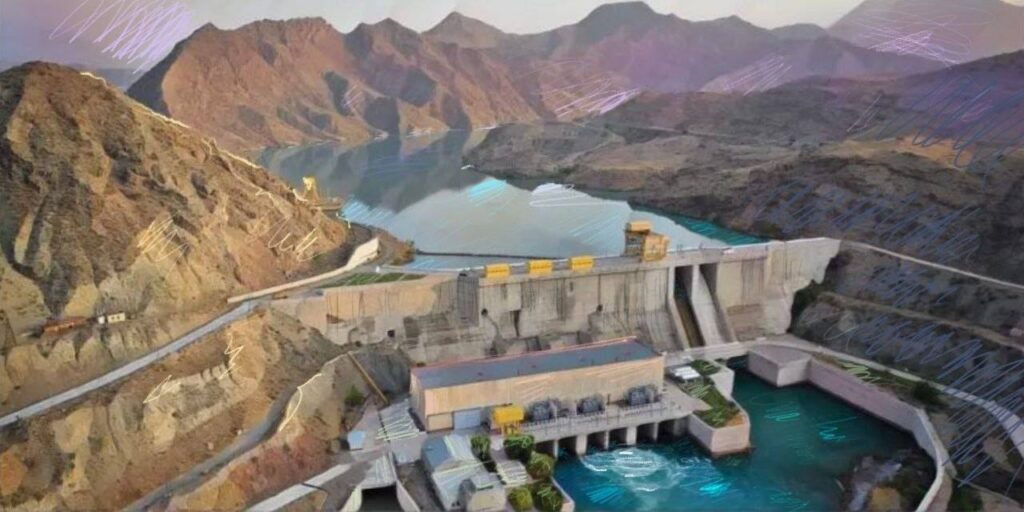
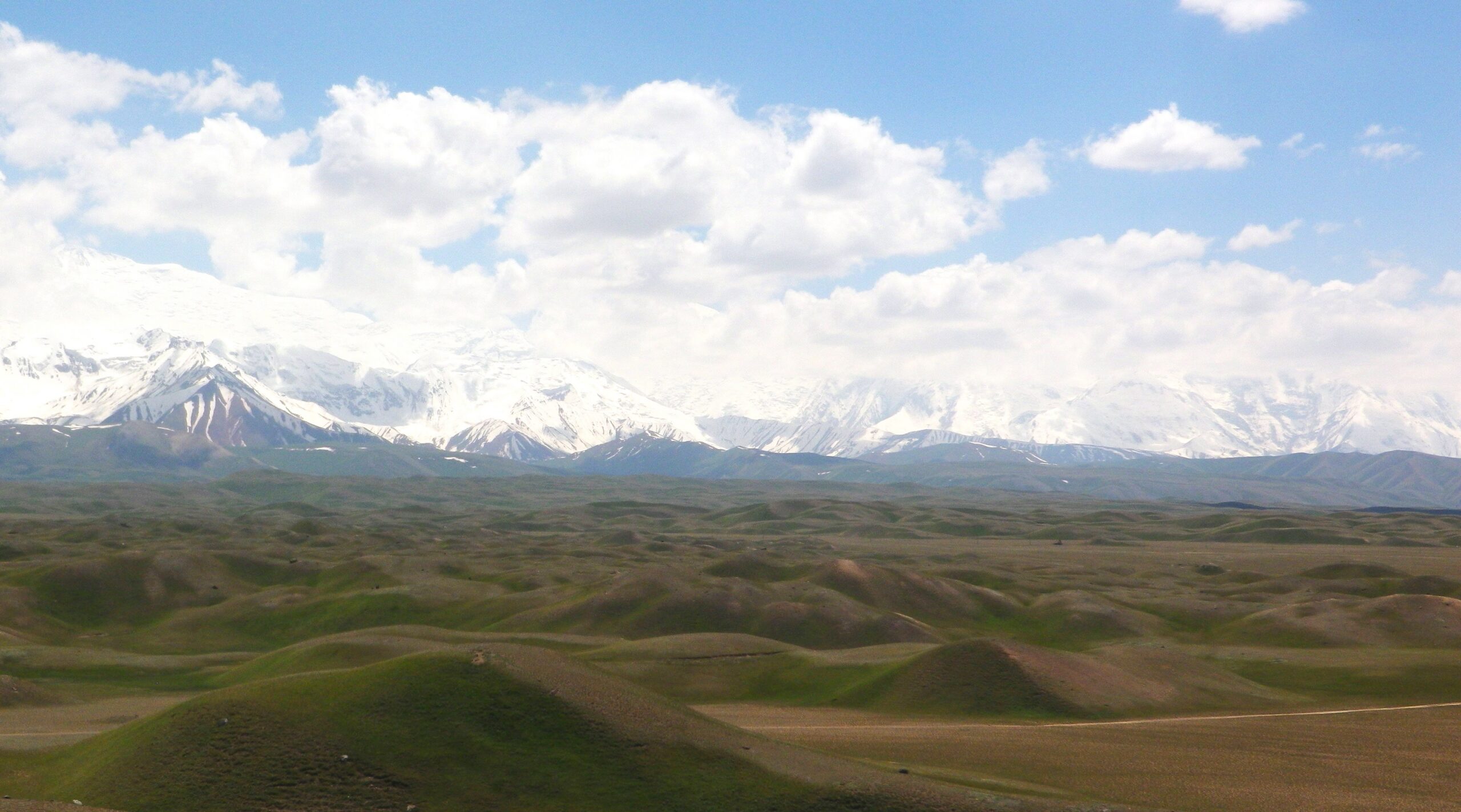
The consequences extend beyond Kyrgyzstan. Tien Shan glaciers feed the Syr Darya, Chu, Talas, and Ili river systems, supplying water for millions of people, irrigation, and hydropower. Continued glacier retreat could alter seasonal flows and increase the risk of glacial lake outburst floods threatening mountain communities.
Glacier retreat is one of Central Asia’s most significant long-term challenges. The region’s water security will depend on precipitation, seasonal snow cover, glacier loss, and governments’ ability to store and manage increasingly variable river flows.