Imagine a team where only half the players receive training, equipment and support. That team cannot perform at its full potential.
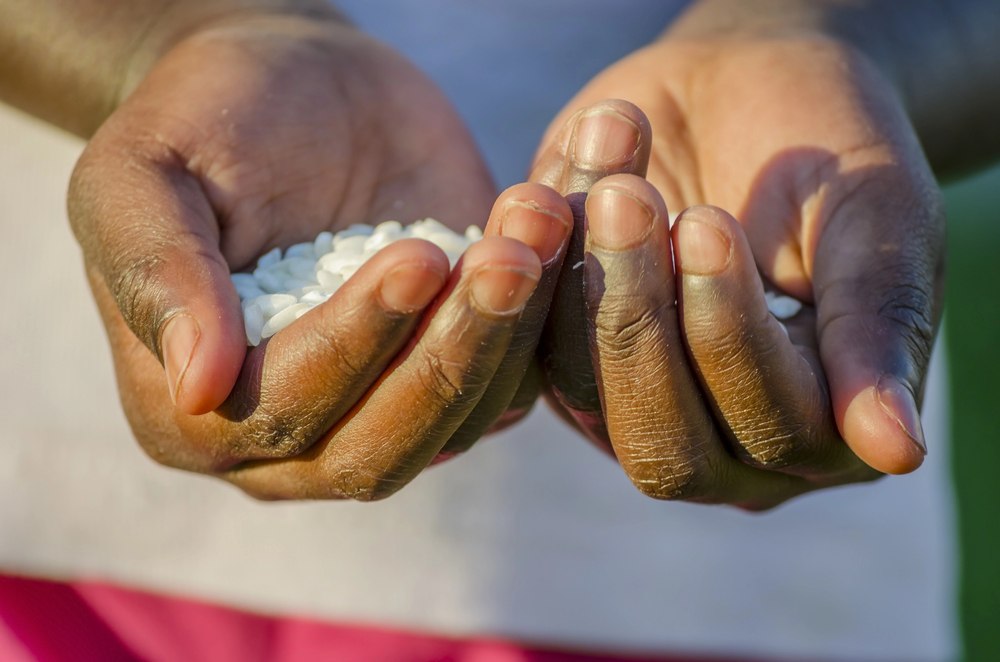
The same is true in agriculture. Women farmers are essential across Europe and Central Asia. They grow food, raise livestock, run farms and sustain rural economies. They work the same land as men, share responsibility for farms and support their families, yet too often their work is treated as secondary, invisible or merely “helping”. As a result, they may not have the same access to the training, resources and opportunities needed to make their hard work more productive. When women cannot fulfil their potential as farmers, agriculture cannot fulfil its potential either.
The International Year of the Woman Farmer 2026 brings renewed global attention to women’s essential contribution to agriculture. As part of the Year, FAO’s “100 Women Heroes in Agrifood Systems and Rural Development” initiative is honouring twenty‑five women from across the region for their achievements, innovation, resilience and leadership.
But beyond these individual success stories lies a reality that can’t be overlooked. Countless women do the same indispensable work every day without equal recognition, resources or opportunities. The cost of these inequalities is also economic. FAO estimates that closing gender gaps in farm productivity and wages could generate nearly USD 1 trillion in global gains and reduce food insecurity for up to 45 million people.
Across Europe and Central Asia, there has been considerable progress in strengthening the legal and policy frameworks that promote equal opportunities for women and men, but these need translating into real improvements in rural women’s lives. In agriculture and rural development, persistent gender gaps limit women’s productivity and fulfilment of potential as individuals and farmers. Social expectations and discriminatory practices reinforce these barriers, shaping who is seen as a farmer, who makes decisions and who controls income and productive resources. Even when women play a central role in farming, their work is often undervalued, unpaid or simply invisible. They lack essential support to grow farms and businesses, and young women are often discouraged from farming as a viable career or taking on farm management.
Closing these gaps requires sector‑specific policies and actions that explicitly recognize women as farmers and entrepreneurs. For example, governments can ensure that agricultural statistics systematically capture women’s contributions; enable women’s registration as farmers in their own right; and guarantee that extension and rural advisory services reach women as well as men. Such measures will strengthen women’s access to land, finance, inputs, technology, knowledge and markets – while sending a clear institutional signal that women should be recognized as farmers.
The next challenge is to ensure that recognition translates into policies, institutions and services that respond to women farmers’ realities, needs and aspirations. This is particularly important in Europe and Central Asia, where rural areas face the growing pressures of climate change, water scarcity, increasing strain on natural resources, ageing populations and young people leaving rural areas.
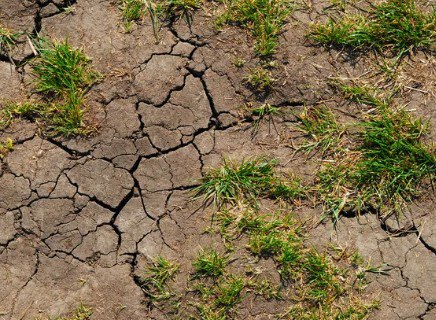
These pressures do not affect everyone equally. When women have less access to agricultural training – including climate‑smart practices – or inputs such as drought‑resistant seeds, their ability to adapt is constrained. They might have fewer options to respond and bear a disproportionate share of the consequences, from reduced yields and income to heavier workloads. This is where practical action matters most. And in parts of the region, we are already seeing what it can achieve.
In Türkiye, I saw firsthand what happens when women receive the right support. Women’s cooperatives have helped them earn income and gain recognition for work that was previously unpaid and often invisible. When the 2023 earthquake devastated parts of the country, many of these cooperatives were among the first to rebuild – drawing on networks, skills and collective capacity that were already in place.
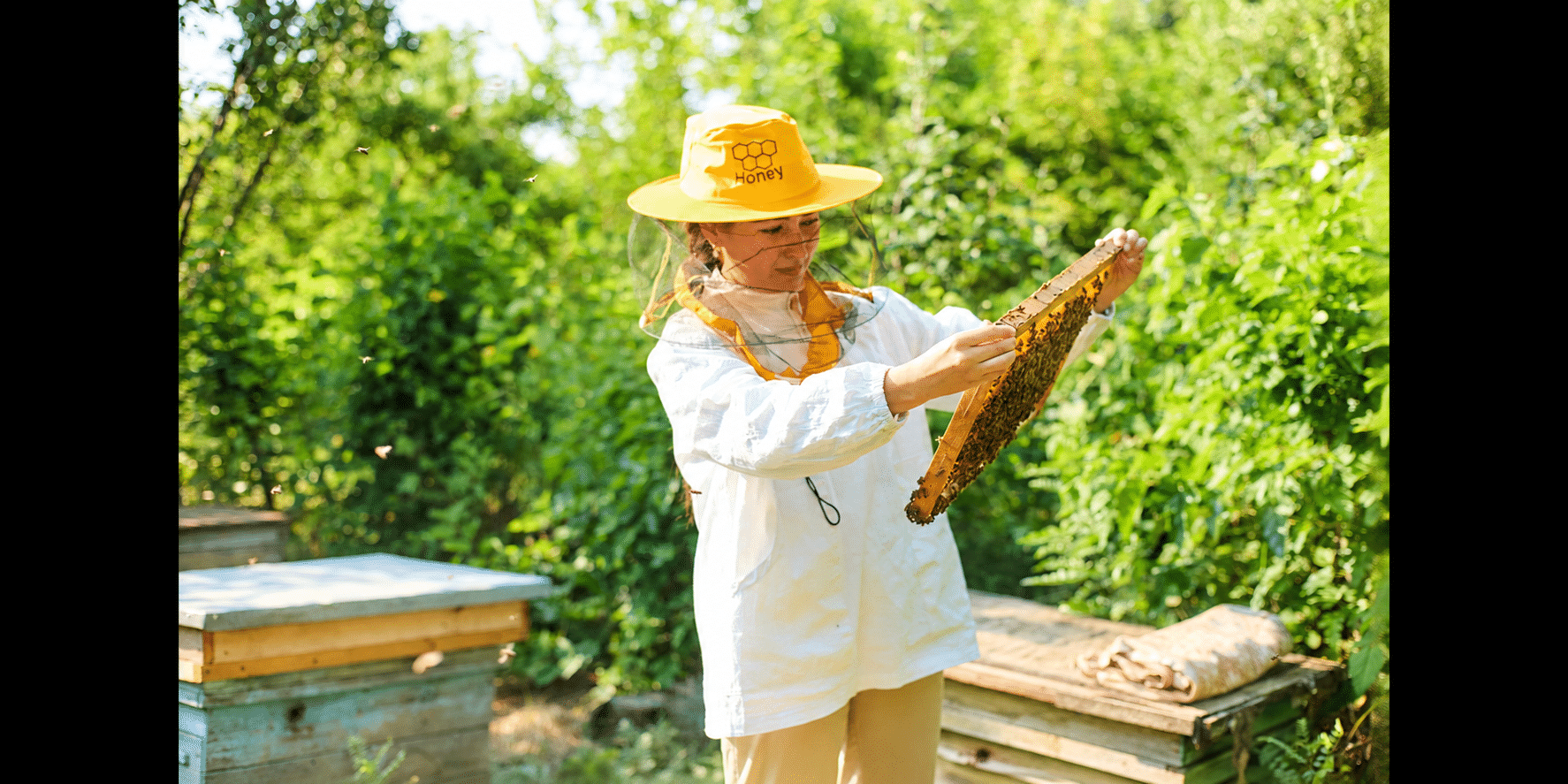
Further east in Central Asia, the contexts vary but the underlying dynamic is familiar. I saw this in Tajikistan’s remote mountainous villages, where women are left to manage farms and families when men migrate for work. Yet despite these pressures, with the right support, women are reviving traditional crops, keeping bees and growing produce in small greenhouses – creating income where opportunity is scarce and gradually changing how their work is perceived.
In both cases, it was the support that made the difference: training, cooperatives and producer groups, access to markets, and – fundamentally – recognition that these women are farmers, not helpers.
These are not isolated successes. They show what is possible when systems work for women farmers.
When women are recognized as farmers in their own right, are registered as agricultural producers and have equal access to resources, services and opportunities, the benefits extend beyond individual women. Farms can become more productive, household incomes can grow and rural communities can become more resilient. Registration can also make it easier for women to access credit, agricultural support, knowledge and markets, and strengthen their voice in decisions affecting their farms and communities.
None of this means creating parallel systems for women. It means fixing the existing systems that do not fully account for women’s realities and contributions to agriculture. This requires tackling discriminatory practices, challenging assumptions about who is a farmer and encouraging positive changes in attitudes and behaviours. It also requires institutions to look beyond women’s formal inclusion and ask whether they can actually access and benefit from available services and resources.
Women are already doing the work.
The next step is to match that reality with recognition, fair access, practical opportunities and the support needed to succeed. When we do that, women farmers benefit – but so too do households, farms, agriculture, rural economies and society as a whole.
The views expressed in this article are those of the author and do not necessarily reflect the official policy or position of the publication, its affiliates, or any other organizations mentioned.