The Food and Agriculture Organization of the United Nations (FAO) and Kyrgyzstan’s Ministry of Water Resources, Agriculture and Processing Industry have launched a new initiative designed to strengthen the country’s aquaculture sector and improve the sustainability of fish production.
The project, Sustainable Fish Value Chains for Landlocked Developing Countries, is funded by South Korea’s Ministry of Oceans and Fisheries. It aims to improve the sustainability, productivity, and competitiveness of fish value chains in Kyrgyzstan, with a particular focus on rainbow trout and carp, two species identified as having strong potential for growth and income generation.
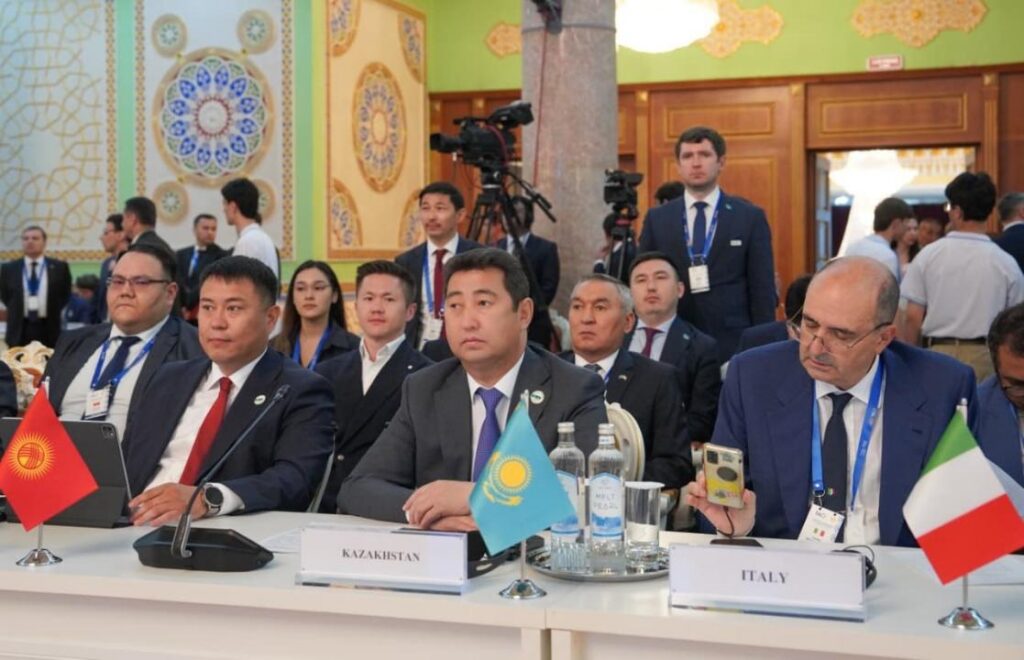
The project was officially launched during an inception workshop held in Bishkek on May 29. Government officials, industry representatives, academics, and development partners reviewed the preliminary findings of a value-chain assessment and discussed priorities for the sector’s future development.
“Aquaculture holds significant potential for improving food security, creating jobs, and supporting rural livelihoods,” said Oleg Guchgeldiyev, FAO Representative in Kyrgyzstan. “This new project reflects our commitment to work with national partners to unlock that potential through sustainable and inclusive value chain development.”
FAO experts presented initial findings on market opportunities, regulatory frameworks, and sustainability performance across Kyrgyzstan’s trout and carp industries. Participants discussed key challenges facing the sector and identified priority areas for future investment and policy support.
“By improving how fish moves from farms to markets, this initiative will help unlock new opportunities for producers, strengthen value addition, and support the long-term sustainability and competitiveness of the aquaculture sector in Kyrgyzstan,” said Jalilbek Toimatov, Director of the Fisheries Industry Complex Department under the Ministry of Water Resources, Agriculture and Processing Industry.
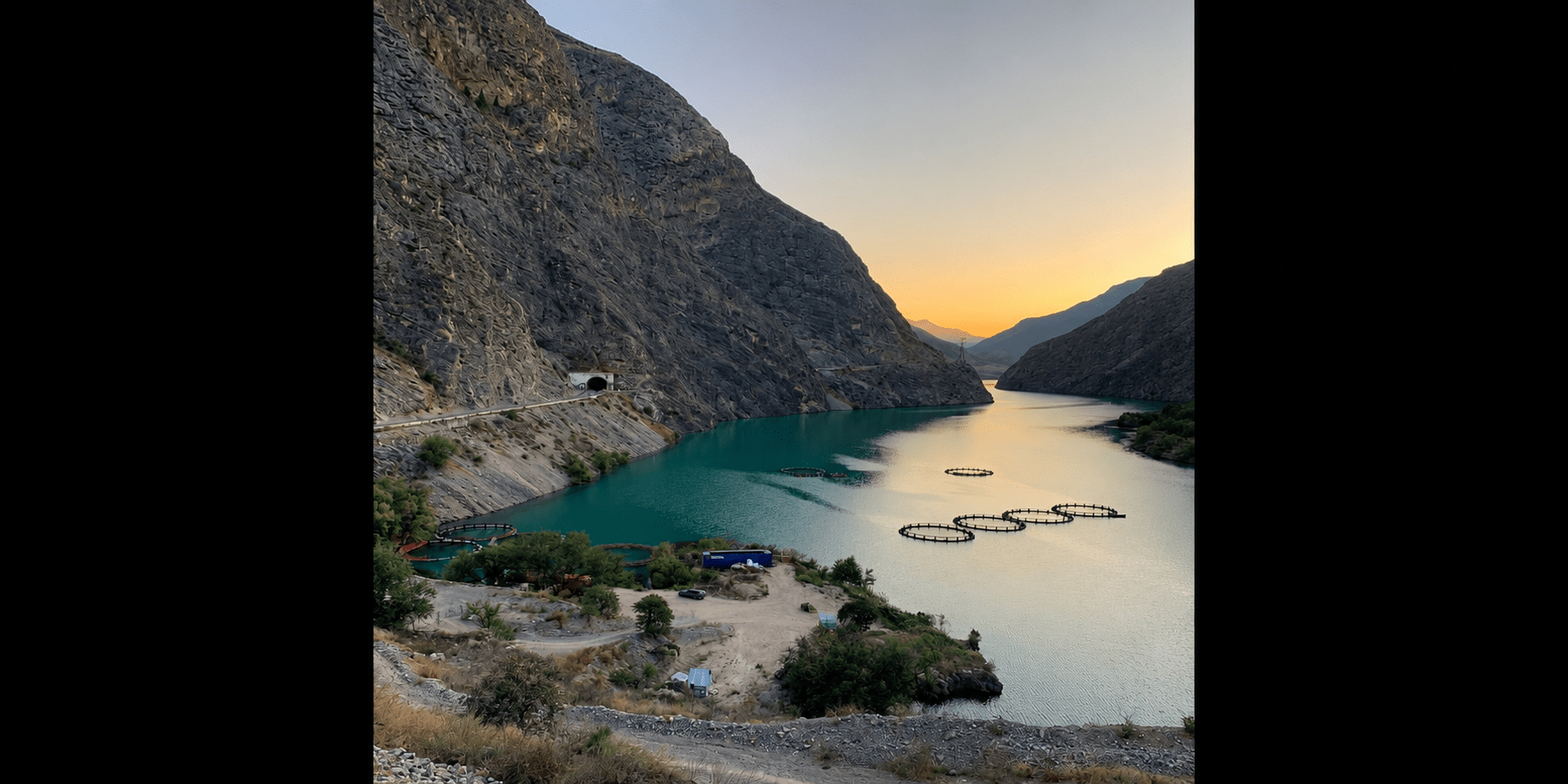
As a landlocked country with abundant freshwater resources, including lakes, reservoirs, and rivers, Kyrgyzstan has considerable untapped potential for aquaculture development. The project aims to strengthen fish value chains, increase incomes for producers and related businesses, create jobs in rural communities, and contribute to more resilient and sustainable food systems.
Aquaculture has been developing rapidly in Kyrgyzstan in recent years. According to the Ministry of Water Resources, Agriculture and Processing Industry, commercial fish production reached 4,029 metric tons in the first quarter of 2026, while 545 fish farms were operating nationwide.
The largest share of production came from Chui Region in northern Kyrgyzstan, which produced 2,206 tons of fish across 398 farms. It was followed by Jalal-Abad Region with 962 tons from 39 farms, Issyk-Kul Region with 311 tons from 48 farms, Naryn Region with 243 tons from 34 farms, Talas Region with 195 tons from 15 farms, and Osh Region with 110 tons from 11 farms.
The ministry says it is continuing efforts to modernize aquaculture production, introduce advanced farming technologies, increase the supply of high-quality fish products to the domestic market, and expand export opportunities for the sector.
The FAO initiative is expected to support those goals by helping Kyrgyz producers improve efficiency, meet market requirements, and build a more competitive and environmentally sustainable aquaculture industry.