Oman’s Voltamp Energy has signed agreements to develop a $350 million solar plant and a transformer factory in Uzbekistan. The projects announced during President Shavkat Mirziyoyev’s visit to Muscat would supply the Uzbek electricity sector, giving Oman business opportunities despite war disrupting trade through Iran.
The agreements add to Omani investments already operating in Uzbekistan. In June, logistics group Asyad acquired control of two Tashkent freight facilities that handle about a quarter of the country’s railway container traffic. Omani companies can sell electricity and equipment to Uzbek customers, while earning freight revenue from the country’s wider trade. Neither business requires a dependable shipping connection to Oman.
That connection remains a longer-term ambition. Uzbekistan wants to move goods through Turkmenistan and Iran to Iranian seaports, then onward to Oman. However, the U.S. blockade of Iranian ports threatens the sea crossing, even where the destination lies outside the Strait of Hormuz.
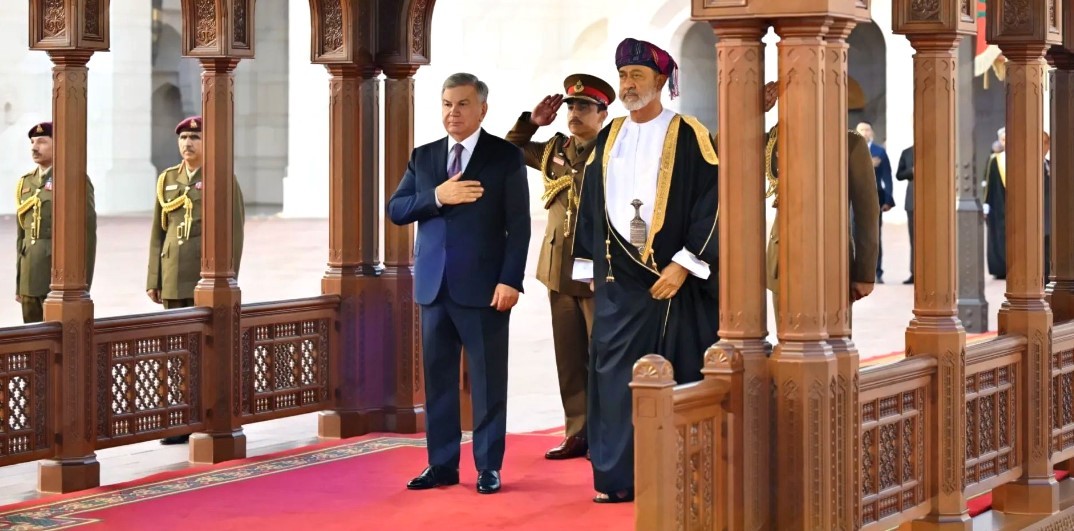
Mirziyoyev’s November 16–17 visit has combined investment agreements with efforts to improve access to overseas markets, but for Oman, the most immediate returns are likely to come from businesses serving Uzbekistan itself.
Solar Power and Transformer Production
Voltamp and Uzbekistan’s UET Construction signed a joint development agreement for a 500 MW solar plant in Ferghana. Uzbekistan’s Energy Ministry put the planned investment at $350 million, with site studies and preparation of the financial model preceding a commercial proposal.
Voltamp also agreed with NURA Electric and the Uzbek-Oman Investment Company, known as UzOman, to establish a transformer factory. Uzbekistan’s electrical engineering association said it would produce high-voltage transformers, with planned annual capacity totaling 5,000 MVA.
The factory would supply equipment used to connect power generation to the grid. Alongside the solar project, it gives Omani investors a role in both producing electricity and supplying the infrastructure to distribute it.
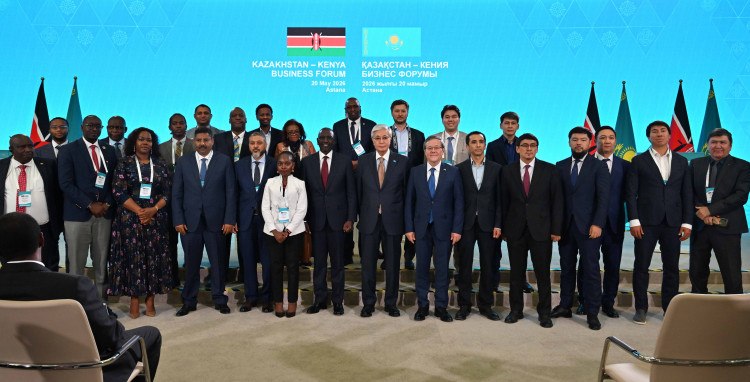
Uzbekistan’s government announcement confirmed the signed documents covering energy and logistics at a business forum attended by more than 150 representatives.
Before the visit, Oman’s Foreign Ministry said Uzbek Investment Minister Laziz Kudratov had announced preparations for around 30 agreements and documents. They covered projects and contracts worth approximately $5 billion. Kudratov also welcomed plans to raise UzOman’s authorized capital to $500 million.
Omani Investors Already Serve Uzbek Customers
Asyad’s June acquisition gave it controlling stakes in Universal Logistics Services and Highway Logistics Center. The transaction involved Orient Group and UzOman.
Trade between Uzbekistan and Oman totaled $2.3 million in 2025 and $3.3 million in January–September 2026, according to Oman’s Foreign Ministry. Asyad’s terminals serve Uzbekistan’s broader import and export trade.
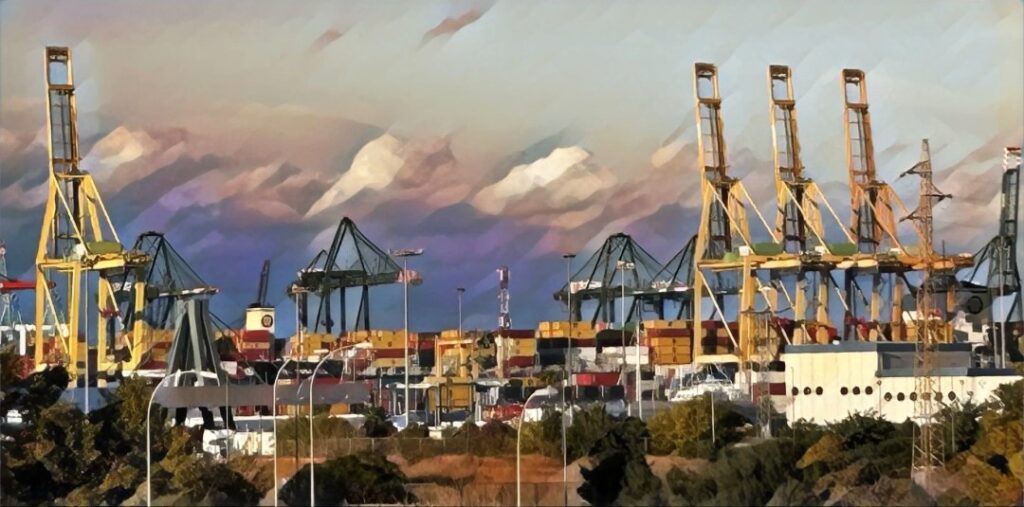
Asyad plans to integrate the Tashkent terminals into its logistics network and direct more cargo through Omani ports. The terminals already provide freight handling and storage services within Uzbekistan, generating business while the southern shipping route remains disrupted.
UzOman’s investment portfolio includes other businesses serving local customers, including interests in the Korzinka supermarket chain and commercial property, alongside an agrochemical facility under development with Türkiye’s Hektaş.
Iran Remains the Obstacle to Sea Access
Uzbekistan’s interest in Omani ports predates the current visit: the Ashgabat Agreement, signed in April 2011, established a framework for a corridor linking Central Asia with Gulf countries. Turkmenistan and Iran were also among its parties. An Uzbek embassy briefing ahead of the visit again identified that corridor as a priority. Transport officials discussed it in February 2026, including greater use of Omani ports for onward shipping.
Iran already carries an important share of Uzbekistan’s trade. In 2025, around 9% of imports and 10% of non-gold exports passed through it. Uzbekistan’s Ministry of Economy and Finance has estimated potential losses from the current instability in the Middle East at $1 billion to $1.5 billion.
The U.S. blockade directly affects the proposed connection to Oman. In a May statement, U.S. Central Command said enforcement covered vessels of all nationalities entering or departing Iranian ports, including those on the Gulf of Oman. On November 10, Reuters cited Central Command as saying U.S. forces had disabled a cargo vessel after it visited an Iranian port.
Oman’s Sohar port lies outside the Strait of Hormuz, meaning vessels approaching from the open ocean can avoid that chokepoint. But a ship departing Iran for Sohar would still be subject to restrictions on Iranian ports.
The two governments are also pursuing a preferential trade agreement. According to Muscat Daily, Uzbekistan proposed opening negotiations in December, initially covering 200 product categories. For Omani companies already operating in Uzbekistan, lower duties would help turn their investments into more trade between the two countries.