Kazakhstan says it has launched 125 industrial projects worth 900 billion tenge ($2 billion) since the beginning of 2026, with another 75 projects nearing completion. Total planned investment in the 200 projects exceeds $3.8 billion.
Minister of Industry and Construction Yersayin Nagaspayev presented the figures at a government meeting on November 17.
According to ministry estimates, once all 200 projects reach full capacity, they could produce $3.4 billion worth of goods annually, with approximately one-third intended for export. The projects are expected to create more than 17,000 jobs, including 5,500 in rural areas.
Kazakhstan’s manufacturing sector grew by 9.3% in January–October compared with the same period last year, while overall industrial output increased by 3.5%. Mining output fell by 3.4% over the same period.
Nagaspayev said the new projects would allow Kazakhstan to manufacture products not previously made domestically, including steel rims for railway wheels, gears, industrial presses, drip irrigation systems, and aluminum coffee capsules.
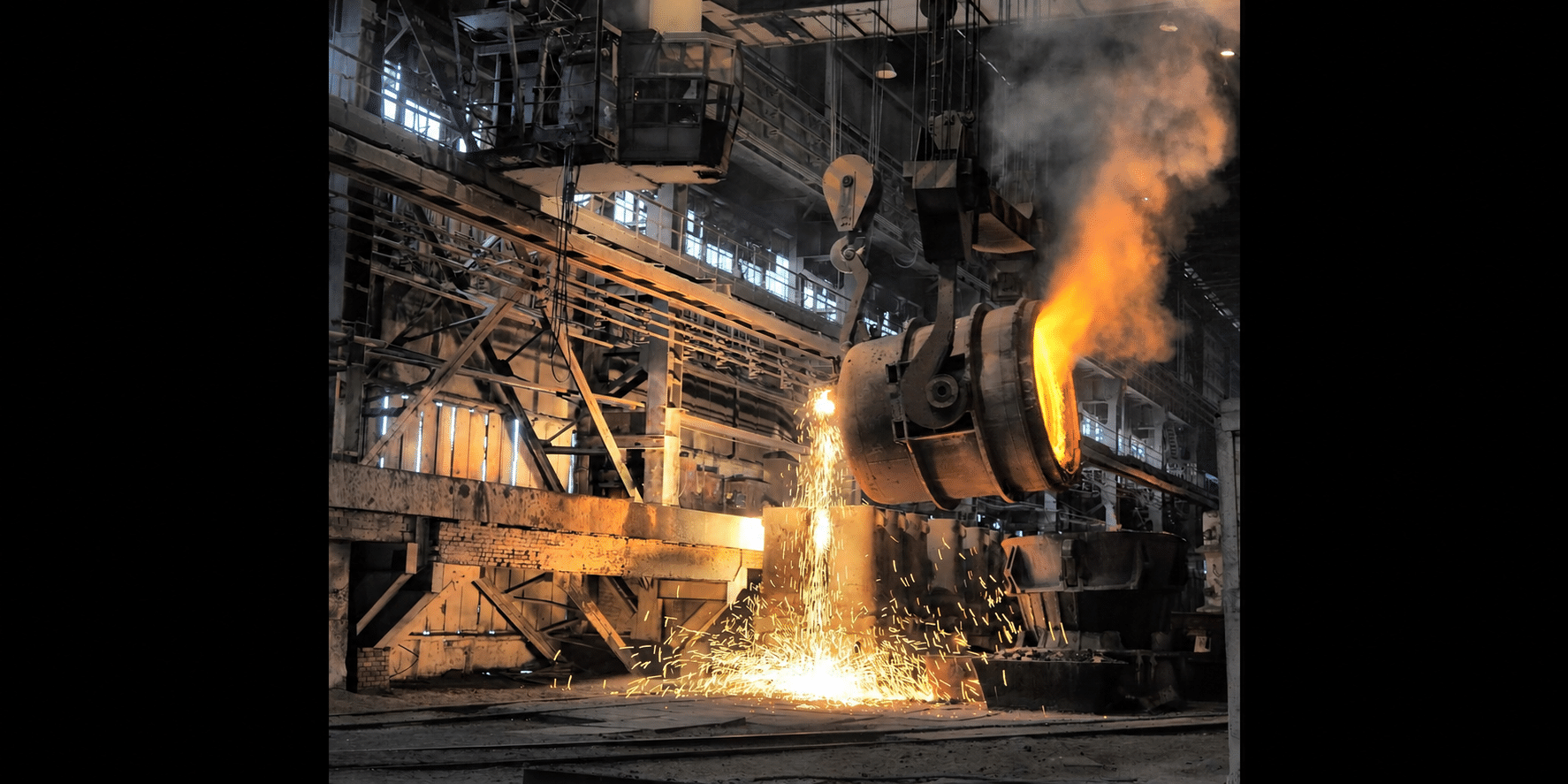
Separate, longer-term investments include two major copper smelters expected to begin production in 2030. Kazakhstan produces approximately 3.4 million metric tons of copper concentrate annually but processes only 59% of that volume domestically. By 2030, the government aims to increase concentrate production to 5.1 million metric tons, with projects at the Koksay and Aidarly deposits expected to account for the additional 1.7 million metric tons.
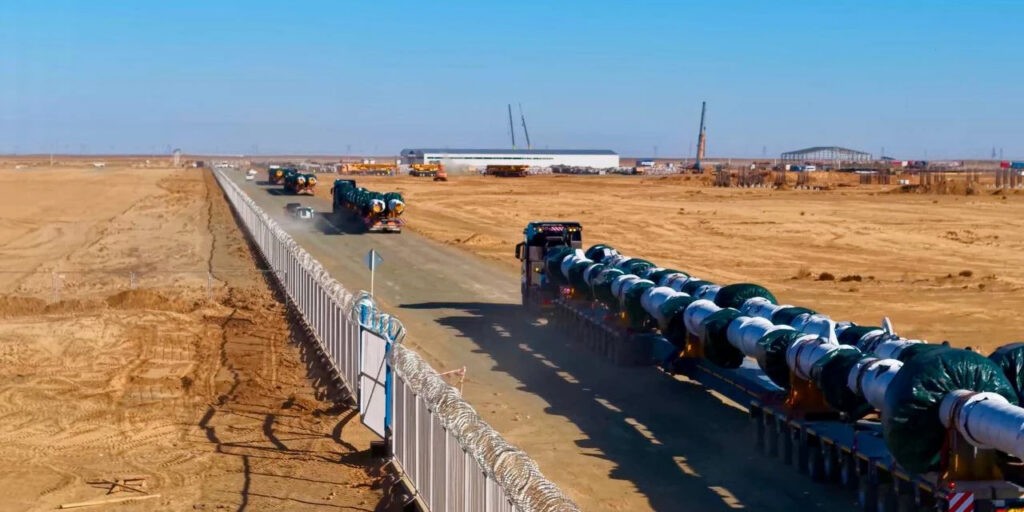
To expand domestic processing, a copper smelter is being built in Aktogay in the Abai region. The plant will have an annual capacity of 300,000 metric tons of refined copper, with initial production expected in 2030. Construction officially began on October 20. The project, valued at approximately $1.8 billion, is being developed by KAZ Minerals with a Chinese engineering partner.
Another facility with the same capacity is planned for Balkhash in the Karaganda region. Construction is scheduled to begin in 2027, with production expected in 2030. The plant is expected to create 1,200 jobs.
The ministry aims to increase annual copper output from 471,000 metric tons to 1.1 million metric tons by 2030 and more than double production of finished copper products to 40,000 metric tons. Even if these targets are achieved, most of the copper industry’s output will remain metal rather than finished goods.
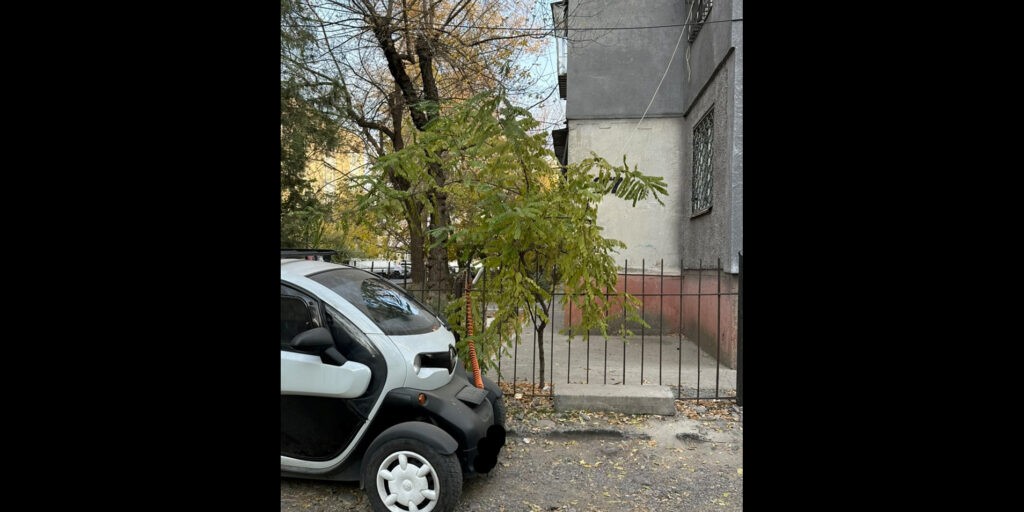
Kazakhstan is also aiming to increase the share of locally manufactured components in its automotive industry. The country already produces batteries, tires, seats, and multimedia systems. In 2026, manufacturers began producing heating and climate control systems, floor coverings, and engine blocks for trucks. Steel supplied by Temirtau-based Qarmet is used to stamp body panels for buses.
A plant capable of producing up to 60,000 automotive components annually is expected to open in Kostanay by the end of the year. Production of automotive wiring harnesses, brake lines, and fuel lines is also being prepared in Almaty.
Heavy-duty vehicles are another area of development. Kazakhstan already assembles HOWO and Scania trucks, while Volvo assembly operations are expected to begin in Almaty before the end of 2026. Prime Minister Olzhas Bektenov has also reported talks with Mercedes-Benz about possible production in Kazakhstan.
In Saran, in the Karaganda region, the $54 million Saran Machinery project is being developed. The plant is designed to produce up to 10,000 HOWO trucks annually. Initially, production will be limited to assembling cabs and chassis, with plans to introduce welding, painting, and the domestic manufacture of certain components at later stages. The project’s original timetable called for it to begin operating in the second quarter of 2026, but construction was still nearing completion in November.
The next step is to make more of those components in Kazakhstan. Several of the announced vehicle projects still depend on imported parts.