China’s Expanding Electric Bus Footprint in Central Asia

In recent years, there has been a visible increase in electric vehicle exports from China to Central Asia. Although much public attention goes to electric cars, the spread of Chinese electric buses across the region is equally meaningful. Kyrgyzstan provides a clear example of this trend, where manufacturers such as Yutong and Anhui Ankai Automobile have become important actors in the country’s effort to modernize its public transport system.
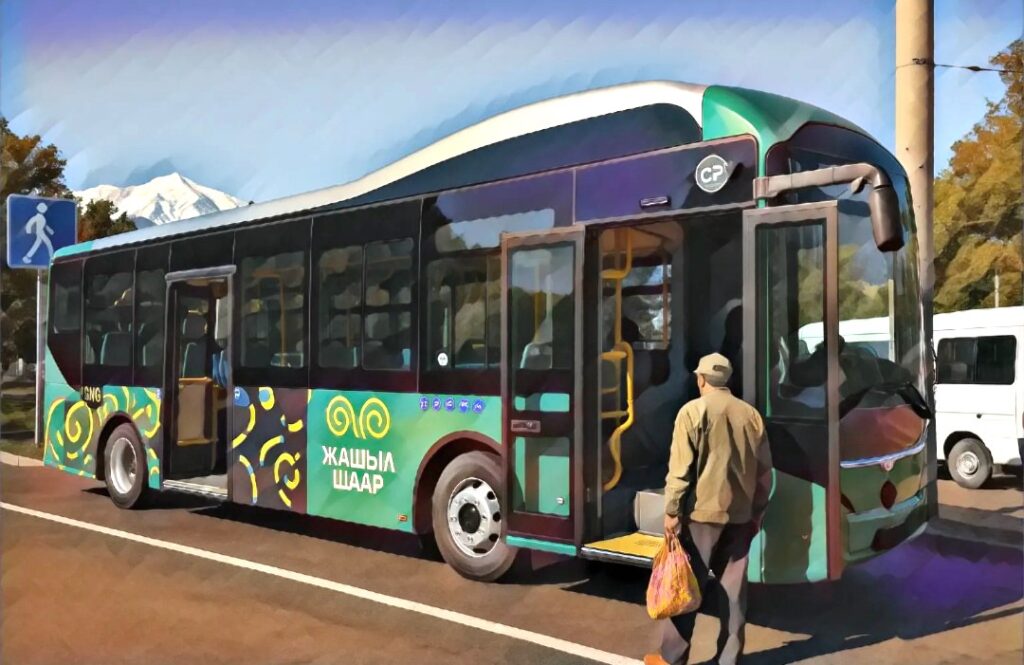
Through the Asian Development Bank-funded Urban Transport Electrification Project, Kyrgyzstan purchased 120 battery electric buses from Anhui Ankai Automobile. A complementary initiative by the European Bank for Reconstruction and Development under its Green City program is supporting the delivery of 95 new 12-meter Yutong buses. The first batch of 20 Yutong vehicles reached the country in November 2025, marking a practical step forward in Kyrgyzstan’s shift toward cleaner transportation.
Mutual Benefits and Strategic Alignment
Cooperation in the electric bus sector offers advantages for China and Kyrgyzstan in different but interconnected ways. For Chinese companies, emerging markets such as Kyrgyzstan present new commercial openings at a time when access to some advanced markets faces stricter regulatory conditions.
Exporting electric buses to Central Asia allows Chinese manufacturers to diversify revenue streams while strengthening their global presence. The growing visibility of Chinese green technologies also fits within the broader vision of the Green Silk Road, which aims to reinforce an image of China as a partner in sustainable development.
China’s involvement in Kyrgyzstan’s electric mobility market broadens the scope of bilateral engagement. Previous cooperation often focused on large infrastructure and energy projects. The addition of electric mobility creates a more diversified framework that touches directly on urban life and community-level benefits.
Opportunities for Kyrgyzstan’s Green Transition
Kyrgyzstan stands to gain significantly from the expansion of electric public transport, especially with the support of multilateral development banks. Access to affordable and modern electric buses enables cities to renew outdated fleets and reduce their reliance on conventional diesel-powered vehicles.
Environmental and public health benefits are among the most important outcomes. The transportation sector accounts for an estimated 28% of Kyrgyzstan’s national greenhouse gas emissions, making a transition to cleaner mobility essential for meeting sustainability goals. Electric buses can reduce air pollution in densely populated areas and improve overall urban health.
Kyrgyzstan’s electricity mix relies heavily on domestically generated renewable energy, particularly hydropower. This makes the shift to electric mobility even more beneficial. When electric buses are powered by renewable sources, the overall carbon footprint of the fleet is significantly lower. Reduced dependence on imported fossil fuels further strengthens national energy security.
A Gradual but Meaningful Transformation
The growing presence of Chinese electric buses in Kyrgyzstan reflects a broader regional transformation. Public transport electrification is becoming an important element of Central Asia’s green development path. While challenges remain in finance, maintenance, and charging infrastructure, the overall direction is clear.
Partnerships that bring together Chinese manufacturers, multilateral development institutions, and Central Asian governments are creating new opportunities for sustainable mobility. For Kyrgyzstan, these developments support cleaner cities and healthier communities. For China, they help build constructive economic and technological ties in the region.
Electric buses, therefore, represent more than a technological product. They symbolize how environmental goals, market developments, and international cooperation are gradually reshaping the landscape of Central Asia.