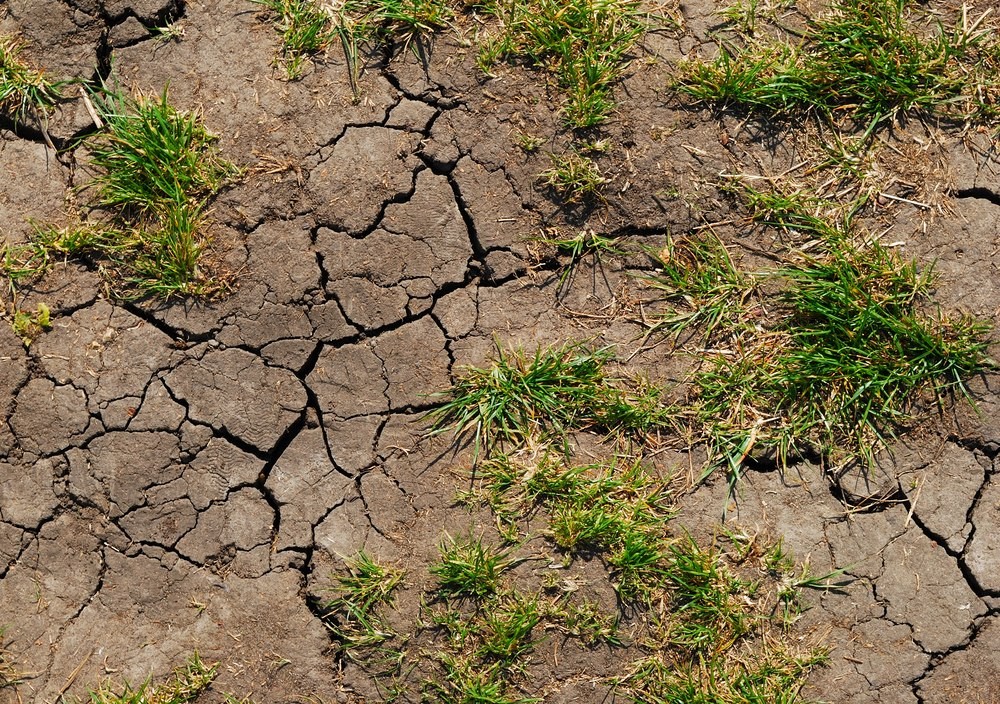
Around 29 million hectares of land in Kazakhstan are affected by erosion, while 27.1 million hectares of pastureland are degraded. Kazakhstan’s environmental association ECOJER is proposing trials of Chinese technologies to retain soil moisture, reduce pesticide use, and restore land in the country’s arid regions.
ECOJER representatives studied these technologies during a visit to China’s Hunan province. The association was particularly interested in biological fertilizers, targeted spraying, specialized seed treatment, and methods for restoring pastureland.
According to ECOJER, targeted spraying can reduce the use of chemical pesticides by 30-50%. For degraded pastures, Chinese specialists use bio-organic additives and ground-cover crops. These stabilize the topsoil and help retain moisture. According to data presented to the association, the soil’s moisture-retention capacity could increase by 20-30%. These figures have not yet been tested in Kazakhstan.
Another area concerns carbon farming. ECOJER proposes creating a digital map of organic carbon content in the country’s soils and assessing the amount of CO₂ absorbed by agricultural land after soil conservation technologies are introduced. The association estimates the potential additional absorption at 15-30 million tonnes of CO₂ a year. There is currently no independent confirmation of this estimate.
“For Kazakhstan, the key task is to model the carbon content of soils and assess their exact sequestration potential. This will make it possible to determine the environmental contribution of our land to decarbonization while also providing an economic benefit for farmers through additional returns from climate projects,” said ECOJER CEO Rustem Kabzhanov.
Kazakhstan has already begun research in this area. In 2025, the KAZ AGRO CARBON agroclimatic carbon testing site opened in the Akmola region. Soil carbon content and greenhouse gas fluxes are measured at the site.
Following the visit, ECOJER also proposed establishing a joint Chinese-Kazakh center for carbon farming. The center is intended to test drought-resistant varieties and soil restoration technologies. For now, the project remains at the proposal stage.
The Times of Central Asia previously reported that ECOJER had been granted special consultative status with the United Nations Economic and Social Council, ECOSOC.