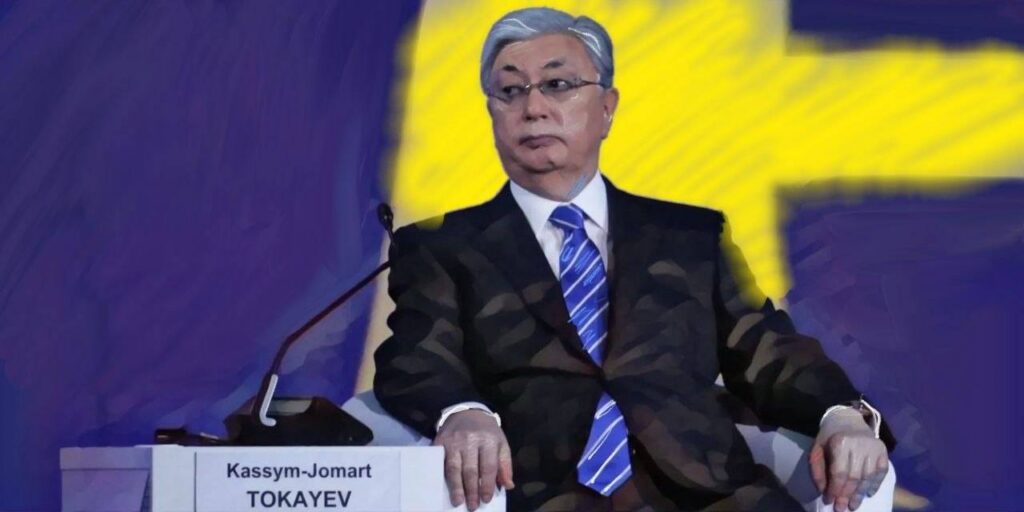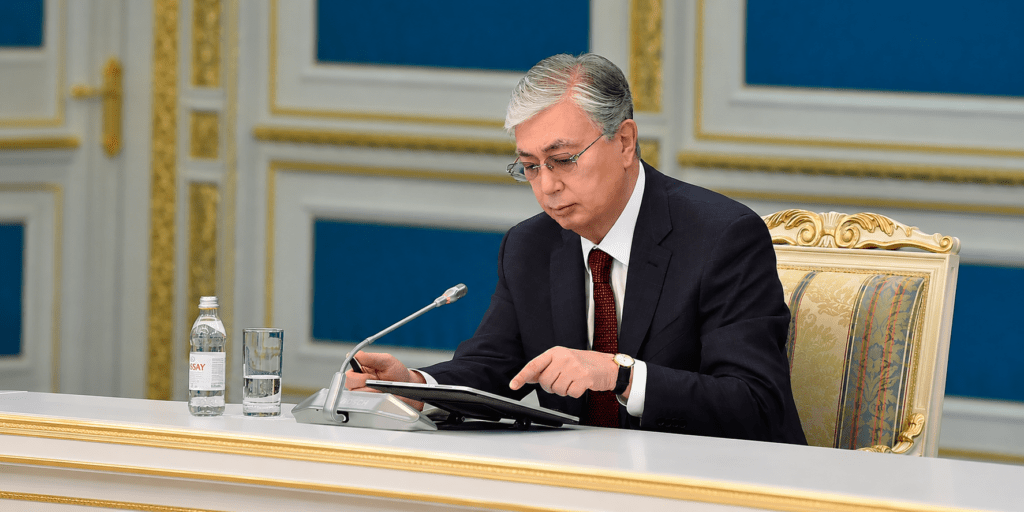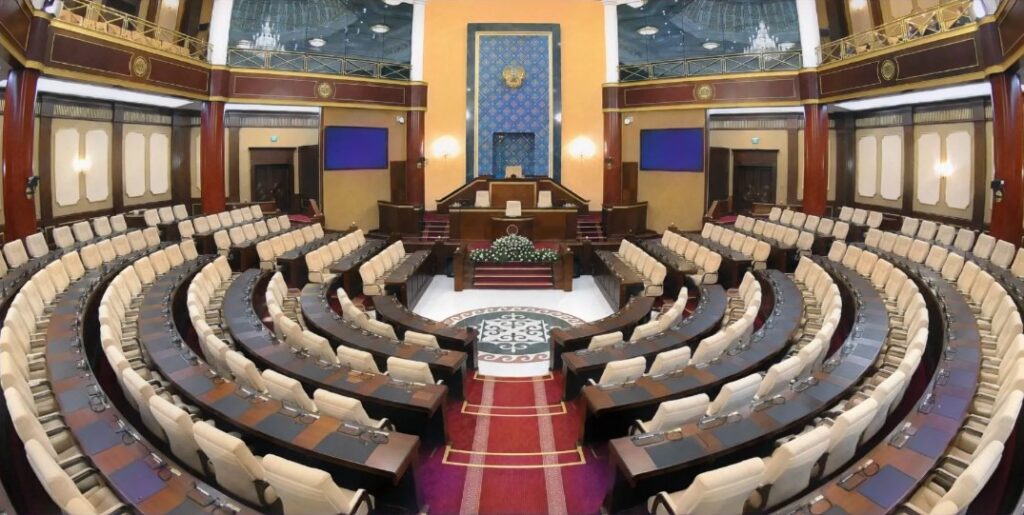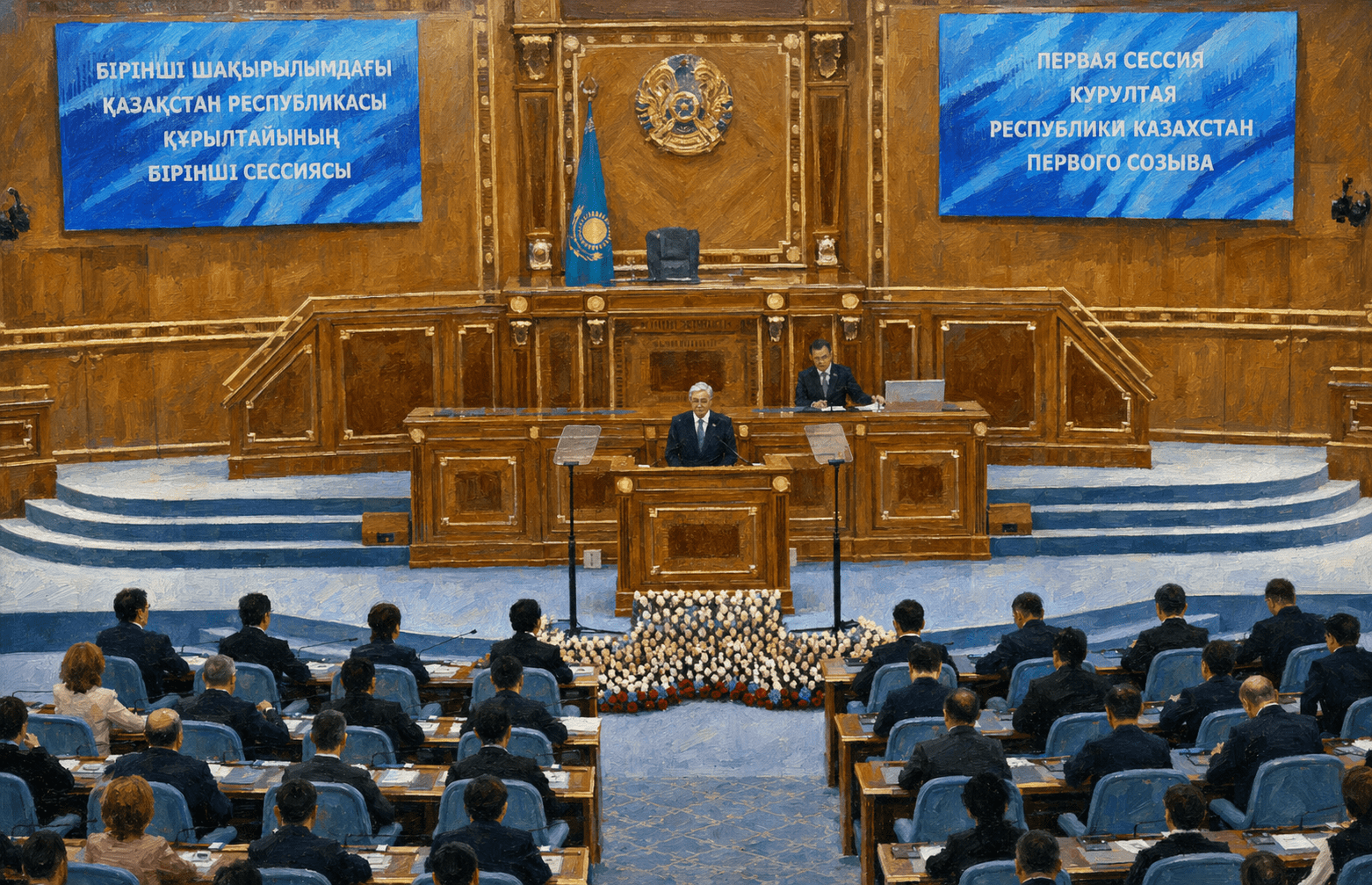
President Kassym-Jomart Tokayev used the opening of the first session of Kazakhstan’s new unicameral parliament, the Kurultai, on August 28 to link institutional renewal at home to Kazakhstan’s ability to adapt and sustain its international standing. In an international system becoming more chaotic and technologically disruptive, he argued, Kazakhstan must continue modernizing and strengthen the domestic foundations of its sovereignty and international role.
Tokayev described global events as increasingly chaotic and difficult to predict. Major powers, he said, had largely stopped trusting one another, weakening the United Nations and creating a larger role for regional organizations and middle powers, including Kazakhstan. The emerging world order was dangerous and contradictory, but also technologically progressive and potentially transformative.
The states most likely to adapt, he argued, would be those able to strengthen their sovereignty through economic strength, scientific capability, military and diplomatic capacity, and human development. He later said Kazakhstan had a clear plan of action and knew where it was going.
That argument dates to the beginning of Tokayev’s presidency. At his inauguration in June 2019, he said the world had entered an era of rapid change shaped by trade wars, international tensions, failing security mechanisms and regional conflicts. The decisive question, he argued, would be which countries could adapt to new global realities and which would be left behind. Economic, social and political progress was Kazakhstan’s necessary response.
Three months later, his first State of the Nation address set out the method. Political reform would proceed consistently, persistently and thoughtfully. Economic modernization could no longer succeed without changes in political and social life. Tokayev reiterated the formula of a strong president, an influential parliament and an accountable government, while introducing the concept of a Listening State able to respond to citizens.
The language has evolved, but the central argument has remained consistent. In Tokayev’s account, reform is not a fixed package but an ongoing response to changing conditions.
After proposing the transition to a single-chamber parliament in his September 2025 State of the Nation address, Tokayev presented it at the UN General Assembly as part of an effort to make the political system more effective, transparent and responsive. Following the 2026 constitutional referendum and the election of the first Kurultai, the proposal has now moved from constitutional design into legislative practice.
Tokayev instructed deputies to bring legislation into line with the new Constitution and maintain and strengthen the legal scrutiny previously carried out by the Senate. He called for wider expert review and the use of the E-Parliament platform and artificial intelligence to improve lawmaking, while emphasizing that technology could not replace professional legal expertise.
He also set out a legislative agenda covering digital assets, AI in secondary education, migration policy and the Golden Visa, energy-sector resilience and online platforms. He supported a proposed ban on social-media registration for children under 16. The Kurultai, in his formulation, must legislate more quickly without sacrificing legal rigor or public discussion.
Tokayev has repeatedly treated political reform, economic policy, technology and social development as parts of the same modernization process. In the August 28 speech, he extended that thinking to national consciousness, calling for a society grounded in reality rather than myth, progress and science rather than nostalgia, and work and self-discipline rather than empty rhetoric.
He said modernization must include not only state institutions and the economy, but also civic outlook and national mentality. Kazakhstan, in his formulation, should understand its history without making grievance the foundation of its identity. A mature nation should learn from the past while retaining the confidence to move forward.
The foreign-policy section connected this domestic agenda to Kazakhstan’s external standing. Tokayev said Kazakhstan had maintained a strong international position despite global turbulence and declining trust among states. He added that major powers take the country’s positions into account and pledged to continue protecting national interests through peace, friendship and mutually beneficial partnership.
That assessment has also been made in Washington. U.S. Representative Tom Suozzi, a member of the Congressional U.S.-Kazakhstan Caucus who has visited Kazakhstan and met Tokayev, described the country in the Congressional Record last year as “a peaceful and stabilizing force in Central Asia” and “a model of pragmatic, balanced diplomacy.”
Tokayev’s August 28 speech placed the Kurultai within a strategic course he has pursued since 2019. Kazakhstan cannot control the turbulence surrounding it, but it can determine how clearly it defines its interests, how steadily it modernizes and how effectively its institutions perform. In a turbulent world, Kazakhstan’s role as a stabilizing force serves a broader international interest. Whether it can sustain that role abroad will depend on how successfully Tokayev strengthens the state at home.