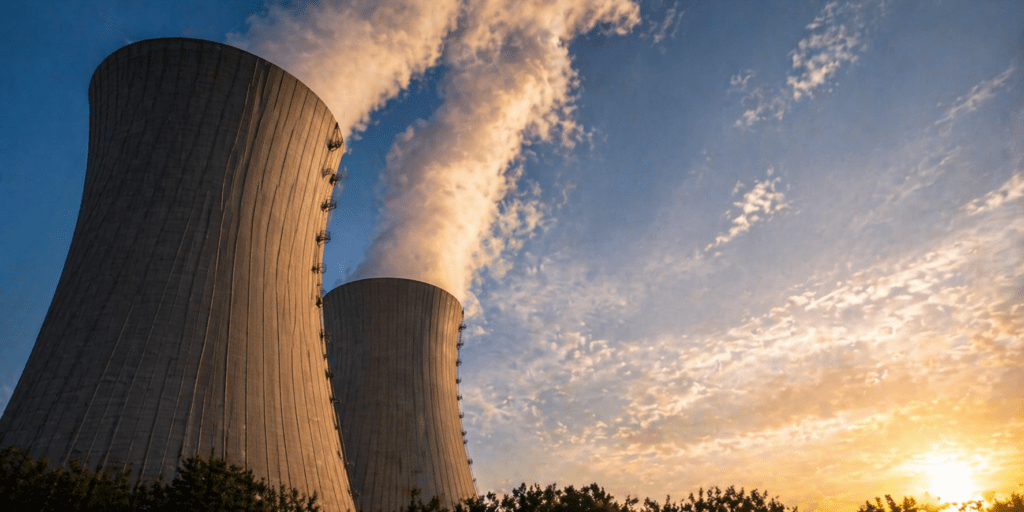
Construction is underway on Uzbekistan’s first nuclear power plant, a $9.5 billion project in the Jizzakh Region. The government wants Uzbek companies to take on a larger share of construction and equipment production, while work is also beginning on infrastructure and a new town alongside the plant.
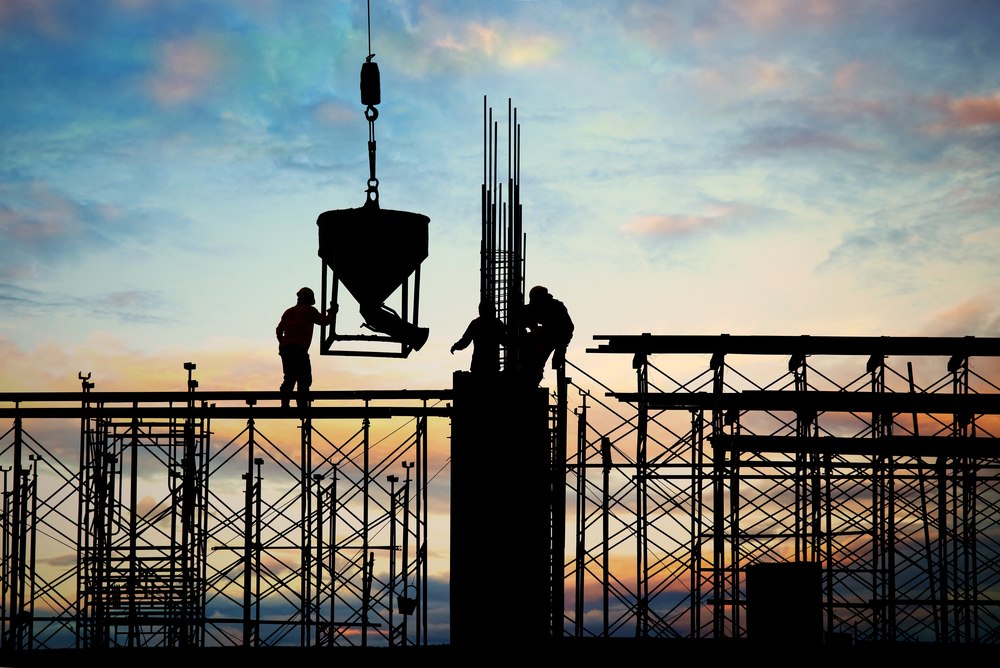
The project entered the construction phase on June 4. Excavation for the reactor building has now been completed, with more than 1 million cubic meters of soil removed. Uzbek-made products are currently expected to account for 21% of the project, or about $1.9 billion. Authorities want to raise that share to at least 30%, while local companies are expected to carry out 65% of construction and installation work.
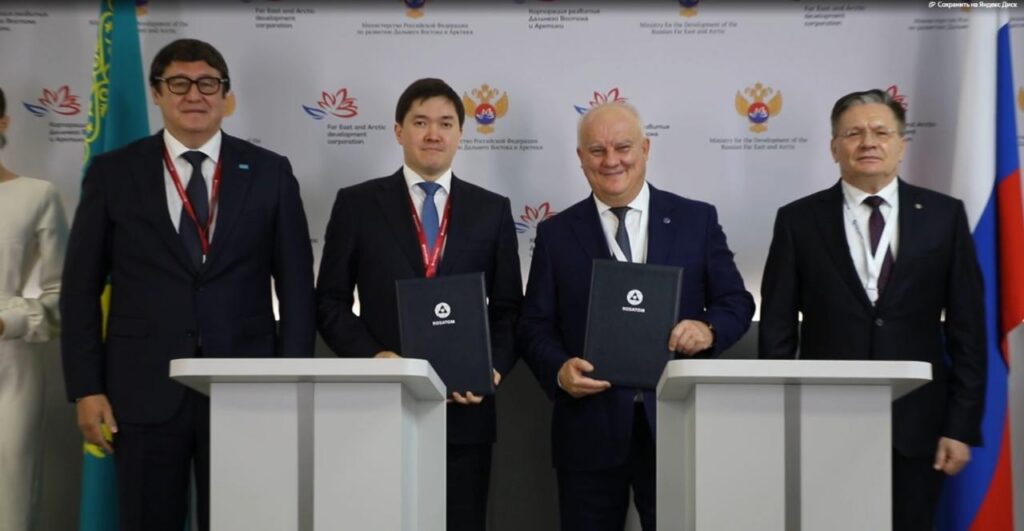
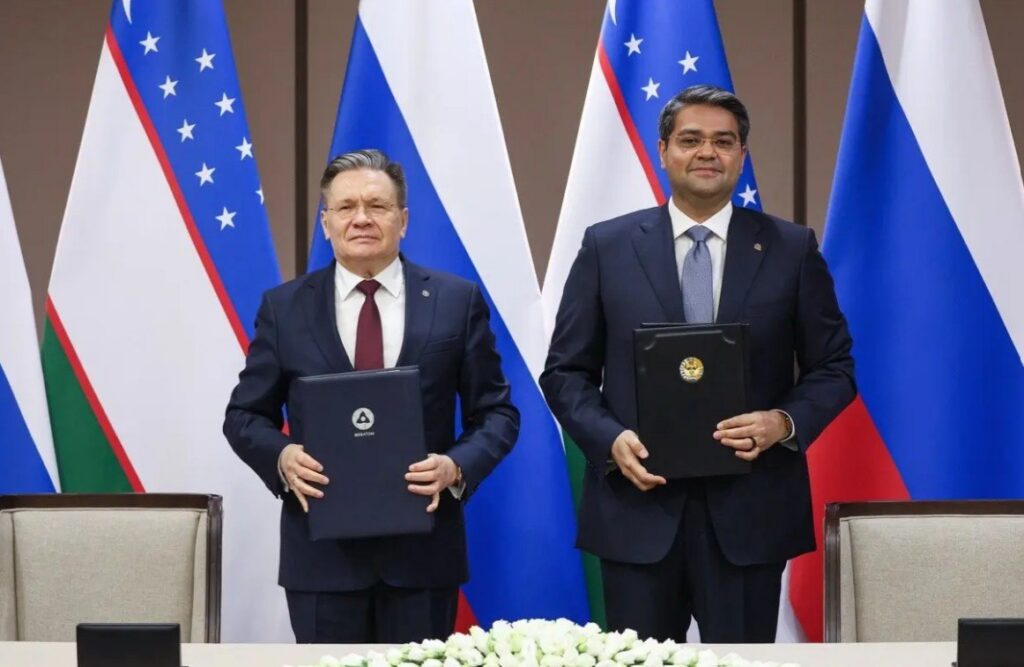
The government says up to 7,000 Uzbek workers and specialists could be involved at different stages of construction. For now, however, the project remains reliant on foreign expertise: the general contractor is Atomstroyexport, the engineering division of Russia’s state nuclear corporation Rosatom.
As part of the push to increase local participation, authorities plan to create a 200-hectare industrial zone in the Forish District. It could host at least 100 joint ventures, with local production established in 15 areas, including through the transfer of foreign technology. The government is also preparing tax and customs incentives intended to encourage local production.
The Jizzakh project has expanded significantly since it was first agreed. The original deal with Rosatom envisaged a small nuclear power plant consisting of six RITM-200N reactors. The concept was later revised: the integrated complex is now planned to combine two large VVER-1000 units with two RITM-200N small modular reactors.
The plant will also require extensive supporting infrastructure, including new power lines, 120 kilometers of water pipelines, 40 kilometers of roads, and 11 kilometers of railway. Authorities want locally produced goods and services to account for 60%-70% of this infrastructure work.
A separate town for plant employees and their families is planned next to the site. Around 10,000 homes and apartments for nearly 33,000 people are expected to be built on 200 hectares.
Uzbekistan is also developing the technical and regulatory capacity needed to oversee a project of this scale. The government is considering a joint venture with foreign engineering companies to provide independent technical assessments during construction.
In June, a mission from the UN’s International Atomic Energy Agency (IAEA) visited Uzbekistan to review the country’s progress in developing the national infrastructure needed for a nuclear power program.
The reliance on foreign expertise has also prompted efforts to train a domestic nuclear workforce. Since 2023, 216 students have graduated from the Tashkent branch of Russia’s National Research Nuclear University MEPhI. Of these, 83 are continuing their master’s or postgraduate studies at institutions abroad. Around 100 more future nuclear industry specialists are studying at four higher education institutions in Uzbekistan.
Uzbekistan’s nuclear plans are developing as electricity consumption grows rapidly. The country is simultaneously building solar and wind power plants, developing hydropower, and seeking to reduce the amount of natural gas burned to generate electricity. The nuclear plant is intended to add a major source of stable baseload generation to that system.
The Jizzakh site, meanwhile, no longer appears to be Uzbekistan’s only planned nuclear project. On August 17, authorities announced that preparations for a second nuclear power plant would begin soon. Uzbekistan is therefore already planning beyond Jizzakh before its first nuclear power plant has been completed.