The number of people above working age in Kyrgyzstan has increased by more than 146,000, or 25%, over the past five years. The country still has a relatively young population, but the growing number of older people is nevertheless raising questions about the long-term sustainability of its pension system.
At the beginning of 2026, Kyrgyzstan had a population of 7.4 million, including 737,000 people above the standard retirement age – 63 for men and 58 for women – accounting for about 10% of the population. Women outnumber men in this group by roughly two to one, as they not only tend to retire earlier but also live longer: 76.9 years compared with 68.7 years for men.
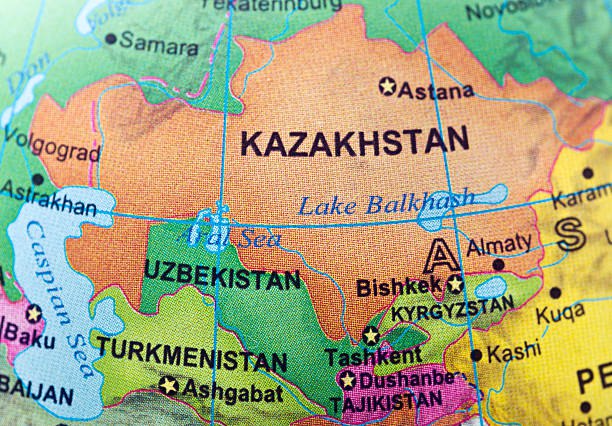
For international demographic comparisons, the share of people aged 65 and older is more commonly used. In Kyrgyzstan, this group now accounts for 6.4% of the population and is projected to approach 7% around 2030. By comparison, people aged 65 and older make up about 9% of Kazakhstan’s population and roughly 18% in Russia, Belarus, and Moldova.
This is not the only challenge facing the pension system. In 2025, the Social Fund – the country’s pension pot – had about 1.46 million social insurance contributors and 816,600 pensioners, or roughly 1.8 contributors per pensioner. Social Fund officials have previously said that around three workers per pensioner are needed to maintain the system’s financial sustainability.
One reason is the scale of informal employment. In 2024, it was estimated that more than 24% of employed people worked without formal registration. For the pension system, that means fewer workers making regular social insurance contributions.
The National Statistical Committee estimated the unobserved economy at 19.5% of GDP in 2024, although its breakdown by economic activity excludes agriculture, which provides a livelihood for a large swathe of the country.
As previously reported by The Times of Central Asia, Kyrgyzstan is developing a program to help older people remain healthy, economically active, and socially engaged as the population ages. The government says the measures are intended to improve quality of life in old age while reducing some of the economic and social pressures associated with an aging population.