A $1 billion pharmaceutical industrial park is planned in Kyrgyzstan as the country seeks to expand domestic drug production in a market still dominated by imports.
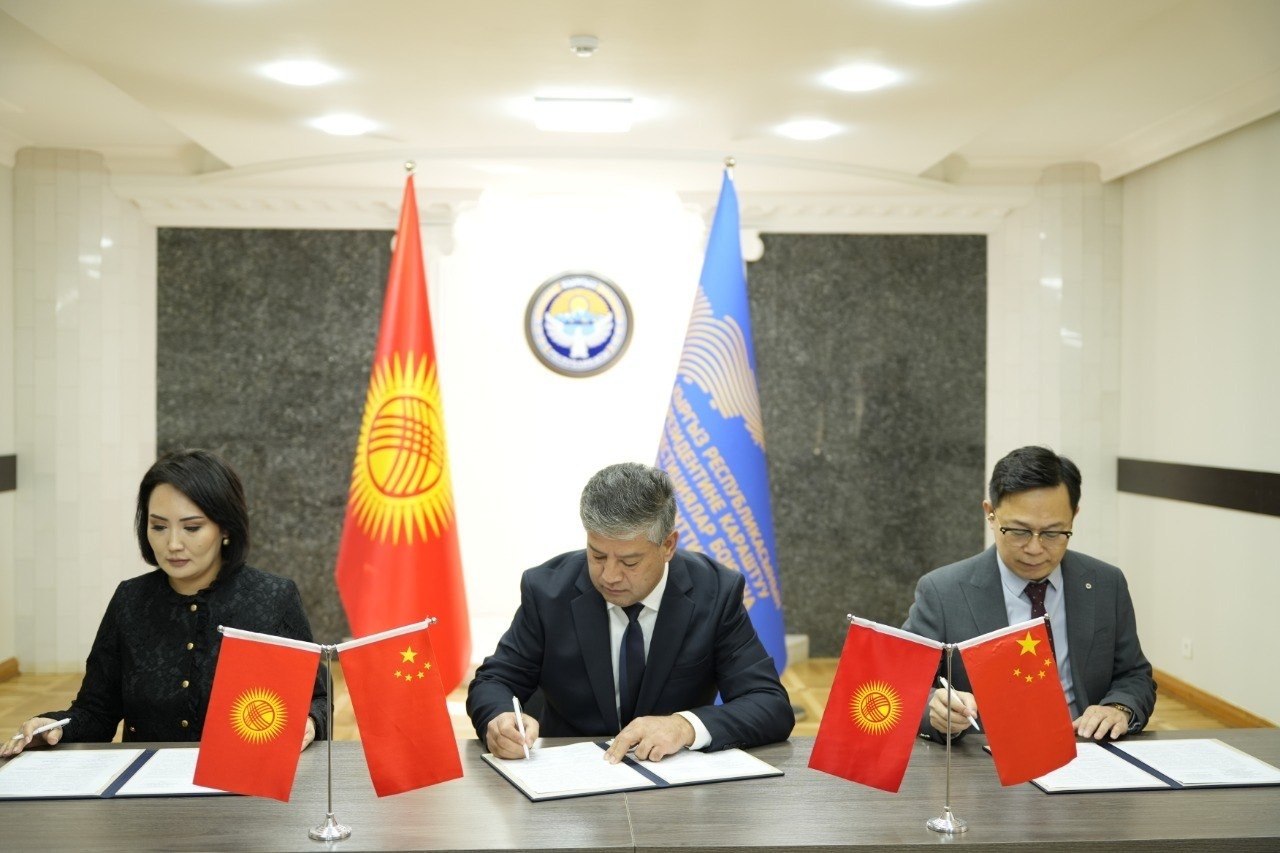
The National Investment Agency signed a memorandum on the project with 21st Century Biomedicine on September 29. The full-cycle complex is planned for a 20-hectare site and would be developed in three stages over six years.
The park is expected to include a research center, drug-production facilities, a medical devices center, and a business incubator.
Less is known about 21st Century Biomedicine itself. The company has little visible public profile, and no clear record of previous pharmaceutical projects appears in publicly available sources. Kyrgyz reports say Bishkek-based MedPharm Consulting will provide organizational, technical, and legal support for the development.
The proposal comes amid growing Chinese interest in Kyrgyzstan’s pharmaceutical sector. In December 2024, the government approved an investment agreement for a Kyrgyz-Chinese pharmaceutical project led by Standard Pharm Group, with planned investment of more than $41 million. Chinese investors have since discussed further projects, including a pharmaceutical plant using locally grown medicinal herbs.
Drug production at the proposed industrial park is planned to comply with the Eurasian Economic Union’s Good Manufacturing Practice standards, which set common requirements for pharmaceutical manufacturing and quality control across Armenia, Belarus, Kazakhstan, Kyrgyzstan, and Russia. Meeting those standards would be one requirement for exporting medicines within the EAEU.
According to the National Investment Agency, domestic production currently covers around 4% of Kyrgyzstan’s pharmaceutical needs. If the park is completed, the project is expected to raise the country’s pharmaceutical self-sufficiency to 25–30%. The proposed development is also expected to create 2,500–3,000 direct jobs and more than 10,000 indirect jobs.
Kyrgyzstan remains heavily dependent on foreign medicines. In November 2025, a Health Ministry official said that imports accounted for around 97% of medicines sold in the country, with domestic producers supplying about 3%. The authorities are seeking to develop domestic production while also expanding infrastructure for storing and distributing medicines.
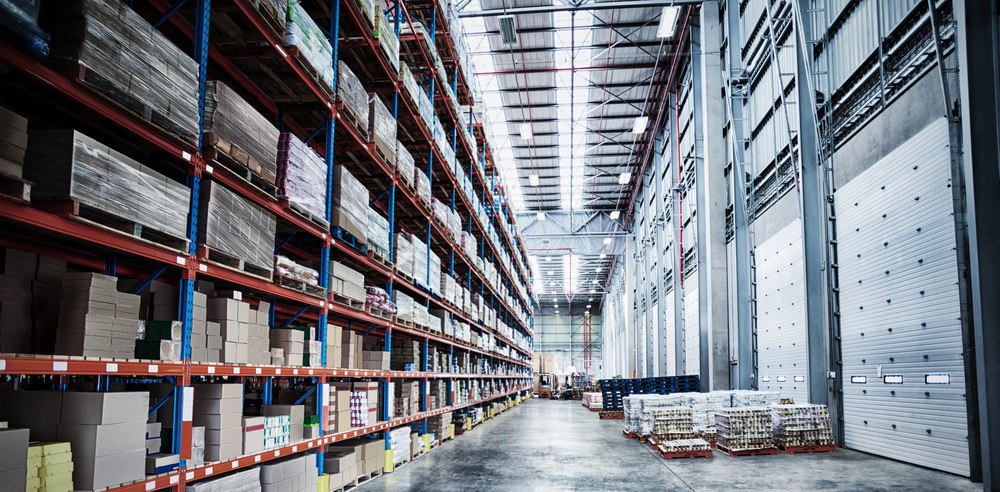
In September, construction began in Bishkek on a state pharmaceutical warehouse and logistics complex for Kyrgyzpharmatsiya, the state enterprise responsible for centralized procurement of medicines and medical supplies for public healthcare institutions. The new facility, worth around $7.4 million, is intended to improve the storage and nationwide distribution of pharmaceuticals.
For now, however, the proposed $1 billion pharmaceutical park remains at the memorandum stage.