Kazakhstan has spent the past decade developing domestic rail manufacturing, supported by foreign investment and increased local production. The sector is also beginning to supply export markets.
Kazakhstan is also preparing the next phase of railway expansion to increase network capacity and accommodate growing transit volumes.
Alstom has operated in Kazakhstan since 2010, developing locomotive production and maintenance facilities while increasing the manufacture of components in the country. Its Astana plant has also produced locomotives for export.
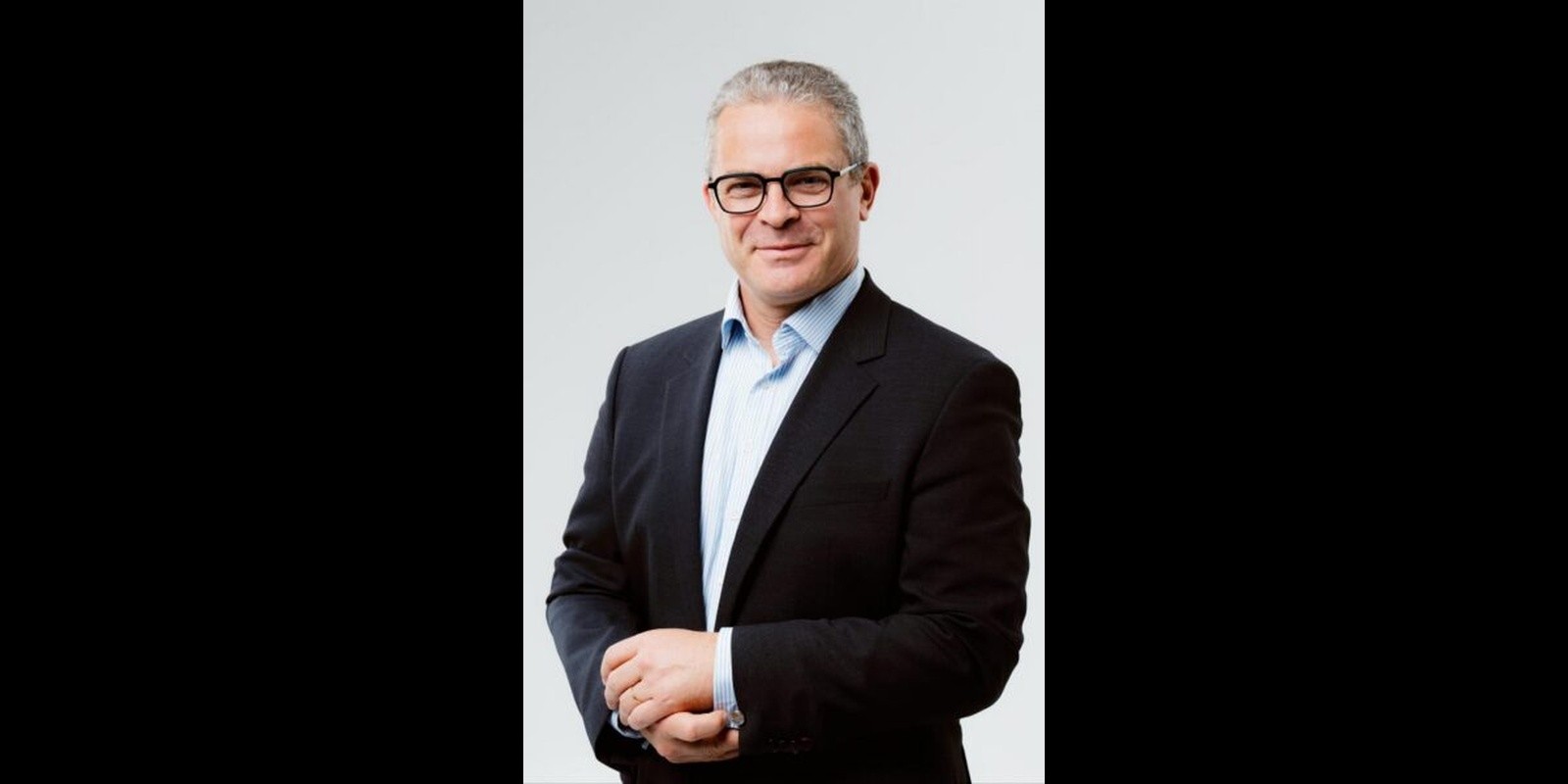
In an interview with The Times of Central Asia, Jérôme Boyet, Alstom’s managing director for Western and Central Asia, discusses the company’s investment plans and efforts to increase local production. He also considers how new locomotive projects and the Middle Corridor could affect Kazakhstan’s prospects as a regional rail manufacturing center.
TCA: Alstom has now been operating in Kazakhstan for 15 years and has become one of the country’s largest industrial investors. What are the company’s current investment priorities, and how has its business in Kazakhstan evolved over that period?
Jérôme Boyet: Over the past 15 years, Kazakhstan has become much more than a market for Alstom. It has evolved into one of our key manufacturing and engineering centers for Western and Central Asia.
To date, we have delivered almost 500 electric locomotive sections to Kazakhstan Temir Zholy (KTZ) and another 50 to international customers. Our work extends well beyond manufacturing. Through service teams based across Kazakhstan, we maintain KTZ’s locomotive fleet throughout its life cycle, helping ensure the locomotives remain safe, reliable, and available for operation.
To strengthen these capabilities, we launched a €50 million investment program in 2023 covering four service depots in Almaty, Astana, Shu, and Arys. The upgraded facilities are already beginning to deliver results and are scheduled to become fully operational by the end of 2027.
The program will establish a nationwide maintenance network, reduce locomotive downtime, and further strengthen Kazakhstan’s technical expertise in fleet maintenance.
These investments build on the industrial base we have developed over the past decade and a half. Today, our priority is to integrate manufacturing, maintenance, digital diagnostics, and local engineering expertise into a single industrial ecosystem capable of supporting the continued modernization of Kazakhstan’s railway network and growing freight traffic along strategic routes such as the Middle Corridor.
TCA: How large is Alstom’s workforce in Kazakhstan today, and what role does workforce development play in your localization strategy?
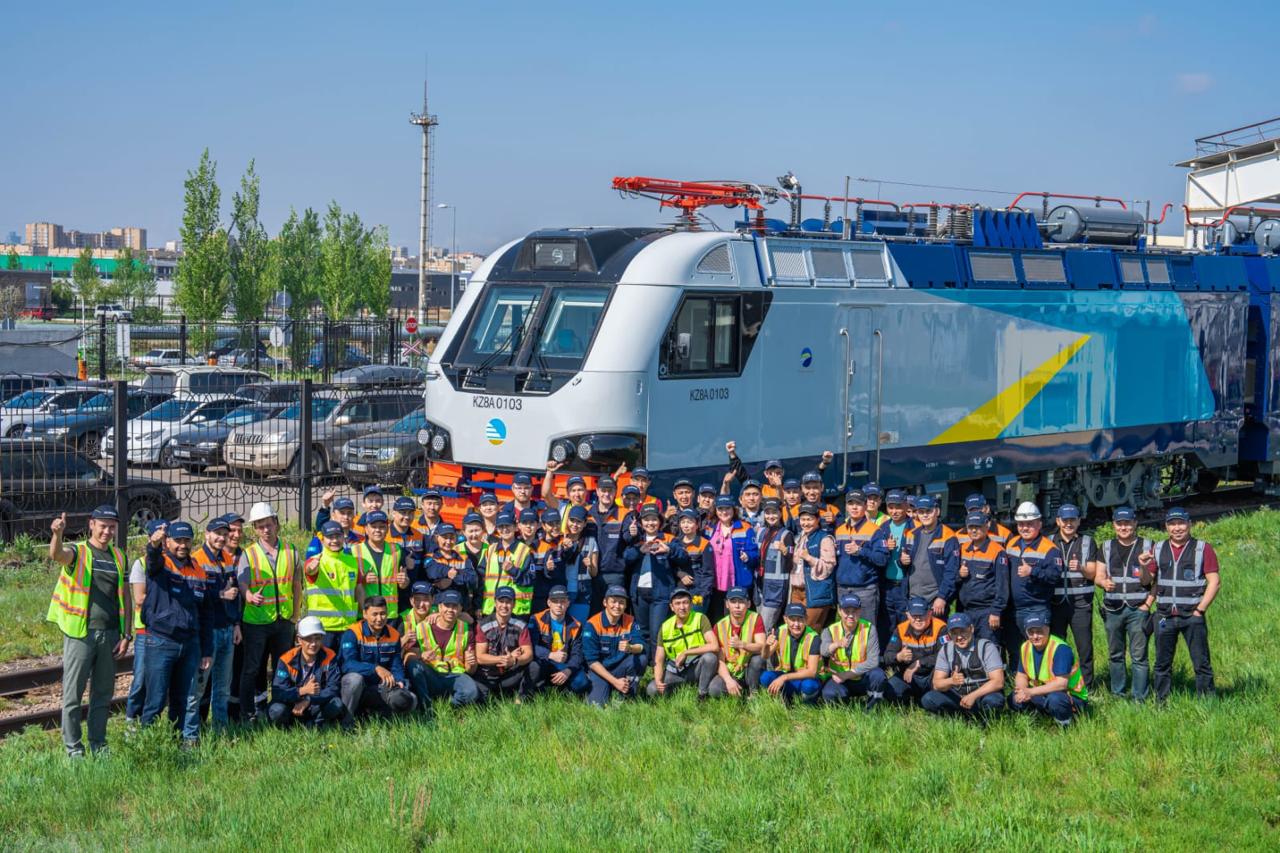
Jérôme Boyet: Alstom currently employs more than 1,300 people in Kazakhstan, with our workforce divided almost equally between manufacturing and service activities. Around 20% of our employees are women, while the average length of service exceeds four years. Importantly, 98% of our employees are citizens of Kazakhstan, reflecting the strong technical capabilities that have been developed locally.
For us, localization goes beyond manufacturing components. It also means developing knowledge, engineering expertise, and professional skills within Kazakhstan. Our employees work across the entire industrial cycle from engineering, welding, and assembly to testing, diagnostics, and maintenance.
As new locomotive and service projects move forward, we continue to invest in technical training, knowledge transfer, and the development of local engineering and management talent. Building these capabilities is essential for creating a sustainable railway industry that can operate, maintain, and further develop advanced railway technologies in Kazakhstan.
TCA: Alstom has announced the development of a new freight locomotive for Kazakhstan. What distinguishes this model, and when is it expected to enter service?
Jérôme Boyet: The new locomotive combines much of the pulling power of our KZ8 heavy-haul locomotive with the flexibility of a single-section platform comparable in size to a passenger locomotive. It has been developed in response to Kazakhstan Temir Zholy’s growing demand for container freight transportation.
The locomotive is intended to replace aging Soviet-era VL-series locomotives that are approaching the end of their operational life. The project is currently in the design phase, with prototype manufacturing scheduled to begin in early 2027. The prototypes will then undergo extensive testing under Kazakhstan’s climatic and operating conditions before entering commercial service.
Over the longer term, we believe the locomotive will help improve the efficiency of container transport across Kazakhstan and strengthen freight operations along the Middle Corridor.
TCA: How far has Alstom advanced localization in Kazakhstan? Which components are already produced locally, and what are your next priorities?
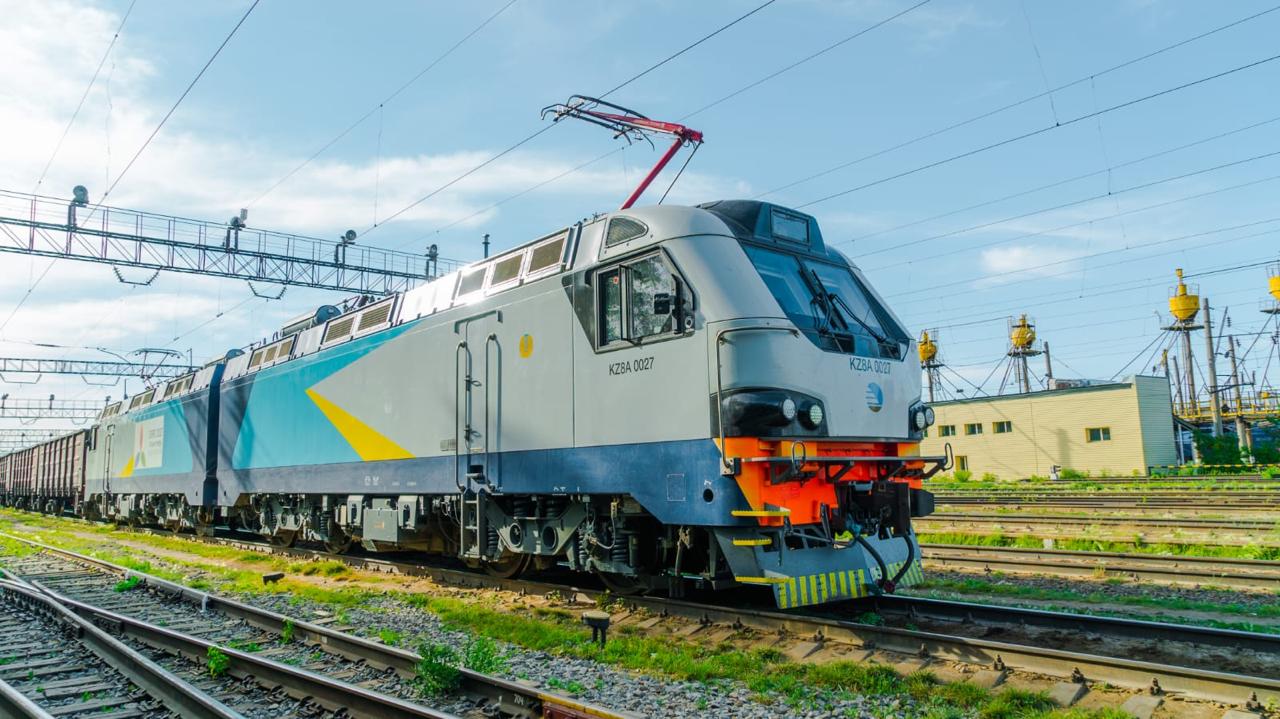
Jérôme Boyet: Today, we manufacture complete electric locomotives in Kazakhstan. Production at our Astana plant begins with flat steel plates and includes the car body, bogies, power transformers, internal cabling, assembly, and final testing. As a result, around 40% of each locomotive’s value is created in Kazakhstan.
We are also working closely with local suppliers to help them meet Alstom’s technical and quality standards. This strengthens Kazakhstan’s industrial supply chain while creating opportunities for domestic companies to participate in international railway projects.
Our approach is pragmatic. We localize production where it creates sustainable industrial value and where local suppliers can consistently meet the required technical, quality, and commercial standards. Components that benefit from global economies of scale continue to be sourced through Alstom’s international supply chain.
The next stage is to deepen localization by expanding the domestic supplier base, strengthening engineering capabilities, and gradually increasing the range of components manufactured in Kazakhstan.
Today, Alstom’s Astana facility is the only electric locomotive manufacturing plant in Central Asia. We already export pre-assembled car bodies and transformers to Europe for use in Alstom’s international projects, demonstrating that products manufactured in Kazakhstan meet global industrial standards.
Looking ahead, we see significant opportunities in other countries operating on the 1,520 mm railway gauge, where technical standards and operating conditions are similar. Expanding exports, however, will require more than manufacturing capacity. Competitive logistics, internationally recognized certification, export financing, and continued promotion of Kazakhstan’s industrial capabilities will all be essential if the Astana plant is to strengthen its role as a regional manufacturing, engineering, and life-cycle support hub.
TCA: Alstom is also a global supplier of urban rail systems. Is the company considering participation in metro, light rail transit, or other urban mobility projects in Kazakhstan?
Jérôme Boyet: Urban mobility is becoming an increasingly important priority across the region. Kazakhstan’s major cities are developing their transport strategies, while similar discussions are taking place in Uzbekistan, Azerbaijan, and Georgia. This is a market where Alstom is actively engaged, offering technologies that have already been deployed in cities around the world.
Our expertise extends far beyond rolling stock. We provide integrated urban transport systems, including signaling, electrification, digital solutions, and long-term maintenance. A metro or light rail project is much more than the procurement of vehicles; it is a complete transport system that must remain safe, reliable, and efficient throughout its operational life.
Our manufacturing facility in Astana is capable of producing urban rail vehicles alongside locomotives. This creates an opportunity to combine international technology with local manufacturing, engineering, and maintenance capabilities. Naturally, any future participation will depend on the specific requirements, procurement model, and timetable of individual projects, but Kazakhstan already has an industrial base capable of supporting a significant level of local content in future urban transport programs.
TCA: What do you see as the biggest opportunities and the main challenges for Alstom’s business in Kazakhstan?
Jérôme Boyet: Kazakhstan has demonstrated a clear commitment to attracting investment and expanding its manufacturing sector, creating a solid foundation for long-term industrial projects. As an investor, we value our regular dialogue with the government and its willingness to work with industry on practical solutions. Large-scale manufacturing projects require long-term visibility and a predictable business environment, and Kazakhstan has made important progress in that direction.
We believe Kazakhstan has all the key ingredients to strengthen its position as a regional railway manufacturing hub: an established industrial base, a skilled workforce, and a strategic geographic location connecting Europe and Asia.
Continued efforts to promote Kazakhstan’s manufacturing capabilities abroad and expand exports will be equally important. Alstom intends to remain a long-term partner in supporting those ambitions.