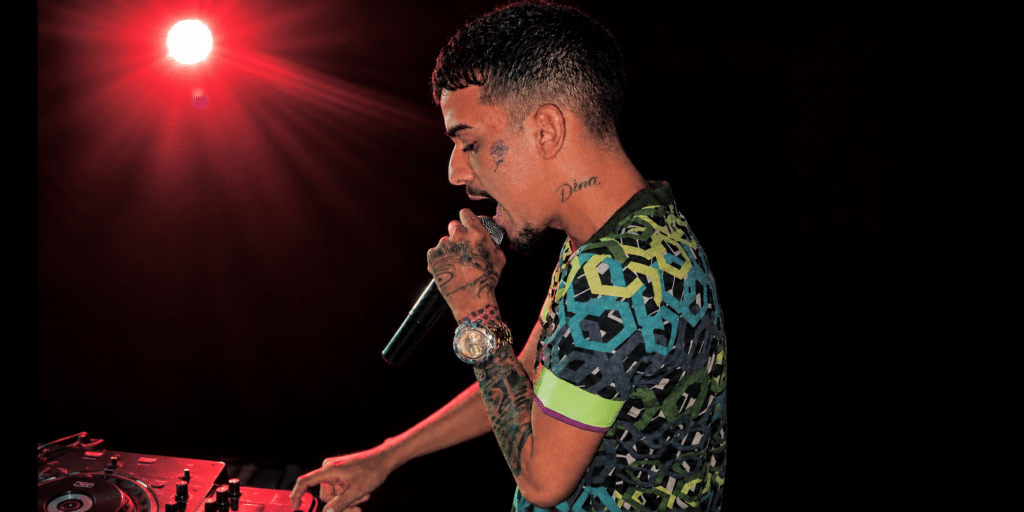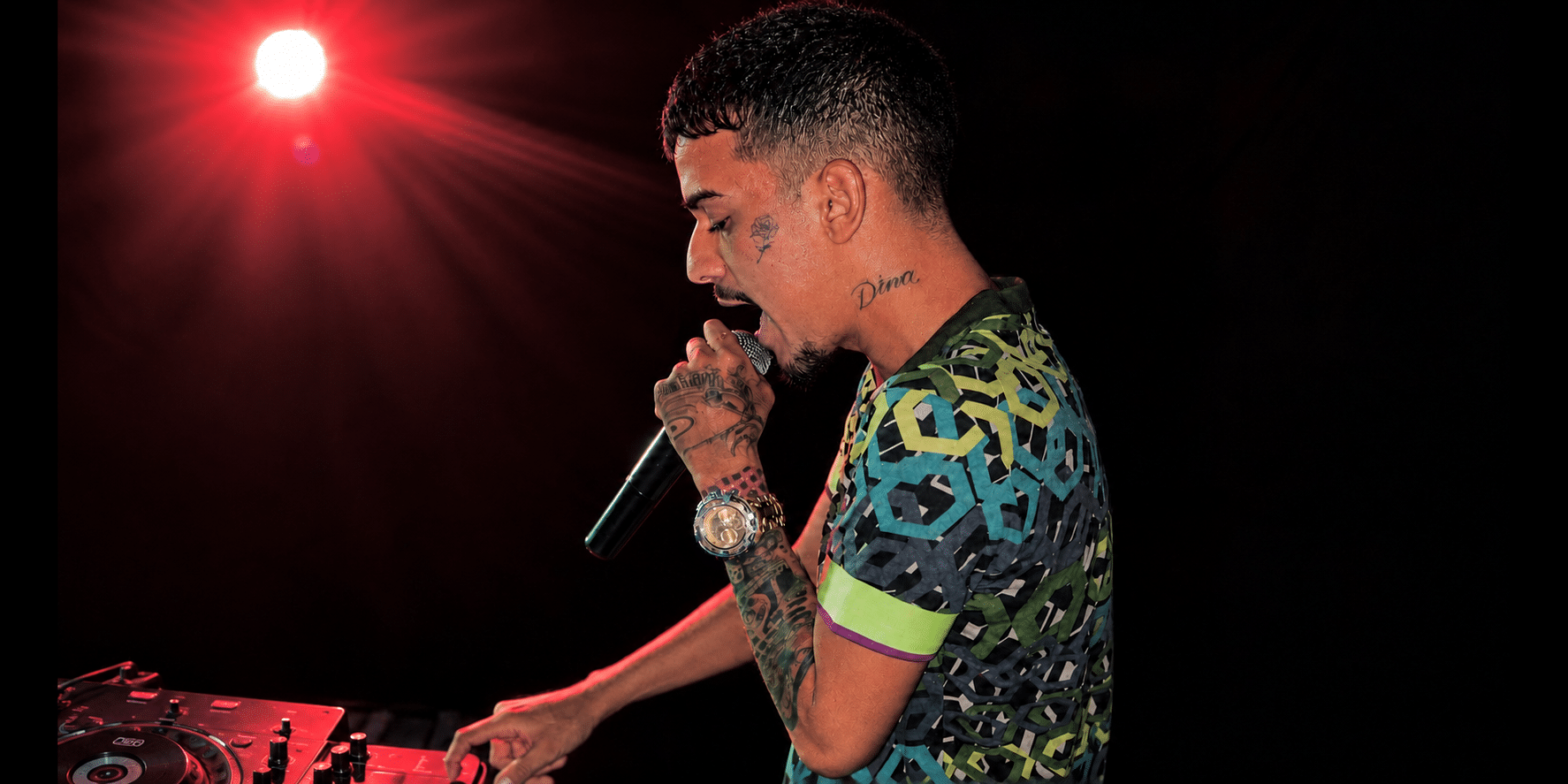
Orpheus took music somewhere it had no business going. Luís Guilherme, known as DJ Guilherme, created a beat that has managed something less fatal but almost as improbable. A Brazilian funk track born in São Paulo has found an unlikely second home in Kazakhstan, where local creators have embraced it as part of their digital culture. BEAT UnderCover – Taqap Taqap (Slowed Reverb), produced by DJ Guilherme and remixed by Rand0m, was released through Clima Funk in June 2025. It grew out of Só Socadinha, a baile funk single first released in January 2019.
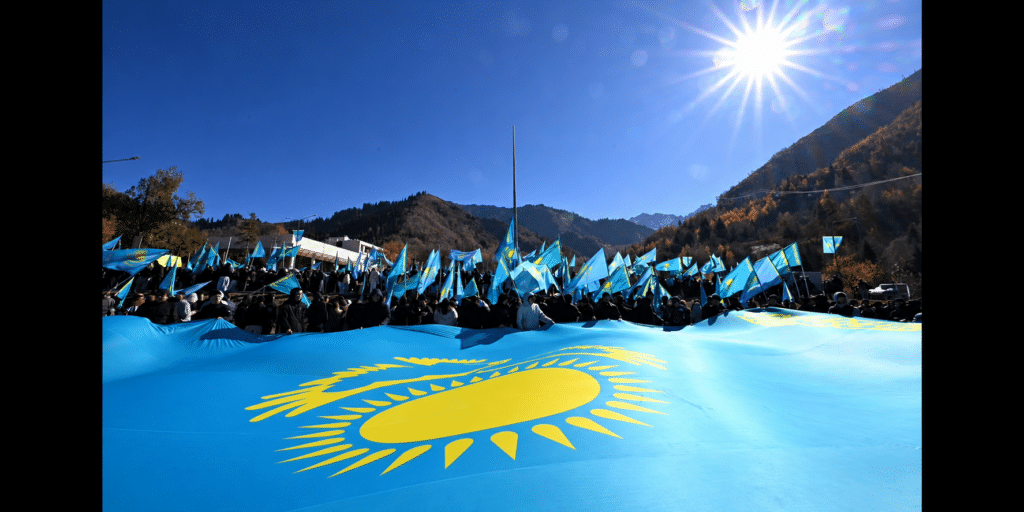
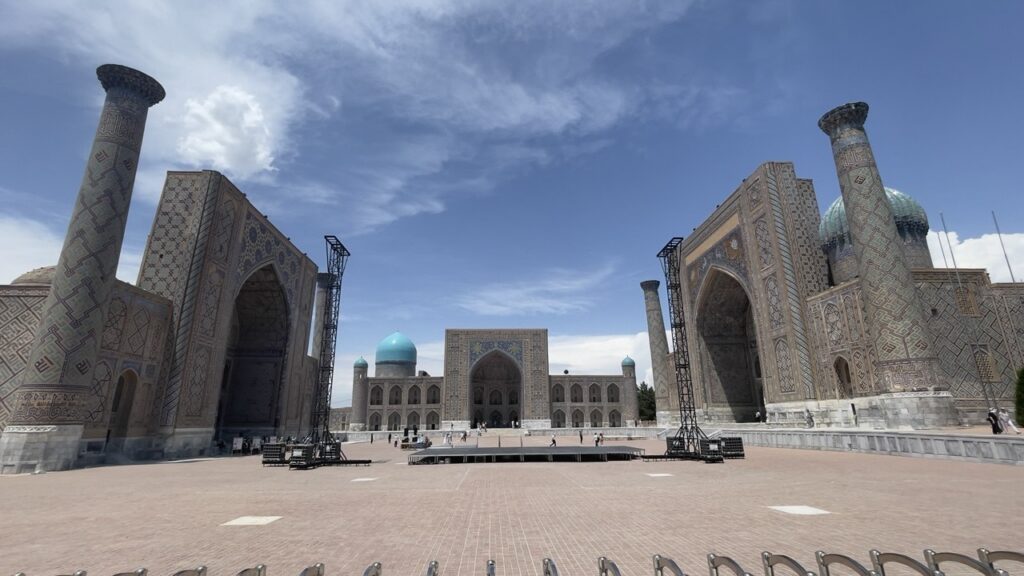
The scale of its reception in Central Asia is striking. As of October 8, data from Chartex linked the track to approximately 16.45 million video views across 112 posts in Kazakhstan, and 586,000 views across 13 posts in Uzbekistan. In Uzbekistan, the beat also found its way into football fandom, providing the soundtrack to videos celebrating Abdukodir Khusanov, the Tashkent-born Manchester City defender who became the first Uzbek international to play in the Premier League.
The Times of Central Asia spoke to Luís Gonçalves, the Brazilian producer known as DJ Guilherme, about the track’s unexpected success in Central Asia and how it has changed his understanding of where music can find an audience.
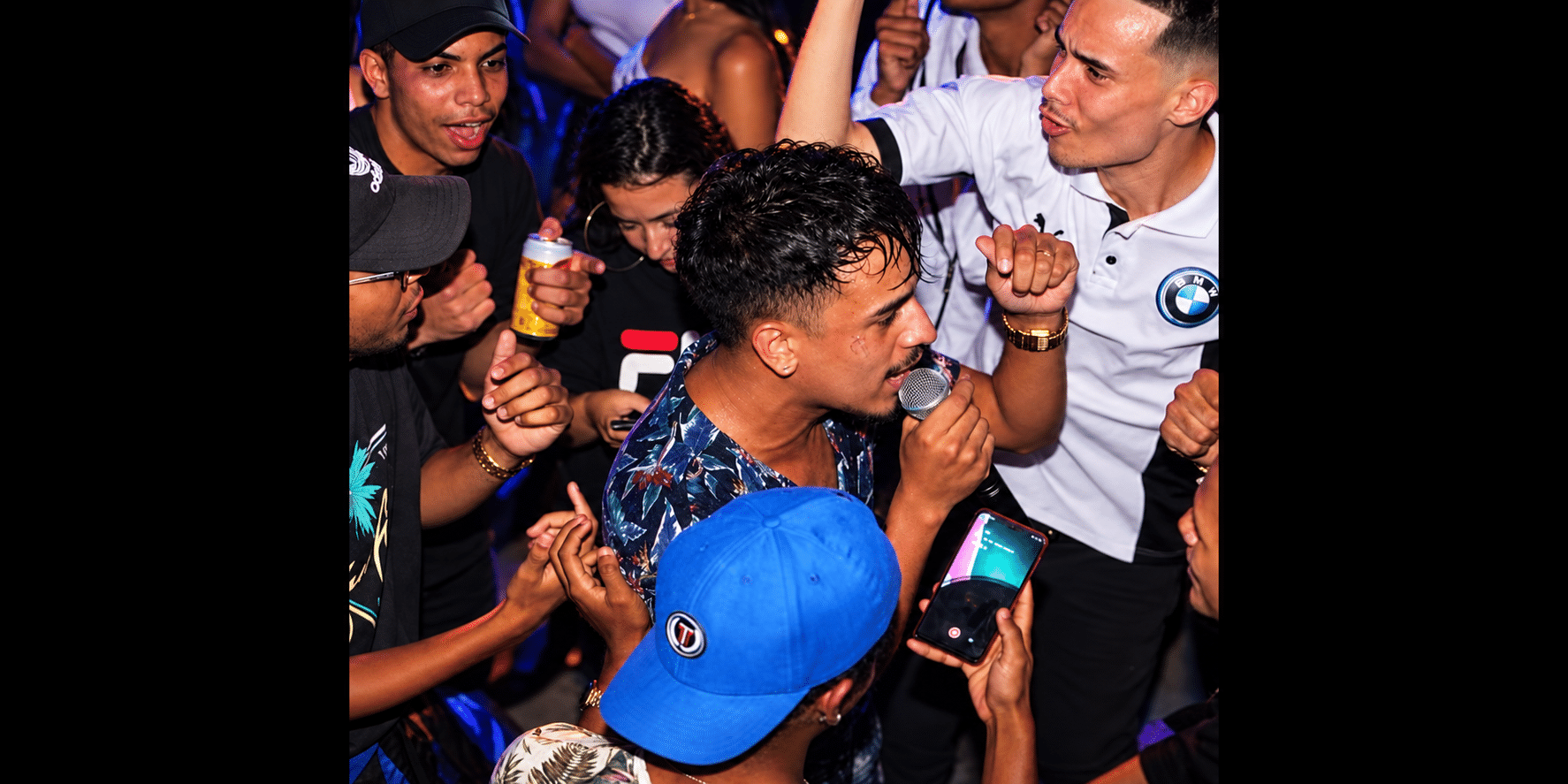
TCA: When did you first realize something unusual was happening in Kazakhstan?
Guilherme: The first clue actually came from a video in Turkey. After that, I noticed growth in my statistics and started receiving notifications from Apple Music for Artists about chart activity in Kazakhstan and Uzbekistan. I began checking the charts and videos every day. Seeing the music appear in different videos and then in the charts made me realize that something bigger was happening.
TCA: What stood out about how creators in Kazakhstan were using the track?
Guilherme: It was how people were bringing the sound into their own everyday interests. In the videos I followed across the region, I saw edits of lowered cars, car sound systems, clubs, and football. People were using the track to give their videos energy and atmosphere. They didn’t need to know who I was to connect with the music. For someone making music independently in São Paulo, seeing those different uses so far away was a real surprise.

TCA: Why do you think the recording connected so strongly with creators in Kazakhstan, and did anything about its reception surprise you?
Guilherme: I think the strong kicks, repeating rhythm, and electronic elements may have helped. Those are sounds that can work well with car videos, nightlife, and football edits, even when someone doesn’t understand Portuguese. The slowed versions may also have suited the atmosphere creators wanted. What surprised me was seeing people find their own place for a Brazilian sound without any promotion being aimed at them. I’ve wondered whether its circulation in Turkey helped it reach Central Asia, but I still don’t know the exact route. I’m continuing to look into that.
TCA: Before this happened, how much did you know about Kazakhstan or Central Asia as a music market? Has the response changed how you see the region?
Guilherme: I knew very little about Kazakhstan or Central Asia, especially as a music market. The response made me curious, and I started watching documentaries and learning more about the region. Now I follow what’s happening there much more closely. It changed how I think about where an audience can come from, and it made me want to understand the people listening to my music, their culture, and what they enjoy.
TCA: Did the track appear to reach Uzbekistan through the same kind of online activity?
Guilherme: Football edits were one noticeable part of the wider circulation, especially clips involving Abdukodir Khusanov. I watch a lot of football, and I’m a fan of Khusanov too, so seeing my music in those edits was particularly fun for me. It gave me another personal connection with the story around Uzbekistan. I can’t say for certain whether the track reached Uzbekistan through exactly the same route as Kazakhstan, but cars, nightlife, and football were recurring themes in the videos I was seeing across the region.
TCA: As an independent artist and label owner, has this changed how you approach new audiences? How can you build on an unexpected response without forcing it?
Guilherme: It has made me pay much closer attention to where my music is traveling. As an independent artist and the owner of Clima Funk, I want to understand who is already connecting with the sound and build a relationship with them. I’ve posted a TikTok with a caption in Kazakh, and I’m still researching how this spread began and trying to connect with creators so I can reach more people in the region.
Orpheus had to descend into the underworld to find what he was looking for. Gonçalves never went looking for Kazakhstan. Somewhere between São Paulo and the Kazakh steppe, his beat crossed half the world without a map or a destination. By the time it arrived, it had taken on a life of its own.