Kazakhstan’s President Kassym-Jomart Tokayev has called for expanded cooperation with Russia in artificial intelligence and digital technologies. While Astana is keen to draw on Russian technological expertise, its experience with its northern neighbor in energy, transportation, and trade demonstrates how costly a lack of alternatives can be.
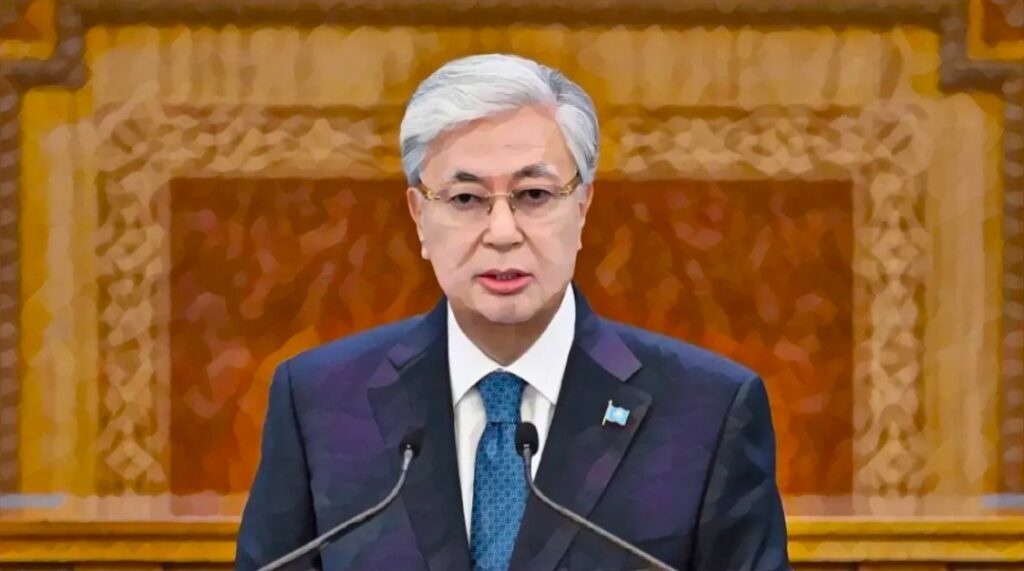
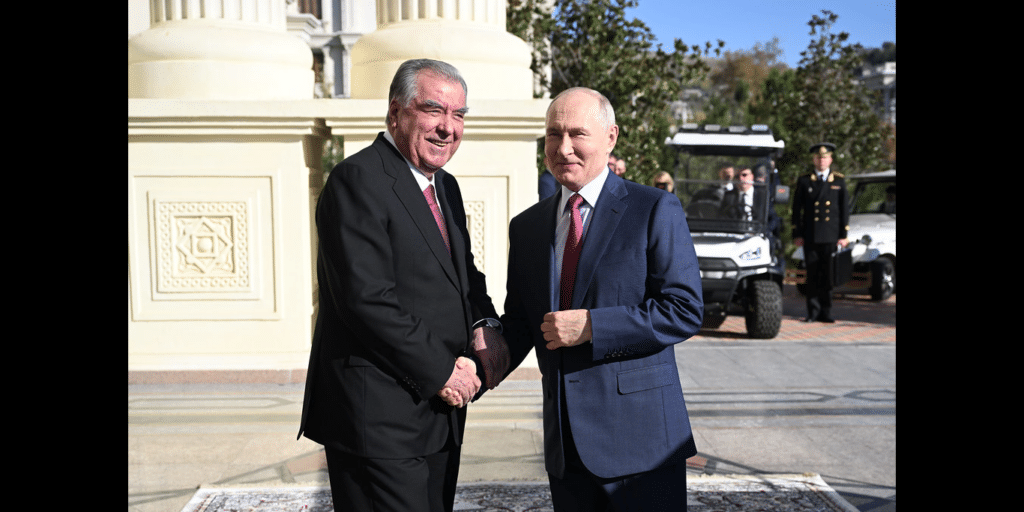
Tokayev traveled to Moscow on November 25 for a two-day working visit to attend AI Journey 2026, an international artificial intelligence conference organized by Sberbank. During talks with Vladimir Putin at the Kremlin, the Kazakh president praised the work of Sber and Yandex Kazakhstan and expressed interest in studying Russia’s experience in cybersecurity.
Tokayev also sought to downplay any difficulties in relations between the two countries. “There are no problems whatsoever. And thank God for that, as they say,” he said, adding that any issues that arise are resolved at a government level.
Yet more than a decade after the establishment of the Eurasian Economic Union (EAEU), Kazakhstan still has to negotiate with Moscow over access to Russian markets and the transit of goods through Russian territory.
Putin said bilateral trade was approaching $30 billion. Behind that figure lies a growing trade imbalance: Kazakhstan is increasing its purchases from its northern neighbor, while its exports to Russia are growing considerably more slowly.
Borderless Trade, With a QR Code
In the first nine months of 2026, Kazakhstan’s trade deficit with EAEU countries reached $8.73 billion. Imports increased by nearly 11%, while exports grew by less than 1%. Russia accounts for 87.3% of Kazakhstan’s trade within the bloc, which also includes Belarus, Armenia, and Kyrgyzstan.
According to calculations by Halyk Finance, Russian suppliers accounted for 76% of the overall increase in Kazakhstan’s imports. Among the contributing factors were increased purchases of petroleum products, natural gas, and electricity.
Kazakhstan’s dependence on Russian energy is partly a consequence of its own economic policies. Low domestic oil prices make it more profitable for producers to sell crude abroad than to supply local refineries. Despite being a major oil exporter, Kazakhstan has relied on Russia to cover shortfalls in domestic fuel production.
Meanwhile, Kazakhstan’s overall trade surplus rose by 75.7% to $20.1 billion in the first nine months of 2026, driven largely by commodity exports to markets outside the EAEU.
While Russian suppliers are expanding their sales, Kazakh exporters are having to adapt to new rules governing access to the neighboring market.
Since June, Russia has been operating a new system for monitoring imports, known by its Russian acronym SPOT. It requires advance registration of commercial shipments from EAEU countries and, in certain cases, security deposits. Russian customs authorities say the system is intended to prevent tax evasion and illegal imports. By early November, Russian customs authorities had turned back more than 1,700 of the 28,000 trucks inspected, returning them to Kazakhstan because the required QR codes were missing or invalid.
As The Times of Central Asia (TCA) previously reported, requests for international road freight services originating in Kazakhstan on the ATI.SU logistics platform fell by 34% in the first nine months of 2026, with Russia-related routes accounting for most of the decline in demand. Renata Zobova, director of ATI.SU’s Kazakhstan office attributes the trend to tighter customs controls, border queues, new regulatory requirements, and fuel supply problems in Russia.
Moscow is not alone in prioritizing domestic economic interests over the EAEU’s principle of free movement of goods. From May to November, Kazakhstan banned road exports of gasoline, diesel fuel, and several other petroleum products, including shipments to EAEU member states. The restrictions have since been extended until May 2027. The Kazakh authorities have cited economic security, the need to keep domestic refineries operating, and price stability as reasons for restricting fuel exports.
The Limits of Export Independence
In early November, Kazakhstan’s Energy Minister Yerlan Akkenzhenov said he had asked Moscow to resume shipments of Kazakh oil to Germany through the Druzhba pipeline. Deliveries had been suspended in May because of what Kazakhstan’s Ministry of Energy described as technical constraints on Russian infrastructure. Kazakhstan exported 2.1 million metric tons of oil through this route in 2025 and had hoped to increase that volume to 3 million metric tons in 2026.
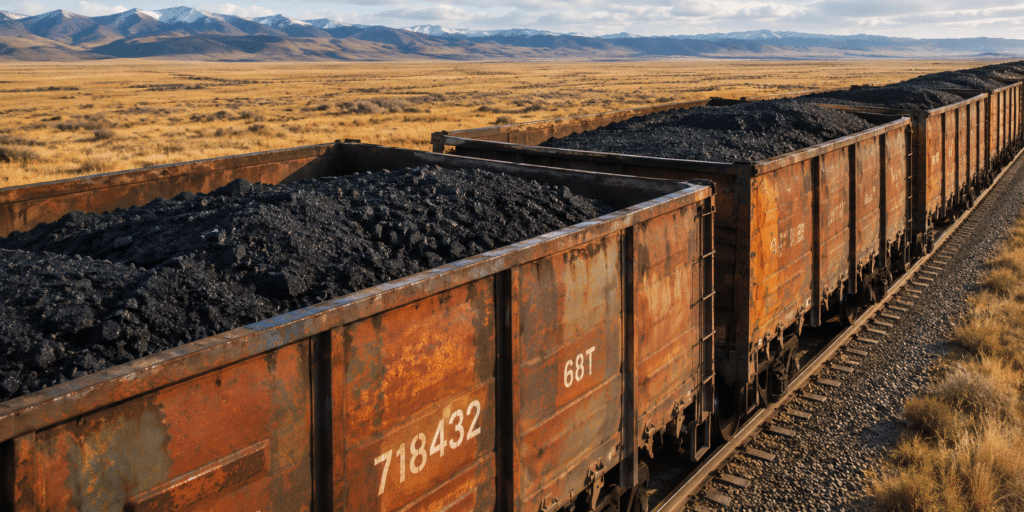
The consequences of Russian transit restrictions have been even more pronounced for Kazakhstan’s coal producers.
According to a November report by Kazakhstan’s Economic Research Institute, coal transit through Russia to Baltic ports fell from 1 million metric tons in August to 30,000 metric tons in October. Congestion on Russia’s railways stems from the diversion of freight from ports in the Sea of Azov and the Black Sea to the country’s northwest. Kazakh exporters are having to compete with Russian companies for access to Russia’s railway infrastructure.
Kazakh companies can choose their buyers in Europe or Asia, negotiate prices, and sign contracts independently, but their ability to deliver goods to those buyers often depends on decisions made outside Kazakhstan.
This dependence is particularly sensitive for the oil industry. According to Kazakhstan’s Ministry of Energy, in 2025 the country exported 64.8 million metric tons of oil through the Caspian Pipeline Consortium (CPC), whose marine terminal is located on Russia’s Black Sea coast. This represented more than 82% of Kazakhstan’s total oil exports. By comparison, annual shipments through Azerbaijan and the Baku-Tbilisi-Ceyhan pipeline amount to approximately 1.2 million metric tons.
Existing alternative routes cannot yet match the capacity of Russian infrastructure. According to World Bank estimates, developing the transport infrastructure of the Middle Corridor, which connects China and Europe via the Caspian Sea and the South Caucasus, will require at least $25 billion by 2040.
As Kazakhstan looks to reduce its dependence on Russian export infrastructure, it is simultaneously expanding cooperation with Moscow in other areas of the energy sector.
In September, Kazakhstan Nuclear Power Plants and Atomstroyexport, a subsidiary of Russia’s Rosatom, signed a contract to design, equip, and build Kazakhstan’s first large-scale nuclear power plant.
Astana is also counting on Gazprom’s participation in expanding natural gas supplies to the country’s northern regions. The proposed Ishim-Astana pipeline is intended to supply the Kazakh capital, Kokshetau, and Petropavlovsk. In November, Akkenzhenov said negotiations were continuing on extending gas supplies to Kazakhstan’s eastern regions.
Kazakhstan needs additional power generation capacity. Choosing a nuclear technology supplier, regardless of its country of origin, entails decades of cooperation in reactor maintenance, equipment and fuel supplies, and specialist training. Switching suppliers becomes difficult as early as the plant’s design stage.
Avoiding a New Form of Dependence
Unlike oil pipelines and railways, much of Kazakhstan’s digital infrastructure is being built today. Astana is not constrained by the geography of Soviet-era transportation networks and has greater freedom in choosing its technology partners.
Russian companies do not have to enter the Kazakh market from scratch. They already have customers, Russian-language products, specialists, and experience working with local businesses. At the same time, Kazakhstan is interested in American computing technologies, Chinese equipment, and investment from international technology companies.
In Ekibastuz, for example, a major data center complex is being developed. According to the Kazakh government, the project could attract more than $10 billion in foreign investment, with the first phase expected to have a capacity of 250 megawatts.
But hosting servers on Kazakh territory does not necessarily mean having control over the underlying technologies. Computing hardware, software, cloud platforms, and information security systems may belong to different suppliers and fall under the jurisdiction of different countries. If a government agency, bank, or industrial enterprise builds its operations around a single technology platform, replacing it later may require restructuring its entire information system.
The choice of Russian partners is complicated by sanctions. Sberbank, the organizer of the Moscow AI conference, has been subject to U.S. blocking sanctions since April 2022. Kazakh companies must take into account the terms of individual transactions, the origin of hardware and software, technology licensing rights, and the availability of ongoing technical support.
At the Kremlin, Putin noted that more than 90% of payments between Kazakhstan and Russia are conducted in national currencies. The ability to pay in rubles or tenge, however, does not guarantee access to American processors, software, or cloud services.
Today, Kazakhstan is seeking alternatives to infrastructure built several decades ago. In developing its digital infrastructure, Astana can build those alternatives into the design from the outset, without waiting for another round of intergovernmental negotiations.