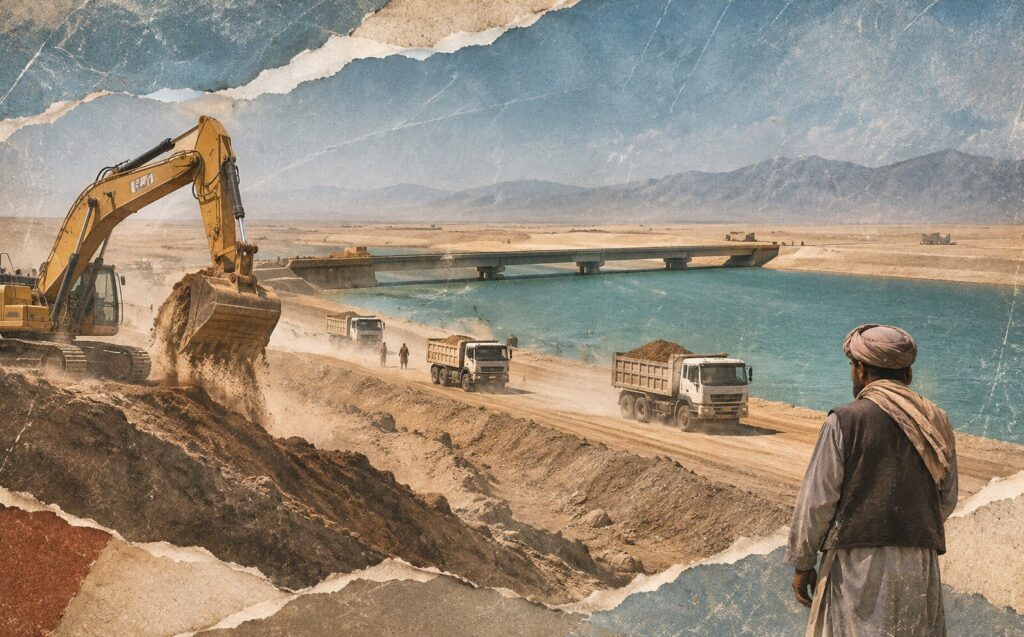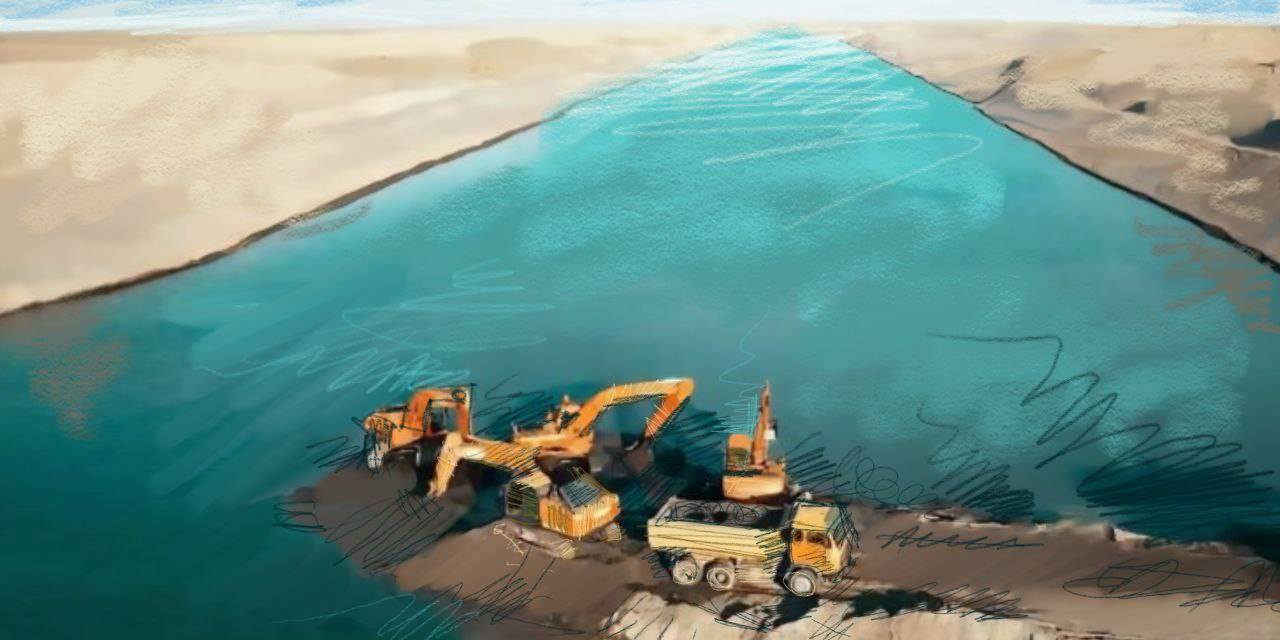
Afghanistan’s Taliban government says 99% of excavation work on the second phase of the Qosh Tepa Canal is complete, bringing the project closer to diverting water from the Amu Darya, a major source of irrigation water for Uzbekistan and Turkmenistan.
Afghanistan’s National Development Corporation said construction of the canal’s water intake structure was nearing completion. Taliban-affiliated Hurriyat Radio reported the statement on November 25, according to Afghanistan International. Work on 47 bridges and water management infrastructure is ongoing.
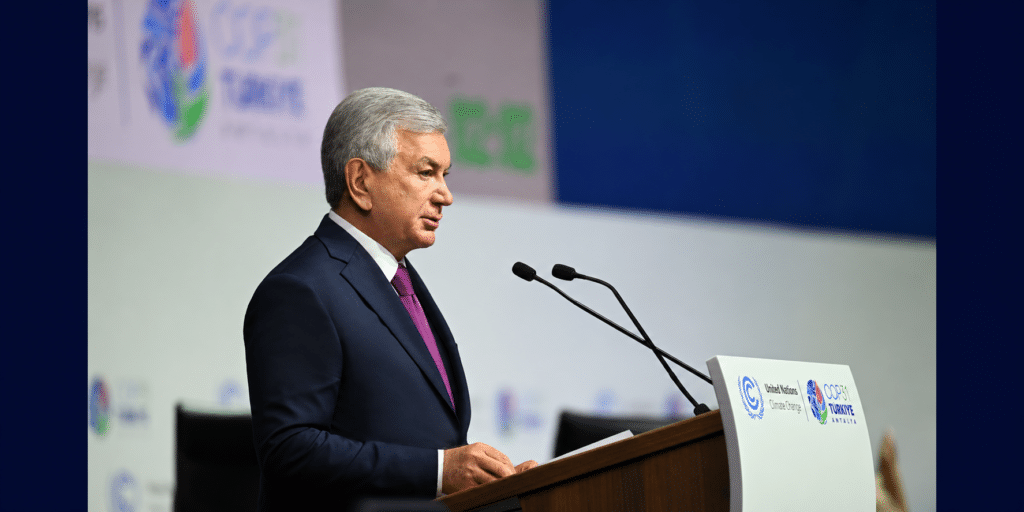
The announcement comes less than a week after Uzbekistan’s Water Resources Minister Shavkat Khamraev questioned how soon the canal could begin full-scale water withdrawals.
“Perhaps it could even begin in 2050. But it is certain that they will not take water before 2030,” Khamraev said at a press conference on November 19.
“We have agreed that after the canal’s construction is completed, we will sign agreements on how much water will be taken and other related issues,” the minister said, acknowledging Afghanistan’s right to use the Amu Darya.
“This has nothing to do with Qosh Tepa. Qosh Tepa has not taken even a bucket of water yet,” he said, dismissing suggestions that the Afghan project was already affecting Uzbekistan’s water supplies.
In a March interview, the minister warned that annual withdrawals reaching four billion cubic meters could threaten Uzbekistan’s agricultural sector. However, on November 19, he said Afghanistan’s proposed annual withdrawals of 10 billion cubic meters in wetter years and six billion in drier years could be reasonable. He stressed that withdrawals should be negotiated according to the volume of water in the river.
Construction of the 285-kilometer canal began in 2022, with the first 108-kilometer section completed in October 2023. The project is designed to irrigate more than 500,000 hectares of agricultural land in northern Afghanistan, primarily in Balkh and Jowzjan provinces. Faryab province is also included in the irrigation plans, which are intended to reduce the country’s dependence on food imports.
The third phase involves the construction of smaller canals to distribute water to farmland. Khamraev has also questioned whether Afghanistan currently has the pumping infrastructure needed to irrigate the entire proposed area.
The Taliban have estimated construction costs at around $680 million. A research paper citing a 2019 feasibility study put the main canal’s estimated cost at approximately $1.5 billion.
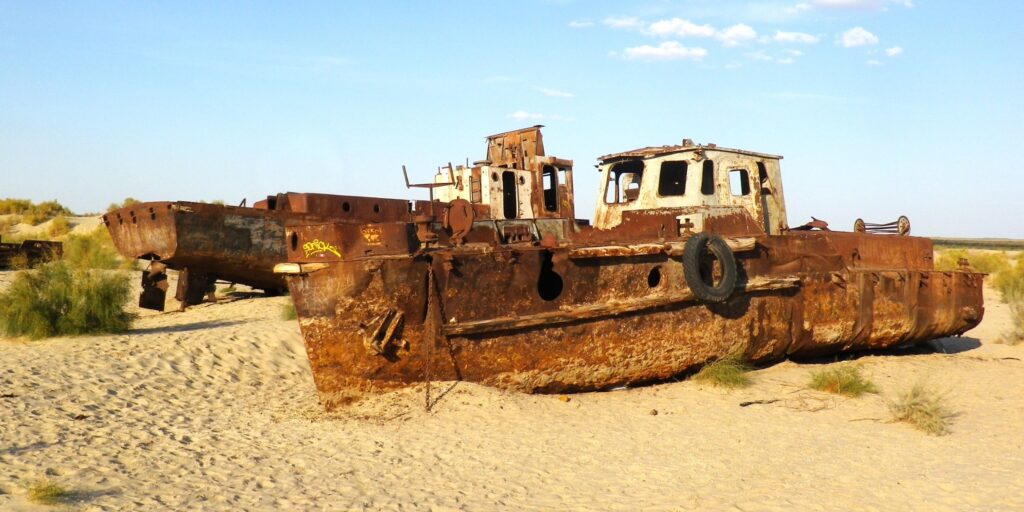
For downstream Uzbekistan and Turkmenistan, both heavily reliant on irrigated agriculture, the main concern is how much water Afghanistan will eventually divert. Some projections suggest Uzbekistan’s water intake could decline by around 15%, while Turkmenistan could face considerably greater losses. The actual impact will depend on river flows and the canal’s operating capacity. Water management practices will also affect how much reaches downstream users.
The project could also affect Kazakhstan, despite the country’s location outside the Amu Darya basin. Azamatkhan Amirtayev, leader of Kazakhstan’s Baytaq party, has warned that Uzbekistan could seek to compensate for declining Amu Darya supplies by increasing withdrawals from the Syr Darya, leaving less water available downstream in Kazakhstan.