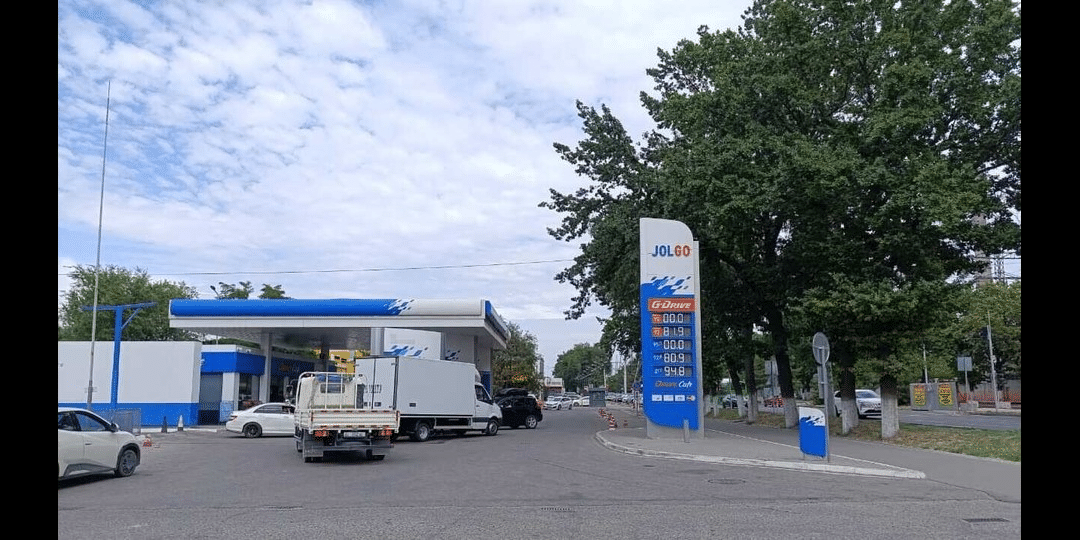
Kyrgyzstan’s Ministry of Economy and Commerce has proposed extending fuel subsidies through March 31, 2027, to contain retail prices and prevent supply disruptions. The ministry released the draft Cabinet resolution for public comment on November 25. If approved, most changes would take effect on December 1.
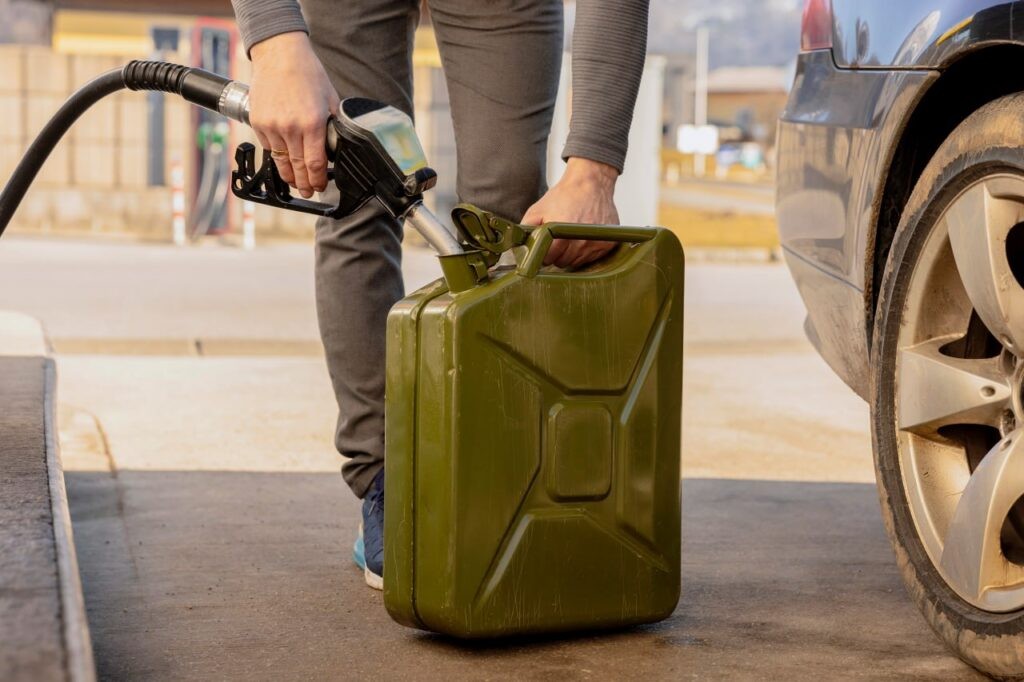
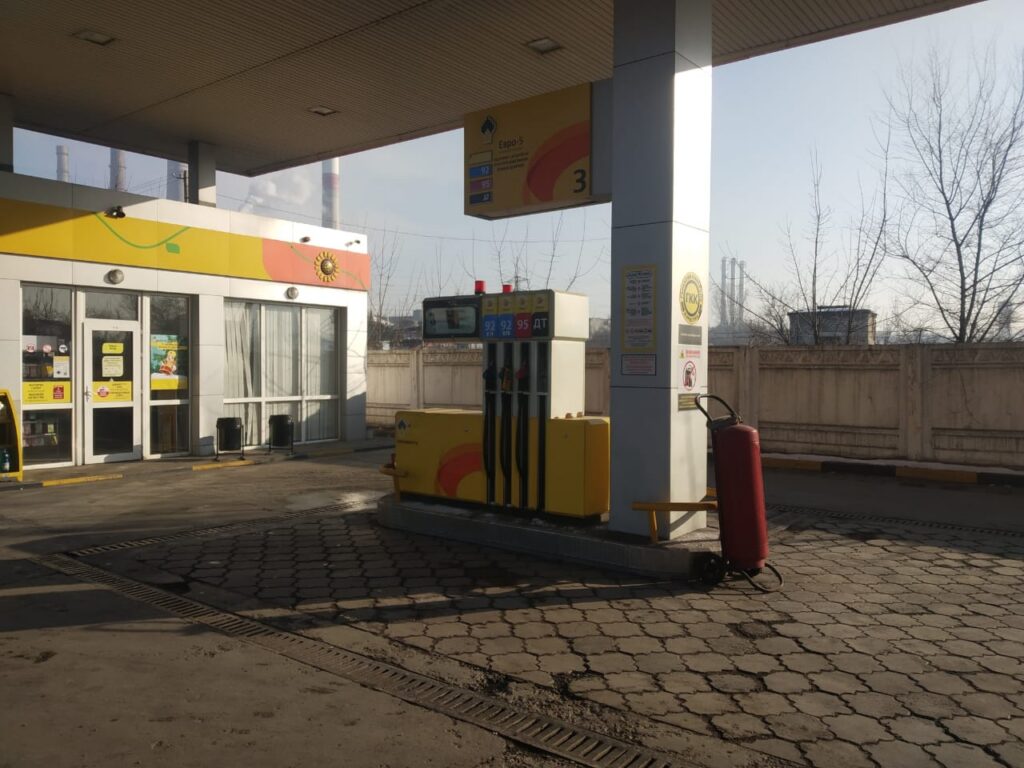
The subsidies cover AI-92 and ECO-93 gasoline, both roughly comparable to regular gasoline in the United States. Diesel and automotive liquefied petroleum gas (LPG) also qualify.
The government reimburses suppliers for fuel and transportation costs above a set benchmark. The ministry proposes reinstating the subsidy cap the Cabinet removed in August, limiting payments to 20% of each fuel’s benchmark price. At current benchmark prices, the maximum payment would be $192 per metric ton for either gasoline grade. The caps for diesel and LPG would be $210 and $130 per metric ton, respectively.
Companies importing fuel from outside the Eurasian Economic Union could apply to defer customs payments or pay in installments. Suppliers could also include the documented cost of preparing export declarations in the country of shipment when calculating their subsidies.
Fuel producers and importers would have until the 20th of the following month to pay excise taxes. Importers whose shipping documents use a different trade name for gasoline or diesel would need confirmation from the Ministry of Energy that the fuel meets the technical requirements before they could apply for a subsidy.
Kyrgyzstan introduced fuel subsidies on May 25 after gasoline and diesel prices rose. In July, the government lifted temporary price controls on AI-95 gasoline, a grade roughly comparable to U.S. premium gasoline. In August, the Cabinet extended the program from its original September 30 deadline through December 31 but excluded AI-95 from subsidies retroactive to July 10.
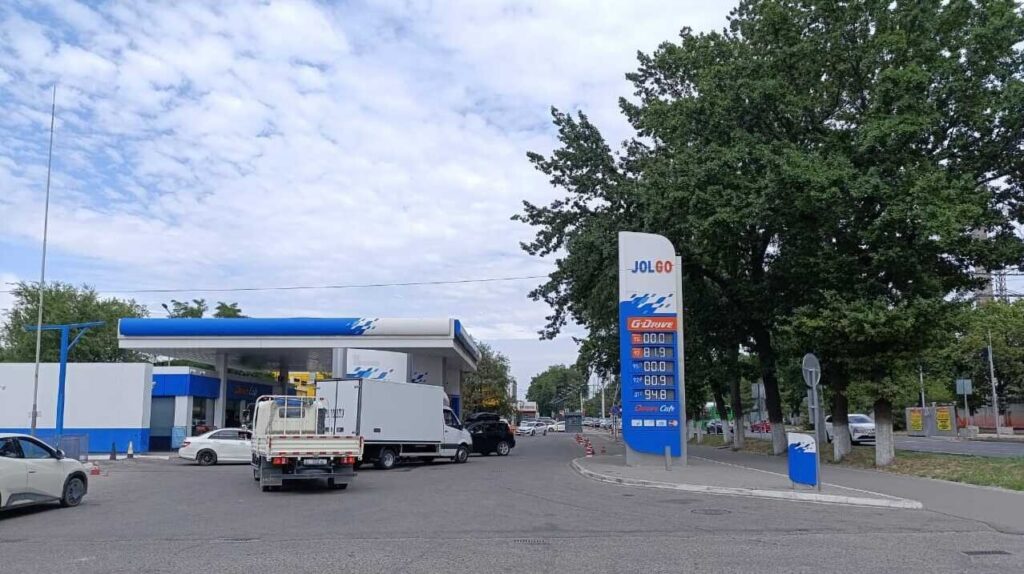
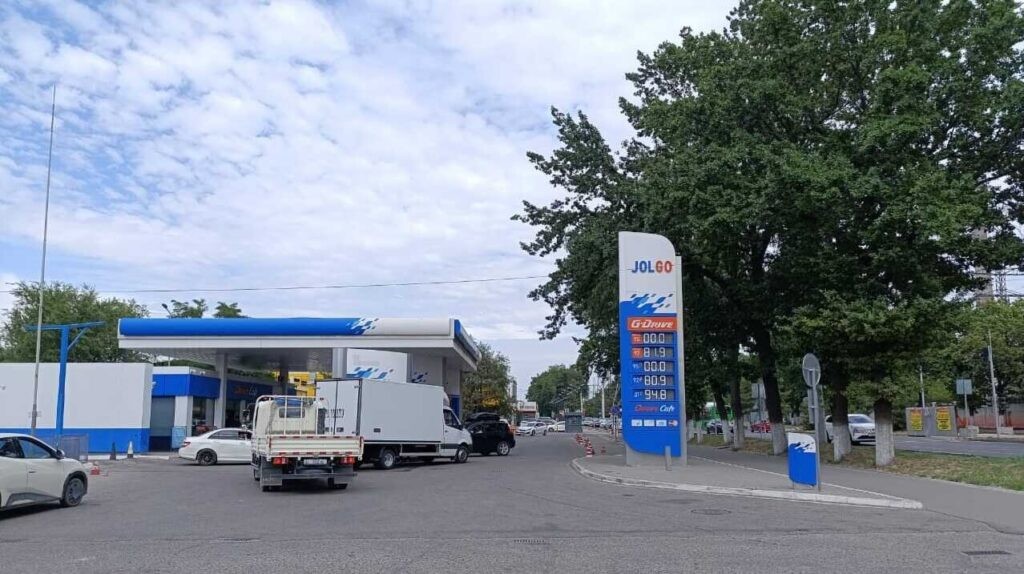
Kyrgyzstan’s Antimonopoly Regulation Service estimated in August that without subsidies, AI-92 gasoline would have cost $1.27 to $1.35 per liter, compared with about $1 at gas stations in Bishkek. The government reimbursed suppliers for the difference of 26 to 34 cents per liter.
Russia accounted for more than 90% of Kyrgyzstan’s fuel imports. When deliveries were disrupted, Kyrgyz companies sought other suppliers. In August, they signed contracts with China National Petroleum Corporation to purchase petroleum products. The companies did not disclose volumes or prices, and no delivery schedule was announced.