Since Afghanistan’s main border crossings with Pakistan closed in October 2025, more of its imports have arrived through Central Asia. The share rose from 27.2% by value in April–September 2025 to 42.2% in the same months of 2026, the World Bank reported in its November Afghanistan Development Update.
For Central Asian suppliers, the shift offers a chance to expand sales in Afghanistan. Yet the conflict between Kabul and Islamabad has cast doubt on plans to link the region by rail to Pakistan’s seaports and other South Asian markets.
Trade Flows Shift
Just 0.3% of Afghan imports entered through Pakistan in those six months, down from 20.1% a year earlier. The value of goods arriving through Central Asia rose by $1.02 billion, and routes through Central Asia and Iran together carried about 97% of imports.
Afghan exporters had fewer alternatives, and the value of their shipments fell 15.1% year on year to $667 million. Fresh fruit exports were down 88% by weight. The World Bank also found that Afghan households had lost purchasing power. International aid declined, and remittances accounted for a smaller share of the economy.
Kazakhstan’s Ministry of Foreign Affairs reported that trade with Afghanistan rose 140% from a year earlier to $581.1 million in the first seven months of 2026, exceeding the $541.6 million recorded in all of 2025. Kazakh exports accounted for $572.9 million of the total and imports from Afghanistan for $8.2 million.
“For Kazakhstan and Central Asia, the Afghan market, with a population of around 50 million, offers an opportunity to reshape their economic geography. It has the potential to generate substantial economic growth for the entire region. All Central Asian countries need to work together on these projects,” Rassul Rysmambetov, a Kazakh financial analyst and an independent director of Kazakhstan’s Unified Accumulative Pension Fund, told The Times of Central Asia.
Central Asia is also a transit route for Russian and Chinese goods entering Afghanistan, he added.
“Afghanistan is heavily dependent on imports. Of course, there are questions about its ability to pay. The main risks for us in the Afghan market are nonpayment, difficulties with international banking transactions, sanctions risks, extremely weak legal protection for investments, and transportation challenges. However, there is hope that Pakistani suppliers and transit operators will also return once relations normalize,” he said.
Opportunities in the Afghan Market
On October 22, 2024, Kazakhstan and Afghanistan signed a trade roadmap setting a target of $3 billion a year. The two countries have discussed expanding Kazakhstan’s agricultural and chemical exports to Afghanistan as well as Kazakh participation in Afghan railway projects.
Rysmambetov considers the target unrealistic in the short term, though he expects Kazakhstan to export $1 billion worth of goods to Afghanistan in 2026.
Flour, wheat, vegetable oil, and construction materials account for the bulk of Kazakh exports to Afghanistan. Rysmambetov thinks exports of petroleum products could grow and sees opportunities for other industrial goods, including metals and cement.
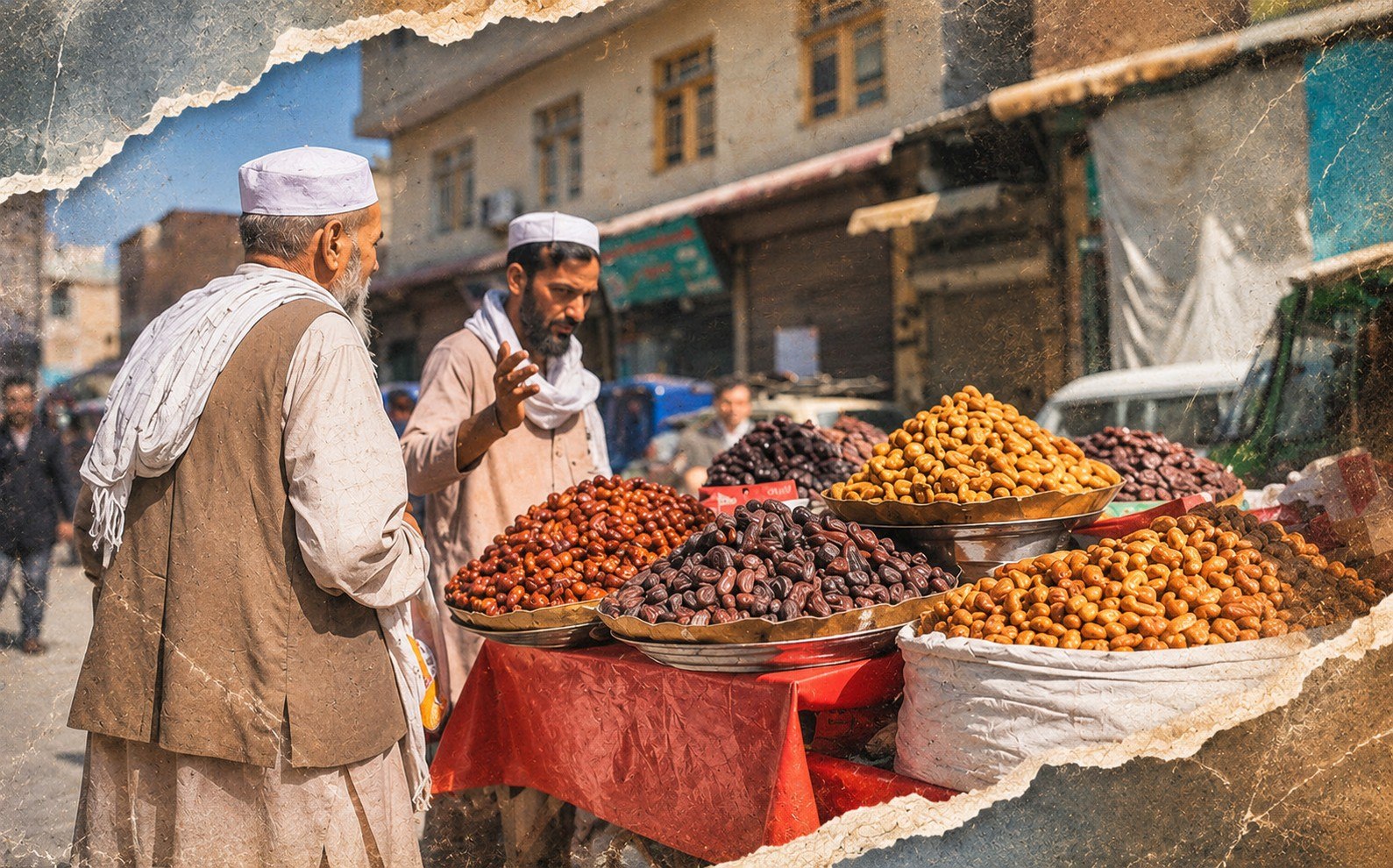
Afghanistan exports cotton and dried fruit, particularly figs and raisins. One of its specialties is saffron, among the world’s most expensive spices. Afghan saffron exports totaled $43 million from April through September 2026.
“A promising joint project with Uzbekistan could be the establishment of a processing and distribution center for Afghan products destined for markets across the former Soviet Union. Dried fruit, nuts, spices, cotton, and carpets are all in demand,” Rysmambetov said.
Routes to the Indian Ocean
For Kazakhstan and its Central Asian neighbors, a railway through Afghanistan would open an overland route to Pakistan’s seaports and other South Asian markets. Kazakh officials estimate that the corridor could carry up to 10 million metric tons of freight a year to the Pakistani ports of Karachi and Gwadar.
The proposed western branch of the Trans-Afghan Transport Corridor would carry freight from Kazakhstan through Turkmenistan to the Afghan border town of Torghundi. From there, it would pass through Herat and Kandahar to the Pakistani border at Spin Boldak.
Kazakhstan has said it is ready to invest up to $500 million in the roughly 75-mile railway from Torghundi to Herat.
“The conflict with Pakistan undoubtedly makes through-transport projects less attractive to investors. But the Torghundi-Herat railway, for example, remains of interest to us even without access to Pakistan because it provides access to Afghanistan’s western regions,” Rysmambetov said.
Western Afghanistan already has a rail link with Iran. A new 27-mile section of the Khaf–Herat railway opened on September 28. Kazakhstan’s Integra Construction KZ helped build it.
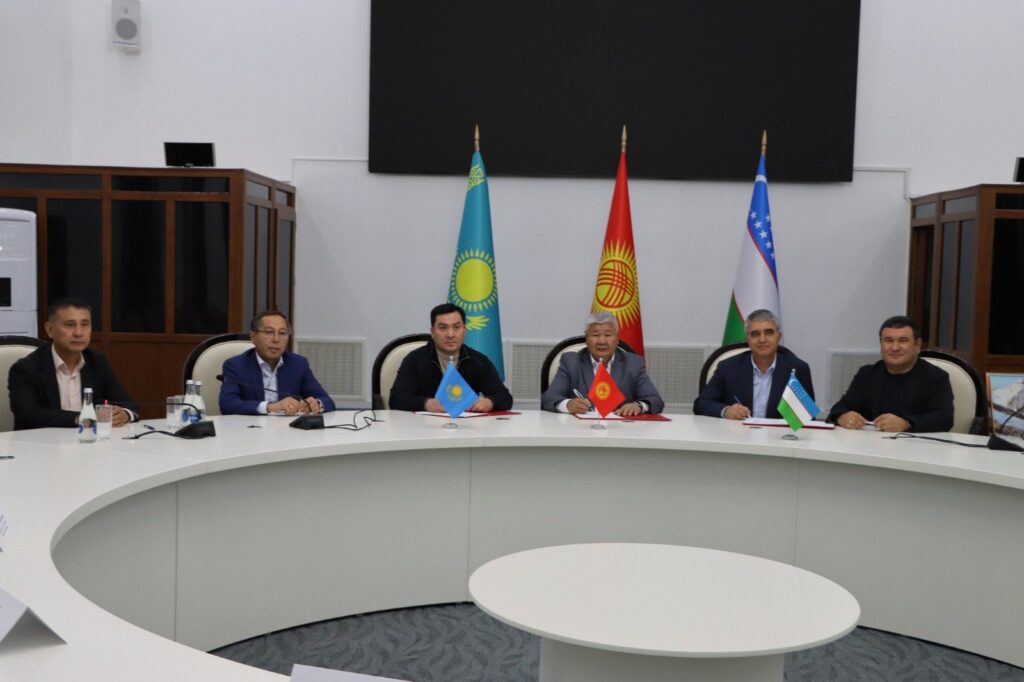
A second proposed route to Pakistan would cross Uzbekistan before entering Afghanistan. On September 30, Kazakhstan and Uzbekistan signed a memorandum with the United Arab Emirates to study this option for the Central Asia–South Asia railway corridor. The countries have yet to announce a final route or construction timetable.
Uzbekistan and Pakistan are also seeking ways to keep goods moving despite the border closures. In July, they agreed in principle to route some transit freight through China.
Rysmambetov believes growing trade with Afghanistan could offset restrictions on access to South Asian markets only in the short term. Pakistan alone has about 260 million people and Bangladesh about 178 million. India’s population is nearly 1.5 billion.
“We need to explore routes through Iran and China. They are priorities for us. For now, Kazakhstan has an advantage over Uzbekistan: a direct border with China and well-developed railway infrastructure on both sides. Nevertheless, we need to continue working on the Trans-Afghan project, developing designs and preparing forecasts. Despite the conflict, the project should not be put on hold. Overall, Afghanistan remains both a promising market and an excellent transit territory for Central Asian countries,” he said.
While the railways are still being planned, Kazakhstan has proposed moving more freight by road through Afghanistan. Rail services will require agreements on freight tariffs and a way to move cargo between the different track gauges used in Central Asia and Pakistan. Above all, the Afghan-Pakistani border will need to reopen to regular freight traffic.