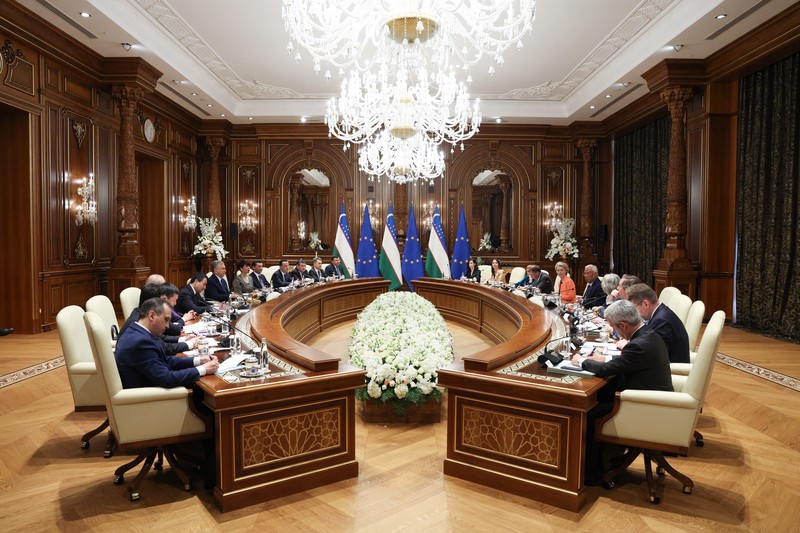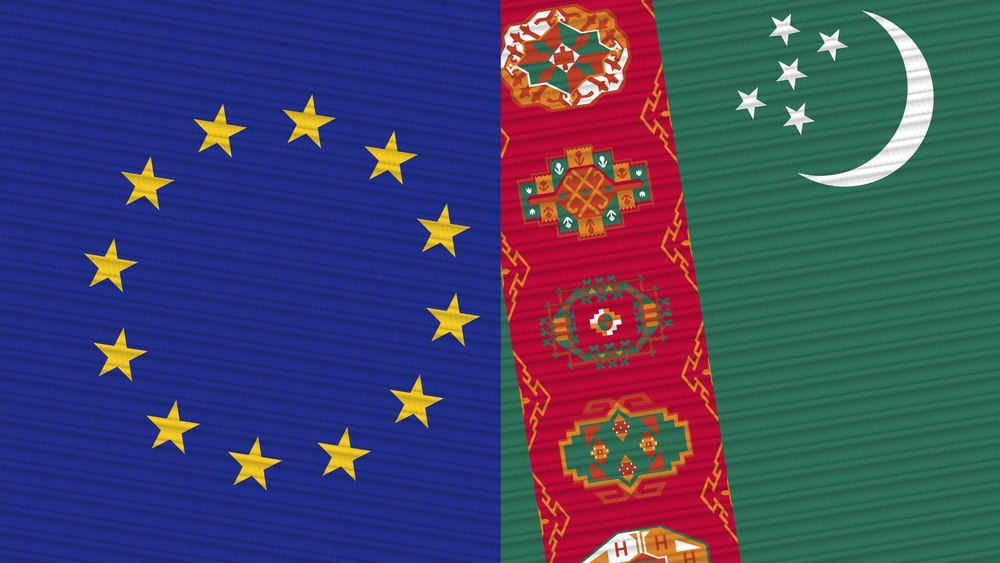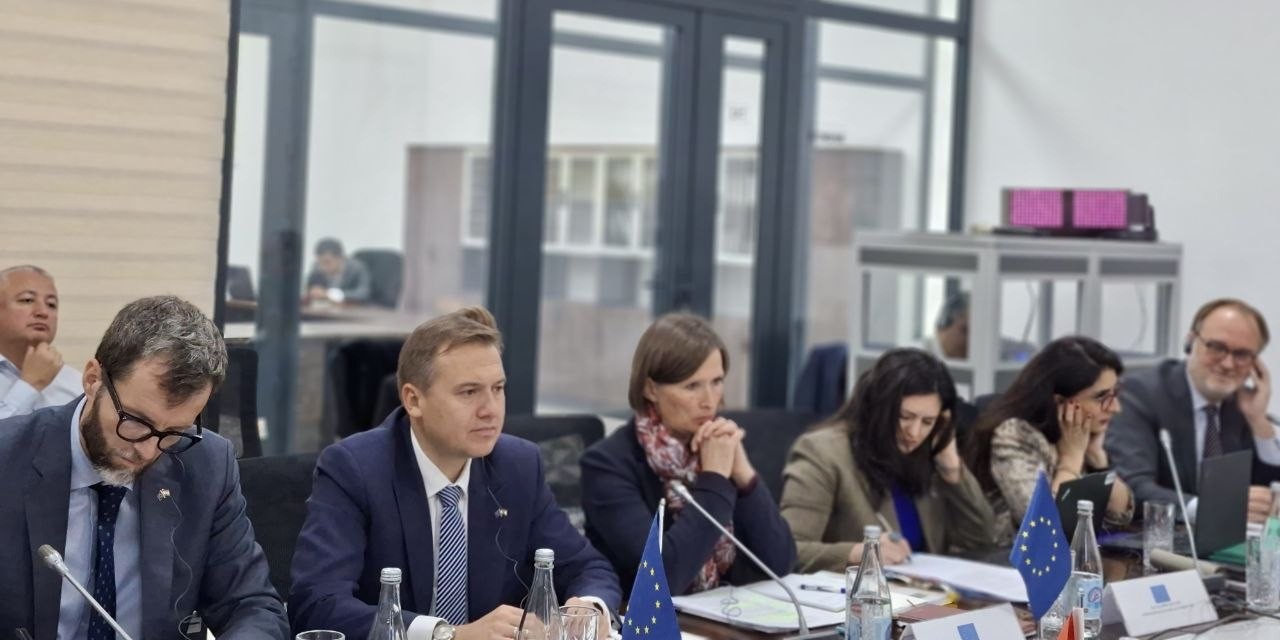
Tajikistan has taken positive steps in the areas of prison reform, as well as the rights of women and people with disabilities, but limits on free expression and association remain a concern, the European Union said after talks in Dushanbe this week. Tajikistan, which underwent a U.N. review of its human rights record earlier this month, has said it is working to meet international recommendations.
EU officials also reiterated their regret that Tajikistan was formally withdrawing from the treaty that established the International Criminal Court, saying they hoped that the Tajik government would reconsider. The United Nations says the withdrawal process for Tajikistan was initiated on November 20, 2026, and will take effect on November 20, 2027, under Article 127 of the Rome Statute, which established the court.
The ICC found that Tajikistan did not comply with its obligations by failing to act on the court’s arrest warrant for Russian President Vladimir Putin when he visited Dushanbe in 2025. Tajik officials, who say the ICC is politicized, argued that Russia is not a state party to the Rome Statute and also that a bilateral agreement with Moscow provides for his immunity.
On November 24, a day after the human rights talks with Tajikistan, the EU acknowledged Tajikistan’s “continued engagement” with international human rights reviews.
“The EU noted certain positive developments, including efforts in the areas of equality and women’s rights, prison reform, and the ratification of the UN Convention on the Rights of Persons with Disabilities on 1 October 2026,” the European Union said.
“At the same time, the EU expressed concern about continuing restrictions on freedom of expression and freedom of association,” it said. “The EU encouraged Tajikistan to ensure a conducive environment for independent journalists, bloggers, civil society and human rights defenders and called for immediate and unconditional release of a number of imprisoned individuals.”
The European Union delegation, led by Central Asia specialist Eva Palatova, also said it hoped for progress on human rights in the Gorno-Badakhshan Autonomous Oblast, or GBAO, in eastern Tajikistan.
According to the human rights organization ADC Memorial, tens of thousands of people have left the sparsely inhabited region since a government crackdown in 2021–2022.
“The EU stressed that tangible progress regarding human rights, rule of law and democracy will be important for economic cooperation and investments,” the EU said.
The Tajik delegation at the talks in Dushanbe this week was led by Firuz Orzuzoda, a senior human rights official in the Tajik presidency. As of November 24, the presidency had not released a public statement on the dialogue. The EU and Tajikistan periodically hold talks on human rights. The next round will be held in Brussels, Belgium in 2027.
In remarks to the U.N. Human Rights Council in early November, Justice Minister Muzaffar Ashuriyon said Tajikistan was responding to international recommendations. He said Tajikistan had taken measures including more severe penalties for torture, guarantees for people in custody, and legislation protecting children.
“Our country is fully committed to strictly comply with our international obligations in the area of human rights and ready for future cooperation in this area,” the minister said.