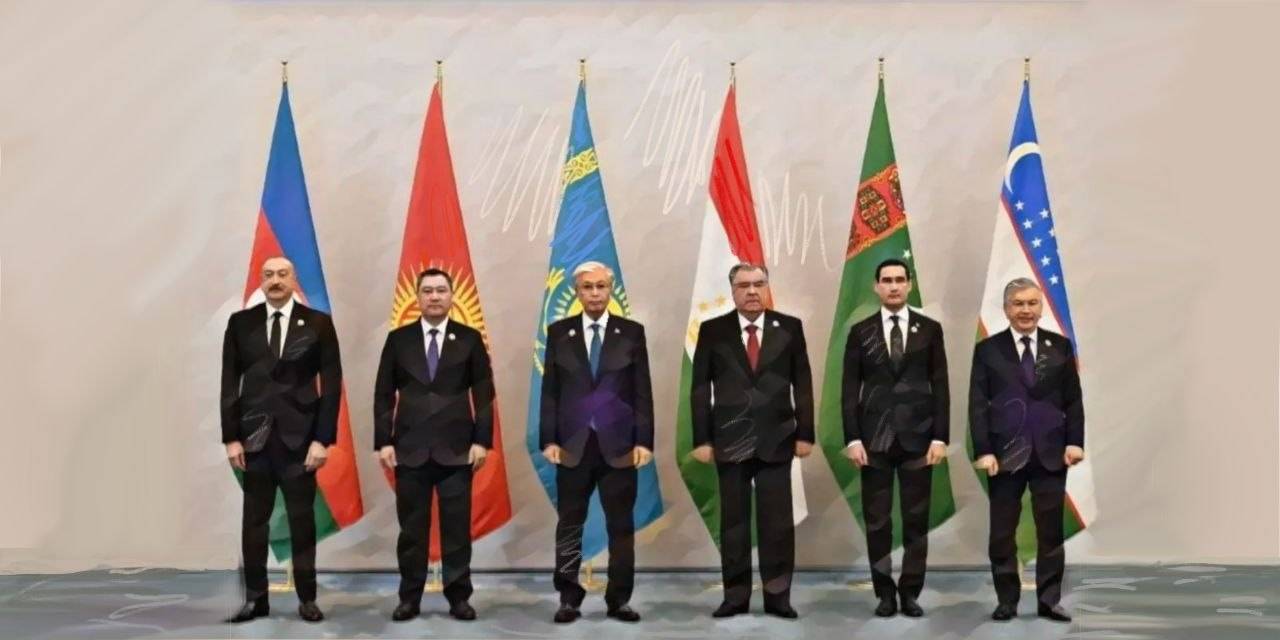
Central Asia’s presidential forum now spans both shores of the Caspian. Kazakhstan and Azerbaijan anchor the principal Caspian crossing at the center of the Middle Corridor, the rail-and-sea network linking Central Asia to European markets through Azerbaijan, Georgia, and Türkiye. Azerbaijan’s full participation brings the corridor’s eastern and western Caspian gateways into the same regular political setting. The six governments can use it to coordinate the transport, energy, digital, and investment links already developing across the Caspian, even though Georgia and Türkiye remain essential to the route’s westward operation.
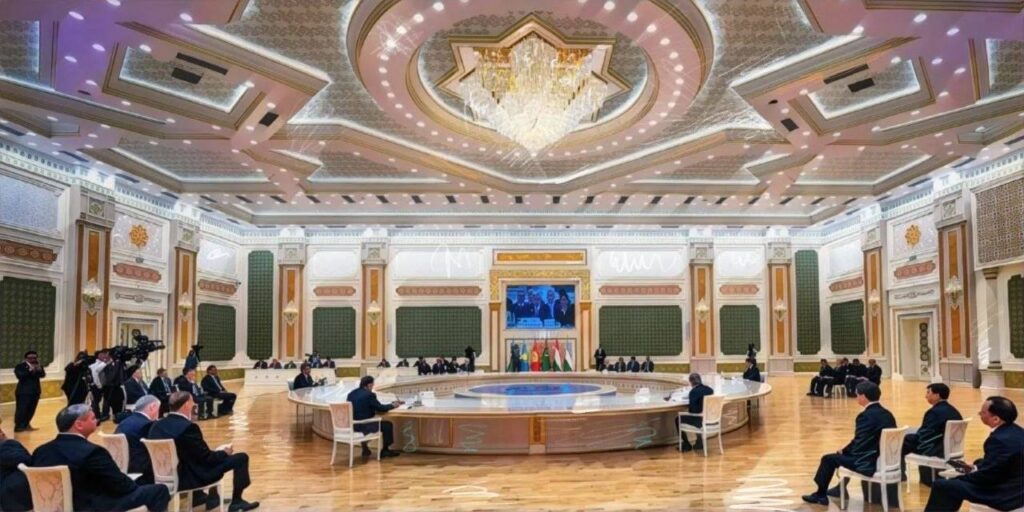
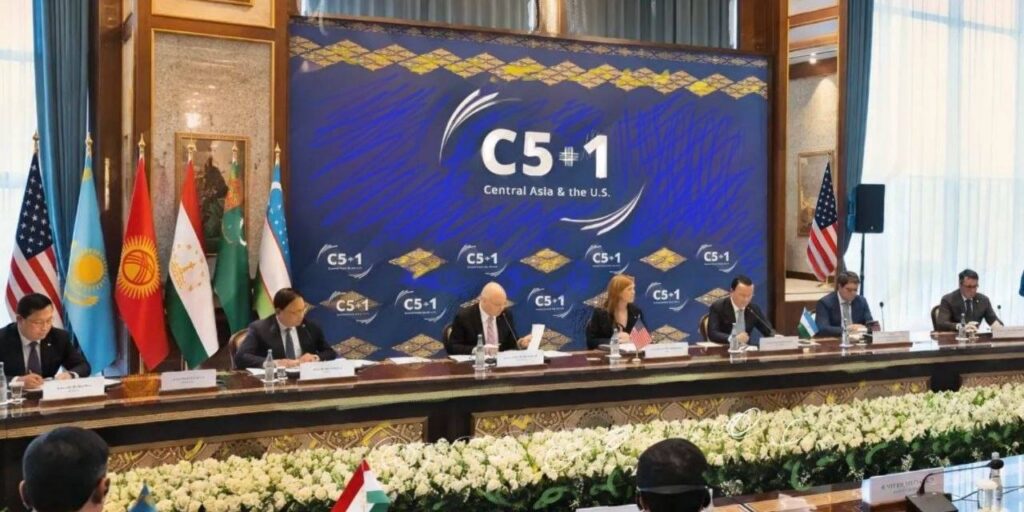
On July 31, 2026, the presidents of Kazakhstan, Kyrgyzstan, Tajikistan, Turkmenistan, Uzbekistan, and Azerbaijan signed the Cholpon-Ata Declaration at an informal Consultative Meeting of the Heads of State of Central Asia and Azerbaijan in Kyrgyzstan. The Declaration gave formal political expression to cooperation that had already been developing. Official accounts said the leaders emphasized expanded regional cooperation, including trade, transport and logistics, and energy. The full text has not been released, so those priorities come from official accounts rather than the declaration itself.
Proposed by Uzbekistani President Shavkat Mirziyoyev in 2017 and first convened in Astana in March 2018, the Consultative Meetings brought together the five Central Asian states in an informal presidential format. They expanded in November 2025 with Azerbaijan’s admission as a full-fledged participant, while retaining their consultative character. Azerbaijan attended in 2023 and 2024 as a guest; Cholpon-Ata was its first informal meeting in the new capacity. Official documents continue to call the format “Central Asia and Azerbaijan.” C6 is analytical shorthand for the enlargement, not the name of a new bloc or formal organization.
Azerbaijan’s admission follows several years of practical cooperation. At a ministerial meeting in Aktau on November 25, 2022, Kazakhstan, Azerbaijan, Georgia, and Türkiye signed a 2022–2027 roadmap for the simultaneous elimination of bottlenecks and development of the Middle Corridor. At its 2023 Baku summit, the UN Special Programme for the Economies of Central Asia (SPECA) adopted a digitalization roadmap and established a multi-partner trust fund, followed by work on digital data exchange and port-to-port cooperation. The transport roadmap includes Georgia and Türkiye, while SPECA also includes Afghanistan; neither is institutionally identical to C6. The enlarged format gives the six governments a regular political setting in which to coordinate existing transport, digital, and investment mechanisms.
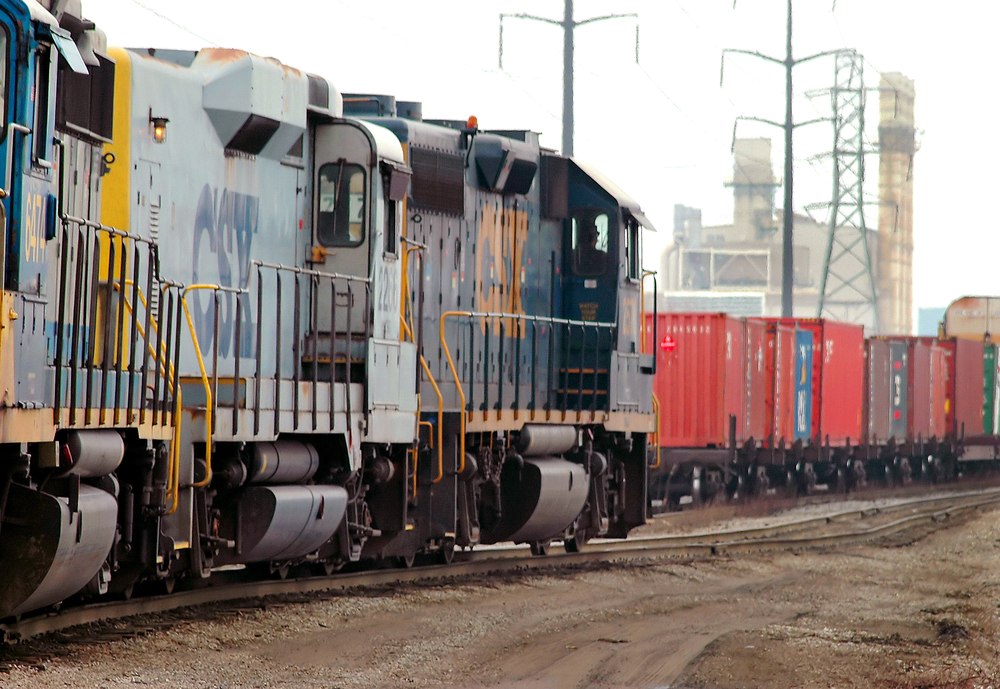
The Trans-Caspian International Transport Route Association reports that freight through the seaports of Kazakhstan and Azerbaijan reached 3.3 million tons in 2024, 20% above the 2023 level, while container traffic within the same scope rose 176% to 56,500 twenty-foot equivalent units (TEU). Freight remains the principal basis of integration. Oil transit, prospective electricity links, and joint investment instruments are extending cooperation into adjacent sectors. Kazakhstan’s use of the route for oil exports is also rising: according to KazMunayGas reports, Kazakhstani oil shipments from Aktau through the Baku–Tbilisi–Ceyhan route increased by 34% to 1.4 million tons in 2024.
At COP29 in Baku on November 13, 2024, Azerbaijan, Kazakhstan, and Uzbekistan signed a strategic-partnership agreement on producing and transmitting green energy, with a prospective Trans-Caspian connection toward European markets. Azerbaijan maintains joint investment funds with Uzbekistan, Kazakhstan, and Kyrgyzstan; in July 2026, Azerbaijani President Ilham Aliyev said the authorized capital of the Azerbaijan–Kyrgyzstan fund had increased from $100 million to $200 million. Oil transit is already operational. The electricity connection remains prospective, and higher fund capitalization does not establish how much has actually been invested.
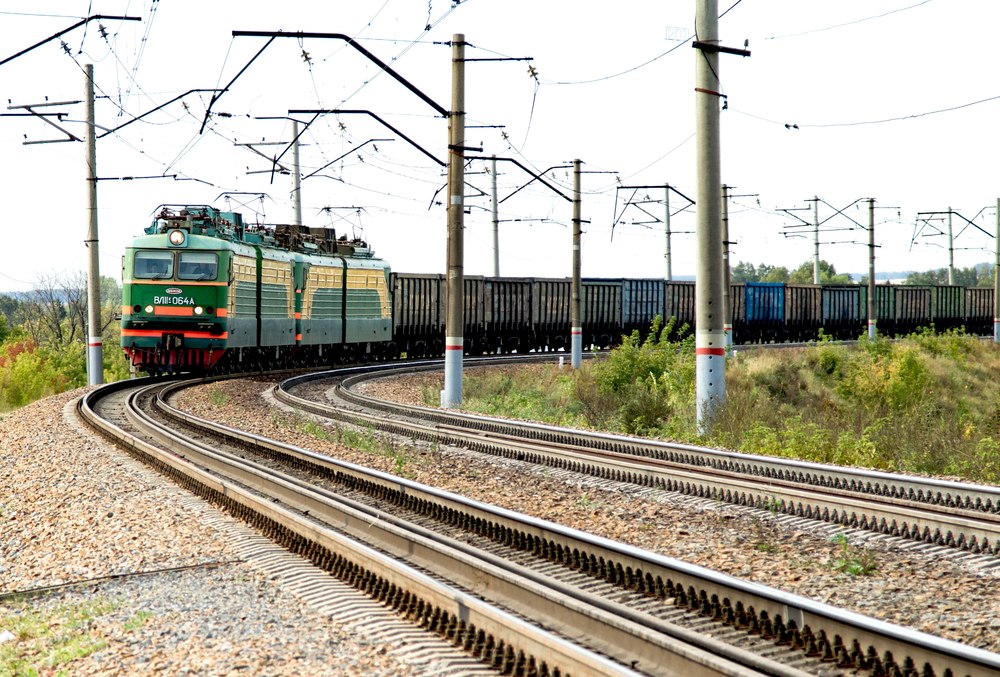
The corridor rests on complementary infrastructure on both shores of the Caspian. Kazakhstan’s ports at Aktau and Kuryk connect Central Asian rail networks with maritime services, while Azerbaijan’s participation gives the regional format a direct connection to the South Caucasus transport system. The Port of Baku receives Trans-Caspian traffic with a current design capacity of 15 million tons and 100,000 TEU; its reported annual container throughput reached 100,000 TEU in 2025. Modernization of the Baku–Tbilisi–Kars railway has raised its stated freight capacity from one million to five million tons annually. Together, the port and railway define the physical basis of Azerbaijan’s role, while Aktau and Kuryk anchor Kazakhstan’s side of the crossing. Baku is the principal transit node linking the Caspian with Georgia and Türkiye.
Neither Georgia nor Türkiye participates in C6, but both remain indispensable to the corridor. The six states can improve coordination across the Central Asian and Trans-Caspian sections, while further development will require cooperation with both countries and investment from European and other international partners. At the 2024 Investors Forum, the EU and its partners announced €10 billion in commitments for sustainable transport connectivity. An EU–EBRD study had identified 33 hard-infrastructure needs and seven soft-connectivity actions; the forum set an objective of approximately fifteen days for transit between Europe and Central Asia. In this sense, western-facing refers to the route’s direction of market access rather than to an exclusive geopolitical alignment.
The rapid growth of the Xi’an–Baku service shows that the corridor’s westward development remains compatible with substantial Chinese participation. The service handled 85 rail-sea trips in the first quarter of 2026, a year-on-year increase of 150%, with an average Xi’an-to-Baku transit time of approximately fifteen days and a fastest journey of eleven days. Those timings apply to this service, not to shipments continuing to Europe. Chinese shippers are a growing source of cargo; European markets and financial institutions support the route’s westward commercial development.
While not eliminating external dependence, the corridor can strengthen sovereignty by widening the range of routes, markets, and partners available to the participating states. The World Bank gives regional trade along the route at least as much weight as end-to-end traffic between China and Europe. Greater commerce among Central Asia, Azerbaijan, and neighboring markets can reduce exposure to any single transit route and increase governments’ leverage in economic negotiation. It can strengthen economic and political autonomy.
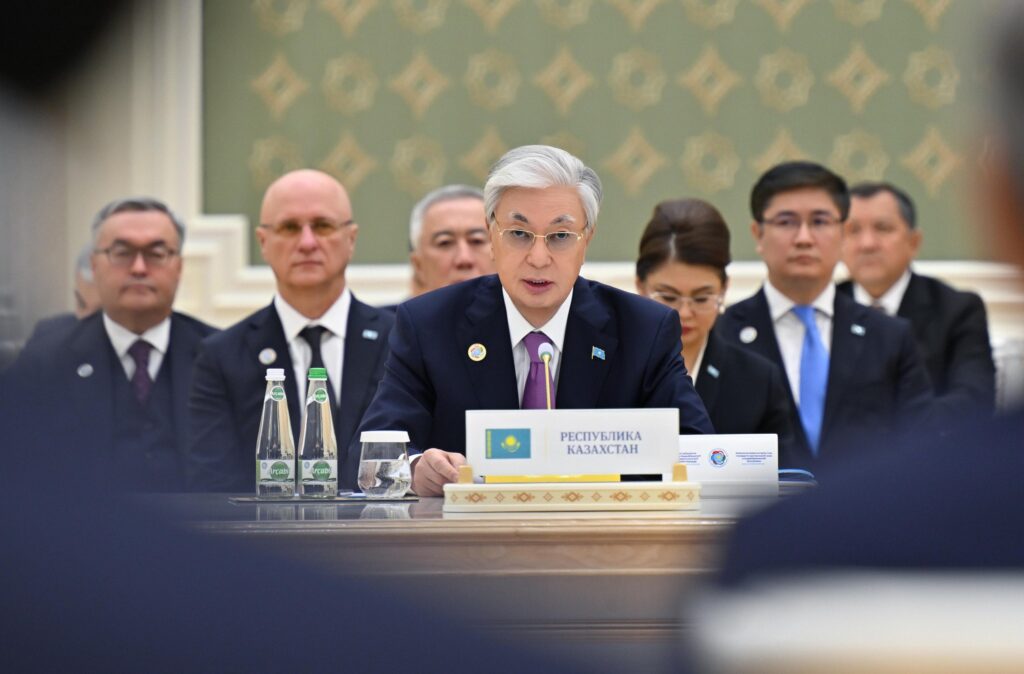
A more self-standing regional framework should not be confused with economic self-sufficiency. At Cholpon-Ata, Kazakhstani President Kassym-Jomart Tokayev said Azerbaijan’s full participation created conditions for a deeper political dialogue and cooperation in investment, energy, industry, and the formation of a unified transport-logistics system. Separately, he proposed an action plan with clear benchmarks to implement the Treaty of Friendship, Good-Neighborliness and Cooperation for the Development of Central Asia in the Twenty-First Century. Uzbekistani President Shavkat Mirziyoyev said Azerbaijan’s inclusion raised cooperation to a new macroregional level and advocated stronger institutions, sectoral links, value chains, digital services, and investment platforms. Aliyev said Central Asia and Azerbaijan had effectively become a single geopolitical and geoeconomic space and pledged Azerbaijan’s active participation in the format. The next step is for the six governments to formulate and implement a common agenda within a format that remains consultative and non-supranational. Regional agency would not emerge from the construction of a centralized authority but from sustained coordination among sovereign states.
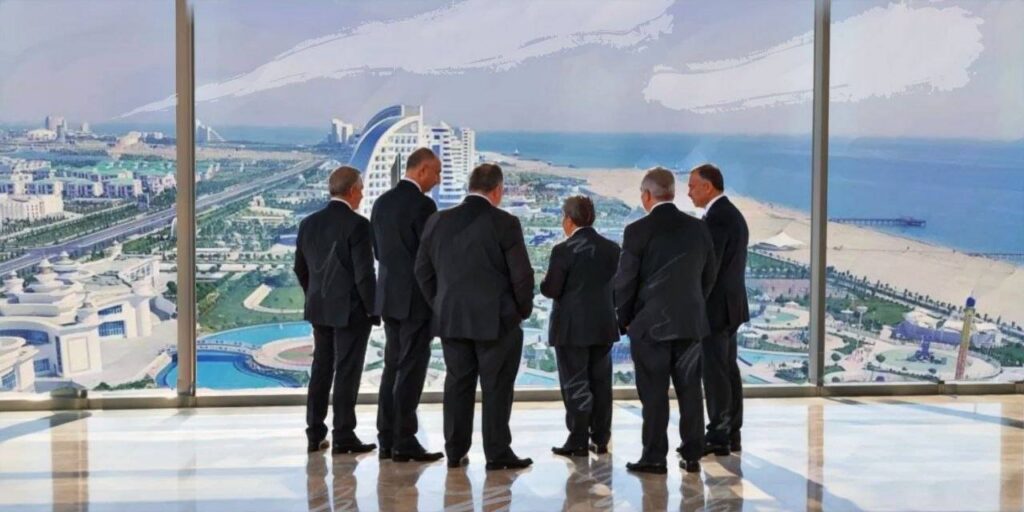
Turkmenistan has scheduled the eighth Consultative Meeting of the Heads of State of Central Asia and Azerbaijan for October 8 at Avaza, with trade, economic cooperation, energy, and sustainable transport among the announced fields. The October meeting will show whether the political convergence expressed at Cholpon-Ata can improve corridor operation. Because the route continues through Georgia and Türkiye, both countries will remain essential even though they are outside the format. The C6’s contribution to the Middle Corridor will ultimately be measured by whether it can streamline customs procedures, improve data exchange, make schedules more reliable, and mobilize investment.