The return of millions of Afghans from Iran and Pakistan is placing fresh pressure on a country already struggling with declining international humanitarian assistance. Closer cooperation with Central Asian countries could help Afghanistan meet its immediate needs while reducing its long-term dependence on emergency aid.
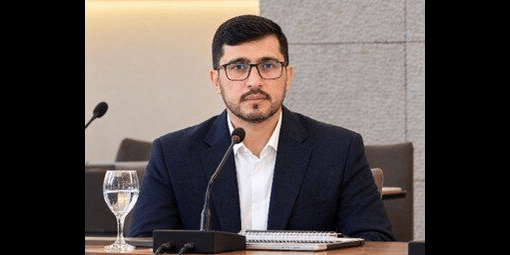
In an interview with The Times of Central Asia, Abdul Wahab Arash, who has more than 17 years of experience working for international humanitarian and development organizations, discusses the challenges facing Afghanistan and the role its Central Asian neighbors could play in the country’s recovery.
TCA: How have the needs of the Afghan population evolved, and which challenges concern you most today?
Abdul Wahab Arash: Having worked in Afghanistan’s humanitarian sector for more than a decade, I have witnessed how conflict, displacement, poverty, economic instability and natural disasters have affected Afghan communities. While emergency needs have persisted, economic hardship, limited employment opportunities and recurring disasters have placed additional pressure on vulnerable families.
One of my greatest concerns is the large-scale return of Afghan migrants from neighboring countries, particularly Iran and Pakistan, including people who have been deported or compelled to return. According to the International Organization for Migration, approximately 6.5 million Afghans returned from Iran and Pakistan between mid-September 2023 and Aug. 31, 2026. These movements place additional pressure on Afghanistan’s already limited resources and public services. Many returnee families urgently need shelter, food, employment, healthcare, education and other essential services. Their reintegration requires not only emergency assistance but also sustainable livelihoods, housing support and access to basic services.
Another major concern is the widening gap between humanitarian needs and available funding. Funding reductions mean fewer people may receive essential assistance, while humanitarian programs, local organizations and employment opportunities for qualified Afghan professionals are also affected. Economic hardship and limited livelihoods can drive dangerous and irregular migration as people seek safety, work and a more secure future.
In my view, Afghanistan needs continued international solidarity alongside a stronger focus on resilience, livelihoods and investment in Afghan people. Emergency assistance remains essential, but wherever feasible it should also help families recover, protect their dignity and build more secure futures.
TCA: What are the main obstacles to delivering effective international humanitarian assistance in Afghanistan? What changes would help produce more sustainable results?
Arash: In my experience, one of the main obstacles is the growing gap between humanitarian needs and available resources. Other challenges include limited livelihood opportunities, difficulties in coordination, potential duplication across programs and the need to connect emergency assistance more effectively with longer-term recovery.
Afghanistan needs assistance to address immediate suffering, but it also needs a humanitarian system that invests in Afghan professionals, strengthens local capacity, creates fair employment opportunities and uses limited resources effectively. International expertise remains essential, but it should complement and strengthen national capacity rather than unnecessarily replace it.
International organizations could explore more cost-effective operating models, including leaner offices in Kabul and greater reliance on qualified Afghan organizations to implement activities and monitor assistance at the community level. This could reduce operational and administrative costs and allow more resources to reach people in need. International organizations would continue to provide technical expertise, strategic guidance, capacity building, quality assurance and independent oversight. Afghan organizations could take on greater implementation responsibilities, supported by clear standards, transparent reporting and appropriate accountability mechanisms.
I believe the sector should consider an ambitious target of directing 70% to 80% of available humanitarian resources toward direct assistance and essential program delivery, where feasible. This reflects calls for greater efficiency, including requests raised by relevant ministries. Any such target would require transparent reporting and context-specific cost analysis that recognizes the legitimate costs of safe and effective operations. The aim is to maximize assistance reaching affected people without undermining monitoring, accountability, staff safety or quality.
Humanitarian organizations must be able to operate independently, in accordance with the principles of humanity, impartiality, neutrality and independence. Government authorities should refrain from undue interference, respect independent needs assessments and allow assistance to be delivered according to humanitarian considerations. An enabling environment is essential if aid is to reach vulnerable people effectively, transparently and without discrimination.
Finally, sustainable results require meaningful consultation with affected communities and stronger links between emergency assistance and livelihoods, vocational training, small businesses, agriculture and essential services. The goal is to help people survive crises while also strengthening their ability to recover and withstand future shocks.
TCA: Kazakhstan has provided humanitarian assistance to Afghanistan for many years, including food supplies, essential goods and medical support. How do you assess its contribution?
Arash: We sincerely appreciate the continued humanitarian assistance provided by friendly Kazakhstan to the people of Afghanistan. Such support helps vulnerable families meet urgent needs, particularly during periods of economic hardship and natural disasters.
Beyond emergency assistance, Kazakhstan could contribute to Afghanistan’s long-term recovery by sharing its experience and technical expertise in agriculture and livestock development. Afghanistan has considerable agricultural potential, but farmers face challenges related to water management, productivity, modern technology, storage and market access.
Cooperation could focus on improved seeds, agricultural machinery, efficient irrigation, livestock breeding, animal health, dairy production, cold storage and practical training for farmers. Knowledge exchange and technical partnerships could reduce agricultural losses, improve food security, increase rural incomes and create jobs.
In my view, Kazakhstan’s contribution would be particularly meaningful if humanitarian solidarity were complemented by long-term cooperation that strengthens Afghan skills, livelihoods and productive capacity.
TCA: Uzbekistan, Turkmenistan and other Central Asian countries are also developing humanitarian cooperation with Afghanistan. Which areas offer the greatest practical potential? Are there successful examples that could be expanded across the region?
Arash: Afghanistan’s geographical position creates opportunities for practical cooperation with Central Asian countries in trade, energy, transport, agriculture, education and technical training. Stronger regional partnerships could improve economic connectivity while helping address humanitarian needs and support long-term development.
Existing cooperation in electricity supply, trade, transport links and humanitarian assistance provides a foundation for further progress. Trade facilitation and improved connectivity could expand access to essential goods and markets, while agricultural partnerships could strengthen food security and rural livelihoods.
Uzbekistan, Turkmenistan, Kazakhstan and other regional partners could also expand vocational training, scholarships for Afghan students, professional exchanges, investment and technical assistance. These opportunities would help Afghan professionals develop practical skills in sectors where the country has significant needs.
Agricultural technology, livestock development, water management, food storage and dairy processing are especially promising. Projects that demonstrate positive results could be evaluated and adapted for other parts of Afghanistan or the wider region, taking account of local conditions.
The value of regional cooperation lies in building lasting partnerships that create shared economic opportunities. Combining humanitarian support with trade, education, technical cooperation and investment can strengthen Afghanistan’s capacity and contribute to regional stability and prosperity.
TCA: What steps should Afghanistan take over the next few years to reduce its dependence on emergency humanitarian assistance? How could stronger cooperation with Central Asian countries help?
Arash: Afghanistan needs a gradual transition from repeated dependence on emergency aid to sustainable livelihoods and stronger community resilience. This does not mean withdrawing humanitarian assistance while needs remain severe. It means complementing essential relief with practical measures that help people earn incomes, access services and withstand future crises.
Creating jobs, investing in agriculture and livestock, supporting small businesses, expanding vocational training and improving access to education should be central priorities. Scholarships and professional training can equip young Afghans with skills they can use in their communities and the national economy. Expanding women’s access to education, livelihoods and economic participation is also important for household incomes and community resilience.
International assistance will remain essential for urgent humanitarian needs, but it should increasingly complement efforts to strengthen livelihoods, local institutions and economic opportunities. Progress also requires an enabling environment in which humanitarian organizations can operate independently and impartially, guided by humanitarian principles and the needs of affected people.
Ultimately, Afghanistan’s resilience will depend on combining international solidarity with investment in its people, stronger local capacity and constructive regional partnerships. Families should receive the assistance they need today while gaining greater opportunities to support themselves in the future.
Editorial note: This interview reflects the interviewee’s personal views and does not represent the official position of IFRC or any other organization within the International Red Cross and Red Crescent Movement.