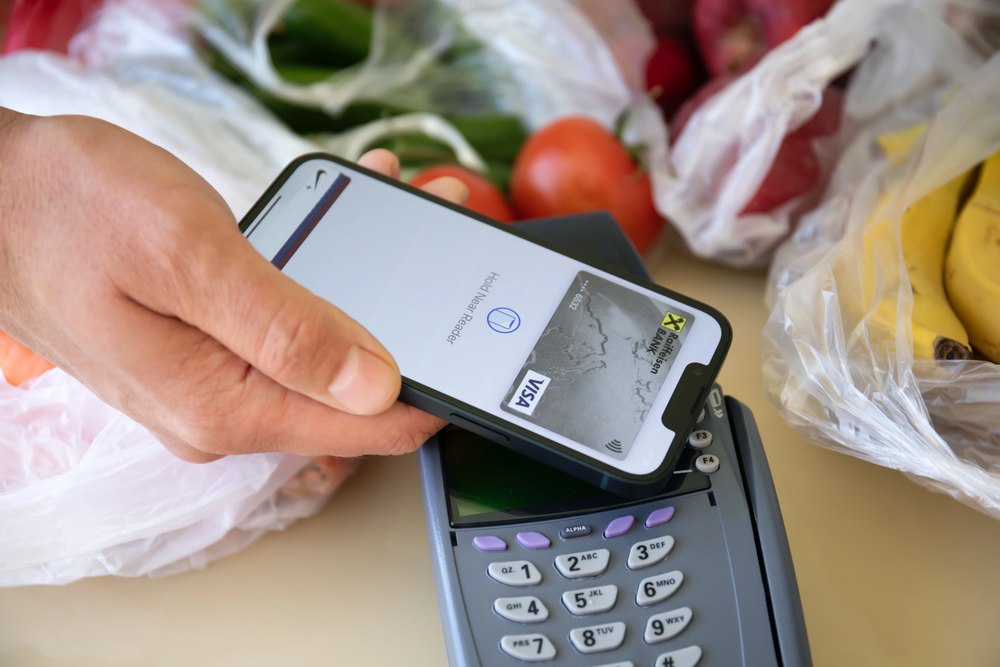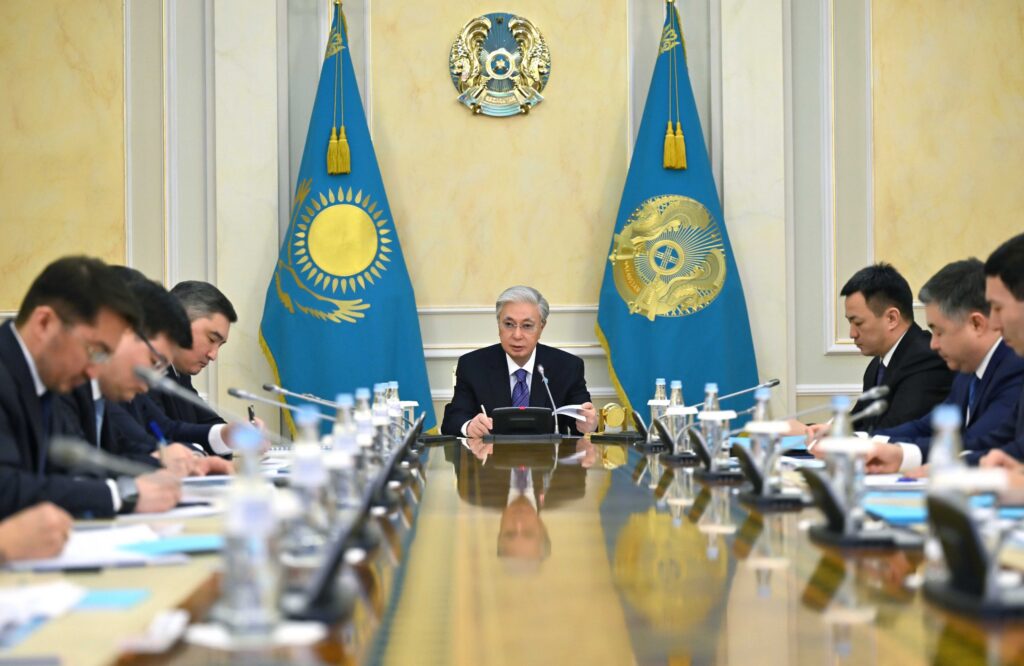
At an October 22–23 meeting in Tajikistan, central bank representatives from Kazakhstan, Uzbekistan, Azerbaijan, Kyrgyzstan, and Tajikistan supported Kazakhstan’s proposed approach to linking national QR-payment systems, according to the National Bank of Kazakhstan. As reported by The Times of Central Asia on October 30, the initiative would allow customers of participating banks in the five countries to use their banking apps to pay merchants when travelling between these countries and transfer money across borders in real time. The central banks aim to work out the mechanism by year-end; they have not announced a date for customers to begin using the service.
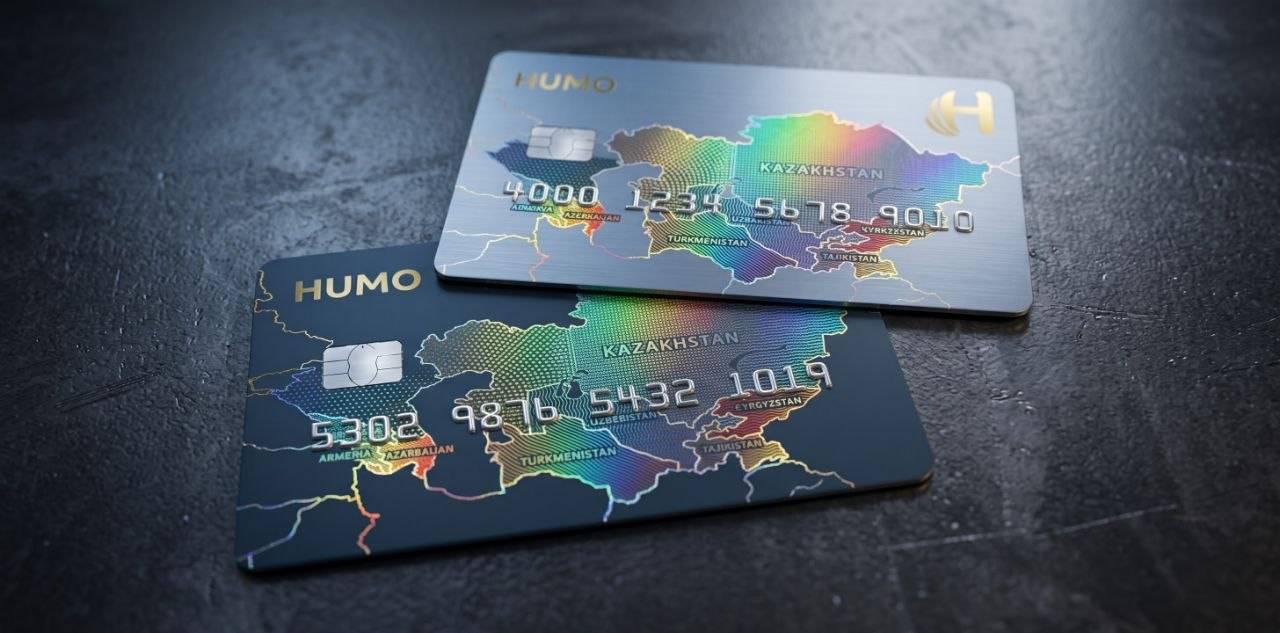
Kazakhstan and Uzbekistan have already established a bilateral framework. In September, Uzbekistan’s HUMO payment system and Kazakhstan’s National Payment Corporation signed a memorandum covering reciprocal acceptance of national QR codes and cross-border transfers through banking applications to recipients’ cards. The agreement covers Kazakhstan’s national QR system and Uzbekistan’s UzQR; Azerbaijan is involved in the separate five-country discussions.
Travel between Kazakhstan and Uzbekistan already supplies a substantial potential market. Uzbekistan’s official tourism statistics recorded about 2.4 million visitors from Kazakhstan in January–September 2026, and about 1.1 million Uzbek citizens traveling to Kazakhstan over the same period. For small businesses, the immediate opportunity lies in receiving payments from visiting customers; the announced arrangements do not yet establish a service for paying suppliers abroad.
Domestic Foundations
Participating merchants in Kazakhstan and Uzbekistan can accept QR payments from customers of different domestic banks. Kazakhstan announced the nationwide launch of its interbank mobile-payment service for July 19, offering round-the-clock phone-number transfers and QR purchases through merchants’ existing terminals. Uzbekistan introduced its national QR-acceptance procedure on July 1, with a portal through which merchants can register QR stickers and view transactions.
Domestic QR payments in Azerbaijan run through the Instant Payments System around the clock. Azerbaijan’s system settles payments in manat; payments from accounts denominated in other currencies would therefore require conversion. A customer can have enough money for a purchase while the bank lacks the funds immediately available to settle it. Participating institutions therefore operate within liquidity limits backed by their balances in Azerbaijan’s real-time settlement system. The arrangements provide for managing those balances on nonbusiness days.
HUMO reported in April that its cards were already accepted at Halyk Bank’s terminals and ATMs in Kazakhstan. National QR links would have to offer an advantage over available services, whether through wider acceptance or better terms. Merchants could gain access to customers of additional foreign banks as participation in the linked payment systems expanded.
Settlement, Conversion, and Costs
Banks in the participating countries would need to agree which institutions settle the payments and when merchants can use the proceeds. In the Malaysia–Thailand QR linkage launched in 2021, PayNet and National ITMX operated the connected systems, while CIMB-group banks handled settlement. The division separates the transmission of payment instructions from the banking obligations that complete the payment. The October regional announcement does not yet identify how operating and settlement responsibilities would be assigned.
When a customer pays from a tenge account and the merchant receives manat, an institution must supply the manat. The institutions handling conversion and settlement would need access to the required currencies outside normal banking hours. The Nexus blueprint for linking national instant-payment systems illustrates how a conversion provider can obtain access through accounts with domestic settlement participants. A foreign conversion provider can arrange the local-currency payment through a domestic bank. Under the Nexus design, the provider’s exchange-rate quotation must also cover that bank’s account fees.
For the traveler, the conversion rate determines part of the cost. A payment advertised without a separate fee can include an exchange-rate margin. Nexus’s proposed disclosures show the sender’s total debit, the recipient’s net credit, and the effective exchange rate before authorization. Disclosure before payment allows comparison with card or cash alternatives for the same purchase. The relevant comparison for the traveler is the total amount debited in the home currency, including the exchange-rate margin and any separate payment charge.
Banks also earn revenue from the merchant accepting the payment. Under Kazakhstan’s national interbank QR arrangements, the merchant’s bank pays a standard 1.2% interchange fee to the buyer’s bank, with a preferential rate of 1% for certain business categories, under the National Payment Corporation’s tariff schedule. The National Bank says the merchant charge must not exceed the equivalent card-payment charge, while buyers pay no fee for domestic QR purchases. Cross-border conversion and settlement would add costs to an arrangement already dividing revenue between domestic institutions. Banks and payment operators in Uzbekistan, as in Kazakhstan, would weigh their share of transaction revenue against the cost of providing the cross-border service.
From Access to Use
Commercial terms influence how widely a service is offered and used. A 2024 study published by the Bank for International Settlements notes that even operational domestic fast-payment systems can struggle to attract participants and transactions. A visitor needs both a participating banking application and merchants who accept payments through it. If acceptance remains limited, travelers may continue using familiar card or cash options, leaving providers with fewer transactions from which to recover the cost of the cross-border service.
A failed cross-border payment can leave the customer and merchant seeking help from banks in different countries. The Nexus blueprint provides procedures for resolving disputes between participants. If a payment has left the customer’s account but has not reached the merchant, the banks must establish where processing stopped. A merchant accepting a visitor’s payment would also need to know which institution is responsible if the transaction fails or the customer seeks a refund.
By assigning settlement and service responsibilities, the year-end mechanism could give banks a basis for calculating what participation would cost. The commercial terms would influence how far payment acceptance extended beyond the cross-border services already available. Closer payment links could give small businesses a wider regional customer base while allowing them to continue receiving funds through their domestic banks.