Large-scale gold mining in northern Afghanistan is increasingly raising tensions and potential security risks for Central Asia, particularly along the Afghan-Tajik border, according to a report by ExpressAsia.
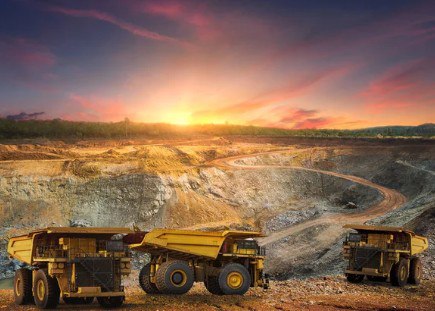
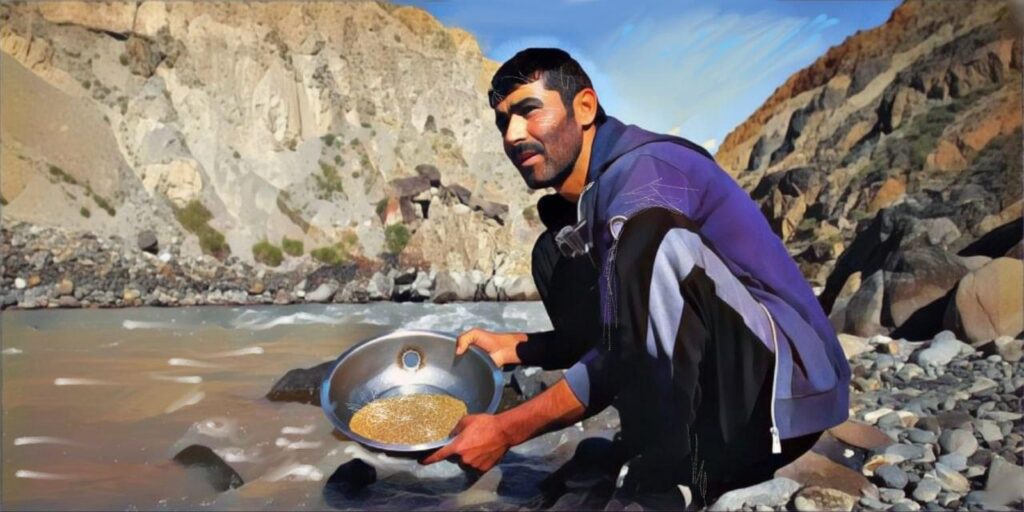
The outlet reports that intensive extraction activities are continuing in border areas adjacent to Tajikistan, where clashes and exchanges of fire have periodically occurred between Tajik border guards and individuals described as illegal miners or smugglers attempting to cross the frontier. Over the past two years, mining operations have expanded significantly, with thousands of units of heavy equipment, including excavators and trucks, reportedly transported to Afghanistan’s Takhar and Badakhshan provinces. Local residents have referred to the rapid industrial expansion as a “gold apocalypse.”
Mining is concentrated in the Chah Ab district, as well as the Shahri Buzurg and Raghistan areas, which border Tajikistan’s Khatlon region. The report states that around five Chinese companies and two Turkish firms are operating in the area, along with approximately 30 enterprises linked to Haji Bashir Noorzai, whom analysts widely describe as a major figure in Afghanistan’s narcotics trade, in addition to numerous smaller operators.
Badakhshan province is considered one of Afghanistan’s most resource-rich regions. In addition to gold, deposits of rubies, lapis lazuli, platinum, and other valuable minerals are being actively extracted. Official figures cited in the report indicate that gold mining generated approximately $900 million in government revenue in 2025. At the same time, experts estimate that gold worth roughly $60 million is extracted daily in border areas alone.
Despite the scale of the operations, analysts cited by ExpressAsia say regulatory oversight remains weak and revenue distribution lacks transparency. A significant share of profits is believed to flow to intermediaries and armed groups, while local communities reportedly receive limited economic benefit.
Environmental concerns are also mounting. Ecologists warn that intensive mining has already degraded agricultural land, with some fertile areas reportedly turning into sandy terrain, potentially creating long-term ecological challenges for the region.
Additional tensions stem from unresolved border management issues along the Panj River, which forms the natural boundary between Afghanistan and Tajikistan under agreements reached in the 1970s. As the river’s course gradually shifts, disputed islands have emerged, increasing the risk of unintentional crossings by miners and triggering repeated protests from the Tajik side.
According to ExpressAsia, Tajik authorities have begun reinforcing riverbanks, a move that could further alter water flow and complicate territorial arrangements as mining activity continues to expand.