Iran wants its parliament to ratify a long-delayed agreement among the littoral states of the Caspian Sea that it says could facilitate economic cooperation. The initiative comes as tensions between Iran and the United States remain high, increasing pressure on the Iranian economy.
The Iranian government’s plan to submit the Convention on the Legal Status of the Caspian Sea for ratification in the parliament “follows changes in the security environment” around the sea, according to Kazem Gharibabadi, deputy foreign minister for legal and international affairs. Gharibabadi was quoted in an interview published by the state-run Islamic Republic News Agency, or IRNA, on Saturday.
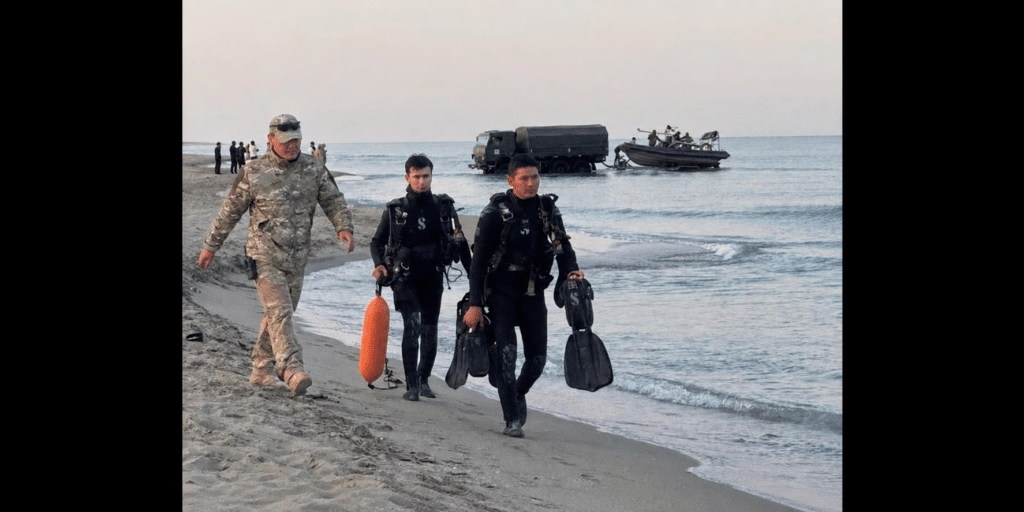
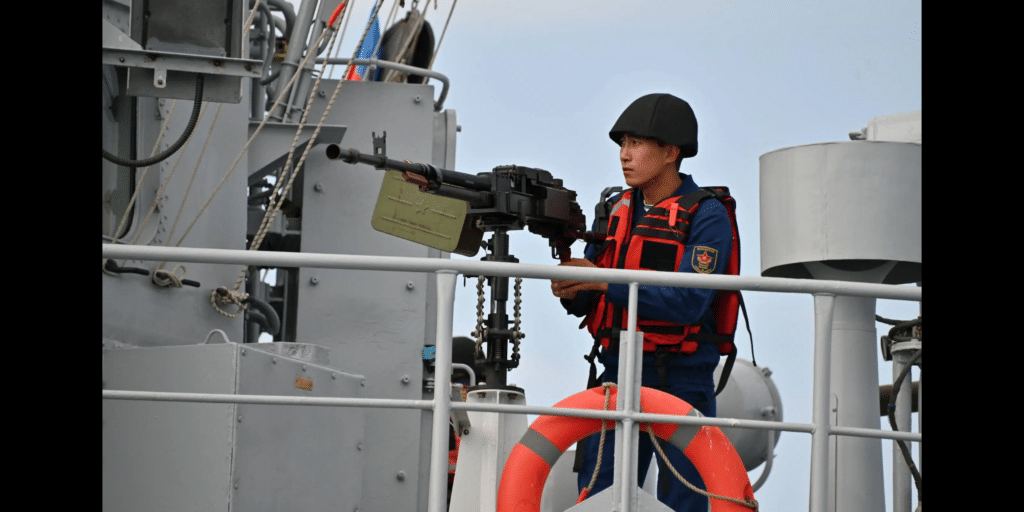
The IRNA report did not go into detail about those security changes, but Iran had blamed Ukraine for a Caspian Sea attack last month that it said resulted in an explosion on an Iranian commercial vessel, killing one sailor and injuring another. Ukraine has acknowledged conducting long-range strikes in the Caspian, saying it was targeting vessels transporting military cargo linked to Iran, an ally of Russia.
The Iranian move in the parliament, which is dominated by conservatives, comes ahead of Iran´s reported plan to host a meeting of the Caspian littoral states next week.
In 2018, the Convention on the Legal Status of the Caspian Sea was signed in Aktau, Kazakhstan, by Azerbaijan, Iran, Kazakhstan, Russia, and Turkmenistan. The convention includes security provisions, including a ban on the presence of armed forces from non-littoral states. It also aims to assign territorial waters and regulate access to resources, including fisheries and offshore oil.
However, some details were not clarified and, unlike the other countries, Iran´s parliament did not ratify the deal. Some critics in Iran had argued that the convention left the country at a disadvantage.
Iran’s recent decision to urgently submit the convention to its parliament “comes amid public debate over the convention’s provisions, Iran’s rights and interests in the Caspian, and questions surrounding the country’s share of the sea,” IRNA reported. It quoted Gharibabadi as saying that, in addition to Caspian security concerns, there is a need to increase economic cooperation among the littoral states and resolve legal issues concerning the sea.
Some Iranian commentators say Iran is under pressure to make concessions and could end up compromising the country’s rights in the Caspian. In the IRNA interview, Gharibabadi sought to downplay criticism, saying Iranian parliamentary ratification would have “no impact on the delimitation of the seabed and subsoil of the body of water,” and that those issues would have to be resolved through negotiations among states with adjacent Caspian coastlines.
“By ratifying the Convention, Tehran could gain certain advantages, including legal certainty regarding the Caspian Sea and the preservation of its partnership with Moscow, which is pushing for the issue to be resolved. At the same time, the potential costs for Iran appear more significant,” said the Regional Center for Democracy and Security, a research center in Armenia, a South Caucasus country that could be affected by developments in the Caspian Sea.
The center’s analysis this month said Iran might slow down the ratification process to keep negotiation leverage and avoid domestic disputes over the matter. However, it said “military confrontation with Israel and the United States, increasing sanctions pressure, and the acceleration of alternative routes are gradually reducing the room for a delaying strategy.”
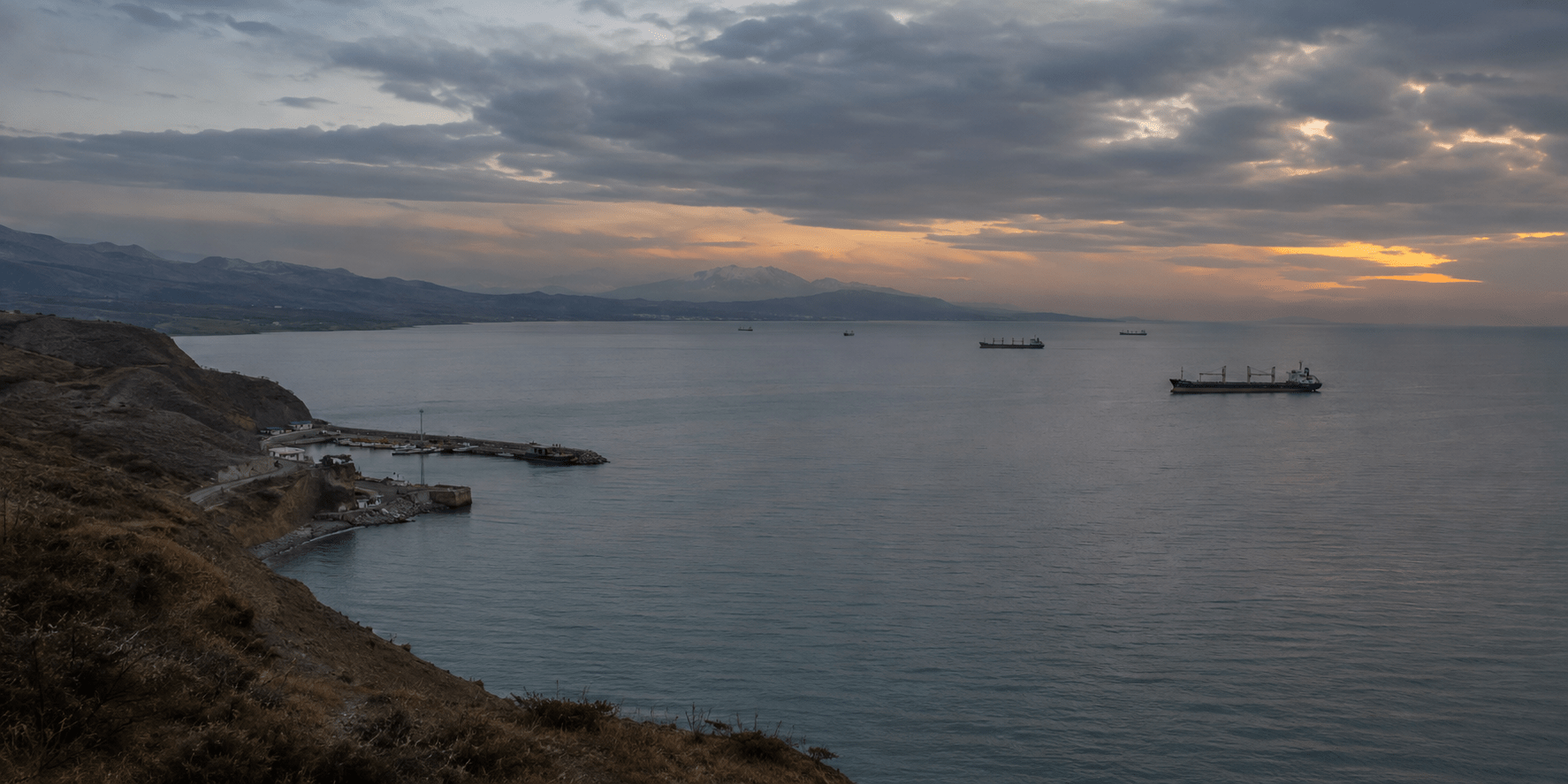
The Caspian Sea is critical to efforts to develop the Middle Corridor, a trade network that bypasses Iran and Russia and links Asia and Europe via Central Asia and the Caucasus.