Kyrgyzstan’s largest oil refinery, Junda in Kara-Balta, is moving to the next stage of a modernization project worth nearly $194 million. The project has taken on added significance amid problems with fuel supplies from Russia, on which Kyrgyzstan remains heavily dependent.
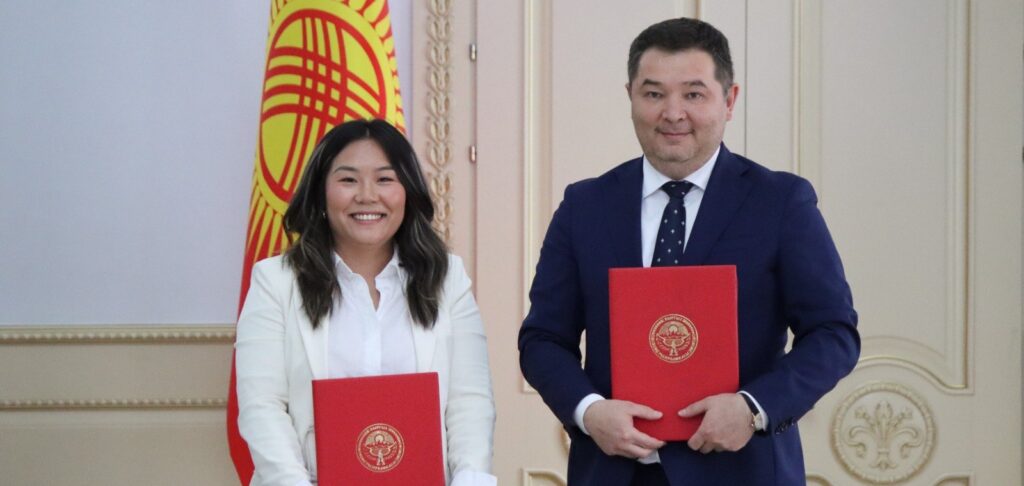
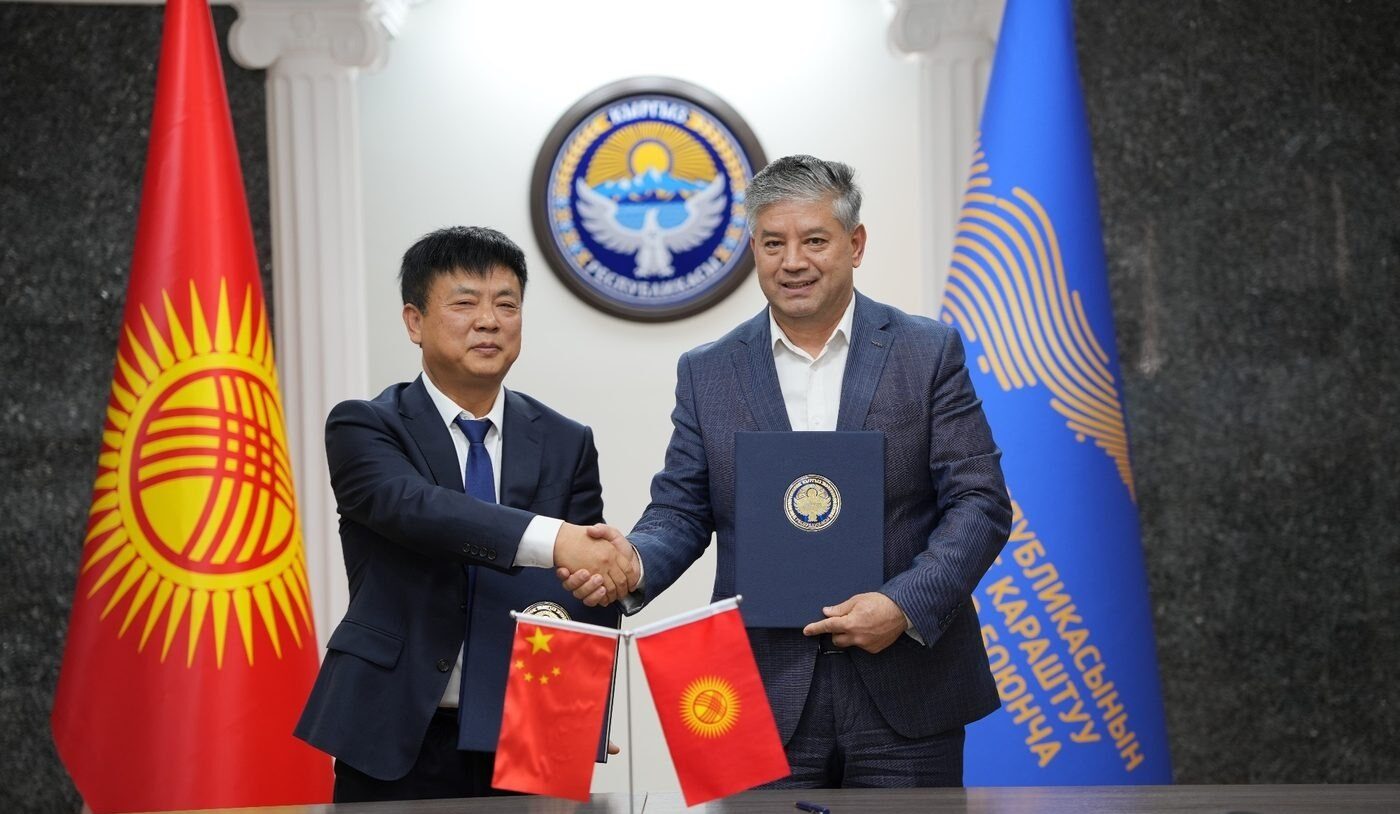
On August 25, Ravshanbek Sabirov, head of the National Investment Agency, signed an additional agreement with China’s Central Asia Energy Company. The document allows the next stage of the Junda modernization project to begin. Once upgraded, the refinery is expected to increase petroleum output and produce fuel meeting Euro 5 standards. The official announcement confirms the start of the new phase but does not specify its individual cost.
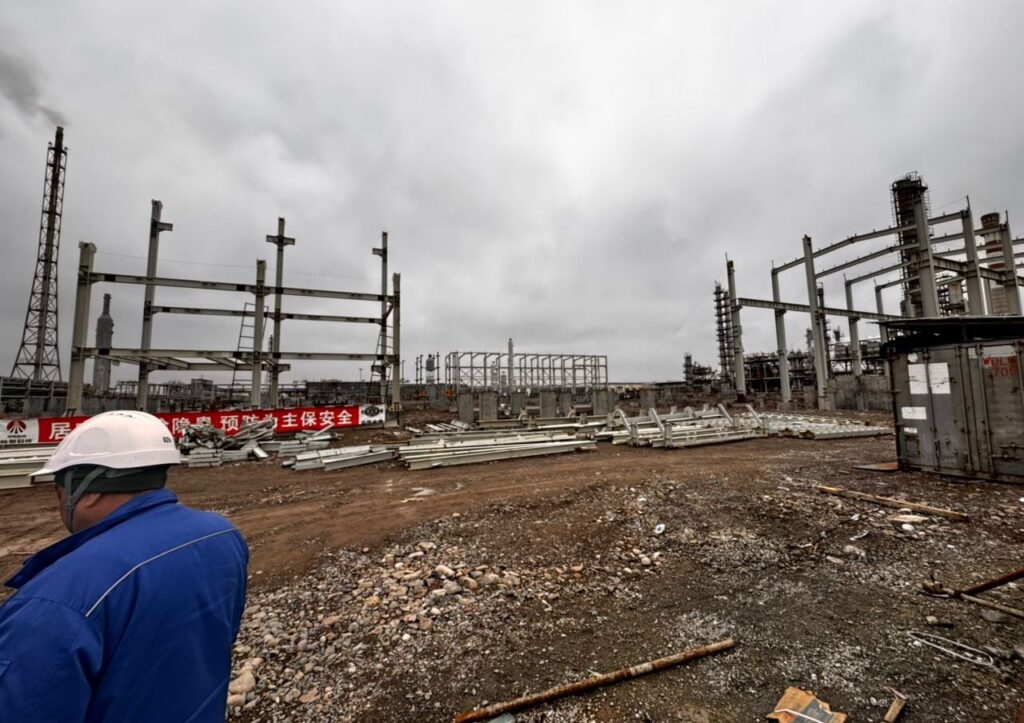
Junda, also known as Zhongda, is located in Kara-Balta, about 60 kilometers west of Bishkek. The refinery is operated by the Kyrgyzstan-registered China Petrol Company Junda, which is 99% owned by China’s Central Asia Energy Company. The remaining 1% is held by Kyrgyzstan-registered Dade Service Company.
The refinery, with an annual crude-processing capacity of 800,000 tons, began operating in 2014. Production halted in early 2020, and the plant remained idle for about four years. Before the shutdown, residents of Kara-Balta had repeatedly complained about air pollution and unpleasant odors from the facility.
The shutdown lasted about four years, with production resuming in 2024. A new modernization program followed. A 2024 investment agreement initially put the cost of repairs and modernization at $160 million, while the company later cited an investment of more than $167 million. An additional agreement subsequently raised the project figure to $193.75 million. The refinery’s stated processing capacity remains 800,000 tons per year.
The project’s timeline, however, remains unclear. An earlier supplementary agreement called for the modernization to be completed by July 31, 2026. That deadline has already passed, yet on August 25 the parties signed another agreement allowing the next phase to begin. The National Investment Agency has not explained whether the original deadline has formally been extended.
President Sadyr Japarov has previously given a different target – 2028. He also said the Chinese side had allocated about $500 million for Junda, substantially more than the $193.75 million cited in the investment agreement. It is unclear whether the two figures refer to different stages or scopes of work. Japarov has also spoken about modernizing another refinery, Kyrgyz Petroleum Company in Manas, the city formerly known as Jalal-Abad.
For Kyrgyzstan, the issue is not only fuel quality. Deputy Energy Minister Nasipbek Kerimov said in July that Kyrgyzstan consumes around 2 million tons of fuel and lubricants annually and that almost 95% has traditionally come from Russia. More recent government figures put average annual demand at more than 1.5 million tons, while Japarov has said Russia currently accounts for about 90% of consumption.
That dependence has become particularly visible this summer. Disruptions at Russian refineries and reduced volumes available for export have pushed prices higher. Ukrainian drone strikes, refinery outages, and strong domestic demand have contributed to fuel shortages in Russia and restrictions on exports to some markets. Rising fuel prices have in turn become one of the factors driving inflation in Kyrgyzstan. Annual inflation stood at 11.5% in July, and the government has cited higher fuel costs as one factor behind its worsening inflation outlook.
Bishkek is trying to soften the impact. The government is compensating oil traders for part of the difference between the cost of purchasing fuel and the price at which it is sold domestically. As of August 25, 956.1 million soms – about $11 million – had been allocated for this purpose. On August 26, the government extended the subsidy mechanism through December 31, 2026.
At the same time, oil traders have begun looking for additional sources of supply. With Russian supplies constrained, Kyrgyzstan is receiving petroleum products from Belarus, Azerbaijan, Turkey, and other countries, while negotiations over additional supplies from China and Kazakhstan have also been underway.
Modernizing Junda should increase the amount of fuel produced domestically, but it will not by itself eliminate Kyrgyzstan’s dependence on imports. The country does not produce enough crude oil to keep a refinery of this size supplied. Kyrgyzstan produced about 262,000 tons of crude oil in 2025, less than a third of Junda’s stated annual processing capacity alone, meaning that significantly higher refinery output would require imported feedstock.