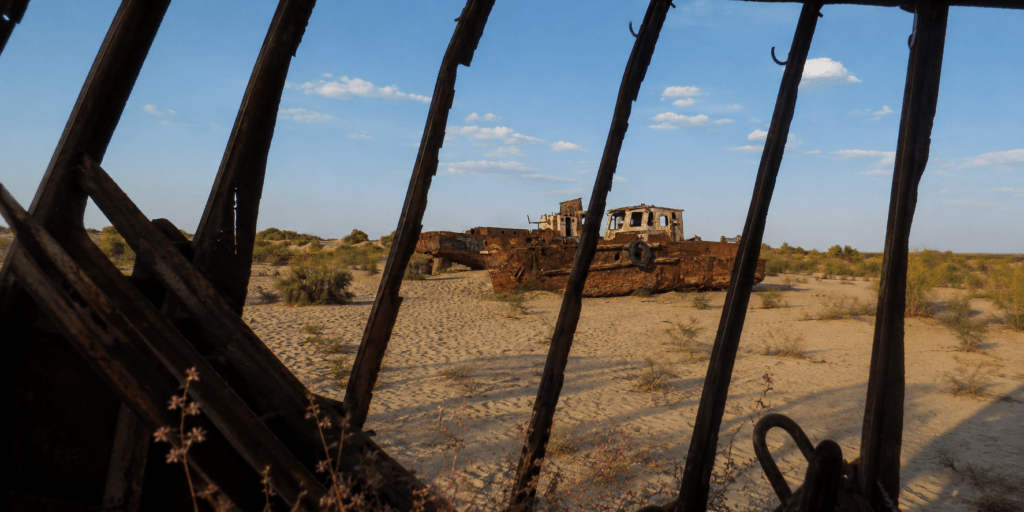
Central Asia inherited a water bargain built for another economy. In the Soviet system, upstream republics stored water and released it for summer irrigation. Downstream republics used that flow for cotton and other crops. The cost of the exchange stayed inside one plan. Water releases, electricity, fuel, and crop quotas were part of the same political economy.
After 1991, the dependence survived, but the plan that balanced it did not. The 1998 Syr Darya agreement already tied reservoir operation to irrigation releases and set compensation for the winter power Kyrgyzstan gave up. The 2000 Chu-Talas agreement went on to share the cost of operating and maintaining shared water infrastructure between Kazakhstan and Kyrgyzstan.
Those agreements were important, and they show why today’s dispute is not new. Central Asia has long known that water regulation carries a cost. What it has not built is a wider settlement that prices storage and seasonal regulation under today’s climate, energy, and market conditions.
That question is now open again. In January 2026, Kyrgyzstan’s new Water Code came into force. It recognizes water as a commodity and introduces fees for domestic and external users. Kazakhstan and Uzbekistan have rejected payment for transboundary river water, saying existing agreements do not provide for it. Downstream governments fear an open-ended bill and a precedent that could turn every dry season into a financial dispute.
The old model rested on cotton and central planning. Several conditions have changed. The climate is less stable, energy demand keeps rising, and national economies now want more from water than a cotton plan once did.
Uzbekistan’s own reform language has turned against the old cotton model. At the UN General Assembly in 2023, President Shavkat Mirziyoyev said “millions of people were forced to pick cotton” in Uzbekistan over a century. In August 2026, he called the old system one that left Uzbeks “slaves to cotton.”
That history shapes the water argument. Uzbekistan is not abolishing cotton. It still grows the crop and continues to reform the sector. But as Tashkent moves away from the old cotton-centered model, the regional water logic built around that model also needs revising. The same pressure runs through the Amu Darya, where agricultural adaptation has become an economic and political issue rather than a purely hydrological one. Less predictable river flows make seasonal storage more valuable. Water is also becoming scarcer in parts of the region.
Kyrgyzstan sits at the center of that question. It is the only country in Central Asia whose water resources are almost entirely formed within its own territory, and Kyrgyz officials argue that it carries the upkeep for infrastructure that serves its neighbors. They say the country spent about $80 million on the water sector last year and around $259 million over five years. That spending covers the water sector as a whole, including infrastructure whose benefits reach beyond Kyrgyzstan’s borders.
Kazakhstan and Uzbekistan reject paying for river water, saying existing agreements do not require it. But storing that water and releasing it when downstream farms need it carries costs. Kyrgyzstan must maintain dams and forgo some winter power generation to retain water for summer irrigation. Existing cost-sharing agreements recognize part of that burden. The question is how to adapt them to cover the expense of maintaining reliable supplies as river flows become less predictable.
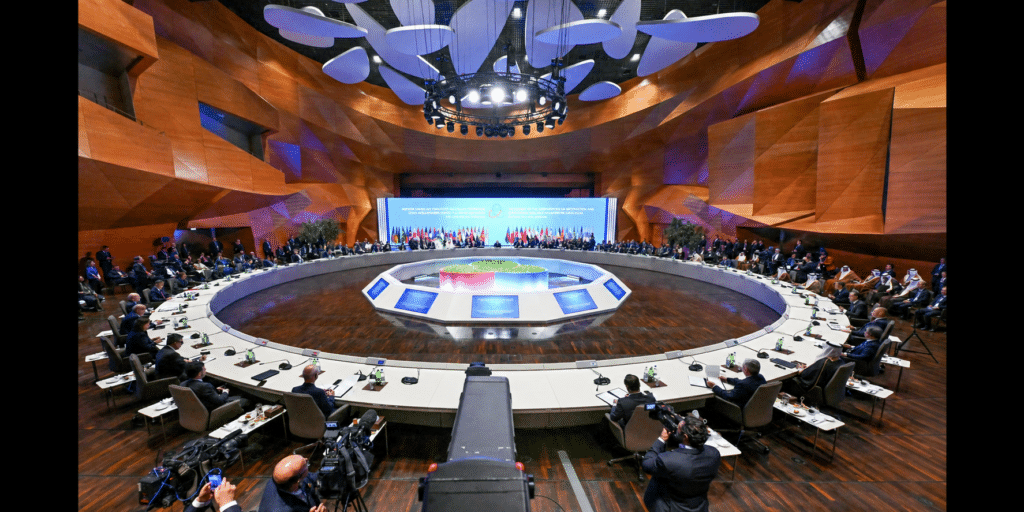
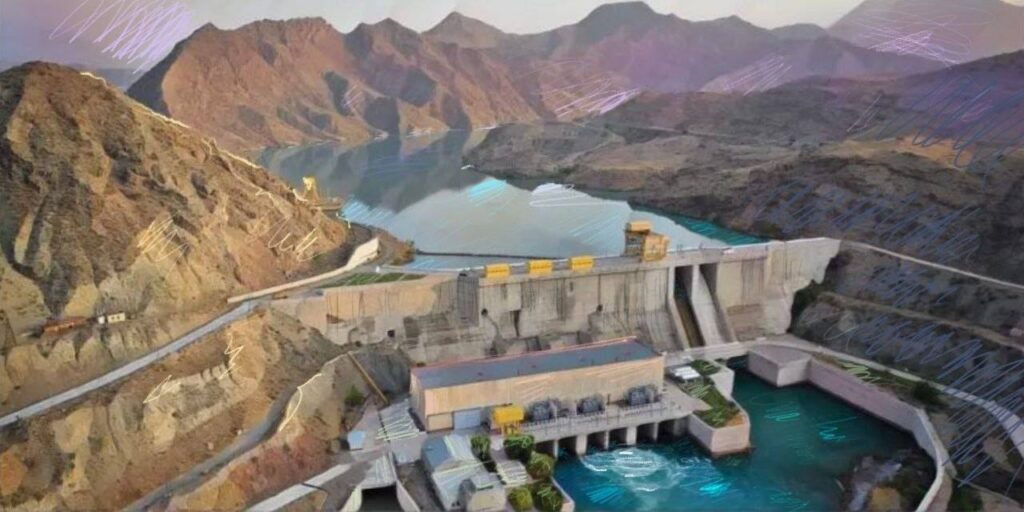
The Kambarata HPP-1 negotiations will determine how the three countries share the costs and benefits of a new dam. From September 21 to 23, Kazakhstan, Kyrgyzstan, and Uzbekistan held a third round of trilateral talks in Almaty on a draft intergovernmental agreement to build the plant together. The World Bank joined as an observer and technical partner, according to the Kazakh Energy Ministry.
The plant would become Kyrgyzstan’s largest hydropower facility, with 1,860 megawatts of capacity and projected annual output of about 6 billion kilowatt-hours. Kazakhstan and Uzbekistan have agreed to develop it jointly with Kyrgyzstan, although the three governments are still negotiating financing, management, and their respective responsibilities.
In January, the World Bank approved the ten-year Regional Electricity Market Interconnectivity and Trade (REMIT) program, with total indicative financing of $1.018 billion. It aims to build Central Asia’s first regional electricity market and increase cross-border trade. A regional power market can cut waste and improve reliability. It can also make better use of hydropower in Kyrgyzstan and Tajikistan alongside generation in Kazakhstan and Uzbekistan.
An electricity market alone will not settle how governments share the costs of storing water for downstream irrigation. That requires agreement on reservoir operations and compensation alongside power trading.
Industrial expansion will also increase demand for water, adding to the costs any new agreement must address. Central Asia wants higher-value production, from metallurgy to critical minerals processing. Kazakhstan’s own mineral strategy already shows future industries running into water and processing limits. Some of these sectors can create more export value than cotton, but they also use large amounts of water and carry environmental risk when managed badly. A green transition that treats water as free repeats the old error in a new sector.
For Kazakhstan and Uzbekistan, contributing to storage costs could help secure predictable water supplies for farms and industry. Clear rules would also give investors greater confidence. Expanding existing cost-sharing agreements could help fund the infrastructure needed to maintain those supplies.
Any agreement would need independently verified data and a clear distinction between charges for water and payments for storing and releasing it. Digital monitoring can measure flows and seasonal losses, giving governments a stronger basis for negotiations. They would still have to agree on who pays for storage and how to share the risk when supplies fall short.
Kambarata offers the three governments a chance to make those responsibilities explicit. An agreement that secures winter electricity for Kyrgyzstan and dependable summer releases downstream would give them a practical basis for wider cooperation.
The views expressed in this article are those of the author and do not necessarily reflect the official policy or position of the publication, its affiliates, or any other organizations mentioned.