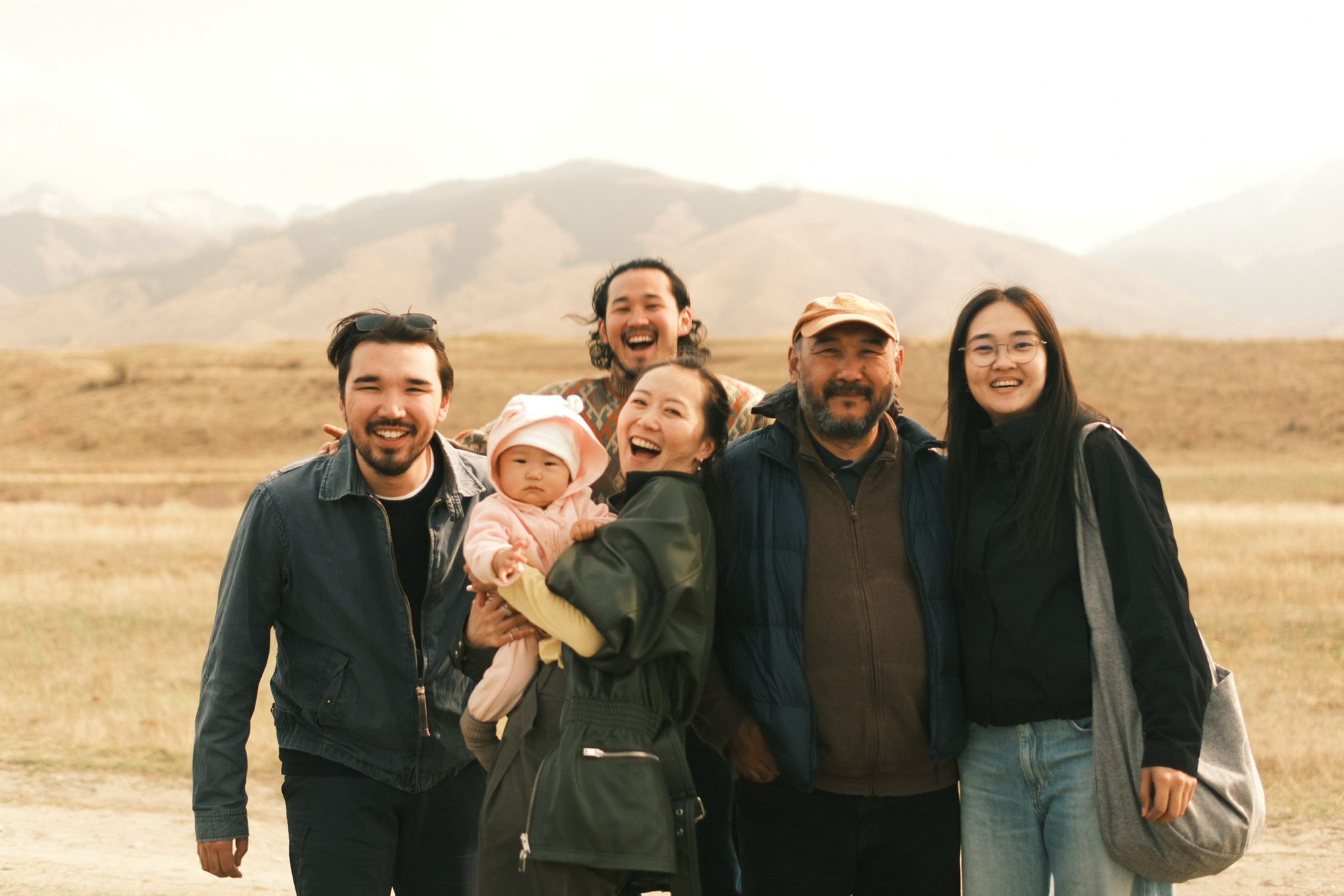
Central Asia is increasingly being recognized as a bright new spot on the global cinema map. Films by regional directors are now regularly featured in major festival programs, and international curators are paying closer attention to the area’s filmmaking talent. One of the key platforms fostering these connections is the Post Space film camp in Kyrgyzstan, a space where emerging directors present their work directly to global festival decision-makers.
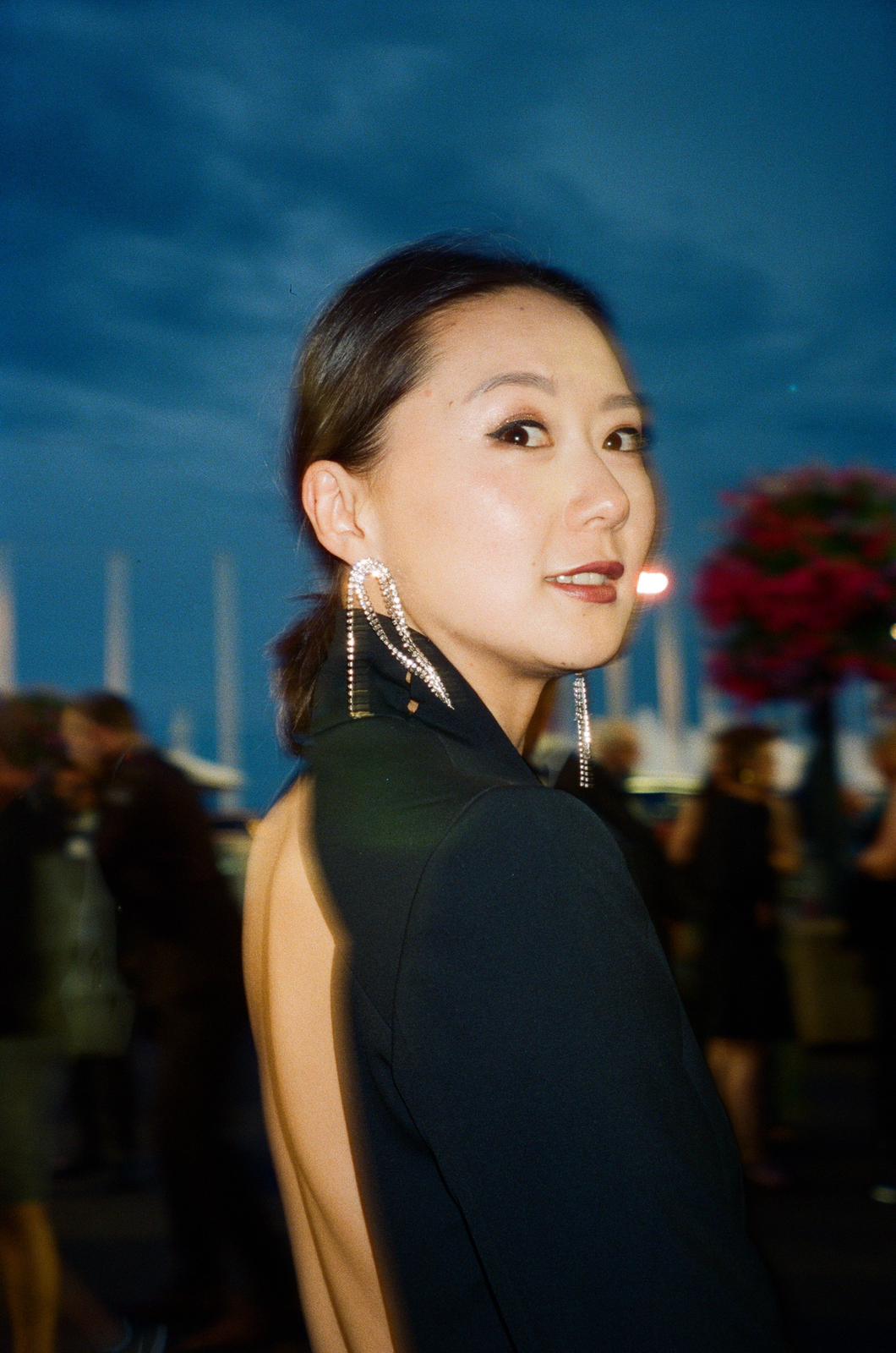
The Times of Central Asia spoke with Post Space co-founder and Kazakh producer Yulia Kim about how this format works, why bridging the gap between the region and the global film industry is vital, and how campfire songs can forge creative collaborations.
@PostSpace
TCA: Yulia, you’re one of the founders of Post Space, widely considered the most influential film camp in Central Asia. You’ve been organizing it for four years now. Has it yielded results?
Yulia: Many. In 2024, the Locarno Film Festival invited two Kazakh directors, including Aruan Anartay, a Post Space participant. Last year, we had another Kazakh participant. The Lisbon Film Festival even curated a program specifically dedicated to Central Asian cinema. Its director, Portuguese producer Paulo Branco, visited Post Space for the first time in 2024 and fell in love with our filmmakers. I believe that for the festival curators we invited, Central Asia has opened up in new ways. They now approach our films with a deeper understanding and, hopefully, greater interest.
TCA: Would you say international interest is growing?
Yulia: Yes, but Post Space aims for more than just professional development. We also strive to create a friendly, supportive atmosphere. The connections formed here often become lasting collaborations. For instance, we ran a screenwriting lab, and soon several films developed during that project will be released. One participant, Diaz Bertis, refined his script with the help of an international mentor we brought in. These are vital steps for our industry.
TCA: Many local initiatives fizzle out quickly. Are you planning for the long term?
Yulia: Absolutely. Our project is just gaining momentum. But we’re working with a minimal budget and little external support, which limits what we can do. We’d like to offer more grants and long-term support to the projects emerging from Post Space, but for now, it’s mostly moral support. Still, we’re pushing forward, and young filmmakers are eager to grow with us. We focus on giving a voice to emerging artists who aren’t even recognized at local festivals, let alone international ones.
TCA: So Post Space is a launchpad for debut filmmakers?
Yulia: For many, yes. There’s so much talent in the region, but a lot of it has no connection to the film industry. We want to be the space where they gain confidence, present their work, and receive feedback. Many participants hadn’t shown their films anywhere before Post Space, often due to fear or inexperience. They were thrilled to screen their work here.
TCA: What stood out about Post Space 2025?
Yulia: Each year has its own energy. In 2025, we focused on documentary filmmaking and launched a doc incubator, a creative lab for developing documentary series.
@PostSpace
TCA: That’s timely. This year, three Kazakh women, documentary filmmakers and Post Space alumni, were selected for Berlinale Talents, and another, Kristina Mikhailova, entered the Berlinale competition.
Yulia: We don’t chase trends it just happened organically. We’re deeply engaged in the local film scene and want to support those doing honest, often underfunded work. Documentaries tend to be made on sheer enthusiasm, but the results are incredibly compelling.
TCA: How many projects were selected for the doc incubator, and what were they about?
Yulia: We selected five or six projects. All were strong in different ways, but I particularly remember one about the rap scene in Uzbekistan. It was fascinating to explore that world and see the younger generation’s perspective.
TCA: The camp covers all of Central Asia, but do mostly Kazakhs and Kyrgyz attend?
Yulia: Around 8-10% of participants are from Uzbekistan, 20% are international guests, and the remaining 70% are split between Kazakhstan and Kyrgyzstan. Our international guests mostly come from Europe, Asia, and the U.S., but last year we were joined by filmmakers from the Arab world, including Al Jazeera, which is also active in documentaries.
TCA: Is it hard to bring in high-profile guests? Last year, you hosted Thibaut Bracq from the Cannes Film Festival.
Yulia: It’s challenging, but we do our best. In 2025, we also welcomed producer Aranka Matits, known for distributing festival hits like Parasite and Another Round. We aim to diversify our speaker list, but we also have returning friends like Paulo Branco and Stefan Ivančić from Locarno. Last year, he came with the festival director, Giona Nazzaro, who became a hit with the participants. He joined them for meals and really connected with them.
TCA: So, he’s already scouting future filmmakers?
Yulia: Possibly. Last year, for the first time, we screened student films for our guests. Some were hesitant to share their early work, but it’s important to start early. Where else could you show your student film directly to the director of Locarno or the producer of Burning?
TCA: Isn’t there a risk in showing such raw material?
Yulia: Not with the right professionals. Our guests offer careful, constructive feedback. They can spot talent, even in early work. Emerging filmmakers rarely have access to this level of expertise; most films submitted to festivals are rejected. Opportunities like this can make all the difference.
TCA: Today’s young filmmakers are lucky, previous generations never got to sip tea with festival directors around a campfire.
Yulia: True. Giona Nazzaro was amazed at the informal atmosphere. He didn’t expect such “horizontal” communication. But that’s our idea, to break down barriers and foster open dialogue.
TCA: Last year, you also hosted actor Aziz Beishenaliev, whose father, Bolot Beishenaliev, is a legend of Soviet-era Kyrgyz cinema.
Yulia: Yes, Aziz grew up near Ashu, the village where the camp takes place. The local school is named after his father, so we organized a special event. We screened one of Bolot Beishenaliev’s films, and students performed a concert. It was a moving moment for the children they were nervous but thrilled to meet someone so famous from their own village.
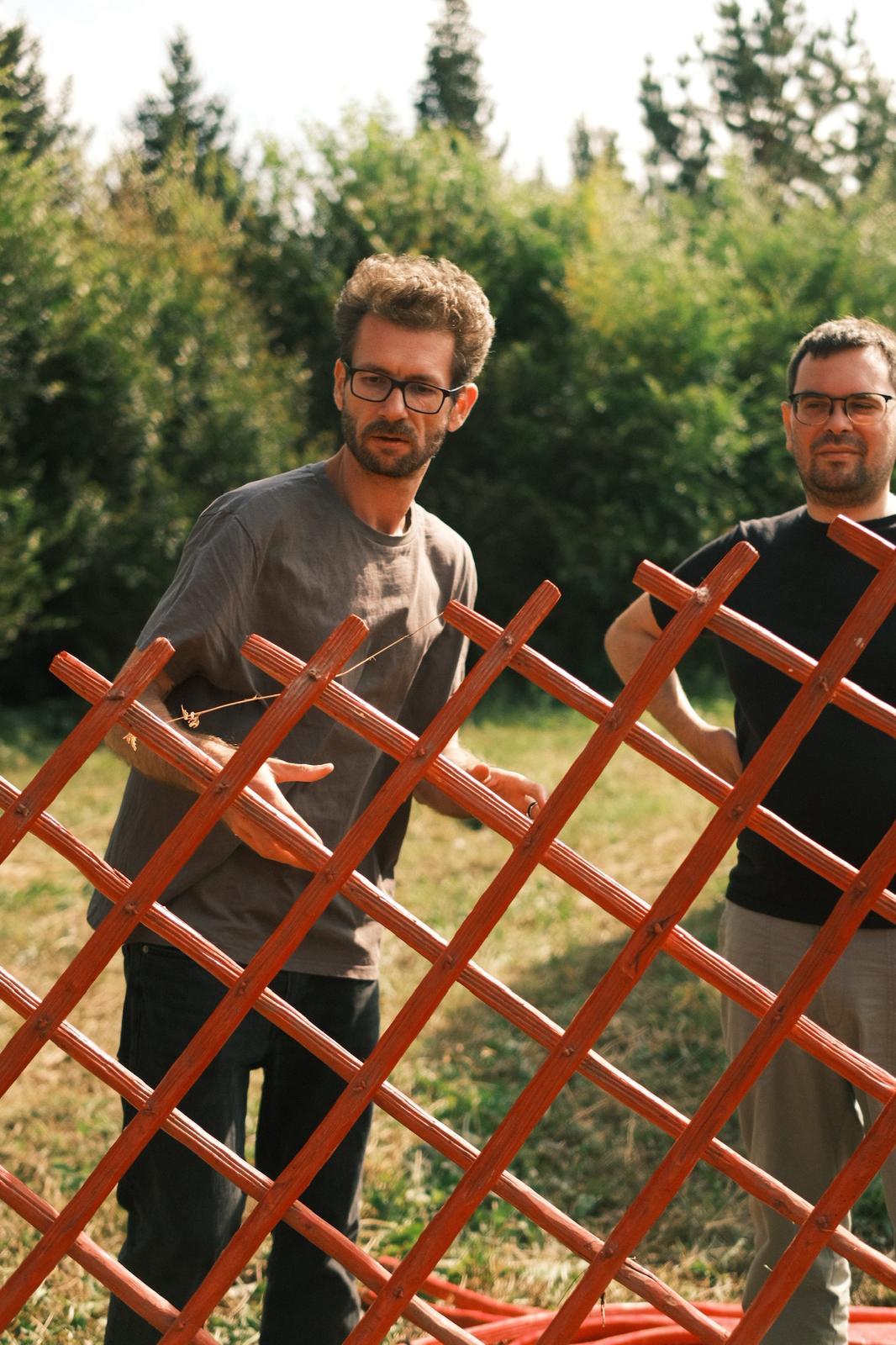
TCA: And the year before, you had European selectors set up a yurt. This year, the camp picked apples, cinematic, in its own way.
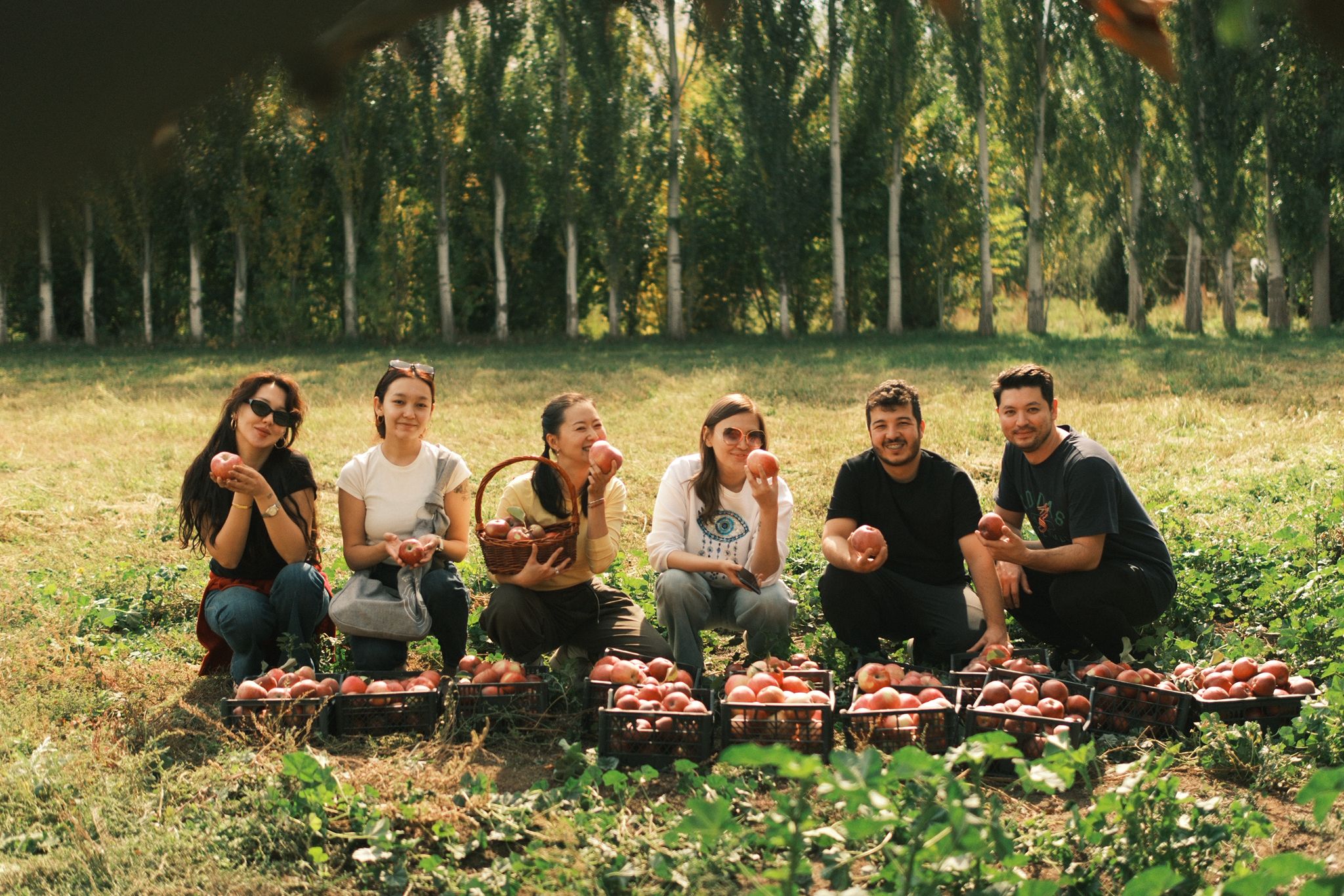
Yulia: Yes, the village elder mentioned no one had time to harvest them. On the last day, when some were watching shorts, and others needed a break, we organized a harvest. The weather was perfect, and we collected 18 large boxes. Everyone took some home.
@PostSpace
TCA: Does this kind of “horizontal” contact help or dilute creative mystique?
Yulia: It absolutely helps. It gives young people the sense that the global industry is within reach. That was the goal of Post Space, to reduce that distance and show that world festivals are not out of reach. I think we’ve achieved that.
TCA: What can we expect from the 2026 season?
Yulia: The program is still in development. We have meetings scheduled in May, including at the Cannes Film Festival. Confirmed guests include Gabor Greiner of Films Boutique, a major international sales agent. We’ll also have a representative from the Berlin Film Festival’s Forum section. More names will be announced in summer-fall 2026.
TCA: One personal question: You recently became a mother. How are you balancing motherhood with producing?
Yulia: At first, I was anxious; there were so many professional plans. But producer Nargiz Shukenova told me, “Producers make good mothers.” And it’s true. Producers, especially on projects like Post Space, often carry a nurturing energy. Much of what I was doing before was maternal energy that simply hadn’t found its outlet yet.
TCA: So producing is like motherhood?
Yulia: In many ways, yes. Especially when it’s about art films, where the goal is to help someone find their voice, not just chase profits. Commercial producing is a different energy. What we do comes from care and love for the process and the people.
TCA: Do you think Central Asia’s voice is getting louder in world cinema?
Yulia: Definitely. Central Asia is becoming more visible, not just in cinema, but in music and art too. Our collective energy is helping us all grow. While many still work without funding, there’s increasing interest and support. Some people aren’t suited to the hyper-competitive world of festivals, but they have something unique to say. Post Space exists to help those voices be heard.