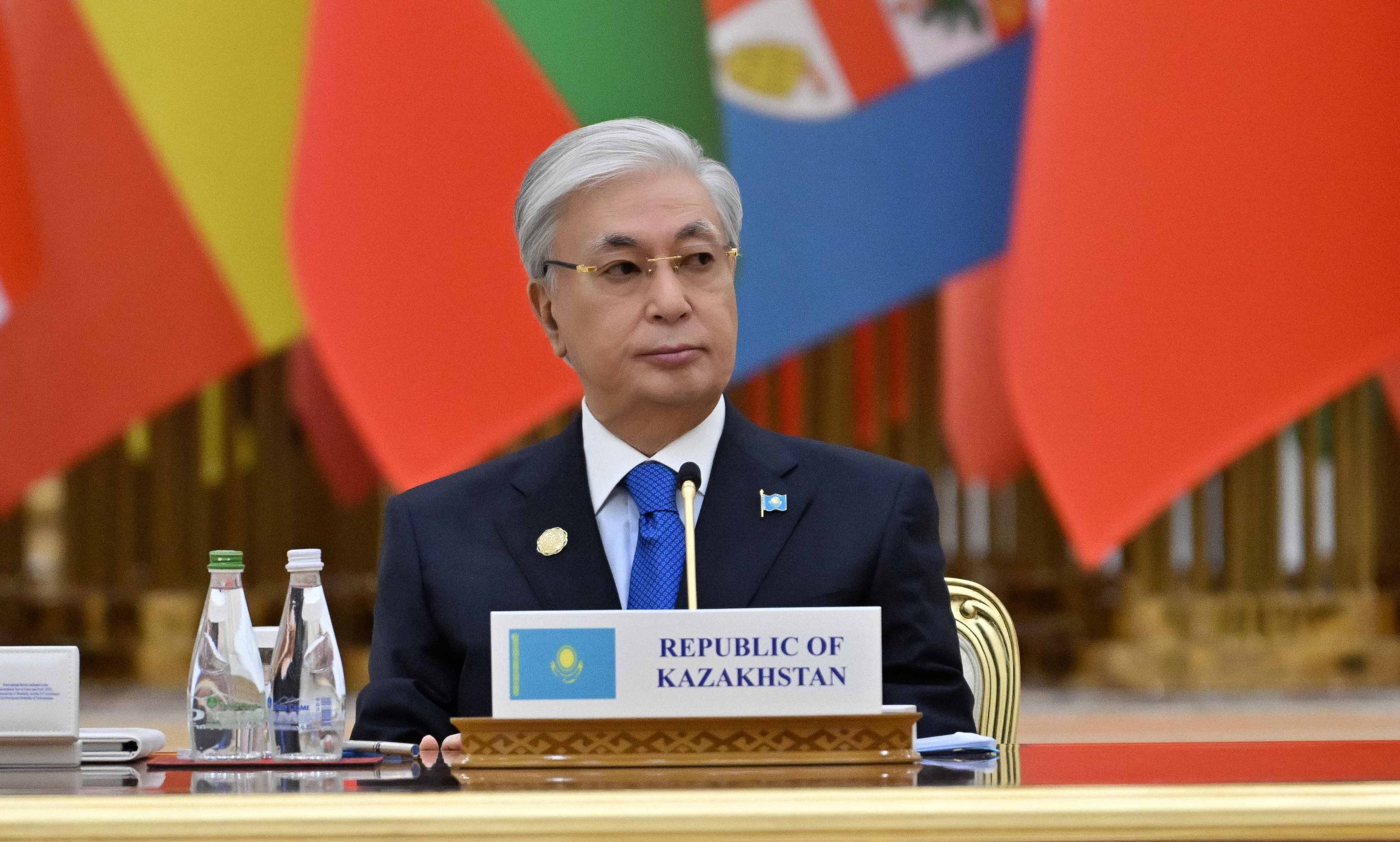
At a forum marking the International Year of Peace and Trust and the 30th anniversary of Turkmenistan’s permanent neutrality, Kazakhstan’s President Kassym-Jomart Tokayev proposed establishing a specialized United Nations body dedicated to the rational use of water resources.
In his address, Tokayev emphasized the urgent need for enhanced global coordination in managing water diplomacy, noting that the current UN framework lacks a dedicated agency focused solely on water-related issues. UN-Water currently functions as a coordination mechanism rather than a specialized agency, bringing together more than 30 UN entities and dozens of international organizations involved in water and sanitation. Unlike bodies such as the World Health Organization or the Food and Agriculture Organization, it has no independent mandate, budget, or enforcement capacity, a limitation long cited by water policy experts.
“Kazakhstan proposes the establishment of an International Water Organization that could consolidate all existing mandates of various UN organizations,” he said during the forum in Ashgabat.
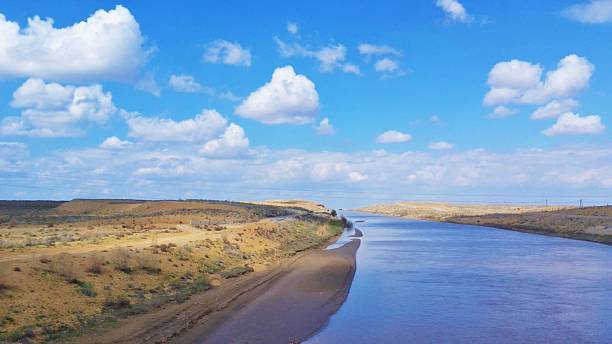
Central Asia is among the regions most exposed to water stress, with climate change, aging infrastructure, and competing national demands placing increasing pressure on shared river basins. Disputes over transboundary water use have periodically strained relations among regional states, making water diplomacy a persistent strategic concern. Tokayev suggested transforming the current UN-Water mechanism, a coordinating platform comprising 36 UN entities and 47 international organizations, into a fully-fledged UN agency with a specialized mandate on water and sanitation.
“The implementation of such an initiative is fully in line with the UN’s Sustainable Development Goals and, of course, is in the interests of the entire international community,” he stated.
The President also announced that Astana will host a Regional Environmental Summit in April 2026, during which Kazakhstan plans to initiate international consultations on forming the proposed global water organization.
“I am confident that, with shared political will, water-related challenges can begin to be addressed systematically rather than in a piecemeal manner, as is currently the case,” he said.
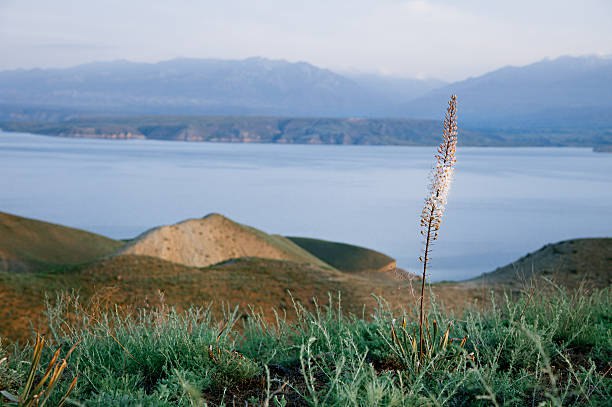
Tokayev stressed that in light of intensifying water scarcity, water conservation and rational usage have become critical priorities, not only for Kazakhstan but for all Central Asian nations. The Caspian Sea has experienced sustained water-level decline over recent decades, a trend scientists attribute to climate change, reduced river inflows, and rising evaporation. The issue has emerged as a growing concern for coastal states due to its implications for fisheries, energy infrastructure, and regional economic stability.
He also highlighted the pressing need to address transboundary water use and the deteriorating ecological conditions of the Aral and Caspian Seas. Tokayev advocated for enhancing the effectiveness of the International Fund for Saving the Aral Sea through joint, compromise-based regional efforts and proposed that Russia be invited to join the Fund as an observer.
“The current rate of the Caspian Sea’s shallowing threatens to become irreversible,” he warned, “which would trigger a chain reaction of environmental, socio-economic, and even political consequences.”
Kazakhstan has already taken a leading role in regional initiatives to preserve the Caspian ecosystem. The country previously proposed a special intergovernmental program to combat the degradation and shrinking of the Caspian Sea. Tokayev urged the global community to support Kazakhstan’s efforts to safeguard this vital and unique body of water.
Any effort to establish a new specialized UN agency would require broad international consensus, approval by the UN General Assembly, and agreement on funding and governance structures — a process that typically takes years. Tokayev framed the proposal as a starting point for consultations rather than an immediate institutional change.