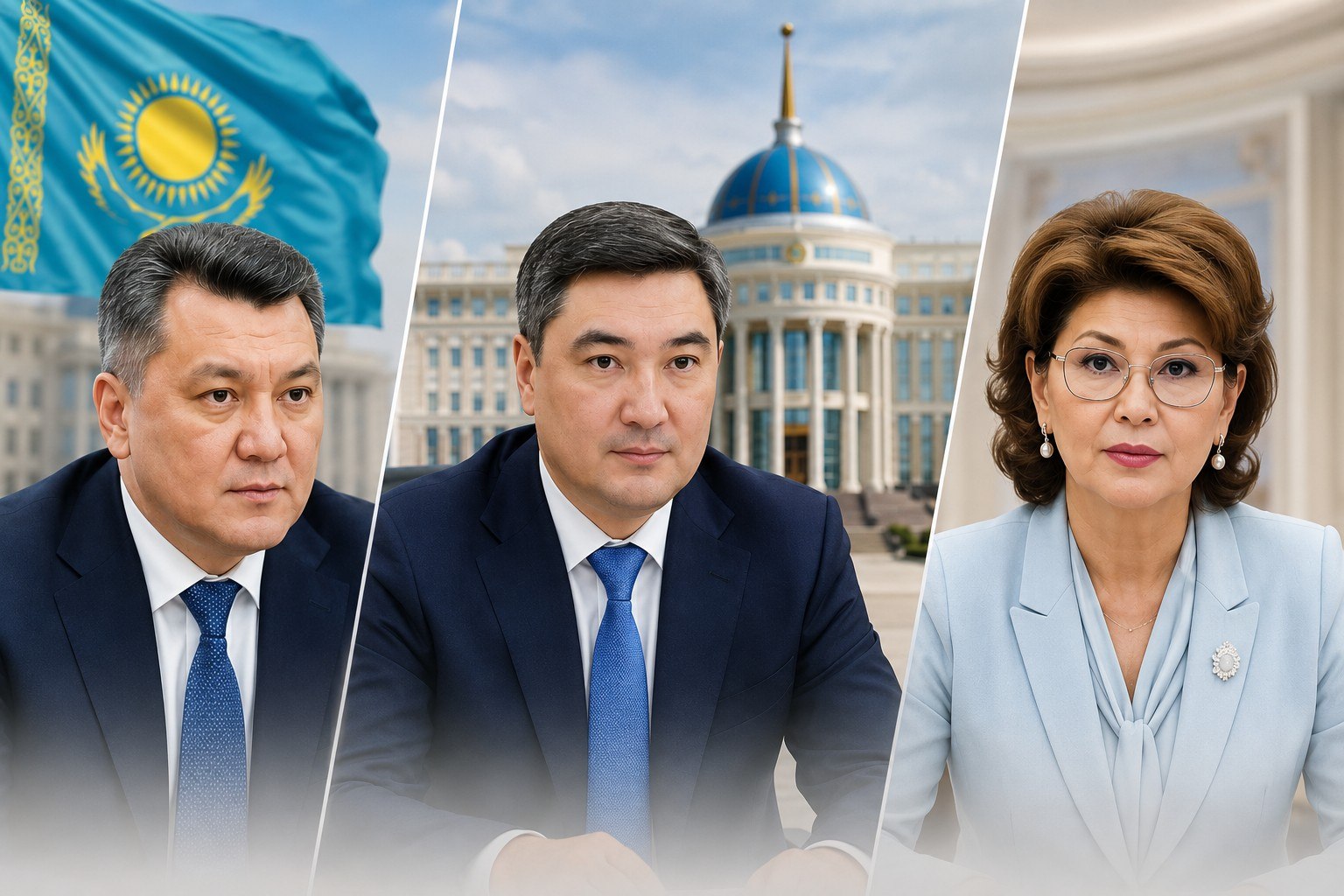
Kazakhstan has begun its first major round of senior appointments since the new unicameral parliament, the Kurultai, started work. On August 31, President Kassym-Jomart Tokayev appointed Erlan Karin as vice president, retained Olzhas Bektenov as prime minister, and moved Aida Balayeva from the cabinet to the Security Council.
Karin, who had previously served as first deputy head of the Presidential Administration, was the most significant appointment. The vice presidency in its current form was established under Kazakhstan’s 2026 constitutional reform.
The post itself is not entirely new to the country: it existed during the first years of independence before being abolished in 1996.
Under the new Constitution, at the president’s instruction, the vice president represents the president in interactions with the Kurultai, the government, and other state bodies. If presidential powers are terminated early, the vice president is first in line to assume them. The Kurultai must announce a presidential election within seven days, with the vote to be held within two months of that decision.
Karin’s appointment therefore establishes, for the first time under the new system, who would assume presidential powers if the presidency became vacant before the end of a term.
Karin is regarded as one of Tokayev’s closest advisers. He has worked alongside the president since 2019 and has served as presidential adviser, state secretary, state counselor, and first deputy head of the Presidential Administration.
The creation of the vice presidency does not establish an independent political center alongside Tokayev. Instead, one of his most experienced political aides has taken the new constitutional office and become first in line to assume presidential powers if the office becomes vacant.
Olzhas Bektenov, who has headed the government since February 2024, retained the post of prime minister. The Kurultai approved Bektenov’s candidacy by 137 votes, with seven abstentions and none opposed, after which Tokayev formally reappointed him.
Meanwhile, Aida Balayeva left her posts as deputy prime minister and minister of culture and information to become deputy chair of the Security Council.
Balayeva has long worked in Kazakhstan’s domestic policy establishment. She has served as an assistant to the president, deputy head of the Presidential Administration, minister of information and social development, and, since 2023, minister of culture and information. She now moves from the government to a body working directly under the president.
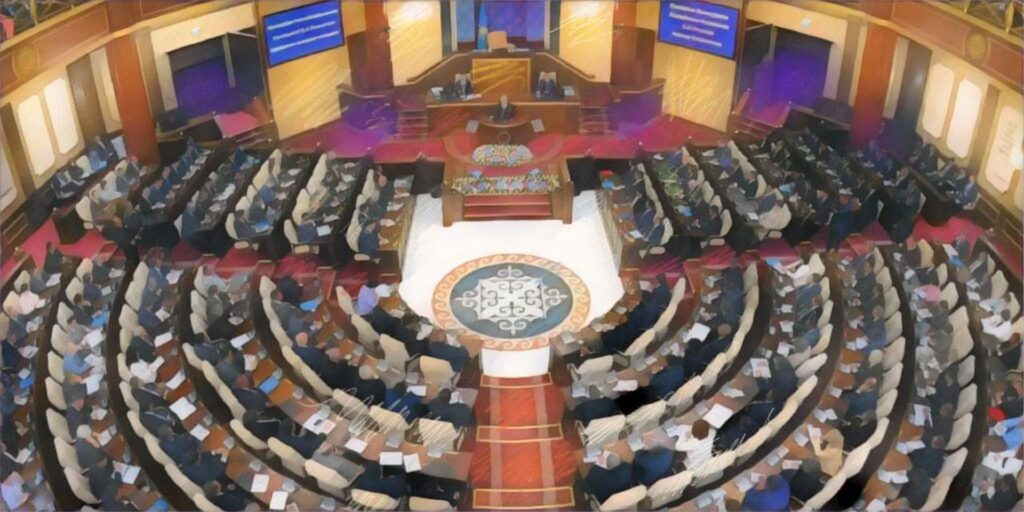
The Kurultai replaced the Senate and Mazhilis, ending more than 30 years of bicameral parliament in Kazakhstan. All 145 members of the new chamber are elected through party lists.
In the first election on August 23, the Adilet party won 71.17% of the vote and secured 110 of the 145 seats. Four other parties cleared the 5% threshold. With 110 seats, Adilet has enough deputies to approve presidential nominees requiring a simple majority without support from other parties.
Under the new Constitution, however, the Kurultai has a formal role in senior appointments. Its consent is required for the appointment of both the prime minister and vice president, while most other government appointments follow consultations with the chamber. The ministers of foreign affairs, defense, and internal affairs are appointed directly by the president.