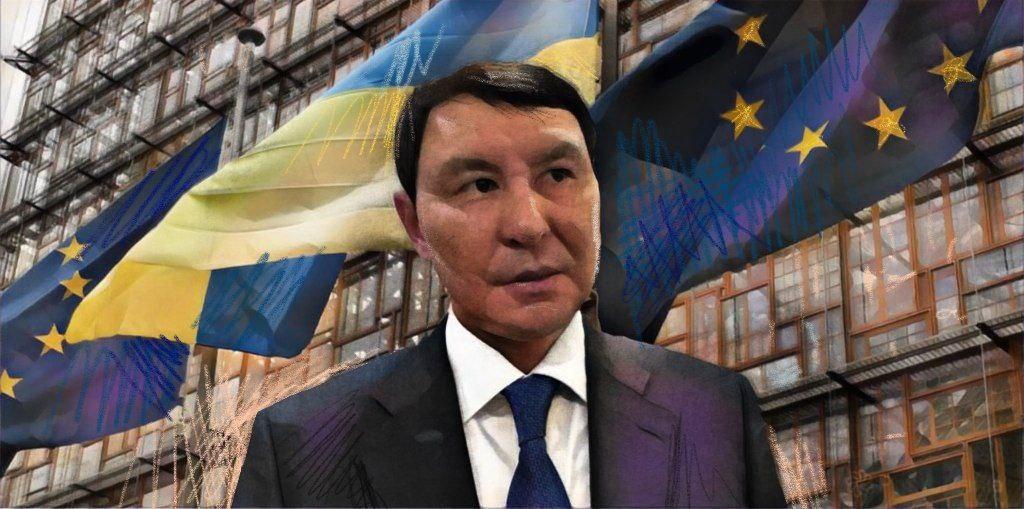
While Kyrgyzstan is improving relations with the United States by hosting the second B5+1 forum in its capital, with the participation of U.S. Special Representative for South and Central Asia Sergio Gor, Bishkek’s relations with Brussels appear to be deteriorating. The European Union is discussing possible sanctions against Kyrgyzstan, and is reportedly considering a ban on the import of certain categories of goods into the country.
According to Bloomberg, which was the first to disclose details of the EU’s upcoming 20th package of sanctions against Russia, Brussels is prepared to restrict Kyrgyzstan’s trade in machine tools and radio equipment over allegations of helping the Kremlin circumvent existing bans.
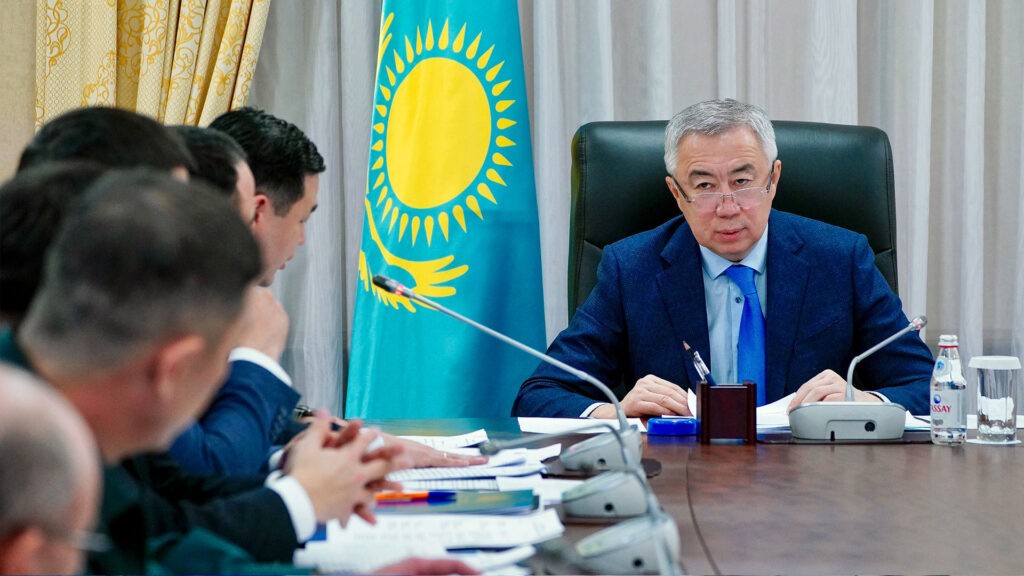
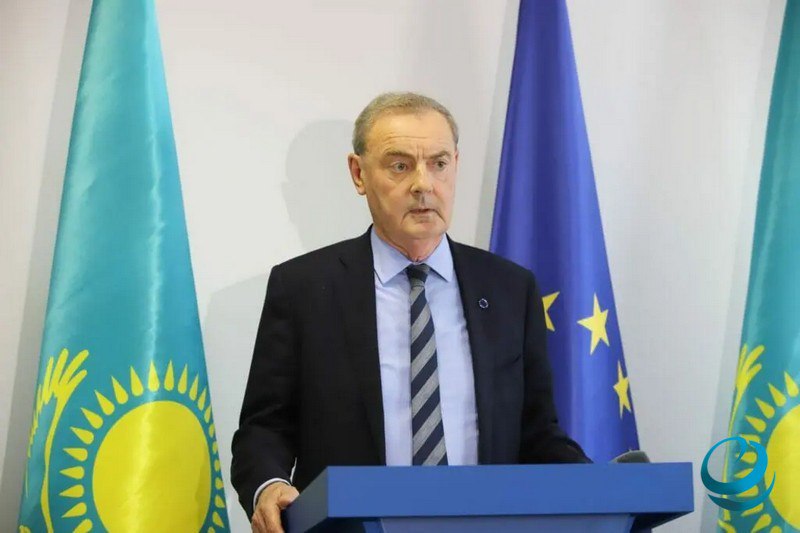
The Kyrgyz government has already responded to the report. On February 3, Deputy Prime Minister Daniyar Amangeldiev held a video conference with EU sanctions envoy David O’Sullivan, during which the sides agreed to engage in “constructive and substantive dialogue on issues related to sanctions.”
Further discussions are expected during O’Sullivan’s visit to Bishkek at the end of the month, scheduled for February 26.
Even before the EU representative’s visit, Kyrgyz officials have publicly commented on the prospect of sanctions, offering a clear sense of the tone likely to shape the dialogue.
In an interview with Azattyk, Amangeldiev stressed that Kyrgyzstan has imposed restrictions on the export of dual-use goods, including weapons, and therefore sees no grounds for measures against the state. He also suggested that any potential restrictions might not take the form of sanctions against Kyrgyzstan itself, but rather recommendations to individual EU member states not to supply certain goods to the republic.
Deputy Chairman of Kyrgyzstan’s Cabinet of Ministers, Edil Baisalov, emphasized that Bishkek consistently communicates its position to European officials, arguing that its “trade relations with Russia do not cause any damage to third countries.” As a negotiating advantage, Baisalov pointed to what he described as growing international attention toward Kyrgyzstan.
“Compared to the past, interest in our country and in the history of its socio-economic strengthening has grown significantly,” Baisalov said. “I believe the European authorities have enough patience, wisdom, and understanding not to damage relations with the Kyrgyz Republic. There is no need to create the impression that they intend to restrict us in any way or undermine our policy of national development and economic strengthening.”
At the same time, small and medium-sized businesses in Kyrgyzstan are already facing serious difficulties due to the existing sanctions regime, even though these measures do not directly target the country’s key economic sectors. The logistics sector has been hit hardest. Delivery times have increased, costs have risen, visa requirements for drivers have tightened, and the volume of required documentation has expanded significantly.
International payments have emerged as a separate challenge. Transfers in dollars, euros, and other currencies are increasingly delayed. Banks demand additional explanations, scrutinize the origin of funds, and in some cases suspend transactions indefinitely, creating cash-flow gaps.
To reduce risks, companies are spreading payments across multiple banks: one for ruble transactions, another for Europe, and a third for the U.S.
“Businesses are forced to keep accounts in three or four banks. This means constant transfers, currency conversions, and lost time. Transactions that used to be simple now take days,” said Gulnara Uskenbaeva, head of the Kyrgyzstan Suppliers Association.
If Kyrgyzstan is included in the EU’s new sanctions package, it would become the first Central Asian republic to be formally targeted. Such a move would further complicate operations for local businesses and risk turning Kyrgyzstan into a weak link in the regional logistics chains currently taking shape, making the country a less attractive partner for international trade.