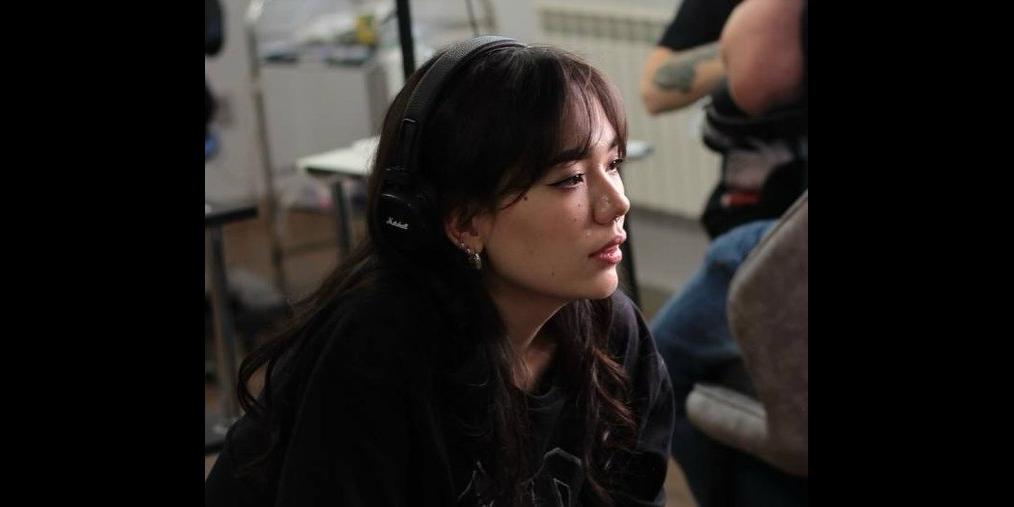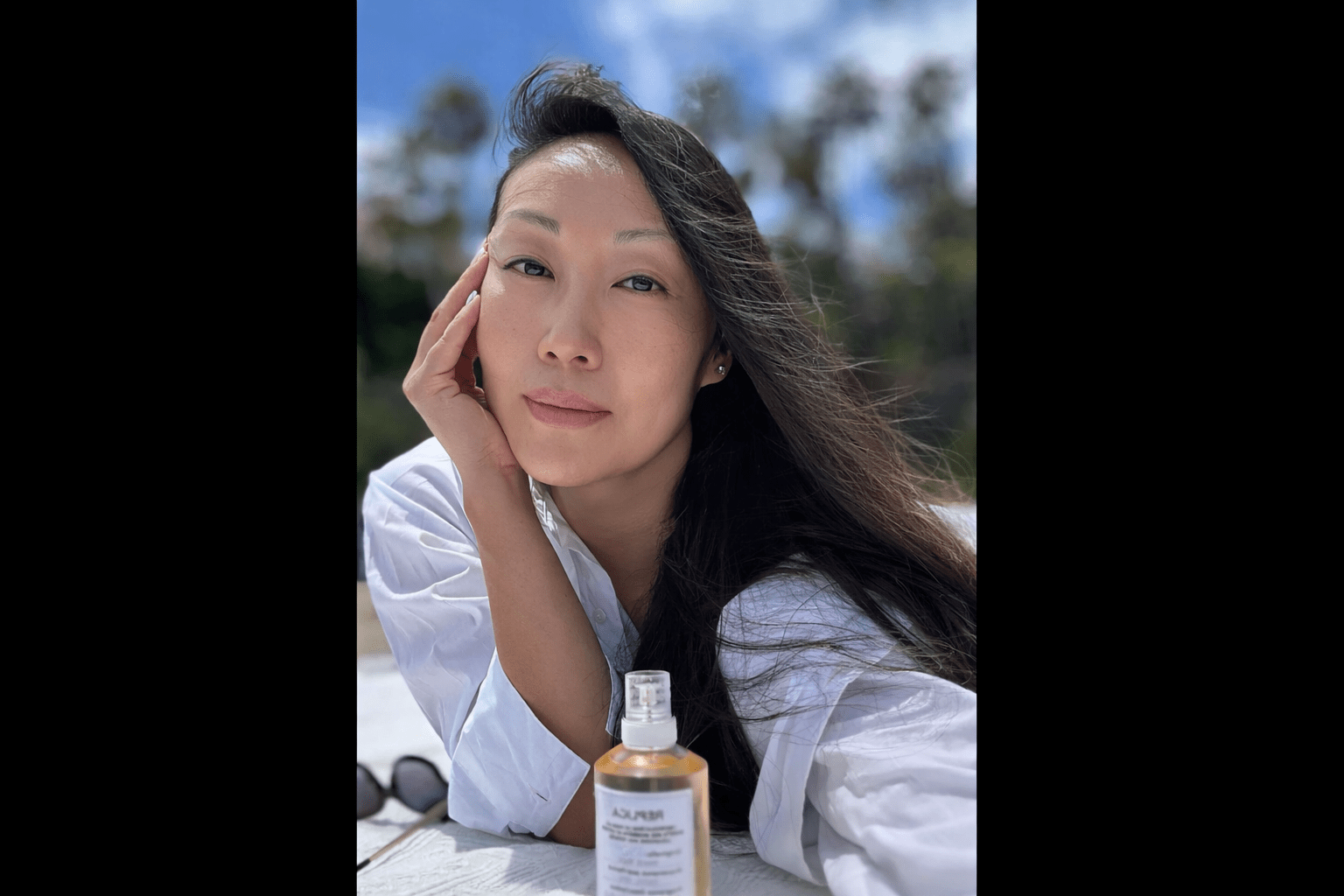
Kazakh producer and screenwriter Inna Baitukenova, known for projects such as Satash, the documentary Oleg: The Story of Oleg Vidov, and the television series Ana Zhuregi and Taitalas, has opened a new chapter in her professional life since relocating to the U.S. A lawyer by education, she now works as a blogger and is developing her own beauty business in the American market.
She spoke with The Times of Central Asia about adapting to life abroad, navigating the U.S. blogging scene, and the challenges and rewards of launching a business as a Kazakhstani immigrant.
TCA: Inna, how long have you been living in the U.S.?
Inna: My husband and I first came here as tourists in 2018. During that trip, my husband, journalist and film director Tolegen Baitukenov, met an American producer interested in making a documentary exploring potential familial ties between Native Americans and Kazakhs. He signed a contract, and we returned to Kazakhstan. In 2019, he presented the project at the Kazakh pavilion at the Cannes Film Festival. Interest was high, so we decided to change our status from tourists to working residents. We officially moved to the U.S. in 2019. We’ve now been living here for seven years.
TCA: Did you and your husband come on talent visas?
Inna: Yes. Initially, we came without our children, just to see how it felt. We liked it, returned home, and began applying for work visas. It wasn’t easy; we even had to obtain approval from the Directors Guild of America.
TCA: How long did it take you to adapt? When did you begin to feel at home?
Inna: I think we’re still adapting. But the first time I really felt at home was in 2022, after moving from Los Angeles to Orange County. It’s a suburb about 90 minutes from LA. I was driving around, and suddenly everything felt familiar: the streets, the houses. That’s when I realized I felt a sense of home.
The early days were very tough, but day by day, it got easier. We got used to the environment, improved our English, and started understanding how daily life works here, from utility payments to taxes. At first, we were converting all prices into tenge. When Tolegen started his company in 2019, everything was a challenge; there wasn’t even ChatGPT back then to ask questions. We were googling everything: how to get a license, register a business, and secure a trade name. When I started my own beauty studio in May 2025, I already knew how to rent an office and obtain all the necessary permits.
TCA: You seem to have found your footing once you landed a good blogging contract. You now work with major brands, right?
Inna: Yes, but blogging wasn’t my goal. It happened by accident. I used to keep an Instagram account as a hobby back in Kazakhstan and never thought of it as a platform for making money. But I’ve always loved cosmetology and beauty. One day, I began posting about the products I use, unboxings, and reviews. I tagged an American brand in a post, and to my surprise, they reached out offering to send me a gift. They told me I could choose anything I wanted from their site. It was a huge surprise. They sent me almost a year’s worth of cosmetics, probably worth over $1,000. As a woman, and especially an immigrant, I can say it was an amazing gift. Cosmetics aren’t a necessity, but they’re always a pleasure.
TCA: When did you start working with bigger names like Prada and Shiseido?
Inna: A little later. One of my first major clients was LPG France, a top cosmetics and beauty tech brand. A marketing agency contacted me by email. I was skeptical at first, worried it might be a scam, but it turned out that email is a standard business channel in the U.S. They commissioned two reels and several stories, and also gave me a course of treatments, body, and anti-cellulite programs.
I remember when they asked for my rate, I had to Google how much bloggers charge for posts, reels, or stories. I quoted an average rate, and we reached an agreement. Even though I was a beginner, we took it seriously and filmed professional content with Tolegen’s help. I eventually took a course at UCLA on influence marketing to understand the U.S. market, how much brands spend, and what niches exist. For me, beauty is the most profitable niche, followed by fashion, food, e-commerce, and home goods.
My account also appeals to a broad audience; it’s family-focused. I have a husband and three children: a college student, a schoolgirl, and little Tanya, who’s 3 1/2 years old.
TCA: Can a Kazakhstani blogger succeed in the U.S. market?
Inna: Yes, but brands are primarily interested in a U.S. audience. That’s why I had to switch to English. It’s not easy; some followers in Kazakhstan prefer Kazakh or Russian, but my Instagram has grown to around 126,000 followers, and more and more are American. Advertisers also care about TikTok, Threads, and other platforms; they often ask for cross-posting, so presence across multiple channels is a plus.
TCA: In Kazakhstan, bloggers are often more popular than artists. What about in America?
Inna: Here, too, whatever your field, blogging is an advantage. That’s why everyone blogs here, from plastic surgeons to musicians. When I opened my beauty studio, I realized that blogging is essential for promotion.
TCA: Is it true that most things in the U.S. are handled through agencies or intermediaries?
Inna: Often, yes, but I work independently. I haven’t signed with any agency. The only time I worked through one was with LPG France. Even then, I didn’t have a direct contract with the brand; the agency did.
TCA: Is there a lot of competition among bloggers?
Inna: Tremendous competition. And income is highly unstable. During holidays like Christmas, New Year, or Black Friday, when brands allocate large budgets, income can be good. But there are dry spells too; you can go months without work. It’s not reliable as a main source of income.
TCA: Could a Kazakhstani blogger work remotely in the U.S. market?
Inna: It’s possible, but difficult. Brands need to ship products, and international logistics can be tricky. Deadlines are strict. You also need U.S. registration, bank accounts, documentation, and a social security number.
TCA: After seven years in the U.S., are you financially stable?
Inna: We’ve made good progress. We live comfortably in a nice area. But we’re still growing. Tolegen has a production company, and I have my studio. I even went back to school to get a cosmetology license. I was recently offered a position at a Beverly Hills clinic by the owner, a doctor. That job means a lot; it’s a new professional level. Eventually, I want to pursue a medical degree and continue in this field. Blogging is a passion project with some nice perks.
TCA: You’re in Los Angeles, the heart of the film industry. Have you thought of returning to film?
Inna: I have, and I still dream of it. We haven’t given up, we keep writing. Tolegen recently won a screenwriting contest with a short film. We still love everything about cinema, film festivals, and discussions. We even run through scripts on the go. But right now, it’s more of a hobby. It’s not monetized yet.
TCA: Why is that? Is it hard to break into the industry?
Inna: That’s part of it. Early on, the pay is low, and the work is demanding: 4 a.m. call times, long shoots in all kinds of weather. I have a small child, and I’m just not ready for that kind of schedule. Many famous people started out doing tough jobs. Brad Pitt worked as an entertainer, but I can’t do that at this point in life.
TCA: Is Los Angeles really the city of stars?
Inna: Absolutely. When we first arrived, we walked around like wide-eyed kids. You’d see Anne Hathaway one day, Janet Jackson the next. Celebrities are especially common in Beverly Hills and West Hollywood.
TCA: Do you miss Kazakhstan?
Inna: Of course. I miss the people: my parents, my little brother, and my friends. We stay in touch, but nothing replaces being together in person. I also miss the food, kazy, irimshik, and zhen. Sometimes we meet someone here, an African American woman or a Mexican, and she reminds us of a Kazakh apashka or tateshka (a familiar, older auntie or grandma-type figure). It’s such a warm, familiar feeling. We even say, “What a nice tateshka,” and that means a lot.