• KGS/USD = 0.01144 0%
  • KZT/USD = 0.00211 0%
  • TJS/USD = 0.10460 0.19%
  • UZS/USD = 0.00008 0%
  • TMT/USD = 0.28490 0%
  • KGS/USD = 0.01144 0%
  • KZT/USD = 0.00211 0%
  • TJS/USD = 0.10460 0.19%
  • UZS/USD = 0.00008 0%
  • TMT/USD = 0.28490 0%
  • KGS/USD = 0.01144 0%
  • KZT/USD = 0.00211 0%
  • TJS/USD = 0.10460 0.19%
  • UZS/USD = 0.00008 0%
  • TMT/USD = 0.28490 0%
  • KGS/USD = 0.01144 0%
  • KZT/USD = 0.00211 0%
  • TJS/USD = 0.10460 0.19%
  • UZS/USD = 0.00008 0%
  • TMT/USD = 0.28490 0%
  • KGS/USD = 0.01144 0%
  • KZT/USD = 0.00211 0%
  • TJS/USD = 0.10460 0.19%
  • UZS/USD = 0.00008 0%
  • TMT/USD = 0.28490 0%
  • KGS/USD = 0.01144 0%
  • KZT/USD = 0.00211 0%
  • TJS/USD = 0.10460 0.19%
  • UZS/USD = 0.00008 0%
  • TMT/USD = 0.28490 0%
  • KGS/USD = 0.01144 0%
  • KZT/USD = 0.00211 0%
  • TJS/USD = 0.10460 0.19%
  • UZS/USD = 0.00008 0%
  • TMT/USD = 0.28490 0%
  • KGS/USD = 0.01144 0%
  • KZT/USD = 0.00211 0%
  • TJS/USD = 0.10460 0.19%
  • UZS/USD = 0.00008 0%
  • TMT/USD = 0.28490 0%

Tokayev Sets Agenda for Kazakhstan’s 2026 EAEU Chairmanship

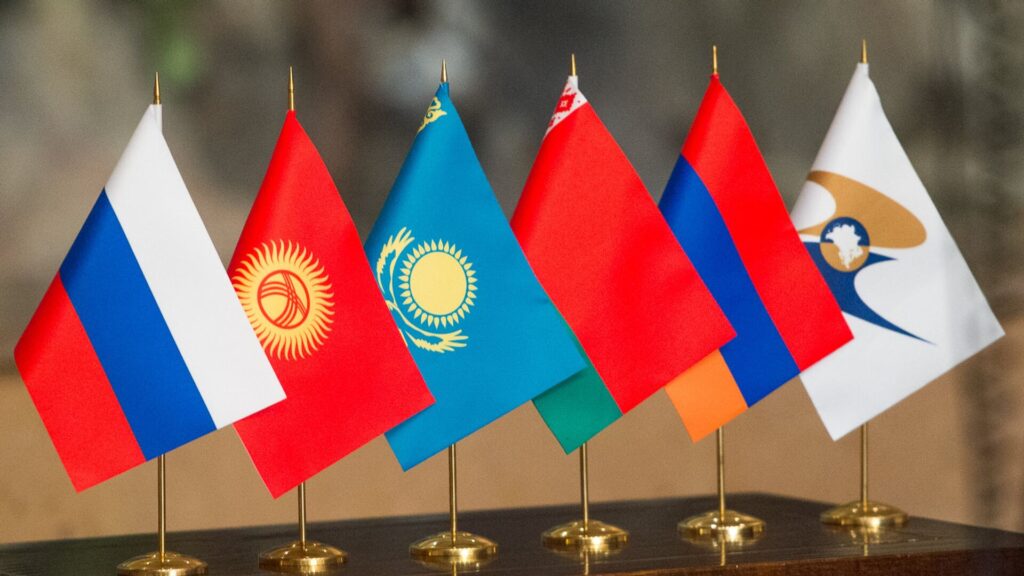
Kazakhstan has assumed the rotating chairmanship of the Eurasian Economic Union (EAEU) for 2026, pledging to focus on digital transformation, logistics integration, and the removal of internal trade barriers across the bloc.

In a statement published on December 31, 2025, President Kassym-Jomart Tokayev outlined five key priorities for Kazakhstan’s EAEU presidency. The EAEU includes Armenia, Belarus, Kazakhstan, Kyrgyzstan, and Russia, and facilitates the free movement of goods, services, capital, and labor among its members.

Artificial Intelligence and Economic Integration

Tokayev identified artificial intelligence (AI) as a vital tool for deepening integration within the bloc. AI technologies, he said, are already being used to forecast trade flows and assess the impact of tariffs and trade agreements on member economies.

Kazakhstan, which has set a national goal of becoming a digital nation, expressed readiness to share its expertise with other EAEU members in areas such as AI, digital regulation, and economic transformation. Tokayev proposed the adoption of a Joint Statement on the Responsible Development of Artificial Intelligence at the 2026 Eurasian Economic Forum in Astana. The document would define a new framework for digital cooperation within the bloc.

Positioning the EAEU as a Eurasian Logistics Hub

Highlighting the EAEU’s geographic position as a natural bridge between East and West, Tokayev called for transforming the bloc into a leading logistics hub for the Eurasian continent. He emphasized the need to modernize transport, customs, and logistics infrastructure, and to develop international transport corridors and multimodal transport solutions.

He also proposed an integrated, AI-based cargo flow management system across the EAEU to reduce delivery times, cut costs, and enhance the bloc’s global competitiveness in logistics.

Digitalizing Industry and Agriculture

Calling industry and agriculture the economic foundation of the EAEU, Tokayev urged deeper cooperation to produce globally competitive products. While financial mechanisms for joint projects already exist, he argued that more emphasis should be placed on innovation-led initiatives.

He proposed launching demonstration centers, automation startups, and competence hubs to drive digitalization at both enterprise and farm levels.

Barrier-Free Trade as a Core Principle

Tokayev stressed the elimination of administrative and regulatory barriers within the bloc as a central priority. He criticized artificial restrictions on trade, constraints on the movement of citizens, and long freight queues at borders.

He also warned against the use of customs procedures and regulatory controls, including sanitary, veterinary, and phytosanitary measures, as tools of political or economic leverage. To address this, he proposed deploying AI to monitor legislative initiatives across the EAEU and flag potential internal trade barriers at an early stage.

Expanding External Economic Ties

Kazakhstan’s chairmanship will also focus on expanding the EAEU’s external partnerships. In 2025, the bloc signed Free Trade Area agreements with Mongolia and Indonesia and concluded an Economic Partnership Agreement with the United Arab Emirates. Tokayev said greater attention will be paid to building economic ties with countries in the Global South, the Arab world, Southeast Asia, Africa, and regional economic organizations.

Macroeconomic Context

Tokayev’s agenda is being launched against a backdrop of solid macroeconomic performance across the EAEU. According to Alexey Vedev, Director of the Macroeconomic Policy Department at the Eurasian Economic Commission, the bloc’s GDP grew by 17.8%, nearly $1 trillion in absolute terms between 2015 and 2024. The EAEU’s share of the global economy rose from 3.7% to 4.1%, with member state growth rates surpassing the global average in recent years.

Summing up Kazakhstan’s vision, Tokayev said the country would work to strengthen the effectiveness, relevance, and long-term viability of Eurasian economic integration during its 2026 chairmanship.
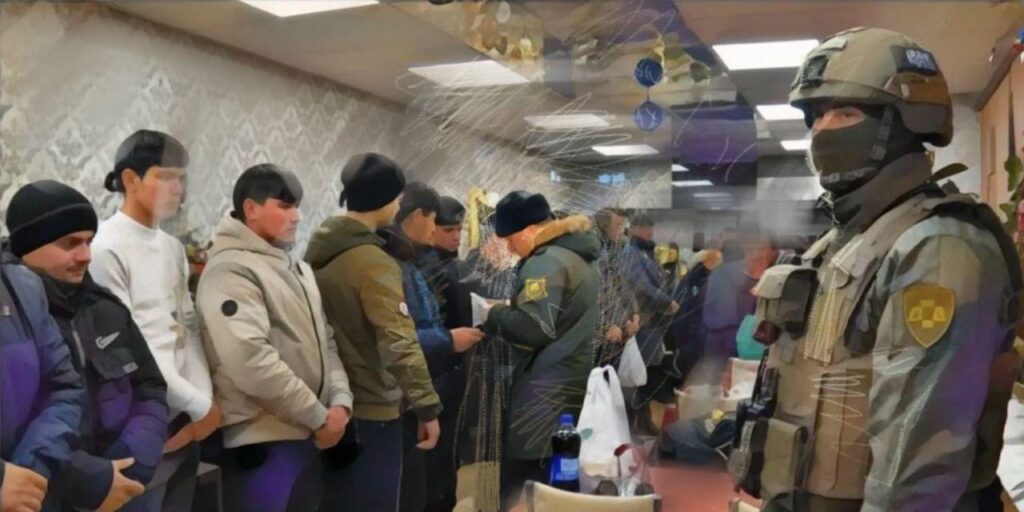

Uzbek Migrants Face Growing Risks in Russia as Tashkent Seeks Probe Into Alleged Abuse

Russian security forces reportedly carried out a raid on a café in Khabarovsk in mid-December 2025, during which several Central Asian migrants were allegedly beaten. According to information circulated on social media, two Uzbek citizens fell into a coma following the incident, and one of them subsequently died.

On January 2, Uzbekistan’s Ministry of Foreign Affairs announced it had sent a diplomatic note to Russia requesting an impartial and lawful investigation. The ministry also said steps were being taken to repatriate the deceased’s body. However, it noted that the cause of death has not been officially confirmed, and reports of a second Uzbek in a coma remain unverified.

In response to the incident, Alisher Qodirov, member of parliament and leader of the Milliy Tiklanish (National Revival) Democratic Party, issued a stark warning to Uzbek migrants in Russia.

“Believe me, the situation will only get worse month by month,” Qodirov wrote on Telegram. “Russian security services see Central Asians as potential participants in future unrest, and they have already given up on any benefit migrants may bring… Use your common sense and leave Russia as soon as possible,” he added. “No income is worth the tears of your parents and children.”

As Russia’s war against Ukraine enters its fourth year, labor migrants remain among the most vulnerable and least protected groups affected by the conflict. Central Asian nationals,  particularly Uzbeks, face increasing risks of coercion, legal jeopardy, and systemic abuse.

By July 2025, at least 902 Uzbek citizens were reported to have been recruited by Russia to fight in Ukraine. Independent monitors believe the true figure is considerably higher. In October 2025, the ‘I want to live’ project identified 2,715 Uzbek nationals who had participated in the conflict, including those recruited illegally, those who signed contracts, and ethnic Uzbeks already serving in the Russian military.

Despite this, Russia remains heavily reliant on migrant labor. As of September 1, 2024, nearly four million citizens from Central Asia were living in Russia. Of these, 1.79 million were from Uzbekistan, followed by significant numbers from Tajikistan, Kazakhstan, Kyrgyzstan, and Turkmenistan.

For Uzbekistan, the economic implications of growing pressure on migrants are profound. Remittances remain a cornerstone of the national economy. In the first half of 2025 alone, Uzbekistan received $8.2 billion in cross-border transfers, with 78% originating from Russia. Amid rising xenophobia and labor restrictions, economists warn that this dependence could have severe long-term consequences.

Economist Abdulla Abdukadirov, Doctor of Economic Sciences, said total remittances by year-end are expected to approach $20 billion.

“This is an extremely large sum,” Abdukadirov said at an offline session of the Fikrat analytical program, responding to a question from The Times of Central Asia. “If the state budget is around $28 billion, then nearly $20 billion in remittances reveals how dependent our economy is becoming on external sources.”

Abdukadirov warned that Uzbekistan is developing a dangerous structural dependency. “First, we’re becoming more reliant on external investments and borrowing,” he said. “Second, our dependence on cross-border remittances is deepening.”

According to Abdukadirov, roughly one-third of remittances, about $7-8 billion, is spent on current consumption. An additional $5-6 billion goes to goods purchases and supporting small businesses. The remainder is generally saved in banks and continues to circulate domestically.

“These transfers play a key role in sustaining overall demand,” he said. “They help maintain consumption levels.”

However, Abdukadirov cautioned that this model carries a high long-term cost. “We are gradually turning into a country that survives by exporting unskilled labor,” he told TCA.

Abdukadirov outlined three critical risks: growing exposure to external shocks, declining competitiveness of the domestic economy, and an entrenched dependency on exporting cheap labor. “This is a very serious threat,” he said, warning that while the inflow of money appears beneficial in the short term, the broader consequences are alarming.

Analysts and rights groups argue that migrants are increasingly treated as a potential military reserve. Some are enticed with financial incentives; others are coerced under threat of imprisonment. Despite repeated warnings from Uzbekistan’s Foreign Ministry that participation in the war could lead to criminal charges at home, many migrants feel compelled to go, driven by debt, poverty, and a lack of alternatives.

Political analyst Hamid Sodiq said the root of the problem predates the war. “This is not a new problem,” he told The Times of Central Asia. “Constructive preparation should have happened before the crisis began. Diversification should have started years ago. Once the problem starts, you can only deal with the consequences.”

Sodiq highlighted the vulnerability of migrants due to low education, poor language skills, and limited legal awareness. “They do not speak the language well. They don’t understand the political system. They can’t go to democratic countries because they lack the skills,” he said. “In this situation, the only thing we can realistically do is strengthen the information space and reach every migrant.”

He noted that interest in learning English has grown significantly since 2016. “You can see this in IELTS scores. Change takes time.”

Sodiq added that the government’s support for English education is driven more by economics than social goals. “It’s not promoting English because people love it. It’s doing so because migrants who know English earn more.”

Such migrants, he added, often work in safer conditions and return home healthier. “Otherwise, we’re talking about billions of dollars that look good today, but in ten years we’ll be facing a public health crisis with back injuries, hernias, or trauma.”

Individual cases reflect this systemic vulnerability. In December, Ukrainian blogger Dmytro Karpenko published an Instagram interview with a man claiming to be an Uzbek citizen. The man said he was falsely accused of drug trafficking in Russia, detained for six days, and tortured. He was allegedly offered a choice: fight in Ukraine for one year or serve at least 12.5 years in prison.

Commenting on the speed of the case, Karpenko noted that, “I’ve never heard of a verdict in six days. It seems this only applies to Uzbek citizens.”

Neither the Russian nor Uzbek authorities have commented, though similar stories have surfaced repeatedly.

Another case highlights the longer-term consequences migrants face. According to Uzdiplomat, a 38-year-old Uzbek man who traveled to Novosibirsk in April 2025 without proper documents was detained and forcibly recruited into the Russian military. After participating in combat in Luhansk and Donetsk, he deliberately injured himself with a grenade to avoid further deployment, then fled Russia. Upon his return to Uzbekistan, he was sentenced to three years under Article 154 of the Criminal Code for mercenarism.

“These cases show that migrants are trapped on all sides,” said Sodiq. “They are used as soldiers, as laborers, and as scapegoats. Historically, the weakest group is always exploited first.”

Sodiq argues that governments now have limited tools. “We can no longer influence their income. But we can influence their awareness. That is the only realistic option.”

This message is gaining in urgency as Russia prepares to tighten labor regulations again in 2026. Migrants will be banned from working in alcohol and tobacco sales, pharmacies, markets, and mobile retail. Their share in construction will be reduced from 80% to 50%, with similar cuts in agriculture, forestry, and transport.

“In the current situation, reaching people’s minds is the only option left,” said Sodiq. “That is precisely the purpose of the Fikrat analytical program.”

Kazakhstan Introduces Mandatory Biometric ID for Mobile Phone Subscribers

Kazakhstan is implementing mandatory biometric identification for all new mobile phone subscribers as part of broader efforts to combat telephone and internet fraud, the Ministry of Artificial Intelligence and Digital Development has announced.

The ministry noted that the country already enforces several measures to address SIM card misuse, including efforts to prevent fraud, illegal SIM registration, and the use of devices for mass calls and bulk messaging. From the start of 2026, these safeguards will be tightened further.

Under the new regulations, SIM cards will only be issued after biometric identification is completed. Communication services will not be activated until the subscriber’s identity is verified through facial scanning. The policy applies to both individuals and legal entities.

“For businesses and organizations, this requirement also applies to employees issued SIM cards for work-related purposes. Biometric identification eliminates anonymous number usage and increases accountability,” the ministry stated.

Authorities expect the measure to curb illegal SIM sales via dealers and intermediaries. Regardless of where a number is purchased, service activation will only occur once the end user’s identity is confirmed.

Additionally, a cap has been introduced on the number of SIM cards that can be registered to a single individual: up to ten for personal and family use. Exceeding this limit requires documented justification and identification of the devices in which the extra SIMs will be used.

“This approach reduces the risk of mass SIM registration, a hallmark of fraudulent operations,” the ministry added.

A key component of the new anti-fraud framework is the expansion of collaboration between mobile operators and the Anti-Fraud Center of the National Bank of Kazakhstan. This cooperation is intended to ensure the swift identification and deactivation of numbers linked to criminal activity.

“In the case of suspicious calls or SMS messages, including those made using SIM boxes, telecom operators will relay subscriber information to the National Bank’s Anti-Fraud Center and launch an investigation. If fraud is confirmed, the number will be blocked immediately and telecom services suspended,” the ministry explained.

As previously reported by The Times of Central Asia, Kazakhstan also intends to introduce joint liability for banks and mobile operators in cases of internet fraud perpetrated through their infrastructure.

Tajikistan Expands Asset Disclosure Requirements for Officials

Tajikistan has broadened the scope of officials required to submit income and asset declarations, as part of amendments to its Anti-Corruption Law. The updated legislation now includes employees of the National Bank, other state-run credit and financial institutions, and officials working in Tajikistan’s foreign missions and representative offices abroad.

The revised law updates parts 4 and 5 of Article 21 and introduces six new provisions detailing the conditions and procedures for filing declarations. Officials who fail to submit required information or who submit “knowingly false” declarations, face dismissal or removal from office.

Under the new rules, declarations must be filed by individuals performing organizational, managerial, administrative, or financial functions at state enterprises and institutions, as well as entities in which the state holds a stake of at least 50%. Technical and maintenance personnel are exempt.

A specific clause obligates civil servants in diplomatic missions and other foreign-based institutions to file a property certificate.

The range of assets subject to disclosure has been significantly expanded. Officials must now declare:

  • residential properties, dachas, and other real estate;
  • garden and agricultural plots, with size specified;
  • vehicles and equipment;
  • livestock and poultry;
  • shares in commercial enterprises;
  • securities and bank deposits;
  • precious metals and gemstones, both in Tajikistan and abroad.

The income declaration must include earnings from primary and secondary employment, as well as income from academic, creative, and teaching activities; property rentals; agricultural production; bank deposits; and other sources, with specific identification of income type.

Newly appointed officials must file a declaration upon taking office. All officials are required to submit annual declarations by April 1 for the preceding year.

High-ranking officials appointed by the president or the government must file with the tax authority at their place of residence and submit a certified paper copy to the Executive Office of the President. Members of parliament report via the Majlisi Namoyandagon, while village and settlement leaders submit declarations to district or city administrations.

Failure to comply, or the discovery of false information, may result in denial of appointment or dismissal from a current post.

Tajikistan introduced asset declaration requirements in 2004, initially covering only real estate, land, and securities. In 2020, the rules were broadened to include other forms of property, including livestock.

However, declarations have never been made public. In 2019, then-head of the Civil Service Agency, Juma Davlat, explained that “Tajik society is not ready for this.” He added that the issue of transparency would be reconsidered “once the level of thinking and understanding in society rises to the level of Western countries.”

Doctors in Kyrgyzstan to Receive Double Salaries and Subsidized Housing

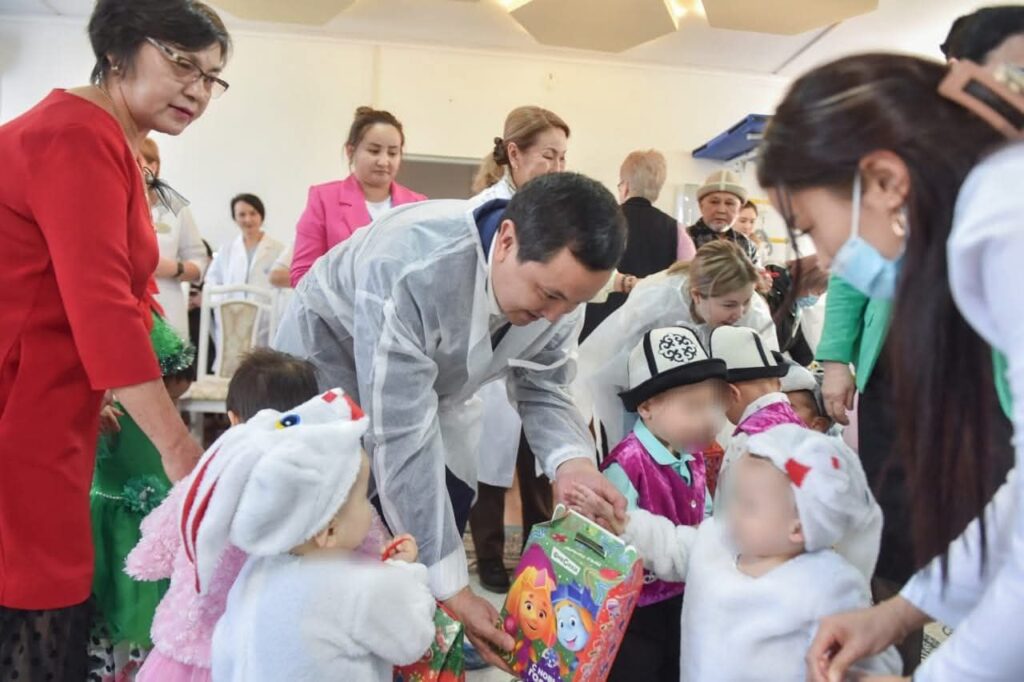
The Kyrgyz government plans to significantly expand social support for medical workers. According to Health Minister Kanybek Dosmambetov, beginning in April 2026, all doctors across the country will receive a 100% salary increase. In addition, 5,000 mortgage apartments will be provided to medical personnel on a priority basis, bypassing the general housing queue.

Dosmambetov announced these measures during visits to the oncology and oncohematology departments of the National Center for Maternal and Child Health and the Center for Child Rehabilitation and Family Support in Bishkek, where he extended New Year greetings to patients and medical staff.

Beyond the upcoming salary hike, medical professionals can already benefit from the state mortgage program, which offers access to housing at subsidized interest rates without the standard waiting period. These initiatives, according to the minister, aim to retain skilled personnel in the healthcare sector and enhance the overall appeal of the medical profession.

“The ministry has been tasked with effectively reforming the healthcare system, establishing sustainable and transparent mechanisms for its operation, upgrading medical infrastructure, developing maternal and child healthcare, and strengthening public health and disease prevention services,” Dosmambetov said.

He added that the coming period will be pivotal for Kyrgyzstan’s healthcare system. Government priorities include establishing a seamless supply chain for affordable, high-quality medicines, ensuring equitable operating conditions for private medical institutions, and reinforcing management discipline and accountability at all administrative levels.

Particular attention will also be paid to the adoption of digital technologies aimed at increasing the transparency and accessibility of healthcare services and laying the groundwork for further structural reforms.

Central Asia, Vanadium, and the U.S. National Security Strategy

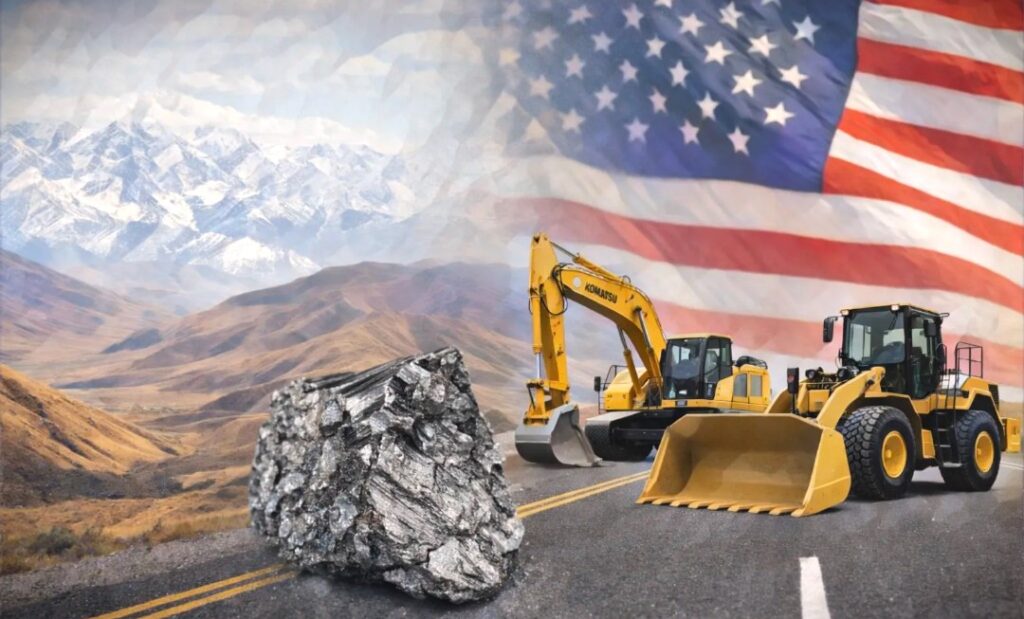
Dated November 2025 and released publicly in early December, the U.S. National Security Strategy links overseas trade and investment, but overlooks Central Asia as a target region for critical minerals. This oversight merits reconsideration in the NSS’s next iteration, given the region’s known natural resource base, openness to foreign investment, proficiency in mining operations, low processing costs, and manageable geopolitical risks.

As governments and businesses review supply-chain resilience for critical minerals, vanadium – not one of the 17 rare earth metals – has increasingly become a strategically relevant rather than optional or cyclical commodity. It is widely used in high-strength steel, grid-scale energy storage functions such as redox flow batteries, and infrastructure with defense and industrial applications.

A recent letter from the U.S. Congress highlights a critical shortfall of vanadium in the United States: with 14,000 metric tons consumed in 2024, only 3,800 tons were produced domestically. Imports, mainly from Brazil and South Africa, are at risk due to shifting market conditions, meaning the U.S. needs a more structured and focused industrial-like approach to counter unnecessary import dependencies and geopolitical stresses.

U.S. supply is secured solely through imports and recycling, given that the mining of vanadium-bearing mineral precursors is minimal to non-existent in the United States. With mining dominated by China and Russia, and with South African production in decline, today’s need to secure primary materials and supply chains means the U.S. must invest overseas until domestic mining is viable. What is needed is vertical integration from mine to final product – vanadium pentoxide (V205), vanadium trioxide (V2O3), and vanadium sulfate (VOSO₄ / V₂(SO₄)₃) for batteries.

In an October Development Finance Corporation media release, DFC CEO Ben Black said that “Securing critical minerals is a paramount matter of U.S. strategic interest and economic prosperity.” That’s clearly beyond dispute.

Central Asia and Vanadium

Central Asia as a region fits within the U.S.’s broader geostrategic goals and geographic diversification plans aimed at building solid asset-based partnerships that go beyond raw material extraction and precarious trading arrangements. Last November’s gathering of Central Asia’s five presidents at the White House finally placed the region firmly on the global map.

U.S. Assistant Secretary of State for South and Central Asian Affairs Paul Kapur has also been clear: “Under President Trump’s and Secretary Rubio’s leadership, we’re elevating the C5+1 partnership as a priority — a strategic priority and an economic priority.” Here, amongst critical minerals, vanadium surely emerges as a priority commodity, given the near absence of U.S. domestic mining.

Kazakhstan leads Central Asia in vanadium mining and production, hosting the region’s most productive deposits. Established operations, strong infrastructure, cost advantages, supportive laws, tax incentives, and a free FX regime make the country highly attractive to investors. Kazakhstan has three vanadium assets—Balasausqandiq in advanced production and Lisakovsk and Kurumsak in exploration—making them attractive targets for miners or funds with long horizons and low-cost capital.

Kyrgyzstan has scattered, under-explored vanadium deposits, including in the Jetim Mountain Range. Uzbekistan is expanding exploration, but the value is yet to be proven. Tajikistan reported new vanadium occurrences in 2024, with the results still unclear. Turkmenistan and Mongolia, meanwhile, have limited, early-stage vanadium indications.

Kazakhstan

With decades of operations by major mining companies such as Chevron-ExxonMobil, Glencore, and Eurasian Resources Group, Kazakhstan has an established record of foreign investment. One notable company operating in Kazakhstan for over two decades is British Ferro-Alloy Resources Limited (FAR), which is listed on the London and Astana exchanges. It controls the exploration and development rights to the Balasausqandiq vanadium deposit, which is in production and, according to the company, ready for scale-up.

Under Kazakhstan’s reserve estimation system, the most recent mineral resource estimate at Balasausqandiq is 32.9 million tons at a mean grade of 0.62% vanadium pentoxide (“V2O5“) – consistent with the global average for vanadium deposits. But, according to FAR CEO Nick Bridgen, “What makes Balasausqandiq specially interesting is that it is different from most other deposits in not being vanadiferous titano-magnetite, which requires roasting. Ours is a shale deposit amenable to whole-ore acid leaching – far cheaper – so our costs are the lowest of all current and planned deposits in the world,” he told The Times of Central Asia. “When yet-to-be confirmed deposits are explored, minimum estimated reserves alone exceed 70 million tons over open terrain with a 20-year life.”

Bridgen affirmed that “Kazakhstan offers a supportive and stable operating environment – I should know, having operated for over 20 years in-country. The Balasausqandiq project is valued at a US$748m NPV with a 22% IRR, based on conservative assumptions, leading to our recent equity raise. In fact, on December 5, FAR issued ordinary shares, raising gross proceeds of £1,549,886 for further operations.”

Bridgen dismissed transport concerns, stating vanadium export is feasible via proven overland routes, similar to Kazakhstan’s uranium and base metal exports.

The Strategic Long-Game

Reliable access to critical resources enhances U.S. economic competitiveness and national security. It enables geopolitical influence while mitigating supply disruptions and price volatility. By acquiring a stake in foreign assets, U.S. companies gain a strategic advantage, enhance global economic influence, strengthen ties with partners, check China’s influence in the region, and generate profits that contribute to U.S. domestic economic growth.

Solid deals offer a strategic path to unlock economic synergies, advance friend-shoring, engage Congress, and align with President Trump’s Critical Minerals Executive Order 14272 (April 2025).

If dependency on foreign sourced critical minerals truly constitutes a “national security emergency” requiring “all hands on deck,” as Secretary Bessent recently argued, then it’s further good news that, on December 23, President Trump held calls with the leaders of Kazakhstan and Uzbekistan, spotlighting critical minerals, and U.S. Secretary of State Marco Rubio plans to visit all five Central Asian countries in 2026.

In light of all this, can anyone still question whether the region matters to Washington?