• KGS/USD = 0.01143 -0%
  • KZT/USD = 0.00192 -0%
  • TJS/USD = 0.10820 0.19%
  • UZS/USD = 0.00008 0%
  • TMT/USD = 0.28575 0%
  • KGS/USD = 0.01143 -0%
  • KZT/USD = 0.00192 -0%
  • TJS/USD = 0.10820 0.19%
  • UZS/USD = 0.00008 0%
  • TMT/USD = 0.28575 0%
  • KGS/USD = 0.01143 -0%
  • KZT/USD = 0.00192 -0%
  • TJS/USD = 0.10820 0.19%
  • UZS/USD = 0.00008 0%
  • TMT/USD = 0.28575 0%
  • KGS/USD = 0.01143 -0%
  • KZT/USD = 0.00192 -0%
  • TJS/USD = 0.10820 0.19%
  • UZS/USD = 0.00008 0%
  • TMT/USD = 0.28575 0%
  • KGS/USD = 0.01143 -0%
  • KZT/USD = 0.00192 -0%
  • TJS/USD = 0.10820 0.19%
  • UZS/USD = 0.00008 0%
  • TMT/USD = 0.28575 0%
  • KGS/USD = 0.01143 -0%
  • KZT/USD = 0.00192 -0%
  • TJS/USD = 0.10820 0.19%
  • UZS/USD = 0.00008 0%
  • TMT/USD = 0.28575 0%
  • KGS/USD = 0.01143 -0%
  • KZT/USD = 0.00192 -0%
  • TJS/USD = 0.10820 0.19%
  • UZS/USD = 0.00008 0%
  • TMT/USD = 0.28575 0%
  • KGS/USD = 0.01143 -0%
  • KZT/USD = 0.00192 -0%
  • TJS/USD = 0.10820 0.19%
  • UZS/USD = 0.00008 0%
  • TMT/USD = 0.28575 0%
13 December 2025

East Kazakhstan Researchers Use AI and Drones to Boost Soil and Crop Management

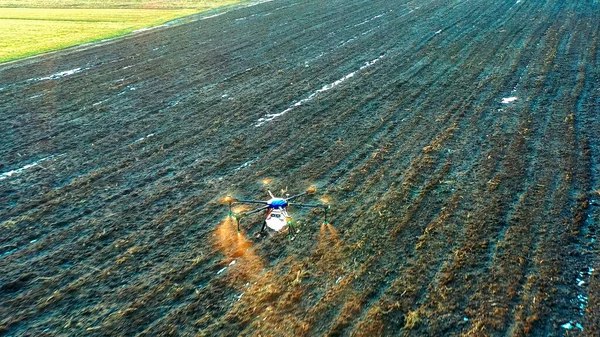
Researchers at Sarsen Amanzholov University in Ust-Kamenogorsk, East Kazakhstan, have developed a digital system that integrates drone imagery with artificial intelligence (AI) to assess soil quality and crop health with high precision.

The system enables farmers to monitor soil and plant conditions in ways previously inaccessible. Drones equipped with multispectral cameras capture images across five spectral bands: red, blue, green, near-infrared, and mid-infrared.

“This approach makes it possible to ‘see’ what is invisible to the human eye, soil moisture levels, chlorophyll content, early signs of plant disease, or land degradation,” said Almasbek Maulit, a researcher at Sarsen Amanzholov University. “AI algorithms analyze the images, differentiate between crops and weeds, identify patterns of spread, and even generate automatic maps of infected areas. This enables farmers to take targeted action from local treatment of problem zones to adjusting crop rotation or cultivation methods.”

The system offers several key benefits:

  • Optimized use of fertilizers and plant protection products, reducing costs
  • Early detection of problems, minimizing crop losses
  • Improved profitability through better sowing and crop management strategies
  • Reliable land quality assessments for investors and state authorities

The project is part of Kazakhstan’s broader strategy to integrate high-tech solutions into agriculture, a sector that remains a cornerstone of the national economy. Earlier this year, The Times of Central Asia reported that engineers in Karaganda unveiled prototypes of drones designed for public safety applications.

By merging AI with drone-based imaging, scientists in East Kazakhstan are helping to position the country’s agribusiness sector for smarter, more sustainable practices and long-term growth.

Tajikistan Launches Domestic Violence Hotline

Tajikistan’s Committee on Women and Family Affairs has launched a dedicated hotline for victims of domestic violence, marking a significant step in regional efforts to address gender-based violence. According to Asia-Plus, the contact center aims to expand access to support services and raise public awareness.

In recent days, the Committee informed citizens via SMS that anyone experiencing domestic abuse can contact the helpline at +992 (37) 221-30-40. The center operates Monday to Friday from 8:00 to 17:00, and Saturdays from 8:00 to 12:00. Both women and men can receive free legal advice and psychological support on issues such as domestic abuse, housing, alimony, and divorce.

Officials said the hotline builds on earlier in-person consultations and has already been operational for over two months. It was established under the framework of Tajikistan’s law “On the Prevention of Domestic Violence” and a corresponding state program. Its core mission is to support survivors and help prevent future cases of abuse. (A previous hotline, number 1313, was operated by the Committee but was discontinued for unspecified reasons.)

Regional Momentum

In neighboring Uzbekistan, the government approved an Administrative Regulation in June 2024 to enhance services for women and minors affected by domestic violence. According to the Justice Ministry’s press service, the regulation expands access to assistance through multiple channels, including the nationwide network of Inson social service centers, the Ministry of Internal Affairs’ 24/7 police hotline (102), emergency dispatcher (112), and the short “trust” number (1146). Citizens can also report abuse to neighborhood police inspectors or local social workers.

Authorities are now legally required to respond within 24 hours of receiving a complaint. Protective measures include issuing restraining orders, relocating survivors and their children to shelters, and conducting immediate assessments by social workers and police. The government also plans to establish crisis centers in every province by the end of 2024, providing safe refuge and access to medical care.

Kazakhstan’s Landmark Reform

Kazakhstan has also taken decisive steps. On April 15, 2024, President Kassym-Jomart Tokayev signed a landmark piece of legislation, popularly known as Saltanat’s Law, to strengthen protections for women and children. The law was named in memory of Saltanat Nukenova, a 31-year-old woman murdered by her husband, former economy minister Kuandyk Bishimbayev, in a case that shocked the nation and triggered mass protests.

As previously reported by The Times of Central Asia, the new law re-criminalized domestic battery and the infliction of minor bodily harm, which had previously been classified as administrative offenses. It introduced harsher penalties for repeat offenders and eliminated legal loopholes that allowed reconciliation in cases involving minors. For the most serious crimes, including murder and sexual violence against children, the law provides for life imprisonment.

Uzbekistan Denies Reports on Return of Afghan Military Helicopters

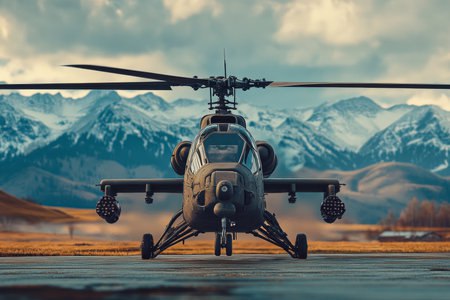
Speculation has resurfaced regarding the fate of Afghan military aircraft flown to Central Asia during the collapse of the previous Afghan government in August 2021. On September 10, Taliban spokesman Zabihullah Mujahid told The Kabul Times that Uzbekistan had agreed to return helicopters that Afghan pilots had flown across the border as Kabul fell. He claimed the transfer of 57 helicopters was imminent, describing it as a step toward rebuilding Afghanistan’s air force and strengthening ties between the two countries.

According to Mujahid, the aircraft had remained in Uzbekistan under the terms of quiet negotiations between Tashkent and Kabul.

The U.S. Department of Defense previously confirmed that 46 planes and helicopters were flown to Uzbekistan and another 18 to Tajikistan in 2021. The aircraft included Mi-17 and UH-60 helicopters, along with PC-12, C-208, AC-208, and A-29 fixed-wing aircraft.

However, Uzbekistan’s Ministry of Foreign Affairs quickly denied the Taliban’s claims. On September 11, ministry spokesperson Ahror Burkhanov told Gazeta.uz that reports of an agreement to return the helicopters “do not correspond to reality.” He dismissed the information as “fake news” and emphasized that Uzbekistan’s position on the issue remains unchanged.

The Taliban has repeatedly demanded the return of the aircraft from both Uzbekistan and Tajikistan, but neither Tashkent nor Dushanbe has responded to these requests publicly. U.S. Ambassador to Uzbekistan Jonathan Henick previously stated that Washington and Tashkent reached an understanding in 2021 regarding the aircraft. He added that part of the military equipment remains in Uzbekistan, and that the two governments are cooperating on the matter through a joint program.

Prior to the Taliban’s return to power in August 2021, Afghanistan’s air fleet included 164 military aircraft. Today, only 81 are believed to remain. As the government collapsed, many Afghan Air Force pilots fled with their aircraft to neighboring countries, including Uzbekistan and Tajikistan.

Almaty Targets Scooter Safety After Tokayev Calls for Urgent Action

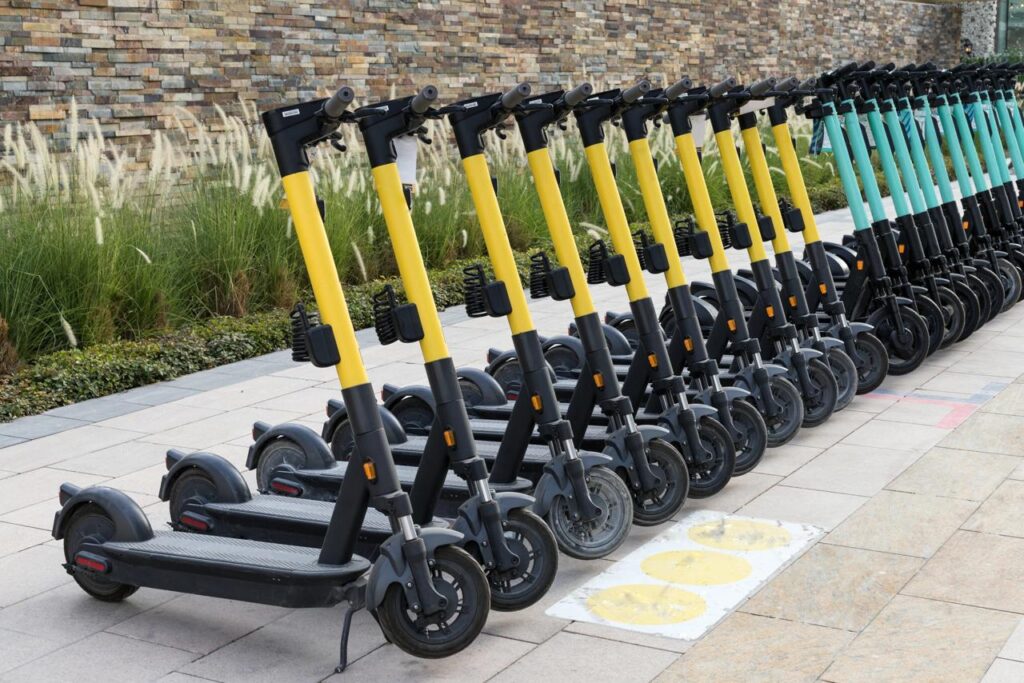
Kazakhstan has become the first country in Central Asia where public concern over electric scooters reached such intensity that the issue was addressed by the president himself. Kassym-Jomart Tokayev mentioned electric scooters in his latest Address to the People of Kazakhstan, a key policy document that outlines the country’s development priorities for the year ahead.

In recent weeks, multiple high-profile incidents involving electric scooters have dominated headlines: a woman suffered a broken leg after being hit by teenagers on a scooter; schoolchildren collided with a baby stroller in Almaty; two girls were struck by a bus while riding a scooter; a passerby lost an eye after confronting an aggressive rider; and a fight broke out between two scooter users unable to share the road.

These events, widely reported in local media, have fostered growing public frustration toward both scooter riders and the companies that rent out these vehicles.

Demonstrating a commitment to what he calls a “responsive state,” Tokayev addressed the issue directly in his national address.

“Attention should also be paid to electric scooters, a topic that is being actively discussed in society,” he said. “Two years ago, legislative changes were made that impose restrictions on riding on sidewalks. But the situation in public places has not changed much, and citizens are still at risk. Legislative amendments regulating this area have now been prepared and must be adopted without delay.”

The changes referenced by the president came into effect on August 30, 2023. They prohibit scooter use on public roads without a driver’s license, helmet, and reflective elements. Riders are also barred from exceeding 6 km/h on sidewalks.

However, these regulations have had limited impact, largely due to a lack of enforcement. Scooter rental companies pledged to implement technical solutions such as speed limiters on sidewalks, single-rider restrictions, and designated parking zones to prevent scooters from obstructing pedestrian pathways. But many of these promises have yet to materialize.

On the issue of underage riders, operators have deflected responsibility, saying parents must supervise their children. “It is the parents themselves who give teenagers access to rental scooters,” one business representative noted.

In response to the president’s remarks, a roundtable was quickly convened in Astana with participation from police and kick-sharing companies. Authorities reported that of 31 traffic accidents involving scooters this year, 18 involved minors.

In Almaty, the epicenter of most high-profile incidents, raids were carried out in response to mounting public pressure. In a single day, police recorded over 800 scooter-related violations, including 11 cases involving parental negligence. A total of 259 scooters were impounded. To bolster enforcement, 50 additional police patrols were deployed in high-traffic areas using scooters provided by rental companies.

The Almaty City Administration’s Urban Mobility Department also announced plans to expand infrastructure to manage the problem of scooters left haphazardly on sidewalks. Currently, 67 workers, referred to as “scouts”, relocate abandoned vehicles to 15 designated parking zones. An additional 10 parking areas are expected to be operational by October.

In short, the problem may not be the lack of regulation, but the failure to enforce existing rules. As scooter-related incidents continue to spark public backlash, the path forward may depend less on new legislation and more on effective implementation of measures already in place.

Astana to Host 2027 UEFA Under-19 Futsal European Championship

Astana has been selected to host the 2027 UEFA Under-19 Futsal European Championship, marking the first time Kazakhstan will stage a youth futsal tournament at this level. The decision was announced during a UEFA Executive Committee meeting in Tirana, Albania.

According to the Kazakhstan Football Federation (KFF), the joint bid submitted by the KFF and the Kazakhstan Futsal Association received UEFA’s approval, granting Astana the right to organize the final tournament. The matches are tentatively scheduled to take place from September 26 to October 3, 2027, at the Zhekpe Zhek Sports Palace in the capital.

Launched in 2019, the UEFA Under-19 Futsal Championship has been held every two years. The inaugural edition was held in Latvia’s capital Riga, followed by tournaments in Spain (Jaén, 2022) and Croatia (2023). The 2025 edition is set to take place in Chișinău, Moldova, from September 28 to October 5.

The final tournament features eight teams: the host nation and seven group winners from the qualification rounds. The lineup for Euro 2025 includes Moldova, Ukraine, Slovenia, Czechia, Turkey, Spain, Italy, and Portugal, the defending champions. Spain previously claimed back-to-back titles in 2019 and 2022.

For Kazakhstan’s U-19 team, Euro 2027 will mark their debut in the finals, as host nations qualify automatically. While the youth squad has yet to make an international impact, the senior national futsal team has built a strong reputation. Kazakhstan secured bronze at Euro 2016 in Belgrade, reached the semifinals again in Slovenia in 2018, and advanced to the quarterfinals at Euro 2022 in the Netherlands.

The senior team is currently competing for a spot in Euro 2026, which will be co-hosted by Latvia, Lithuania, and Slovenia. After missing direct qualification, Kazakhstan will face Italy in play-off matches on September 18 (away) and September 23 (home in Astana). Despite generational changes, naturalized Brazilian players such as Leo Higuita, Douglas Junior, and Edson continue to play key roles. Earlier this year, Kazakhstan introduced a legislative ban on the use of public funds to pay foreign athletes.

Hosting Euro 2027 represents a significant milestone in Kazakhstan’s efforts to promote youth sports and strengthen its standing in European futsal. UEFA’s decision highlights the country’s growing role in international sport and provides a platform for the next generation of Kazakh futsal players to compete at the highest level.

Opinion: A Railway to the Future – Uzbekistan’s Bold Path to Connectivity and Carbon Cuts

I still remember the thrill of boarding the sleek high-speed train from Tashkent to Bukhara. What could have been an ordinary journey turned into something unforgettable – the kind of experience that stays alive in the memory long after the trip ends. The speed, the comfort, and above all, the hospitality of Uzbekistan Railways revealed more than just modern engineering; it was a glimpse into the vision of a country determined to connect its people and its future to the wider world.

The resonance of this project is deep. The Silk Road was once the artery of global exchange, moving not just goods but ideas, cultures, and entire civilizations between East and West. From Xi’an to Samarkand, Bukhara, and Tashkent, caravans carried silk, porcelain, and paper eastward, while wool, stones, fruits, and glassware travelled west. The CKU Railway is not simply another infrastructure project; it is the revival of this legacy, adapted for the 21st century. By shortening transport routes by nearly 900 kilometers and halving transit times, it promises to transform Uzbekistan’s geographic disadvantage into a strategic strength. For a landlocked country, this is more than steel on tracks – it is a lifeline to global markets.

That is where railways carry an underappreciated advantage. Beyond the economics, rail is also a climate solution. The International Energy Agency (IEA) has found that rail freight is three to four times more energy-efficient than trucks. Trains use 65–80% less fuel per kilogram of cargo. The European Environment Agency calculates that a ton of freight moved by train emits 14–20 grams of CO₂ per kilometer, while the same tonnage on trucks produces 60–120 grams. That is a four- to fivefold difference. If the 20th century belonged to highways, the 21st must belong to railways.

To grasp what this means for Central Asia, consider the region’s emissions profile. According to the EDGAR 2023 dataset, annual greenhouse gas emissions (excluding LULUCF, 2022) stand at roughly 320 MtCO₂e for Kazakhstan, 214 MtCO₂e for Uzbekistan, 99 MtCO₂e for Turkmenistan, 22 MtCO₂e for Kyrgyzstan, and 21 MtCO₂e for Tajikistan. Transport is responsible for around a tenth of that, and road freight dominates. The opportunity for reductions through a modal shift is therefore enormous.

Take Uzbekistan as a case in point. The country moves about 90 billion ton-km of freight annually, within a regional total of some 350 billion. At present, 70% of this moves by road and 30% by rail. Imagine that by 2035, half of current road freight shifts to electrified rail – around 32 billion ton-km. On trucks, that freight would generate 2.9 MtCO₂e per year. On electrified trains, it would produce only 0.54 MtCO₂e. The savings: 2.4 MtCO₂e annually, or more than 1% of Uzbekistan’s entire national emissions. For a single infrastructure project, that is an extraordinary return in climate terms.

The regional potential is just as striking. If similar shifts occurred across Central Asia, annual savings would reach 7–9 MtCO₂e by 2035 – the equivalent of removing two million cars from the road. Projected out to 2050, the cumulative impact could exceed 200 MtCO₂e, a number that should command attention in any discussion of global decarbonization.

What makes this feasible is that Uzbekistan is already ahead. As of 2024, between 52–55% of Uzbekistan’s network is electrified, though the government plans to reach 65% by 2030. With a push to reach full electrification by 2035, this could set a model for its neighbors. Coupled with the country’s vast solar and wind resources, Uzbekistan has the potential to operate a renewable-powered, zero-carbon rail system – a showcase of climate leadership on a global scale.

The implications ripple outward. Shifting freight to electrified rail reduces dependence on imported diesel, strengthening energy security and insulating supply chains from oil price shocks. It cuts logistics costs, making exports more competitive. It diversifies trade routes, reducing reliance on traditional corridors and giving countries more geopolitical autonomy. And it delivers measurable, sector-specific emissions reductions, reinforcing Uzbekistan’s credibility in international climate negotiations.

This is also about relationships. China remains Uzbekistan’s largest trading partner and one of its most important investors. By partnering on the CKU Railway, the two countries are deepening their ties. But critically, they are doing so in a way that embeds climate considerations into infrastructure investment. That is the essence of what the Belt and Road should be in its next phase – a framework not only for connectivity but for sustainability.

When I think back to my own journey from Tashkent to Bukhara, I realize that what impressed me most was not just the technology but the feeling of momentum, of a country on the move. The CKU Railway now promises to extend that feeling across borders, carrying prosperity and resilience in equal measure. The Silk Road once bound continents together with caravans of silk and spices. Today, Uzbekistan is reviving that role, not with camels and caravans but with high-speed, climate-smart railways.

Every kilometer shifted from truck to train is a victory for climate security. Every electrified line is a statement of intent. The steel tracks being laid across Central Asia are not simply infrastructure; they are lifelines of a sustainable future, channels of trust and cooperation, and proof that history can guide us toward a greener tomorrow.

The China–Kyrgyzstan–Uzbekistan Railway embodies this vision. It is a bridge between the past and the future, between economics and environment, between commerce and climate responsibility. It shows that with the right leadership, connectivity and climate action are not opposing goals but reinforcing pillars of progress. For Central Asia, and especially for Uzbekistan, this railway is more than a route. It is a statement of destiny.


The views expressed in this article are those of the author and do not necessarily reflect the official policy or position of the publication, its affiliates, or any other organizations mentioned.