• KGS/USD = 0.01144 0%
  • KZT/USD = 0.00194 -0%
  • TJS/USD = 0.10883 0%
  • UZS/USD = 0.00008 0%
  • TMT/USD = 0.28571 0%
  • KGS/USD = 0.01144 0%
  • KZT/USD = 0.00194 -0%
  • TJS/USD = 0.10883 0%
  • UZS/USD = 0.00008 0%
  • TMT/USD = 0.28571 0%
  • KGS/USD = 0.01144 0%
  • KZT/USD = 0.00194 -0%
  • TJS/USD = 0.10883 0%
  • UZS/USD = 0.00008 0%
  • TMT/USD = 0.28571 0%
  • KGS/USD = 0.01144 0%
  • KZT/USD = 0.00194 -0%
  • TJS/USD = 0.10883 0%
  • UZS/USD = 0.00008 0%
  • TMT/USD = 0.28571 0%
  • KGS/USD = 0.01144 0%
  • KZT/USD = 0.00194 -0%
  • TJS/USD = 0.10883 0%
  • UZS/USD = 0.00008 0%
  • TMT/USD = 0.28571 0%
  • KGS/USD = 0.01144 0%
  • KZT/USD = 0.00194 -0%
  • TJS/USD = 0.10883 0%
  • UZS/USD = 0.00008 0%
  • TMT/USD = 0.28571 0%
  • KGS/USD = 0.01144 0%
  • KZT/USD = 0.00194 -0%
  • TJS/USD = 0.10883 0%
  • UZS/USD = 0.00008 0%
  • TMT/USD = 0.28571 0%
  • KGS/USD = 0.01144 0%
  • KZT/USD = 0.00194 -0%
  • TJS/USD = 0.10883 0%
  • UZS/USD = 0.00008 0%
  • TMT/USD = 0.28571 0%
16 December 2025

China-Kazakhstan Economic Ties: Strong Trade, Weakening Investment

For the second consecutive year, China remains Kazakhstan’s largest foreign economic partner. In 2023, China’s share of Kazakhstan’s total trade turnover surpassed 20%, up from 15.1% in 2019, according to analysts at Ranking.kz.

Trade Dynamics: What Kazakhstan Sells and Buys

Data from the National Statistics Bureau of the ASPiR RK show that bilateral trade between Kazakhstan and China reached $30.1 billion in 2023. Kazakhstan exported goods worth $14.9 billion to China, while imports from China totaled $15.2 billion.

In the first quarter of 2025, trade turnover stood at $5.9 billion, a 5.1% decrease compared to the same period in 2024. Analysts attribute this dip primarily to reduced exports from Kazakhstan.

Kazakhstan’s exports to China consist predominantly of raw materials: oil and gas, ores, metal concentrates, uranium, and agricultural products. China, in return, exports transport equipment, electronics, construction materials, clothing, and footwear to Kazakhstan. Notably, Kazakhstan spent over $100 million on Chinese sock imports last year.

Digital technology also represents a significant share of imports, with Kazakh companies spending approximately $683.6 million on computers and laptops.

Chinese Investment: From Energy to Industrial Zones

China ranks among the top five foreign investors in Kazakhstan. In 2024, direct investment from China amounted to $1.2 billion, almost 50% less than the previous year. This decline mirrors broader trends affecting other major investor countries.

Overall, 2024 marked a record low for gross foreign direct investment (FDI) inflows into Kazakhstan. Between 2015 and 2022, 25 joint projects valued at $7.4 billion were implemented. According to KAZAKH INVEST and Halyk Research, an additional 30 major initiatives worth $5.2 billion are in the pipeline.

One flagship project is the $1.5 billion copper smelter in the Abai region, a joint venture between KAZ Minerals and Chinese investors, expected to be completed by the end of 2028.

Another major initiative is an industrial town in the Zhetysu region’s special economic zone (SEZ), with investments totaling $638 million. The site will host enterprises in non-ferrous metallurgy, electronics, and food production, spanning over 1,000 hectares.

China is also a key player in Kazakhstan’s renewable energy sector, financing wind farms in the Abai, Aktobe, Mangistau, and Ulytau regions at an estimated cost of $1.2 billion.

As of May 1, 2025, more than 4,100 legal entities with Chinese participation were registered in Kazakhstan, which is 3.5 times the number recorded in 2019, according to the Bureau of National Statistics. Of these, approximately 40.7 percent (about 1,700 companies) are involved in trade, while others operate in industry (354 enterprises), construction (352), and mining (209).

Central Asian Migrants Coerced Into Russia’s War in Ukraine

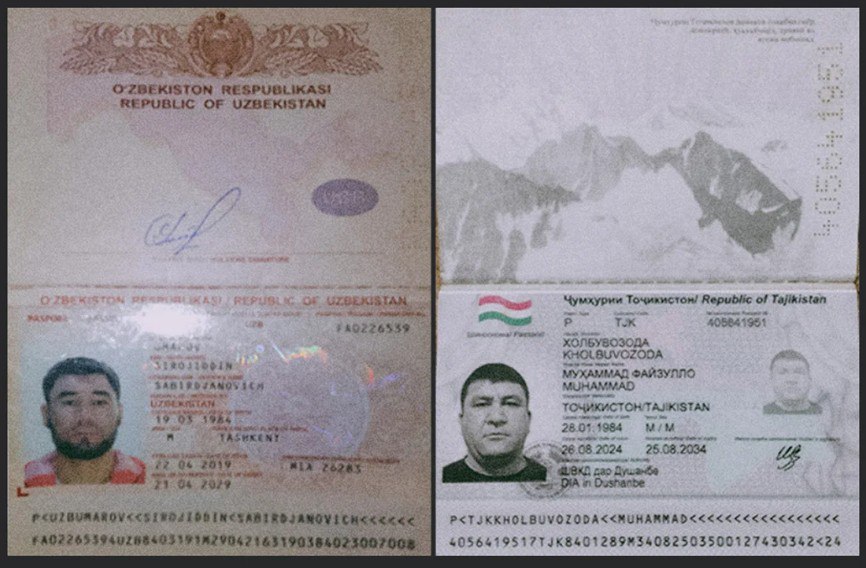
Citizens of Central Asian countries, including Uzbekistan and Tajikistan, are increasingly being coerced into joining Russia’s war effort in Ukraine, according to a recent statement from Ukraine’s military intelligence agency. Many of those affected are labor migrants who originally traveled to Russia for work but were later pressured or misled into signing military contracts.

Reports suggest that Russian army representatives have been enticing migrants with promises of fast money through short-term enlistment. In practice, however, many of these so-called “volunteers” are deployed to the most dangerous front-line positions. Ukraine’s Defense Intelligence claims most do not survive. Among the recently reported casualties were nationals from Uzbekistan and Tajikistan who had enlisted earlier this year.

Ukraine’s warning also highlights the legal risks facing survivors. Returning home after fighting in a foreign conflict can expose them to criminal charges and potentially long prison sentences under national laws that prohibit participation in overseas military operations.

Russian officials have also acknowledged the recruitment of migrants. Alexander Bastrykin, head of Russia’s Investigative Committee, stated during a legal forum in St. Petersburg that his office had identified around 80,000 individuals who received Russian citizenship but then attempted to evade military service. Of those, approximately 20,000 are currently serving on the front lines in Ukraine, according to Bastrykin.

As of September 2024, Russia hosted nearly four million citizens from Central Asia. Uzbekistan accounted for the largest share with an estimated 1.79 million migrants, followed by Tajikistan and Kazakhstan.

While some migrants sign military contracts out of economic desperation, others reportedly face coercion, threatened with the loss of citizenship or imprisonment for avoiding conscription.

The practice of deploying foreign labor migrants to the battlefield has caused mounting concern across Central Asia. Families fear for the fate of relatives drawn into a distant and escalating conflict, often without clear legal protection or state support.

World Bank: Poverty Falls in Kazakhstan, but Inequality and Child Poverty Persist

The World Bank has released a comprehensive report on poverty in Kazakhstan, analyzing trends from 2006 to 2021. Presented to journalists in Almaty, the report paints a detailed picture of the country’s evolving socio-economic landscape.

Defining Poverty

Poverty is broadly defined as the inability to meet basic human needs, including food, clothing, clean water, sanitation, education, and healthcare. One standard measure is the subsistence minimum set by the government.

As of 2021, the international poverty line was $3 per person per day in low-income countries. For upper-middle-income economies like Kazakhstan, the threshold was set at $8.30 per day.

@pip.worldbank.org

From Poverty to the Middle Class

Over 15 years, Kazakhstan witnessed substantial economic growth. Per capita consumption doubled, and GDP per capita rose from 548,900 to 791,300 tenge (KZT). An estimated six million people were lifted out of poverty, and the country advanced into the category of upper-middle-income economies.

The World Bank identifies three distinct phases of development:

  • 2006-2013 – Growth: Economic expansion and proactive social policies reduced poverty from 49.5% to 11.1%
  • 2014-2016 – Crisis: A sharp decline in oil prices and the devaluation of the tenge saw poverty spike to 20.2%
  • 2016-2021 – Stabilization: Economic recovery brought the poverty rate down to 8.5%

@worldbank.org

A Rising Middle Class

Between 2006 and 2021, the share of Kazakhstan’s population considered middle class increased from 26 percent to 67 percent. The World Bank defines the middle class as individuals who are neither poor nor economically vulnerable.

This growth was driven by rising incomes, pensions, and social assistance programs. However, progress began to slow after 2013 due to ongoing structural challenges, low productivity, dependence on extractive industries, and a weak private sector.

Child Poverty: An Alarming Trend

National gains have not eliminated regional disparities. In the Turkistan region, poverty rose from 14.4 percent in 2006 to 24 percent in 2021.

@worldbank.org

Demographic shifts in poverty are also concerning. The poor are increasingly younger, less educated, and from large families. Child poverty is especially acute: 13% of children live below the poverty line, comprising 40% of the country’s poor. In other words, every eighth child in Kazakhstan is living in poverty.

@worldbank.org

Consumption and Inequality

Rising consumption, measured via purchasing power parity (PPP), has been the main driver of poverty reduction. Indicators like the Big Mac Index offer accessible insights into shifts in purchasing power.

Growth in incomes, pensions, and the small and medium-sized enterprise (SME) sector also contributed, while emergency government support during the COVID-19 pandemic helped avert a sharp decline in living standards.

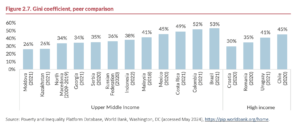
Nevertheless, inequality is on the rise. Since 2016, the Gini Index has shown a growing gap. The wealthiest 10% of Kazakhstanis now spend three times more than the poorest 10%. While this inequality remains moderate by global standards, the upward trend is cause for concern.

@worldbank.org

Looking Ahead

World Bank analysts acknowledge Kazakhstan’s progress in reducing poverty. However, they caution that traditional growth strategies have reached their limits.

To ensure sustainable development, Kazakhstan must pursue deep structural reforms: boosting productivity, fostering private sector growth, and tackling stark regional inequalities. Only through such measures can the country achieve inclusive prosperity and secure long-term well-being for all its citizens.

ALTAÏ: A Documentary Exploring Central Asia’s Water Lifelines to Start Filming

A new documentary, ALTAÏ, by acclaimed writer Cédric Gras and director Bertrand Delapierre, is set to bring global attention to the fragile ecosystems of Central Asia and the critical water issues tied to its majestic Altai Mountains. Slated for release on Ushuaïa TV in 2026, the documentary promises an in-depth exploration of the vital role these mountains play in sustaining life across the arid steppes of Kazakhstan, while addressing ecological challenges, geopolitical tensions, and the impact of climate change.

A Journey Through Kazakhstan’s Heart

Image: TCA, Ilyas Otan

The documentary follows the film crew’s expedition through Kazakhstan’s varied landscapes, beginning in its modern capital, Astana, and culminating in an ascent of Mount Belukha, the tallest peak in the Altai range. Along the way, the team will investigate how Kazakhstan is grappling with increasing water scarcity while striving to balance modernization with environmental conservation.

Central to the film’s narrative is the Irtysh River, born from the Altai glaciers, which flows through Russia, China, Mongolia, and Kazakhstan. This river has long delivered life-sustaining water to Kazakhstan’s steppes, irrigating farmlands and powering industries. Yet, as the documentary reveals, upstream diversions and glacial retreat now threaten the river’s future.

Central Asia’s Water Crisis

Image: TCA, Ilyas Otan

With Central Asia among the regions most threatened by water shortages, ALTAÏ examines the severe consequences of dwindling resources. Astana, once a Soviet outpost named Tselinograd, has been transformed into a futuristic capital fueled by the nation’s oil and gas wealth. However, this rapid expansion has brought a pressing water deficit. The Ishim River, which runs through the city, can no longer suffice, prompting the construction of the new Astana-Irtysh canal to draw water from the distant Altai region.

The documentary highlights alarming findings from hydrologists about the ecological and political pressures weighing on water management in the region. Viewers will see the extensive canal network left by the Soviet Union, such as the Irtysh-Karaganda Canal, and the vital role it continues to play in supporting industrial cities, agriculture, and the survival of the steppes.

Exploring the Altai Mountains

Image: TCA, Ilyas Otan

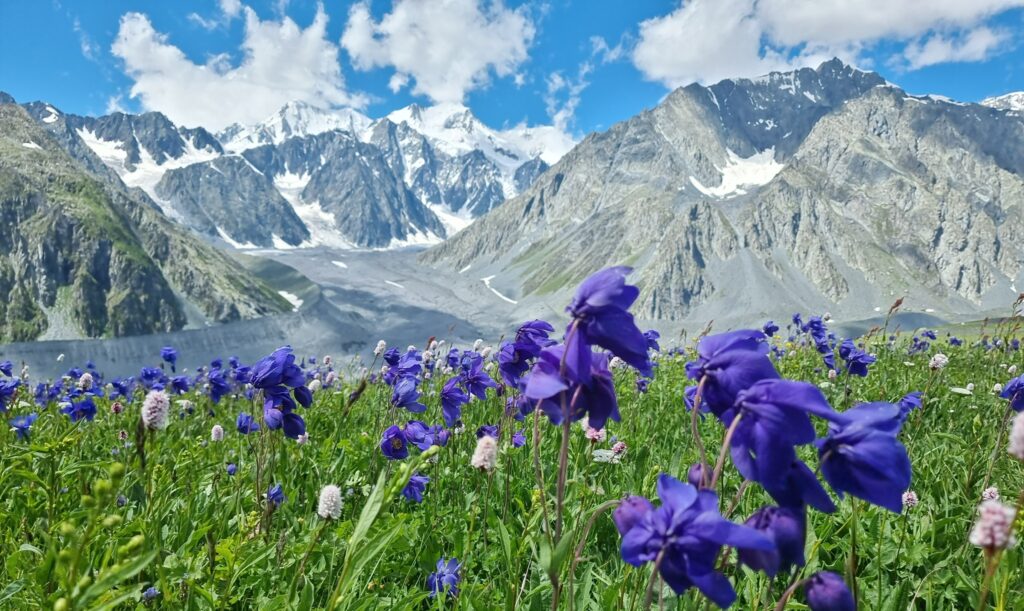
At the heart of the documentary will be an expedition into the Altai Mountains, a remote massif spanning Kazakhstan, China, and Russia. The mountain range is revered as the “water tower” of the region, yet its glaciers are melting at an alarming rate due to climate change. Guided by Kazakh mountaineers, the crew will travel across high valleys and visit traditional nomadic settlements that depend on the rivers fed by these glaciers.

Finally, the team will ascend Mount Belukha, the Altai’s highest peak, to examine the glacial sources of the Irtysh River, capturing breathtaking footage of this territory where the borders of Kazakhstan, China, and Russia converge. Along the way, they will discuss with locals and scientists the geopolitical tensions over water resources, as Chinese development upstream increasingly diverts flow from the Irtysh to fuel its arid regions.

Environmental and Geopolitical Themes

Image: TCA, Ilyas Otan

ALTAÏ ties the environmental struggles of Kazakhstan’s steppe to the broader geopolitical struggles of the region, underscoring the urgent need for water conservation amid rising demand and shrinking supply. It will also showcase the resilience of Kazakhstan’s people, from nomadic herders who preserve ancient traditions to engineers constructing new infrastructure to sustain growing urban centers.

Through the documentary, the filmmakers aim to inspire action and awareness about the delicate balance between human activity and nature. Beyond its focus on water issues, the film celebrates Kazakhstan’s rich biodiversity, exploring its lush summer pastures, wildlife, and cultural heritage.

Vision and Release

ALTAÏ is set to be produced by Lucien TV. The Times of Central Asia’s Ilyas Otan will serve as the production coordinator, ensuring local expertise to enhance the film’s authenticity.

Set to air on Ushuaïa TV, the French channel dedicated to environmental documentaries, ALTAÏ will debut in 2026, offering a rare opportunity for global audiences to glimpse the challenges and triumphs of a region striving to adapt to a rapidly changing world. Through its narrative of endurance, innovation, and the natural wonders of the Altai Mountains, ALTAÏ will aim to capture the profound interconnectedness between water, people, and the environment, inspiring a deeper understanding of Central Asia’s pivotal role in the global water cycle.

Artificial Intelligence to Assist Criminal Investigations in Kazakhstan

Kazakhstan has launched a pilot project to integrate artificial intelligence (AI) into law enforcement operations. The initiative, titled “Digital Assistant to the Investigator,” is being implemented by the General Prosecutor’s Office and the Ministry of Internal Affairs in a district police department in Astana.

The system was officially introduced last week, with participation from Sabit Nurlybay, Chairman of the Committee on Legal Statistics and Special Records of the General Prosecutor’s Office, and Sanjar Adilov, Deputy Minister of Internal Affairs.

Built on AI algorithms and large-scale data processing, the digital assistant is designed to support investigators by identifying connections between cases, generating predictions, and offering procedural recommendations both for conducting investigations and preventing crime.

According to a statement from the Prosecutor General’s Office, the system is divided into three main modules:

  1. Investigation Planning – Upon registration of a criminal case, the system classifies the offense, outlines an investigative strategy based on existing circumstances, and suggests relevant witnesses to question and expert examinations to conduct
  2. Testimony Processing – AI transcribes spoken testimony into text during interviews, simultaneously analyzing speech patterns and behavior to detect contradictions and inconsistencies
  3. Document Generation – Based on interview data, the system drafts investigation documents that the investigator only needs to verify and sign

The platform also generates final case documents, integrating information from the specific investigation along with relevant judicial precedents. Officials say the AI tool is expected to reduce investigation times and offload routine technical tasks from investigators.

The initiative follows Kazakhstan’s unveiling of the most powerful supercomputer in Central Asia last month, a move aimed at bolstering national digital infrastructure and AI development.

Kazakhstan’s push for AI integration aligns with findings from the International Monetary Fund, which last year ranked the country as the regional leader in AI readiness.

Bublik of Kazakhstan Wins a Grass Title Ahead of Wimbledon

Alexander Bublik wasn’t enjoying tennis.

Last year, after a mediocre performance at Wimbledon, he thought about quitting the game. The months went by, and more losses piled up. His ranking sank as low as 82 in March this year after a career-high 17 in May of 2024.

Now the 28-year-old Kazakhstani is on a roll that seems to surprise even him and it’s happening as the tennis world again converges on Wimbledon, which starts June 30. Once again, he’s confounding expectations about a player who has delighted crowds with talent, showmanship and an arsenal of trick shots but also disappointed some fans because of a perception that, at times, tennis wasn’t a top priority for him.

On Sunday, after winning the Halle grass court tournament, a tune-up for this year’s Wimbledon, Bublik celebrated in a typically ebullient style, dueling with opponent Daniil Medvedev in a champagne fight that left both players drenched. Such antics might be the norm on race car podiums, but they don’t happen much in the tradition-heavy sport of tennis.

If Bublik is pushing the limits of tennis etiquette, few people object right now. They would rather gush about his recent accomplishments. Early this month, he reached the quarterfinals at Roland Garros, his best performance in a major tournament, before falling to world No. 1 Jannik Sinner. He beat Sinner in the round of 16 on the way to the Terra Wortmann Open title in Halle, Germany, and his 6-3, 7-6(4) victory over Medvedev in the final was his first win in seven meetings with the Russian.

Bublik’s ranking rises to no. 30 on Monday.

“It’s tough to speak. I had such tough months since last Wimbledon to probably this summer,” Bublik said in an on-court interview after the final. “I was close to calling it quits after Wimbledon, because I was not enjoying it anymore.

“I promised my coach that I would stay there and keep practising, and after Wimbledon we will make a decision about whether I need to take a couple of months off before trying to come back. Now this is happening. I don’t know. Quarters at the French, winner here. I have no words.”

Things were so grim earlier this year that Bublik’s coach, Artem Suprunov, suggested they take a road trip to Las Vegas ahead of a Phoenix challenger, a tournament on the lower rung of professional tennis. The break somehow helped the struggling player, who made it to the final in Phoenix before gaining momentum heading into the summer.

Bublik, who also won the Halle tournament in 2023, was born in Russia and became a citizen of Kazakhstan in 2016 after promises of support from the tennis federation there. He has said he hates clay but then had that spectacular run at the French Open. He said he is relaxed about diet and ate a kebab before the final on Sunday.

The plan now is to “stay human” and balanced and prepare for the next weeks of competition, said Bublik, who is married with a young son.

“I cannot just take only good emotions and just, you know, fly in the clouds.”