• KGS/USD = 0.01144 0%
  • KZT/USD = 0.00212 0%
  • TJS/USD = 0.10432 -0.29%
  • UZS/USD = 0.00008 0%
  • TMT/USD = 0.28571 0.28%
  • KGS/USD = 0.01144 0%
  • KZT/USD = 0.00212 0%
  • TJS/USD = 0.10432 -0.29%
  • UZS/USD = 0.00008 0%
  • TMT/USD = 0.28571 0.28%
  • KGS/USD = 0.01144 0%
  • KZT/USD = 0.00212 0%
  • TJS/USD = 0.10432 -0.29%
  • UZS/USD = 0.00008 0%
  • TMT/USD = 0.28571 0.28%
  • KGS/USD = 0.01144 0%
  • KZT/USD = 0.00212 0%
  • TJS/USD = 0.10432 -0.29%
  • UZS/USD = 0.00008 0%
  • TMT/USD = 0.28571 0.28%
  • KGS/USD = 0.01144 0%
  • KZT/USD = 0.00212 0%
  • TJS/USD = 0.10432 -0.29%
  • UZS/USD = 0.00008 0%
  • TMT/USD = 0.28571 0.28%
  • KGS/USD = 0.01144 0%
  • KZT/USD = 0.00212 0%
  • TJS/USD = 0.10432 -0.29%
  • UZS/USD = 0.00008 0%
  • TMT/USD = 0.28571 0.28%
  • KGS/USD = 0.01144 0%
  • KZT/USD = 0.00212 0%
  • TJS/USD = 0.10432 -0.29%
  • UZS/USD = 0.00008 0%
  • TMT/USD = 0.28571 0.28%
  • KGS/USD = 0.01144 0%
  • KZT/USD = 0.00212 0%
  • TJS/USD = 0.10432 -0.29%
  • UZS/USD = 0.00008 0%
  • TMT/USD = 0.28571 0.28%

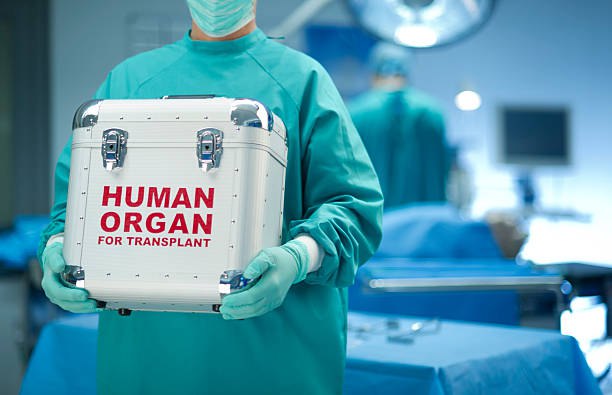
Uzbekistan Uncovers Criminal Network Trafficking Human Organs

Uzbekistan’s State Security Service and Ministry of Internal Affairs have uncovered a transnational criminal network involved in the illegal trafficking of human organs.

Authorities report that the group included 12 individuals from Tashkent and the Tashkent, Fergana, Bukhara, and Kashkadarya regions. The suspects allegedly used social media platforms to identify patients with kidney and liver conditions, while simultaneously recruiting healthy individuals willing to sell their organs in exchange for large sums of money.

With the help of accomplices abroad, the group reportedly forged identity documents to present donors as close relatives of patients, thereby enabling organ transplants to be carried out at a private clinic in a neighboring country.

Investigators said that between 2023 and 2025, at least 32 patients underwent kidney or liver transplants arranged by the network. Large payments were collected from recipients, with portions paid to the clinic and donors, while the remainder was divided among the organizers. In cases where patients experienced complications or failed to improve post-surgery, the group allegedly sold them strong painkillers at inflated prices.

Criminal charges have been filed under provisions of the Criminal Code related to illegal organ trafficking, document forgery, smuggling, and drug-related offenses. The case has now been referred to the court system for further proceedings.

Illegal organ trade has emerged as a broader regional issue. In April 2024, Kyrgyzstan’s State Committee for National Security (SCNS) announced the arrest of individuals connected to an international network facilitating black-market organ sales. According to the SCNS, the group identified wealthy foreign patients willing to pay high prices for transplants and recruited Kyrgyz citizens as donors using fraudulent methods. Donors received between $1,000 and $7,000 for a kidney, while the organizers reportedly earned up to $70,000 per operation.

Asia’s Top Three Towns for Air Quality All in Kazakhstan, Finds New Study

A new study into global air quality by the independent website HouseFresh has found that Kazakhstan is home to some of the world’s cleanest towns. The report also notes that one Kazakh city is also among the most polluted. 

Using data from IQAir’s 2024 research, HouseFresh examined the average PM2.5 level – the number of small particles in the air – for over 8,800 towns with a population over 10,000. It found that the world’s most polluted town is Byrnihat in India, with a PM2.5 level of 128.2 particles per cubic meter (µg/m³). The cleanest air globally is in the Kazakh town of Shu.

Shu, a rail freight hub in the country’s southeastern Zhambyl region, close to the border with Kyrgyzstan, had an average PM2 level of 1.5 µg/m³ in 2024. 

Kazakhstan is in fact home to the three cleanest towns in Asia, with the next places after Shu being Zhezkazgan in the central Ulytau region (2.3 µg/m³), and the southwestern town of Beyneu, outside Mangystau (3.4 µg/m³). 

Kazakhstan’s government has pledged that the country will become ‘climate neutral’ by 2060. It is aiming for its towns to follow the lead of cities such as New York and Beijing, which have more than halved their air pollution with measures such as cleaner public transport, modernized heating systems, and emissions regulation.

However, Kazakhstan generally ranks highly in lists of the most polluted countries, due to its large-scale and outdated industrial infrastructure. Dust in the south of the country can also affect air quality.

Due to this, the much larger central city of Karaganda, a center for Kazakhstan’s coal mining industry, remains one of the world’s most polluted cities. With average PM2.5 levels of 104.8 µg/m³ in 2024, the impact on the health of its half a million residents is equivalent to them smoking over 1,700 cigarettes per year.

Tokayev in New York: $100B U.S. Investment Push Boosts Kazakhstan Ties

Kazakhstan and the United States are continuing to strengthen their strategic partnership, with investment playing a central role. At a roundtable with U.S. business representatives in New York, President Kassym-Jomart Tokayev stated that American investments in Kazakhstan’s economy have surpassed $100 billion.

“Today, more than 630 American companies are successfully operating in our country, including Chevron, ExxonMobil, Boeing, Visa, Mastercard, Meta, Wabtec, and Citibank. We regard the U.S. as an important strategic partner and reaffirm our commitment to further developing multifaceted cooperation,” Tokayev said.

The president noted that Kazakhstan’s economy grew by 6.5% in the first eight months of 2025. He added that ongoing political and economic reforms are creating favorable conditions for long-term growth and attracting further investment.

Energy and Uranium: The Cornerstone of Cooperation

Energy continues to underpin U.S.-Kazakhstan relations.

“We recognize and highly value the large and successful investments of Chevron and ExxonMobil over the past 30 years. Despite all the turbulence in regional geopolitics, their presence in our country has never been questioned,” Tokayev said.

He pointed out that Kazakhstan supplies about 40% of the global uranium market and nearly a quarter of U.S. imports. Tokayev also highlighted Kazakhstan’s “four sources” strategy – oil, gas, coal, and uranium – and expressed support for the U.S. approach to coal as a reliable energy source in the near term.

$4.2 Billion Wabtec Agreement: A Landmark Deal

A key outcome of Tokayev’s U.S. visit was the signing of a $4.2 billion agreement with American locomotive manufacturer Wabtec.

According to the U.S. Department of Commerce, the deal will see Kazakhstan’s national railway company, Kazakhstan Temir Zholy (KTZ), acquire 300 ES44Aci Evolution Series freight locomotives over the next decade.

U.S. Secretary of Commerce Howard Lutnick described the contract as the “largest in history,” noting it would create approximately 11,000 jobs in Texas and Pennsylvania. “This is not just a story of massive success, it’s an example of how American innovation strengthens global leadership,” he posted on X.

Wabtec President and CEO Rafael Santana added, “This project represents KTZ’s ambition to transform Kazakhstan’s railway network into a key bridge between Europe and Asia.”

Tokayev has emphasized that Kazakhstan is upgrading transport hubs and rolling out a “Smart Cargo” digital customs and logistics system to streamline east–west and Trans-Caspian transit traffic.

Presidential Support: Trump and Tokayev Hold Call

The Wabtec agreement was preceded by a phone call between U.S. President Donald Trump and President Tokayev.

“I just concluded a wonderful call with the Highly Respected President of Kazakhstan, Kassym-Jomart Kemeluly Tokayev,” Trump wrote on Truth Social. He emphasized the significance of the locomotive deal and linked it to his broader support for revitalizing U.S. infrastructure. “We need to support our rail industry, which has been attacked for years by ‘fake environmentalists.’ Now railroads are coming back and fast!” he said.

Observers noted that Trump’s personal involvement underscored the political importance of the agreement for bilateral relations.

Green Energy Progress: SAF Plant with LanzaJet

Another notable development was the agreement between Kazakhstan’s national oil and gas company, KazMunayGas (KMG), and U.S.-based LanzaJet to construct a sustainable aviation fuel (SAF) plant.

A prior market study by KMG estimated Kazakhstan’s SAF consumption could reach 70,000 tons annually by 2030.

“Joint efforts will make a significant contribution to achieving low-carbon development goals and strengthening our country’s transit potential,” said KMG Chairman Askhat Khasenov.

Expanding Cooperation in Agriculture, Technology, and Education

President Tokayev also invited American companies to expand their presence in Kazakhstan’s agricultural sector. “Kazakhstan is among the world’s top ten grain exporters. We welcome PepsiCo and Mars’ plans to create modern processing facilities,” he said.

Tokayev also emphasized Kazakhstan’s digital ambitions: “We intend to become a fully digital state within three years. Today, Nvidia, Amazon, Starlink, and Microsoft are already operating in Kazakhstan’s ecosystem.”

In the education sector, Tokayev noted that Kazakhstan is developing into a regional academic hub. Branches of the University of Arizona, Duke University, and the Colorado School of Mines have opened in the country. Additionally, over 800 Bolashak program scholars are currently studying at institutions such as Harvard, MIT, and Stanford.

Balancing Challenges with Strategic Momentum

Despite progress in many areas, bilateral relations face challenges. In spring 2025, the Trump administration imposed 25% tariffs on select Kazakhstani goods.

In response, Astana dispatched a delegation to Washington for consultations. Analysts warn that the tariffs could deal a “serious blow” to Kazakhstan’s economy.

Taken together, however, these latest developments suggest a deepening of the U.S.-Kazakhstan partnership that goes beyond contracts – one anchored in long-term strategy, infrastructure, and energy supply. If the current momentum continues, Kazakhstan could become not just a regional energy hub but an increasingly vital node in the global supply chain for strategic raw materials.

Trump and Tokayev Secure a Historic $4.2 Billion Locomotive Deal

Washington, D.C. – The United States and Kazakhstan have finalized the largest locomotive agreement in history, a $4.2 billion deal that underscores American industrial strength and deepens ties between the two nations. The announcement came following a call between President Donald Trump and Kazakhstan’s President Kassym-Jomart Tokayev, which officials say directly helped bring the deal across the finish line.

The U.S. Department of Commerce confirmed that Pennsylvania-based Wabtec will supply about 300 Evolution Series locomotives, in kit form, to Kazakhstan’s state railway over the next decade. Commerce Secretary Howard Lutnick emphasized the scale of the export package, writing on X that the deal is “more than just a huge success story. It’s about American innovation leading the world, supporting thousands of jobs in TX & PA, and strengthening the U.S.–Kazakhstan partnership.” For Trump, the Pennsylvania tie is notable — the state is both home to Wabtec and a perennial battleground in presidential politics.

What Trump and Tokayev said

President Trump celebrated the breakthrough personally on Truth Social:

“I just concluded a wonderful call with the Highly Respected President of Kazakhstan, Kassym-Jomart Kemeluly Tokayev. They have signed the largest Railroad Equipment Purchase in History, $4 Billion Dollars Worth of United States Locomotives and Rail Equipment”.

He continued:

“Congratulations to President Tokayev on his great purchase. This Country, and the World, was built on reliable, beautiful Railroads. Now they will be coming back, FAST!”

Earlier in September, Trump had told reporters he had a “great conversation” with Tokayev — a remark that signaled improving ties between Washington and Astana ahead of the deal. On Sept. 22, the Commerce Department formally confirmed the $4.2 billion agreement. Commerce Secretary Howard Lutnick, in a separate statement on X, emphasized that the leaders’ engagement helped pave the way and argued the deal strengthens an enhanced strategic partnership while embedding American technology in Eurasian connectivity.

President Tokayev, for his part, has emphasized transport and logistics as central to Kazakhstan’s role as a “link between Europe and Asia,” calling for expanded rail infrastructure and modern customs systems. In July, amid tariff tensions, he assured Trump in a letter that Kazakhstan was “ready for constructive dialogue” and was confident a compromise could be reached — a posture that laid groundwork for the closer economic cooperation reflected in this deal.

Why It Matters: Unlocking Regional Corridors to the West

The locomotives will reinforce capacity along the Trans-Caspian “Middle Corridor,” a trade route carrying goods from Central Asia through the South Caucasus and into Europe—an alternative to Russian and Iranian transit that governments have accelerated since 2022.

A critical gap in that chain was addressed through U.S.-brokered diplomacy in August 2025, when President Trump hosted Armenian Prime Minister Nikol Pashinyan and Azerbaijani President Ilham Aliyev at the White House. The two leaders signed a peace declaration after decades of conflict and committed to reopening transport links, most notably a 42-kilometer passage through Armenia’s Syunik province, commonly called the Zangezur corridor or the Trump Route for International Peace and Prosperity (TRIPP).

By agreement, Armenia retains sovereignty, while the corridor connects Azerbaijan with its Nakhchivan exclave and onward to Türkiye, at the same time drawing Armenia more directly into east–west trade. Analysts describe TRIPP as the missing link in the Middle Corridor, creating a continuous rail, road, and energy corridor from Central Asia to Europe. In practice, the Armenia–Azerbaijan settlement has enabled not just peace, but the completion of regional corridors critical for linking Eurasia with the West. By reducing political risk and clarifying transit rules under Armenian jurisdiction, the deal lowers costs, increases predictability, and strengthens the overall resilience of Eurasian connectivity.

The United States and Kazakhstan have built a strong foundation of enduring economic ties, anchored by long-term strategic partnerships that date back to the early 1990s. These ties have proven resilient to political and economic shifts, reflecting the depth of mutual commitment. Today, Kazakhstan represents the central footprint of U.S. engagement in Eurasia, serving as the region’s largest recipient of American foreign direct investment, with nearly $45 billion in cumulative stock.

The Bottom Line

Taken together, the Wabtec–Kazakhstan export, Trump–Tokayev engagement, and the Armenia–Azerbaijan peace and transit agreements embed American rail technology and standards into Eurasia’s core infrastructure, while giving Kazakhstan new capacity to advance its ambition of becoming the region’s leading transit hub.

Kazakhstan and China Expand Cooperation in Water Management

Kazakhstan’s Ministry of Water Resources and Irrigation has signed a memorandum of cooperation with Power China to strengthen bilateral collaboration in water management.

The agreement outlines plans for modernizing hydraulic infrastructure, reconstructing irrigation systems, and enhancing technical capacity through training programs and specialist exchanges. It also includes provisions for digitalization, investment in water conservation, and the efficient use of water resources. The cooperation extends to scientific research, hydrogeology, and the training of groundwater management specialists.

As part of the agreement, the fourth group of Kazakh water sector professionals is currently undergoing advanced training at Power China facilities. Since the beginning of 2025, 125 specialists from Kazakhstan have been trained in China, with another 200 expected to join the program in 2026. All training expenses are being covered by the Chinese side.

This follows the first-ever memorandum of understanding on water cooperation signed between the governments of Kazakhstan and China in March 2025. That agreement emphasized the rational and sustainable use of water resources, the adoption of modern technologies, alternative water sourcing, experience-sharing, and the joint training of water management personnel.

The collaboration is especially significant given the shared hydrological landscape: three of Kazakhstan’s major rivers, the Irtysh, Ili, and Emel, originate in China. In the first half of 2025, Kazakhstan received 10.2 billion cubic meters of water from China via these transboundary rivers, including 4.6 billion cubic meters from the Irtysh and 5.6 billion from the Ili.

Increased inflow from the Ili River enabled the Kapchagay Reservoir in the Almaty region to reach full capacity for the second consecutive year. Since the beginning of 2025, some 8.52 billion cubic meters of water have been directed downstream to Lake Balkhash, raising its water level by an average of 32 centimeters in the first half of the year.

The Ili River alone contributes nearly 70% of Lake Balkhash’s total inflow, making it a critical source for maintaining the ecological balance of the region.

After Berdimuhamedov Sr.’s Visit, Azerbaijan to Gift Oil Tanker to Turkmenistan

On the sidelines of an investment forum in the Turkmen resort of Awaza, Azerbaijan’s Deputy Minister of Economy, Sahib Alekperov, announced that Baku will gift an 8,000-ton oil tanker to Turkmenistan. The gesture is intended as a symbol of goodwill and a marker of deepening relations between the two Caspian neighbors.

From Symbolism to Infrastructure

According to Alekperov, the tanker project is expected to be completed by the end of this year or early next. He emphasized that bilateral ties are increasingly rooted in practical cooperation. In August, Azerbaijan and Turkmenistan signed a memorandum to expand international air services, aiming to establish a reliable “air bridge” across the Caspian Sea.

“This route will be in high demand among passengers,” said Alekperov, noting that better connectivity will benefit not only Azerbaijan and Turkmenistan but the broader Caspian region. Drawing a historical parallel, he added, “As it was once said that all roads lead to Rome, we can now claim that all roads lead through Turkmenistan, the shortest path between Europe and Asia.”

He also noted that growing transport cooperation will enhance the investment climate and produce tangible outcomes, especially in light of the warm political ties at the highest level.

Broadening Turkmen-Azerbaijani Cooperation

The goodwill gestures extend beyond the tanker handover. On September 12, Turkmenistan announced plans to construct a mosque in the Azerbaijani city of Fuzuli. The Ministry of Construction and Architecture has since opened a tender for the project.

Political dialogue has also intensified in recent months. In July, Gurbanguly Berdimuhamedov, Chairman of Turkmenistan’s Halk Maslahaty, paid an official visit to Azerbaijan, accompanied by his daughter Oguljahan Atabaeva, Vice President of the charitable foundation bearing his name.

During meetings with Azerbaijan’s President Ilham Aliyev, both sides discussed expanding transport and infrastructure cooperation, as well as boosting bilateral trade. Humanitarian collaboration was also a key topic. Atabaeva met with Leyla Aliyeva, Vice President of the Heydar Aliyev Foundation.

At the conclusion of the visit, Berdimuhamedov delivered an official invitation from his son, President Serdar Berdimuhamedov, for Aliyev to visit Turkmenistan. In a statement, Aliyev’s office reaffirmed the strategic nature of the partnership:

“Our nations are united by deep traditions of brotherhood, and these ties have grown even stronger during the years of independence. We are successfully cooperating in many areas,” said the Azerbaijani president.