• KGS/USD = 0.01143 -0%
  • KZT/USD = 0.00192 -0%
  • TJS/USD = 0.10820 0.19%
  • UZS/USD = 0.00008 0%
  • TMT/USD = 0.28575 0%
  • KGS/USD = 0.01143 -0%
  • KZT/USD = 0.00192 -0%
  • TJS/USD = 0.10820 0.19%
  • UZS/USD = 0.00008 0%
  • TMT/USD = 0.28575 0%
  • KGS/USD = 0.01143 -0%
  • KZT/USD = 0.00192 -0%
  • TJS/USD = 0.10820 0.19%
  • UZS/USD = 0.00008 0%
  • TMT/USD = 0.28575 0%
  • KGS/USD = 0.01143 -0%
  • KZT/USD = 0.00192 -0%
  • TJS/USD = 0.10820 0.19%
  • UZS/USD = 0.00008 0%
  • TMT/USD = 0.28575 0%
  • KGS/USD = 0.01143 -0%
  • KZT/USD = 0.00192 -0%
  • TJS/USD = 0.10820 0.19%
  • UZS/USD = 0.00008 0%
  • TMT/USD = 0.28575 0%
  • KGS/USD = 0.01143 -0%
  • KZT/USD = 0.00192 -0%
  • TJS/USD = 0.10820 0.19%
  • UZS/USD = 0.00008 0%
  • TMT/USD = 0.28575 0%
  • KGS/USD = 0.01143 -0%
  • KZT/USD = 0.00192 -0%
  • TJS/USD = 0.10820 0.19%
  • UZS/USD = 0.00008 0%
  • TMT/USD = 0.28575 0%
  • KGS/USD = 0.01143 -0%
  • KZT/USD = 0.00192 -0%
  • TJS/USD = 0.10820 0.19%
  • UZS/USD = 0.00008 0%
  • TMT/USD = 0.28575 0%
14 December 2025

Kyrgyzstan to Enforce Mandatory Car Insurance in July 2025

Beginning July 1, 2025, all vehicle owners in Kyrgyzstan will be subject to fines if they fail to obtain mandatory car insurance. Individuals found without coverage will face a penalty of 3,000 Kyrgyz soms (approximately $35), while foreigners and legal entities will be fined 13,000 soms (around $150), according to the State Insurance Organization (SIO).

The introduction of penalties is expected to promote greater discipline among drivers and boost overall insurance coverage nationwide. “Compulsory car insurance protects not only car owners but also other road users. It helps reduce social tensions, lowers the number of legal disputes, and eases the financial burden on citizens,” the SIO stated in comments to The Times of Central Asia.

Although the law on compulsory Motor Third-Party Liability (MTPL) insurance was passed in 2016, widespread public opposition and a lack of supporting infrastructure led to multiple delays in its enforcement. The most recent postponement, in January 2025, deferred fines for individuals once again. Authorities now affirm that no further delays will be made.

The SIO emphasized that the measure aligns Kyrgyzstan with international norms. “In countries with a high culture of insurance, compulsory MTPL insurance is an integral part of road safety systems. Kyrgyzstan is moving steadily in this direction,” representatives said.

Data from the National Statistical Committee shows that 7,100 traffic accidents were recorded in Kyrgyzstan in 2024, continuing a yearly upward trend. Some experts have expressed skepticism about the law’s effectiveness, citing the country’s large and growing vehicle fleet. However, the SIO remains confident in its capacity to manage the increased demand.

“Our financial model includes calculating potential risks and setting aside funds for payments. This means that even if the accident rate rises, the SIO can still meet its obligations to insured drivers on time and in full,” the organization assured.

As enforcement looms, authorities and insurers are urging the public to prepare and comply with the law to help foster a safer and more financially secure road environment in Kyrgyzstan.

Stealing Brides, Ignoring Justice: The Battle Against Forced Marriage in Central Asia

The abduction of girls for forced marriage remains a troubling and persistent practice across Central Asia. While Kazakhstan has been progressively tightening its legal framework to better protect women’s rights, bride kidnapping continues to pose a serious human rights challenge throughout the region.

Fighting the Middle Ages?

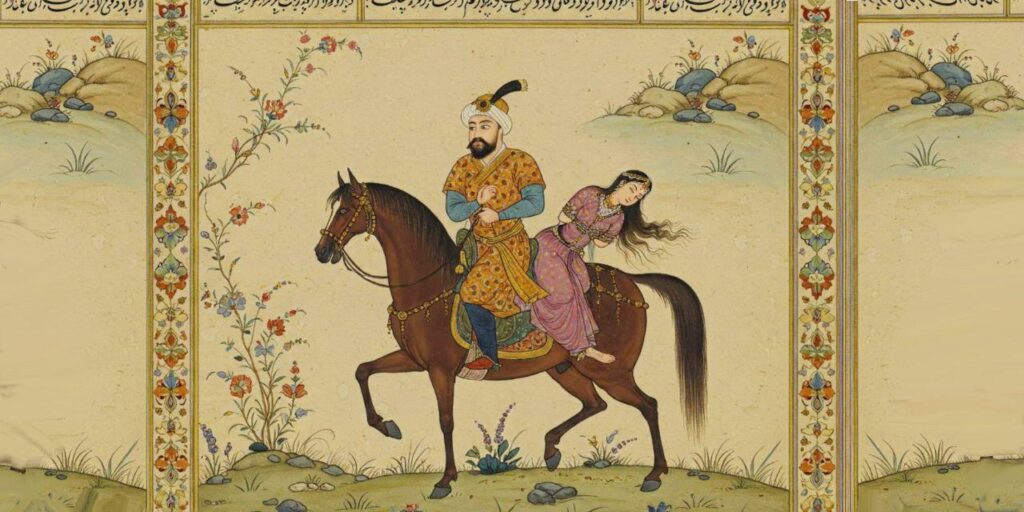
Bride kidnapping has long been practiced in Central Asia and the Caucasus. In contemporary times, some instances are consensual, carried out as a form of cultural theatre to reduce the high cost of weddings in traditional societies. However, when carried out without the woman’s explicit permission, the ritual becomes a form of gender-based violence. Efforts to combat non-consensual bride kidnapping have been ongoing since the Soviet era, yet the practice endures.

According to some Kazakhstani legislators, the current laws are no longer adequate to address the full scope of the issue. The existing criminal code’s general provisions on abduction, they argue, fall short of tackling the specific dynamics of forced marriage.

Mazhilis Deputy Murat Abenov has proposed introducing explicit criminal liability for coercion into marriage. “Over the past three years, 214 complaints have been filed in Kazakhstan from people who were forced into marriage. Only ten of them reached court. Hundreds of criminal cases were simply closed,” Abenov stated. “Even though the girl proved that she had been kidnapped, that she had jumped out of the car, that force had been used against her, nothing could be done.”

New legislative amendments have been drafted and are expected to be debated in the Mazhilis, Kazakhstan’s lower house of parliament. The proposed law introduces a scale of penalties based on the severity of the offense. “There is administrative liability, there will be a large fine, and in serious cases where the girl is under 18 or where force is used or by a group of people, there will be more serious liability, up to criminal liability, five to seven years in prison,” Abenov explained. This new law could be enacted by the end of 2025.

Kazakhstan’s Human Rights Commissioner, Artur Lastaev, addressed the issue in February 2024 in the wake of a high-profile case in Shymkent. “The practice of kidnapping girls for the purpose of marriage is still widespread in our country, especially in the southern regions. In some cases, such actions result in sexual assault, humiliation, unlawful deprivation of liberty, and even suicide,” Lastaev stated.

“Saltanat’s Law” Written in Blood

In June 2024, Kazakhstan implemented a sweeping new law entitled “On Amendments to Ensure the Rights of Women and the Safety of Children.” Though years in the making, the law is colloquially known as “Saltanat’s Law,” named after Saltanat Nukenova, a young woman who was brutally murdered by her common-law husband, Kuandyk Bishimbayev, a former senior government official.

In November 2023, Bishimbayev beat Nukenova over the course of a night in a restaurant in Astana. After she lost consciousness, he attempted to conceal the crime instead of seeking medical help. In May 2024, following a highly publicized trial, Bishimbayev was sentenced to 24 years in prison.

The new legislation significantly toughens penalties for domestic abusers and includes a dedicated section on crimes against minors. Notably, it introduces life imprisonment for acts of pedophilia. Dinara Zakieva, Kazakhstan’s Children’s Rights Commissioner, noted that the law has already led to an increase in domestic violence cases being prosecuted. “Although the problem is still far from being solved, the law has begun to take effect,” she said.

Enforcement Beyond Borders

Uzbekistan, Kyrgyzstan, and Turkmenistan also have criminal laws prohibiting abduction for the purpose of forced marriage. However, enforcement remains patchy, and societal attitudes continue to obscure the scale of the problem.

In Uzbekistan, a video posted in 2023 by Maryam Tillyaeva, granddaughter of former President Islam Karimov, sparked controversy. Tillyaeva described bride kidnapping as a component of Uzbek wedding traditions. The video was met with a massive backlash for romanticizing a harmful practice. While most sources confirm that arranged mock abductions exist in Uzbekistan, actual cases of forced marriage are rare and are generally prosecuted.

In Kyrgyzstan, public awareness is higher, and women have been more vocal. The local tradition of ala kachuu, literally “grab and run”, remains entrenched among proponents of patriarchal norms. Women who resist can be accused of betraying national traditions and often face threats. In one tragic case, a 20-year-old woman in Bishkek was kidnapped twice before being killed, prompting widespread protests. According to the United Nations, 13% of Kyrgyz women under 24 are married after being kidnapped. Often, the perpetrator’s entire family participates, men forcibly abducting the woman, while women in the household attempt to persuade her to stay.

Despite existing laws, prosecutions are rare. Of the roughly 200 complaints filed annually, only 5% result in prosecutions.

By 2050, Nearly One-Fifth of Kazakhstan’s Population Will Be Over 60

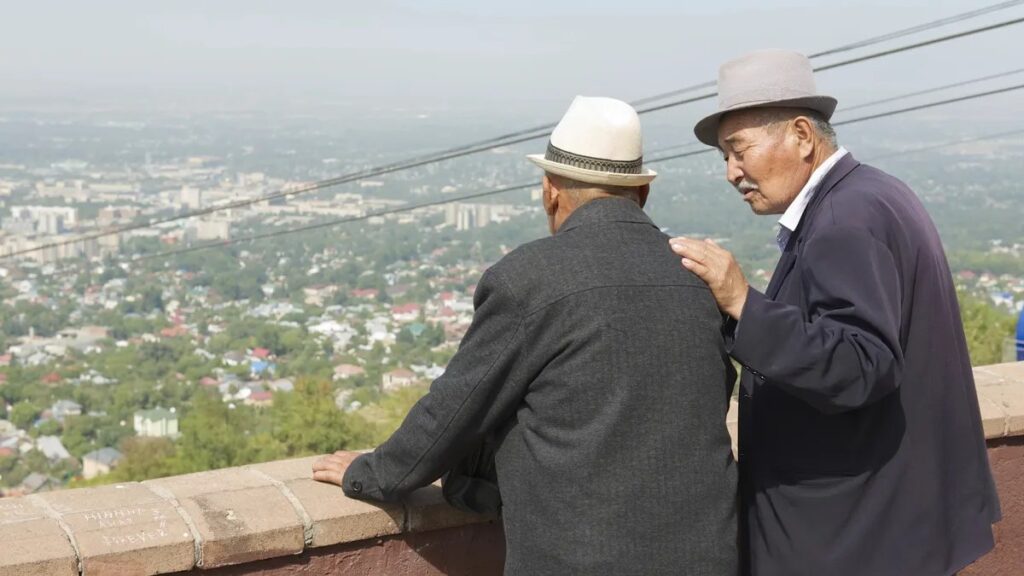
Kazakhstan is on the cusp of a significant demographic transition. A recent report by the Unified Accumulative Pension Fund (UAPF), the agency overseeing the country’s pension system, projects that by 2050, 19% of Kazakhstan’s population will be of retirement or pre-retirement age.

The study, published on the UAPF website, reveals that as of January 1, 2025, Kazakhstan’s population had surpassed 20.3 million. Of this total, 42.8% — approximately 8.7 million people — were under the age of 25. Another 48% (around 9.7 million) were between 25 and 65, while 9.2%, or about 1.9 million people, were over 65 and currently classified as pensioners. Overall, individuals aged 60 and older now make up 13.9% of the total population.

According to UAPF forecasts, the national population is expected to grow to 26.3 million by the end of 2050. However, this growth will be accompanied by an aging trend. “This means that by 2050, on average, one in five Kazakhs will be aged 60 or older,” the report notes. This shift mirrors a broader global pattern of aging populations and declining birth rates.

Life expectancy in Kazakhstan, which had declined during the COVID-19 pandemic, has rebounded significantly. It rose from 70.23 years in 2021 to 75.44 years in 2024. At the same time, the Total Fertility Rate (TFR) has decreased from 3.32 children per woman in 2021 to 2.80 in 2024, with projections indicating a further drop to 2.42 by 2050.

“With the gradual decline in birth rates and increased life expectancy, fewer people are entering the labor market, and the imbalance between pensioners and the working-age population continues to grow,” UAPF analysts stated.

The report also predicts a neutral migration balance by 2050, meaning the number of people emigrating will roughly equal those immigrating for permanent residence. This marks a shift from earlier decades of net inward migration. Since 1991, over 1.15 million ethnic Kazakhs born abroad have moved to Kazakhstan permanently, according to data previously reported by The Times of Central Asia.

As Kazakhstan confronts these demographic realities, policymakers will need to consider long-term strategies to ensure the sustainability of its pension system and the vitality of its labor force.

Kazakhstan’s Terminal in Xi’an Drives Surge in China-Europe Freight

Kazakhstan’s logistics terminal in Xi’an, a major transportation hub in China’s Shaanxi Province, has catalyzed a dramatic surge in container traffic along the Trans-Caspian International Transport Route (TITR), boosting Kazakhstan’s position as a critical player in regional trade. According to Kazakhstan Temir Zholy (KTZ), the national railway operator, freight volume from China via this corridor increased 33-fold in 2024.

Operational since February 2024, the terminal has become a linchpin in cross-continental trade, enhancing the flow of goods between China and Europe through Kazakhstan.

Xi’an hosts China’s largest dry port and is a pivotal launch point for freight to Europe. Over 30% of all container trains departing China for the European Union originate from Xi’an, while about 40% of China’s imports from the Commonwealth of Independent States (CIS), which includes Kazakhstan and Russia, are routed through the city.

The Kazakhstan terminal in Xi’an currently has an annual handling capacity of 133,000 twenty-foot equivalent units (TEU). In 2024, it processed over 276,000 tons of cargo, equivalent to approximately 23,000 TEU. In the first four months of 2025 alone, the terminal handled 10,524 TEU (or 126,288 tons). Plans are in place to expand throughput to 83,000 TEU annually by 2030.

The terminal predominantly facilitates the shipment of vehicles and auto parts from top Chinese manufacturers including BYD, Geely, Chery, and Hongqi. It also processes large volumes of electronic goods, metal products, and consolidated cargo.

This development underscores Kazakhstan’s growing strategic role in the TITR, a route increasingly seen as a vital alternative to the Northern Corridor passing through Russia. As trade dynamics shift, Kazakhstan continues to assert itself as a central transit hub connecting China with Central Asia and Europe.

Rediscovered Correspondence from the Man Behind the “Great Game”

A recently uncovered letter written by Captain Arthur Conolly, the British officer who coined the term “Great Game,” has captivated historians and scholars of 19th-century geopolitics. The correspondence offers a rare glimpse into the mind of the officer whose ill-fated expedition to Central Asia would become emblematic of the imperial rivalry between the British and Russian empires.

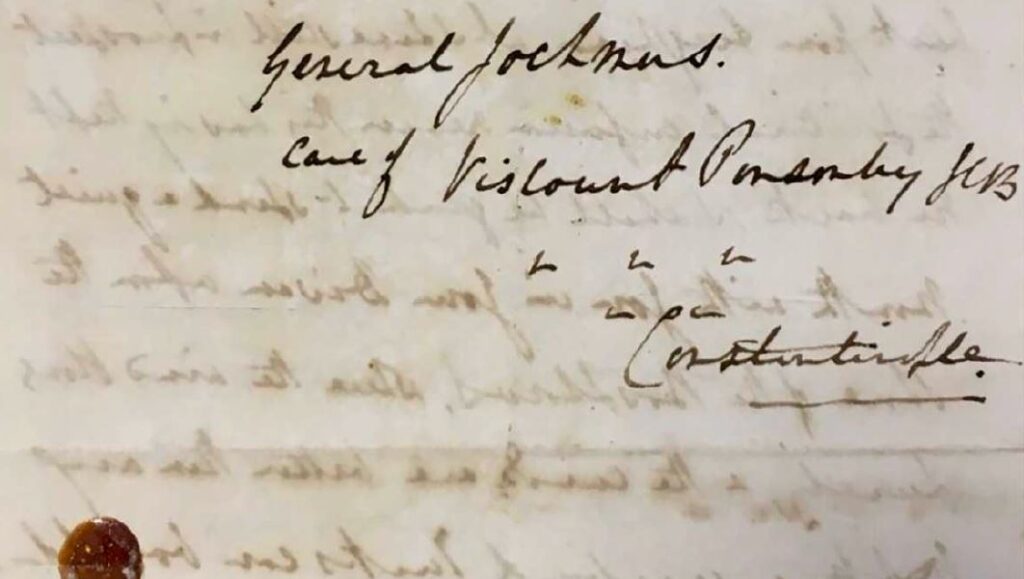
The letter dates from April 1841, when Conolly stopped on the bank of the Amu Darya River, the northern boundary of Afghanistan, en route to Bukhara. Partly written in code, the missive, addressed to the Austrian General, August Giacomo Jochmus, commander of the combined forces of the Ottoman Empire, Britain, and Austria during the Syrian War of 1839–1841, reveals new details about Conolly’s observations regarding Central Asia’s complex power dynamics. The letter was discovered in the Russian State Archive of Literature and Art in Moscow.

While the term “Great Game” would only gain prominence much later through Rudyard Kipling’s Kim, Conolly’s writings shine a light on the precarious nature of imperial ambitions. His correspondence often reflected a mix of hope and foreboding, as he championed diplomatic engagement to win influence in the region while recognizing the human cost of such rivalry.

The newly discovered letter includes remarks on the state of local governance, tribal allegiances, and the risks posed by Russian territorial advances. These insights could reshape the contemporary understanding of British intelligence operations and frontier policies at the height of imperial competition.

“Travel has its charms and excitements, but it also has its disenchantment,” Conolly wrote, “and if I get safely back from Peshawar, I shall be glad to spend a quiet month with you in your Divan upon the shore of the Bosporus.”

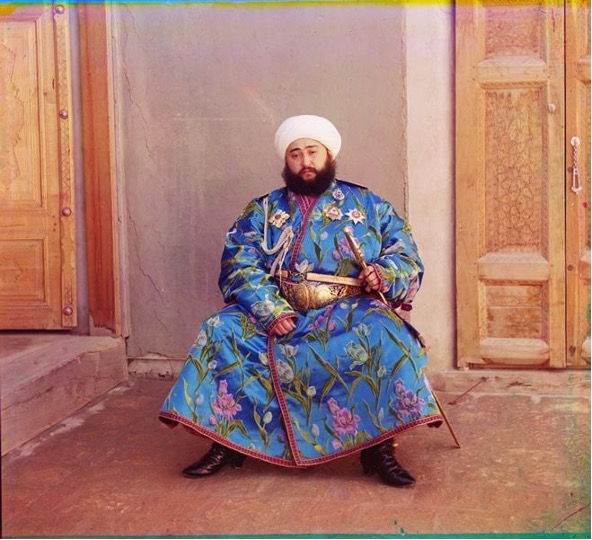
Conolly’s fate remains a tragic footnote to his legacy. Captured and executed in 1842 by the Emir of Bukhara while attempting to negotiate the release of fellow British officer, Charles Stoddart, he became both a cautionary tale and a symbol of imperial zeal. This rediscovered letter serves as a poignant reminder of the personal stakes involved in the sprawling global chessboard that defined 19th-century diplomacy.

The Photographs of Prokudin-Gorsky: A Glimpse of a Lost World

Using the emerging technology of color photography, Sergey Mikhaylovich Prokudin-Gorsky (1863–1944) undertook several photographic expeditions to capture images of the Russian Empire. Most of his work took place between 1909 and 1915, though some photographs date as early as 1905. At the time, the Russian Empire stretched roughly 7,000 miles east to west and 3,000 miles north to south. It encompassed one-sixth of the Earth’s land surface, making it the largest empire in history, spanning what are now eleven time zones.

Abutment for a dam and house belonging to the government. [Kuzminskoe] Prokudin-Gorsky, Sergey Mikhaylovich, 1912

Tsar Nicholas II supported Prokudin-Gorsky’s ambitious endeavor by granting him travel permits and access to various modes of transportation, including trains, boats, and automobiles. His journeys are preserved in photographic albums that include the original negatives. One album also features miscellaneous images, including scenes from other parts of Europe. The photographs capture a broad array of subjects: religious architecture and shrines (churches, cathedrals, mosques, and monasteries); religious and secular artifacts (such as vestments, icons, and items linked to saints, former Tsars, and the Napoleonic Wars); infrastructure and public works (railroads, bridges, dams, and roads); a variety of industries (including mining, textile production, and street vending); agricultural scenes (like tea plantations and field work); portraits, which often showed people in traditional dress, as well as cityscapes, villages, natural landscapes, and blooming plants.

Besides being a photographer, Sergey Prokudin-Gorsky was a chemist who is renowned for his pioneering contributions to color photography in the early 20th century. In 1901, he traveled to Berlin to study photochemistry before returning to Russia, where he outfitted a railroad car as a mobile darkroom with the support of Tsar Nicholas II. As he traveled across the Russian Empire, he documented its people and landscapes, eventually earning recognition in Russia, Germany, and France. In 1906, he was appointed head of the photography section of Fotograf-Liubitel, Russia’s leading photography journal. One of his most famous works is a color portrait of Leo Tolstoy, taken in 1908.

“By capturing the result of artistic inspiration in the full richness of its colors on the light-sensitive photographic plate, we pass the priceless document to future generations,” wrote Prokudin-Gorsky. As a nobleman, inventor, professor, and pioneer of color photography in Russia, Prokudin-Gorsky had a deep sense of national identity and heritage. Although he was unable to complete his grand project due to the outbreak of World War I and increasing social unrest across the Russian Empire, he still managed to capture photographs in regions such as the Urals, Siberia, Crimea, Dagestan, Finland, and Central Asia, as well as along the Volga and Oka rivers. Unfortunately, much of his photographic archive was lost in the aftermath of the 1917 Revolution.

Prokudin-Gorsky created unique black-and-white negatives using a triple-frame method, taking three separate exposures through blue, green, and red filters. This technique allowed the images to be printed or projected in color, often for magic lantern slide presentations. The complete collection of 1,902 triple-frame glass negatives has been digitized, including approximately 150 images not included in his original albums. Each digitized image displays all three frames. Additionally, the individual frames, typically the green-filtered center shot, are also available, enabling closer inspection of the details.

Fishing settlement, Prokudin-Gorsky, Sergey Mikhaylovich, 1915

The Library of Congress holds twelve albums (in fourteen volumes) that Prokudin-Gorsky compiled as visual notebooks documenting his travels and research. Digitized pages from these albums allow modern viewers to retrace the same routes Prokudin-Gorsky followed over a century ago, viewing the photographs in the original order he intended. The pages display all 2,433 contact prints contained in the albums, along with their original Cyrillic captions and annotations. Each page typically includes six prints, though some contain blank spaces where images were removed long ago.
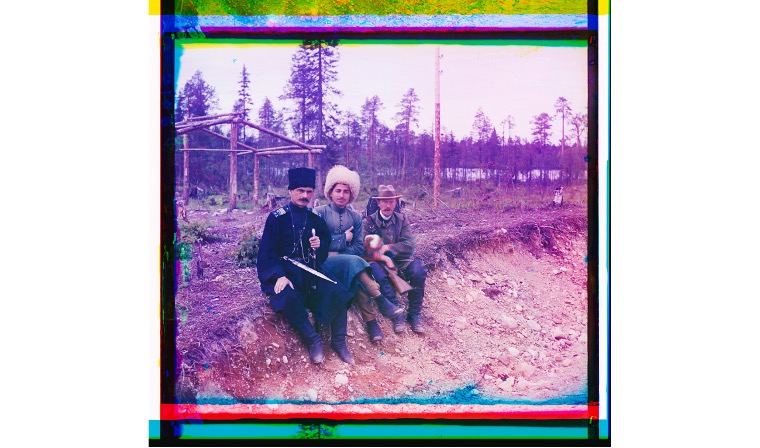
Sergey Mikhaylovich Prokudin-Gorsky and two men in Cossack dress are seated on the ground

A page from Prokudin-Gorsky’s photo album of Europe containing images of Venice, Sergey Mikhaylovich Prokudin-Gorsky

Prokudin-Gorsky also traveled to Italy, Finland, and Yasnaya Polyana — Leo Tolstoy’s estate in Russia — to photograph subjects of cultural and historical significance, including Tolstoy himself. These travels were most likely undertaken before he began his larger project to document the Russian Empire.
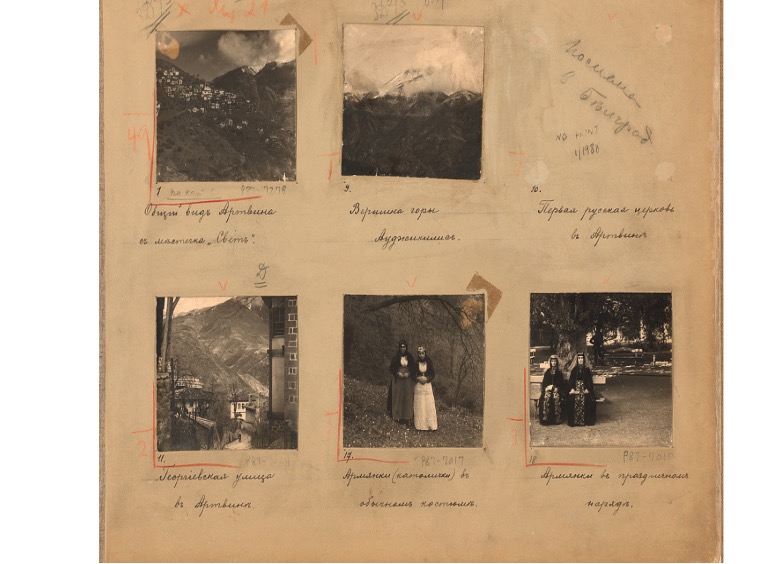
A page from Prokudin-Gorsky’s photo album of the Caucasus containing photos of Artvin (in present-day Turkey), as well as its surrounding mountains and some of its Armenian inhabitants, Sergey Mikhaylovich Prokudin-Gorsky, between 1900 and 1920

From the photographs he took a century ago, we can clearly see the face of society at that time.
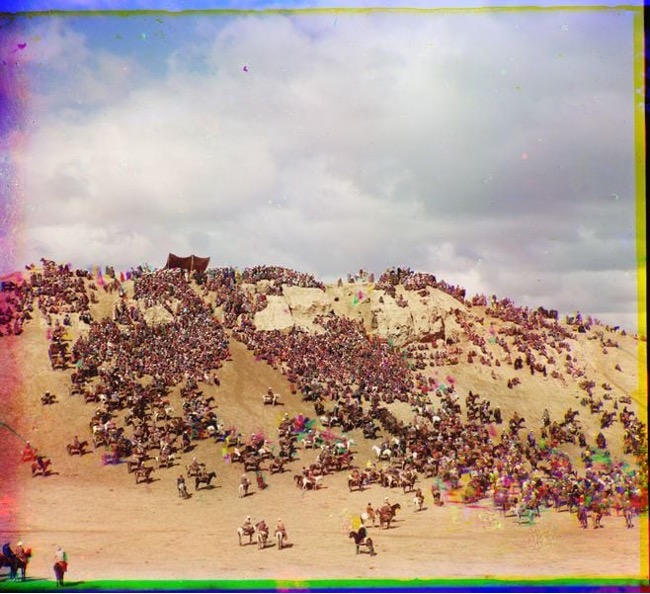
Bayga, near Samarkand, Turkestan, Sergey Mikhaylovich Prokudin-Gorsky, between 1905 and 1915

Isfandiyar Jurji Bahadur, Khan of the Russian protectorate of Khorezm (Khiva, now a part of modern Uzbekistan), Sergey Mikhaylovich Prokudin-Gorsky, 1910

A watercarrier in Samarkand (present-day Uzbekistan), Sergey Mikhaylovich Prokudin-Gorsky, 1910

Nomadic Kirghiz on the Golodnaia Steppe in present-day Uzbekistan and Kazakhstan, Sergey Mikhaylovich Prokudin-Gorsky, 1910