• KGS/USD = 0.01144 0%
  • KZT/USD = 0.00196 -0%
  • TJS/USD = 0.10896 -0%
  • UZS/USD = 0.00008 0%
  • TMT/USD = 0.28571 0.28%
  • KGS/USD = 0.01144 0%
  • KZT/USD = 0.00196 -0%
  • TJS/USD = 0.10896 -0%
  • UZS/USD = 0.00008 0%
  • TMT/USD = 0.28571 0.28%
  • KGS/USD = 0.01144 0%
  • KZT/USD = 0.00196 -0%
  • TJS/USD = 0.10896 -0%
  • UZS/USD = 0.00008 0%
  • TMT/USD = 0.28571 0.28%
  • KGS/USD = 0.01144 0%
  • KZT/USD = 0.00196 -0%
  • TJS/USD = 0.10896 -0%
  • UZS/USD = 0.00008 0%
  • TMT/USD = 0.28571 0.28%
  • KGS/USD = 0.01144 0%
  • KZT/USD = 0.00196 -0%
  • TJS/USD = 0.10896 -0%
  • UZS/USD = 0.00008 0%
  • TMT/USD = 0.28571 0.28%
  • KGS/USD = 0.01144 0%
  • KZT/USD = 0.00196 -0%
  • TJS/USD = 0.10896 -0%
  • UZS/USD = 0.00008 0%
  • TMT/USD = 0.28571 0.28%
  • KGS/USD = 0.01144 0%
  • KZT/USD = 0.00196 -0%
  • TJS/USD = 0.10896 -0%
  • UZS/USD = 0.00008 0%
  • TMT/USD = 0.28571 0.28%
  • KGS/USD = 0.01144 0%
  • KZT/USD = 0.00196 -0%
  • TJS/USD = 0.10896 -0%
  • UZS/USD = 0.00008 0%
  • TMT/USD = 0.28571 0.28%
09 December 2025

Low Revenues Cast Doubt on Kyrgyzstan’s Casino Legalization Efforts

After a decade-long prohibition, Kyrgyzstan legalized gambling – for foreigners – in 2022, anticipating a substantial boost to state revenues. Authorities projected billions of Kyrgyz Som (KGS) in revenue from casinos, betting shops, and slot machines. However, the actual contributions to the state budget have been far more modest, amounting to only a few hundred million KGS.

According to official figures, Kyrgyzstan currently hosts three operating casinos. In their first year, these establishments paid KGS 97 million (approximately $1.1 million) in taxes and other budgetary contributions. By 2024, this figure is expected to rise to KGS 270 million ($3.1 million). While this reflects growth, it remains below the ambitious expectations set by the government.

The underwhelming results have sparked criticism from legislators. Last year, members of parliament voiced dissatisfaction with the meager revenues. MP Sultanbay Aizhigitov expressed frustration, stating: “There is almost no benefit to the state from casino activity. It is a business controlled by five or six individuals, and it causes significant harm. The initiative has not justified itself. Do we need casinos at all? Perhaps it’s better to shut them down.”

Recent data reveals that the majority of gambling revenue – KGS 258 million ($2.8 million) -came from casinos. Betting shops contributed KGS 11 million ($125,000), while slot machine operators added a mere KGS 1.8 million ($20,500).

Notably, the 2022 legislation legalizing gambling in Kyrgyzstan stipulates that only foreign citizens may participate in such activities. Kyrgyz nationals caught gambling face fines, along with the casino hosting them. In an effort to boost revenues, the government has permitted casinos to operate in state-owned buildings and hotels with government stakes.

Despite these measures, however, the financial benefits of gambling legalization remain a contentious issue, with critics questioning its overall value to the country.

‘Made in Kyrgyzstan’ Program Aims to Boost Exports and Strengthen Global Presence

Kyrgyzstan’s Ministry of Economy and Commerce has launched the National Export Program “Made in Kyrgyzstan” for 2025-2028. Coordinated by the Kyrgyz Export Center, the initiative aims to help domestic producers access international markets, enhance the country’s export potential, and establish the “Made in Kyrgyzstan” brand as a recognizable symbol abroad.

Program Goals and Priorities

The program focuses on increasing Kyrgyzstan’s export volumes and foreign trade revenues by strengthening the position of Kyrgyz-made goods in global markets. It prioritizes key industries, including textiles, food, jewelry, and halal products, with the goal of making Kyrgyz exports more competitive internationally.

To achieve these objectives, the program will:

  • Support local entrepreneurs by promoting participation in international exhibitions and trade fairs.
  • Facilitate access to financing and preferential loans for exporters.
  • Streamline bureaucratic processes to expedite export procedures.
  • Ensure domestic products meet international quality standards and certification requirements.

Additionally, the program emphasizes increasing the export of high value-added goods and diversifying Kyrgyzstan’s export portfolio to reduce its negative foreign trade balance.

Foreign Trade Trends

According to the National Statistical Committee, Kyrgyzstan’s foreign trade turnover for January – October 2024 totaled $13.4 billion, marking a 6.4% increase compared to the same period in 2023. However, the trade balance remained negative, with exports accounting for 23.3% and imports for 76.7% of the total turnover​.

Key highlights include:

  • Exports: Grew by 25.2% to $3.1 billion, largely driven by gold exports, which made up 34.1% of the total. Excluding gold, exports reached $2.1 billion, an increase of 21.9%.
  • Imports: Rose by 1.8%, amounting to $10.3 billion.

Trade with member states of the Eurasian Economic Union (EAEU) – Armenia, Belarus, Kazakhstan, and Russia – amounted to $4.2 billion, a 13.7% increase. Russia (71.8%) and Kazakhstan (26.4%) remained Kyrgyzstan’s largest trading partners within the EAEU.

Meanwhile, trade with countries outside the EAEU reached $9.2 billion during the same period.

Strengthening Export Potential

The “Made in Kyrgyzstan” program aspires to boost exports of diversified, high-quality products while addressing the country’s trade deficit. By empowering local businesses, improving export infrastructure, and fostering global competitiveness, the initiative represents a significant step forward for Kyrgyzstan’s economic growth and international trade ambitions.

Condé Nast Traveler Names Kyrgyzstan’s Karakol Among 25 Best Places to Visit in 2025

Condé Nast Traveler has crowned the Kyrgyz town of Karakol as the “adventure capital of Central Asia” and included it in its prestigious list of the 25 best places to visit in 2025​.

Located southeast of Lake Issyk-Kul, and approximately 150km from the Kyrgyzstan-China border, Karakol is Kyrgyzstan’s premier winter tourism hub. The city boasts the nation’s largest and best mountain ski resort.

The magazine highlights Karakol as a prime destination for outdoor enthusiasts, offering activities such as hiking, horseback riding, kayaking, and paragliding. It also praises the Karakol ski base, the highest ski resort in Central Asia, perched at an altitude of 1.8 miles.

Looking ahead, Karakol is set to further solidify its reputation as a winter sports haven. A new resort, Three Peaks, is scheduled to open in 2026 in collaboration with French ski specialists Société des Trois-Vallées. This development is expected to attract even more winter sports enthusiasts to the region.

Beyond adventure, Condé Nast Traveler lauds Karakol’s cultural and culinary diversity. The city is home to a mix of Uyghur, Uzbek, Kyrgyz, Kalmak, Dungan, and Russian communities. This multicultural heritage has given rise to unique attractions, including wooden “gingerbread” houses, cold ashlan-fu soup, and the Dungan Mosque, built in 1907 by Chinese artisans. The mosque reflects Buddhist influences, with a pagoda replacing the traditional minaret.

Condé Nast Traveler suggests visiting Karakol between June and September for trekking and cultural tours, while December through April is ideal for winter sports enthusiasts.

The city has become more accessible with the reopening of its reconstructed international airport in December 2024. This development allows travelers to reach Karakol from Bishkek in under an hour by plane. Alternatively, the journey takes 6-7 hours by car or bus​​.

Indian Students Involved in New Year’s Eve Brawl Deported from Kazakhstan

Six Indian students have been deported from Kazakhstan following their involvement in a mass brawl in Almaty on New Year’s Eve​.

The students, enrolled at a university in Almaty, were the only individuals implicated in the altercation, with no Kazakh citizens involved.

“This was an internal conflict among the students,” Kazakhstan’s Minister of Science and Higher Education, Sayasat Nurbek commented. “The Almaty Police Department is conducting an investigation. We have discussed the matter with the Indian Embassy and reached a joint decision to deport the students.”

The altercation occurred at a café on Kok-Tobe, a popular mountain destination in Almaty​. What began as a quarrel between the students escalated into a violent mass brawl, with video footage showing participants wielding chairs, tables, and batons. The footage quickly circulated online, drawing public attention to the incident​​.

According to the Almaty Police Department, all individuals involved in the fight were identified and taken to the Medeusky District Police Department for questioning.

Kazakhstan Will Not Impose Quarantine for Metapneumovirus

Aizhan Esmagambetova, head of Kazakhstan’s National Center for Public Health, has announced that there is no need for restrictive measures in response to identified cases of human metapneumovirus (HMPV) in the country.

Human metapneumovirus is a respiratory tract infection that can cause inflammation in the upper and lower lungs. Although the virus has been circulating among humans since the mid-20th century, it has not previously caused widespread epidemics. Concerns about the virus were raised after foreign media reported an outbreak in neighboring China in late December 2024. The Chinese Center for Disease Control and Prevention confirmed the spread of acute respiratory infections, including HMPV, but Chinese authorities did not impose border closures similar to those during the COVID-19 pandemic in 2020.

In Kazakhstan, the Ministry of Health reported detecting 30 cases of metapneumovirus between October 1, 2024, and early January 2025. The Committee of Sanitary and Epidemiological Control conducted testing on 8,360 non-influenza virus samples during the epidemic season, with 1,866 (22%) returning positive. Of these, metapneumovirus accounted for only 1.6%.

Other respiratory infections were more prevalent, including:

  • Rhinovirus: 680 cases (36.4%)
  • Respiratory syncytial (RS) virus: 433 cases (23.2%)
  • Adenovirus: 226 cases (12.1%)
  • Coronavirus: 206 cases (11.1%)
  • Parainfluenza: 178 cases (9.5%)
  • Bocavirus: 113 cases (6.1%)

The Ministry of Health stated that HMPV is primarily transmitted via airborne droplets and, to a lesser extent, through household contact.

Despite this, Esmagambetova emphasized there is no justification for a quarantine:”The epidemiological situation in the country is stable. While we are in the midst of the epidemic season, a comparison of this year and last year shows a 20% decrease in acute respiratory viral infections (ARVI) for the same period,” she explained. “As is typical, morbidity rises in January and declines by mid-February, but there are no grounds for quarantine or other restrictive measures. We are monitoring the epidemic situation, including morbidity and virus circulation, almost daily.”

Esmagambetova also highlighted that approximately 70% of cases in Kazakhstan occur in children under 14. She advised parents to keep children with signs of respiratory infections at home and avoid sending them to schools or kindergartens. She further recommended that citizens avoid crowded places, wear masks, and ensure proper ventilation.

Kazakhstan’s Minister of Education, Gani Beisembayev, stated during a government meeting that the country’s education system is prepared to switch to distance learning if necessary. However, any decision to transition will depend on the Ministry of Health.

This update comes after The Times of Central Asia reported outbreaks of seasonal and non-seasonal diseases across Central Asia last year, including influenza, measles, and hepatitis​.

Art Against All Odds: The State Museum of Karakalpakstan’s Tale of Survival and Defiance

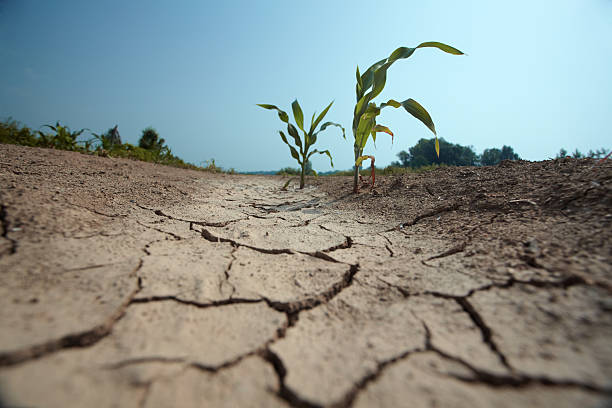
Once a flourishing hub of agriculture, Karakalpakstan has been transformed into one of the most perilous environments on Earth. Rampant health crises, including respiratory diseases, typhoid, tuberculosis, and cancer, plague its population. Birth defects and infant mortality rates are alarmingly high. The root of this devastation lies in the deliberate collapse of the Aral Sea, drained for irrigation, which has triggered toxic dust storms blanketing a 1.5 million square kilometer area. Carrying carcinogens and nitrates, these storms, once rare, now strike ten times per year, spreading sickness and despair.

The State Museum of Karakalpakstan; image: TCA, Stephen M. Bland

Amid this harsh and desolate landscape lies a surprising beacon of cultural preservation — the State Art Museum of the Republic of Karakalpakstan, located in its capital, Nukus. Its existence is extraordinary, not least because of how it came to be and how it has endured. Protected by the remoteness of the region, this museum safeguards one of the most remarkable collections of banned avant-garde art, amassed through the daring vision of Igor Savitsky. The Ukrainian-born painter, archaeologist, and art collector defied the Soviet regime, risking being labeled an enemy of the state, to rescue thousands of prohibited works. These pieces, forged by a forgotten generation of artists, now provide an extraordinary glimpse into a turbulent period of history.

Aleksandr Volkov, Chaikhana with a Portrait of Lenin; image: TCA, Stephen M.. Bland

Among the luminaries memorialized in the museum is Aleksandr Volkov, whose vibrant oil paintings brim with the energy and colors of Central Asian life. Born in Ferghana, his Cubo-Futurist style clashed sharply with Stalin’s Soviet ideals, leading to his ostracism as a bourgeois reactionary. Dismissed from his roles and expelled from Russian galleries, Volkov lived out his final years in isolation, banned from contact with the artistic community. Though he escaped the gulags, he was silenced until his death in 1957 under orders from Moscow. Volkov’s work, a symphony of geometric brilliance, survive today as a testament to his resilience.

Lev Galperin, On His Knees; image: TCA, Stephen M. Bland

Painted defiance is also seen in Lev Galperin’s surviving piece, On His Knees. A unique fusion of Dada and Cubism, it represents his bold challenge to Soviet authority. Galperin, a well-traveled artist from Odessa, returned to the Soviet Union in 1921 only to be ensnared. Arrested on Christmas Day in 1934 for his so-called counter-revolutionary art, his trial marked him as an outspoken critic of the regime. Sentenced to execution, his sole piece saved from oblivion speaks of his courage and the high cost of dissent.

Nadezhda Borovaya, Sawing Firewood; image: nukus.open-museum.net

The gallery also hosts haunting sketches by Nadezhda Borovaya, which vividly document life in the Soviet gulags. Borovaya’s tragedy began in 1938 when her husband was executed, after which she was exiled to the Temnikov camp. There, she clandestinely captured the harrowing realities of camp life. Savitsky acquired these pieces by obtaining funding after convincing party officials they depicted scenes from Nazi concentration camps, preserving Borovaya’s testimony.

More than a gallery, the State Art Museum in Nukus holds the stories of artists crushed yet remembered through their work. Despite being plagued by further political turbulence over the course of the last decade – purportedly for attracting attention to Karakalpakstan – against a backdrop of environmental catastrophe, it stands as a monument to the enduring spirit of art and resistance.