• KGS/USD = 0.01144 0%
  • KZT/USD = 0.00192 0%
  • TJS/USD = 0.10899 0%
  • UZS/USD = 0.00008 0%
  • TMT/USD = 0.28490 0%
  • KGS/USD = 0.01144 0%
  • KZT/USD = 0.00192 0%
  • TJS/USD = 0.10899 0%
  • UZS/USD = 0.00008 0%
  • TMT/USD = 0.28490 0%
  • KGS/USD = 0.01144 0%
  • KZT/USD = 0.00192 0%
  • TJS/USD = 0.10899 0%
  • UZS/USD = 0.00008 0%
  • TMT/USD = 0.28490 0%
  • KGS/USD = 0.01144 0%
  • KZT/USD = 0.00192 0%
  • TJS/USD = 0.10899 0%
  • UZS/USD = 0.00008 0%
  • TMT/USD = 0.28490 0%
  • KGS/USD = 0.01144 0%
  • KZT/USD = 0.00192 0%
  • TJS/USD = 0.10899 0%
  • UZS/USD = 0.00008 0%
  • TMT/USD = 0.28490 0%
  • KGS/USD = 0.01144 0%
  • KZT/USD = 0.00192 0%
  • TJS/USD = 0.10899 0%
  • UZS/USD = 0.00008 0%
  • TMT/USD = 0.28490 0%
  • KGS/USD = 0.01144 0%
  • KZT/USD = 0.00192 0%
  • TJS/USD = 0.10899 0%
  • UZS/USD = 0.00008 0%
  • TMT/USD = 0.28490 0%
  • KGS/USD = 0.01144 0%
  • KZT/USD = 0.00192 0%
  • TJS/USD = 0.10899 0%
  • UZS/USD = 0.00008 0%
  • TMT/USD = 0.28490 0%
14 December 2025

Kazakhstan Prepares for Flood Season by Releasing Water from Reservoirs

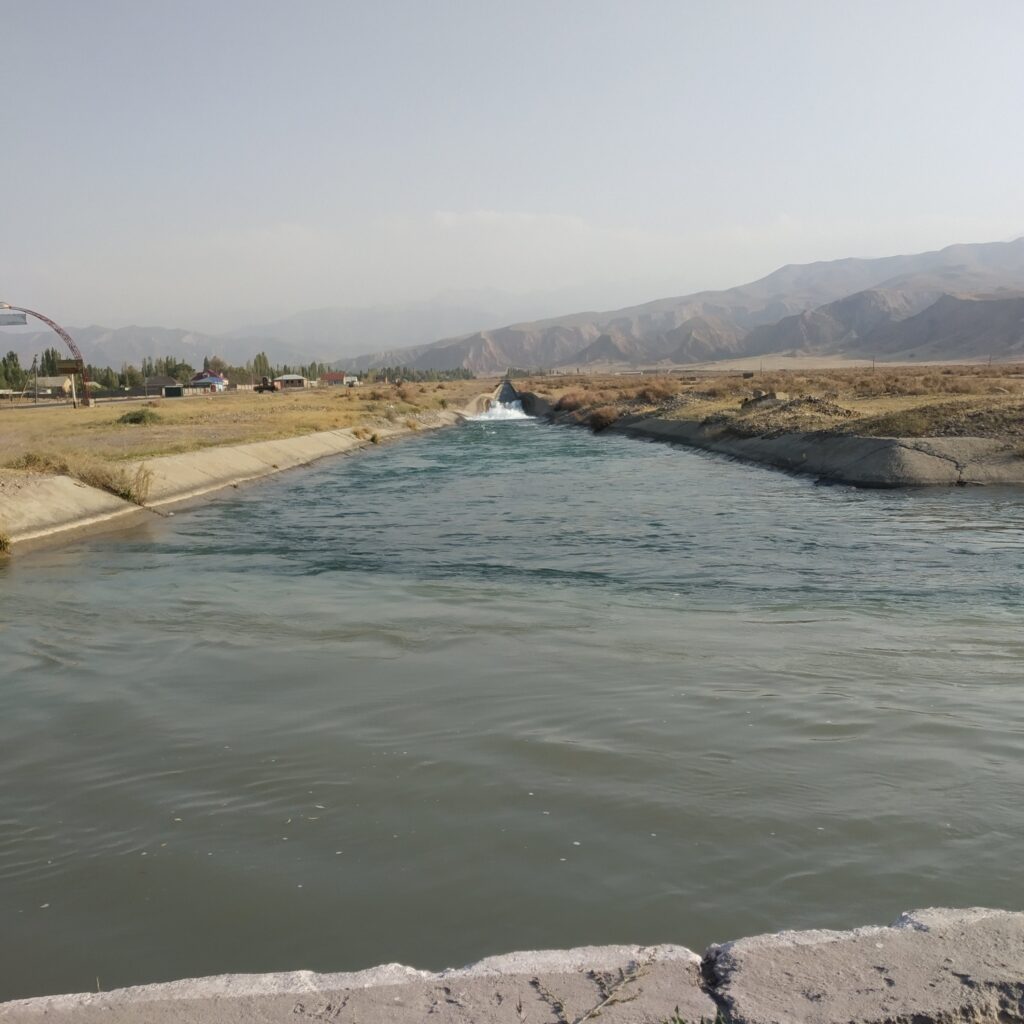
Kazakhstan’s Ministry of Water Resources and Irrigation (MWRI) has begun releasing water from key reservoirs across the country to prepare for the influx of meltwater expected during the spring thaw. This proactive measure follows the devastating floods of spring 2024, the worst in 80 years, which affected multiple regions and displaced over 120,000 people.

By pre-emptively releasing water from reservoirs, Kazakhstan hopes to mitigate the impact of the spring flood season. This preparation underscores the importance of coordinated water management to protect communities, agriculture, and infrastructure from the devastating effects of extreme weather events.

In early January, the MWRI held a meeting to discuss water management strategies for the upcoming flood season. Authorities have initiated controlled releases in reservoirs located in the west, east, north, and center of the country – regions hit hardest by last year’s flooding. These releases are designed to reduce water levels in preparation for spring meltwater.

  • Astana Reservoir: Between December 20, 2024, and January 3, 2025, 5.06 million cubic meters of water were released, lowering the reservoir to 83% of its total capacity. By April 1, its volume will be further reduced to 73% (300 million cubic meters).
  • Aktobe Reservoir: Currently holding 51 million cubic meters, this will be lowered to 47.32 million cubic meters by April.
  • Bitik Reservoir (West Kazakhstan): Discharging at 8.3 cubic meters per second, its volume has been reduced to 34.45 million cubic meters.
  • Bukhtarma Reservoir (East Kazakhstan): Now at 79% capacity, this will be reduced by another 8% by spring.
  • Yntymak Reservoir (Karaganda Region): Of its current 69 million cubic meters, only 39 million cubic meters will remain to accommodate floodwaters.
  • Kengir Reservoir (Ulytau Region): Reduced to 86% of capacity, it will be lowered by an additional 11%.
  • Upper Tobolsk Reservoir (Kostanay Region): Holding 585.4 million cubic meters, its volume will be reduced to 61% (499.37 million cubic meters) by April.

MWRI head Nurzhan Nurzhigitov emphasized the importance of strategic water management throughout the year. “In spring, it is critical not only to collect floodwaters in reservoirs but also to distribute them to lake systems, natural pastures, and meadows,” he said. Nurzhigitov urged regional authorities to plan for efficient water allocation, noting that during the previous irrigation period, farms received approximately 11 billion cubic meters of water. Efforts to restore and preserve both large and small reservoirs were also highlighted.

Last spring’s historic floods inundated regions in northern, western, eastern, and central Kazakhstan for nearly two months. Over 120,000 people were evacuated, with rescue efforts involving multiple government agencies, including the Ministries of Emergency Situations, Defense, and Internal Affairs, as well as local authorities and volunteers.

Despite extensive state aid, many citizens raised concerns about the allocation of resources, as previously reported by The Times of Central Asia.


Every Third Kazakhstani Works Informally or Hides Their Income

Approximately one-third of working Kazakhstanis are employed informally, lacking social guarantees, labor protections, and pensions. This is according to the research “Features of Labor Market and Employment in Kazakhstan” by Adam Research. The findings, analyzed by the Energyprom agency, shed light on the scope of informal employment in the country.

The survey revealed that 36.4% of respondents acknowledged working in the shadow economy. This figure is higher among men (37.6%) than women (34.9%). Informal employment is categorized into three main types:

  • Work without a labor contract: 16.6%
  • Shadow entrepreneurship: 13.6%
  • Part-time work without registration: 6.2%

Young people and retirees are disproportionately represented in these informal sectors.

The study, conducted via telephone survey of adults in all 17 regions of Kazakhstan, found that southern areas like the Turkestan and Almaty regions, along with Shymkent, had the highest rates of informal employment. Conversely, East Kazakhstan and Ulytau regions recorded the lowest rates.

Informal workers are often individuals with secondary education working outside their specialty. Their earnings vary widely:

  • Those without labor contracts typically earn up to 100,000 tenge ($190) per month.
  • Shadow entrepreneurs may earn over 600,000 tenge ($1,130).

Many struggle financially. Among respondents paid “in envelopes,” nearly 27% reported insufficient income for basic necessities.

The Bureau of National Statistics of Kazakhstan reported 1.2 million informally employed citizens in 2023. Of these:

  • 682,500 worked in legal enterprises without formal registration.
  • 473,200 were employed in the informal sector without patents or tax payments.

This group constitutes 12.8% of Kazakhstan’s total employed population.

Labor Minister Svetlana Zhakupova identified informal employment as the second most significant labor market challenge, after job scarcity. She highlighted discrepancies between official labor remuneration fund data and pension savings.

In 2023, the labor remuneration fund was valued at 38 trillion tenge, yet pension contributions accounted for only 20 trillion tenge. Additionally, labor remuneration makes up just 30% of Kazakhstan’s GDP, significantly lower than the OECD average of 50%. The largest discrepancies were observed in the trade, agriculture, and real estate sectors.

Aliyev Takes Aim at Russia in Azerbaijan Airlines Crash

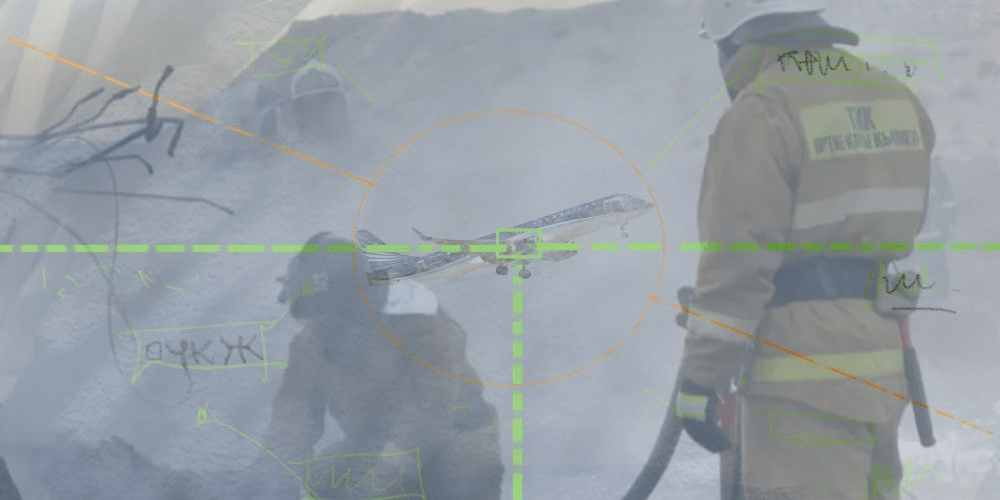
Azerbaijani President Ilham Aliyev has intensified his criticism of Russia, accusing it of a “cover-up” over the Azerbaijan Airlines plane which crashed near the Kazakh city of Aktau on December 25. During a televised address, Aliyev expressed Azerbaijan’s “surprise, regret, and righteous indignation” over what he described as “absurd” explanations for the crash. Departing from protocol, Aliyev delivered his address in Russian, a poignant choice that heightened the gravity of his message.

“I can confidently say that the guilt for the deaths of Azerbaijani citizens in this accident lies with the representatives of the Russian Federation,” Aliyev stated. “We demand justice, we demand punishment of the guilty, we demand complete transparency and humane treatment… If the city of Grozny had taken timely measures to close Russian airspace over its territory, if all the rules of ground services had been observed, and if there had been coordination between the armed forces and civil services of the Russian Federation, then this tragedy would not have happened.”

On Monday, Aliyev met with the two surviving flight attendants and the families of other crew members who perished, describing them as “heroes”.

The Flight Recorders

In a related development, Brazil has concluded its analysis of the black boxes from Azerbaijan Airlines Flight 8243. The Aeronautical Accidents Investigation and Prevention Center (CENIPA) confirmed that the findings were handed over to Kazakhstan’s Aviation Accident Investigation Department in line with international protocols for aircraft accident investigations. These results will contribute to the final report on the incident.

As previously reported by The Times of Central Asia (TCA), the incident led the Commission on Aviation Incident Investigation, headed by Kazakhstan’s Minister of Transport, Marat Karabayev, to decide to send the flight recorders to Brazil’s CENIPA. The investigation was conducted by three Brazilian specialists in collaboration with Azerbaijani and Russian experts.

Chronology of the Crash

The incident occurred on December 25, when an Embraer 190 aircraft operated by Azerbaijan Airlines crashed near Aktau on Kazakhstan’s Caspian Sea coast. The plane was flying between Baku, Azerbaijan, and Grozny, Russia. Of the 67 people on board, 38 were killed, and 29 were injured. The passengers included 37 Azerbaijani citizens, 6 Kazakhs, 3 Kyrgyz, and 16 Russians.

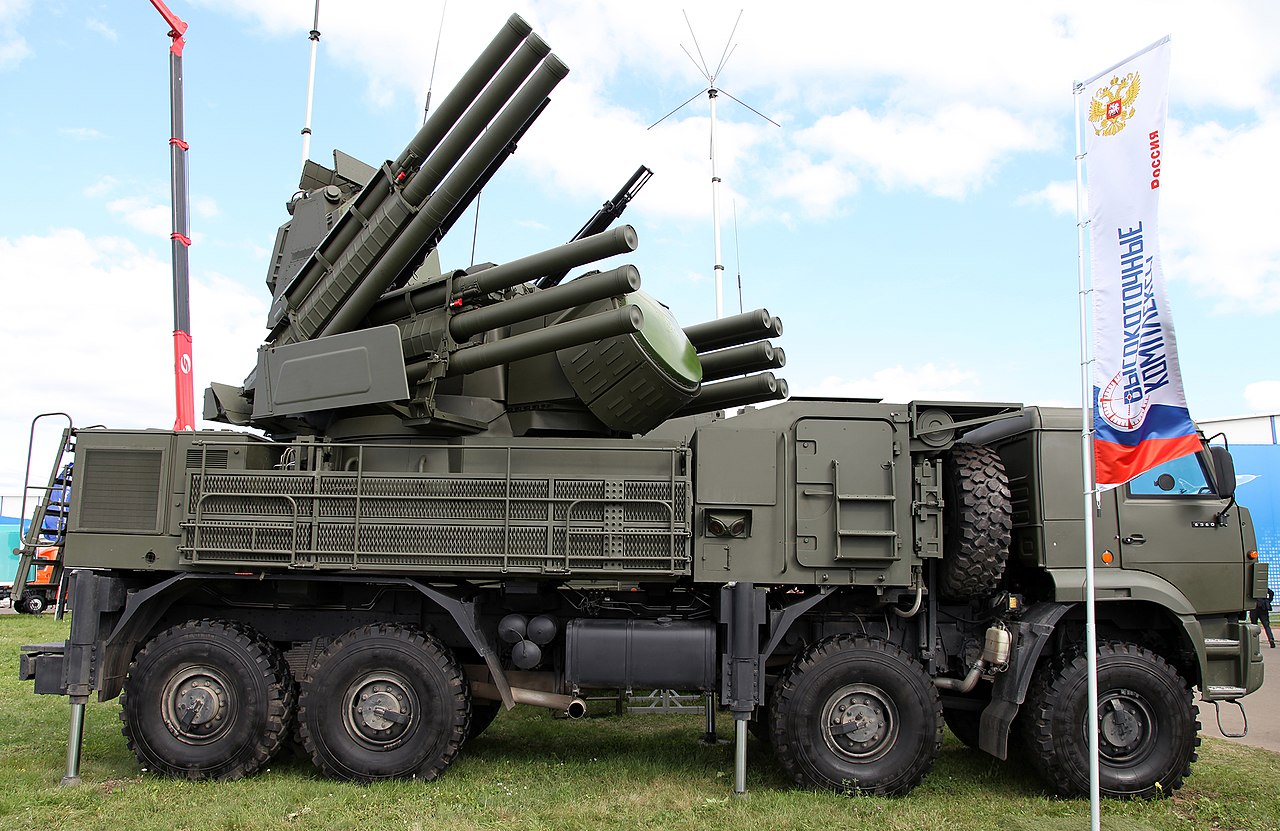
On December 26, video footage showing small holes in the fuselage wreckage sparked speculation about possible external damage. Aviation and military analysts suggested the holes might have been caused by air defense systems, given reports from the Chechen authorities about the shooting down of Ukrainian drones in the area. This raised concerns about the potential for misidentification.

Chechen Pantsir Missile Launcher; image: Vitaly V. Kuzmin

When asked about the possibility of external fire, Kazakh Minister Marat Bozumbayev emphasized that conclusions would only be drawn after all available evidence had been examined.

International Collaboration

The Azerbaijani government rejected the idea of a Russian-led investigation, opting instead for an international team of experts, including representatives from Embraer. The black boxes were sent to CENIPA on December 29.

The crash also prompted a temporary suspension of flights to Russia by several countries. On December 28, Russian President Vladimir Putin apologized for the incident, but did not acknowledge Russia’s responsibility. Azerbaijani President Ilham Aliyev addressed the incident in detail during a television interview, calling for transparency and emphasizing the need for a thorough investigation.

The findings from CENIPA represent a critical step in determining the cause of the disaster. The Kazakh Aviation Accident Investigation Department will now use the data to finalize its report. In the meantime, in the wake of the disaster, Azerbaijan and Russia appear to be drifting further apart.

Cabotage Transportation in Eurasia: Expanding Connectivity, or Creating Unequal Conditions?

Freight transportation by road is the most popular and versatile type of shipping due to its mobility, flexibility, and accessibility. This sector is expected to undergo significant changes in Kazakhstan and other member states of the Eurasian Economic Union (EAEU) starting in 2025. However, industry experts warn that these changes could lead to domestic market losses for Kazakhstani participants.

Starting January 1, 2025, transportation companies from EAEU member states will be allowed to carry out cabotage transportation — shipment of goods between two places in the same country — within Kazakhstan. This means that foreign carriers will be permitted to perform up to three domestic deliveries in the country following their international shipment. For example, a Russian truck delivering goods to Almaty may complete up to three cabotage shipments within Kazakhstan between cities over seven days on its return route.

However, experts suggest this measure could lead to domestic international road carriers losing their market share to foreign operators from Russia and Belarus, who are currently limited by sanctions.

According to Ivan Yanson, director of the representative office of the Union of International Road Carriers of the Republic of Kazakhstan in Astana, currently, Belarus has about 40,000 vehicles engaged in international freight transportation, and Russia has a similar number. Meanwhile, Kazakhstan’s fleet consists of approximately 15,000 trucks. This discrepancy in fleet size is a key factor influencing competitiveness.

Another critical issue is the average age of Kazakhstan’s fleet, which exceeds 20 years. However, high wear and tear and the need for modernization are hindered by the high cost of tractor-trailers, recycling fees, and registration charges, which are often unaffordable for Kazakhstani entrepreneurs. In light of this, local carriers have repeatedly proposed postponing the decision to open Kazakhstan’s market to cabotage.

Meanwhile, the development of cabotage in EAEU countries is part of the Union’s Transport Policy for 2024–2026. Lawmakers believe these measures aim to expand trade connections and attract new companies. They argue that cabotage liberalization will help reduce empty mileage for EAEU road carriers, thereby lowering freight transportation costs.

Kazakhstan’s Ministry of Transport also emphasizes that opening the cabotage market will not cause financial or other negative consequences for domestic businesses. According to Deputy Minister Maksat Kaliakparov, carriers will only be allowed to perform up to three consecutive domestic shipments within another EAEU member state using the same vehicle, ensuring equal access for all.

Currently, Kazakhstan is conducting internal procedures to amend its road transport legislation to align with the phased liberalization program for cabotage freight transportation, which began on January 1.

“These amendments to national legislation are expected to be adopted in the first half of this year,” stated a government representative. The anticipated outcomes include fostering competition in the road transport services market, modernizing the truck fleet, establishing uniform conditions and rules for freight transport services within the EAEU, improving vehicle efficiency for international freight transport, and reducing environmental impact by using modern vehicles.

Nevertheless, the effects of these legislative changes cannot be fully assessed until they are implemented. One thing is clear: the differences in working conditions and potential among international freight carriers from EAEU countries are significant. Kazakhstani market participants will need to continue reducing production costs and competing to retain their customers.

Explosion Near Kyrgyz-Tajik Border Leaves Two Injured

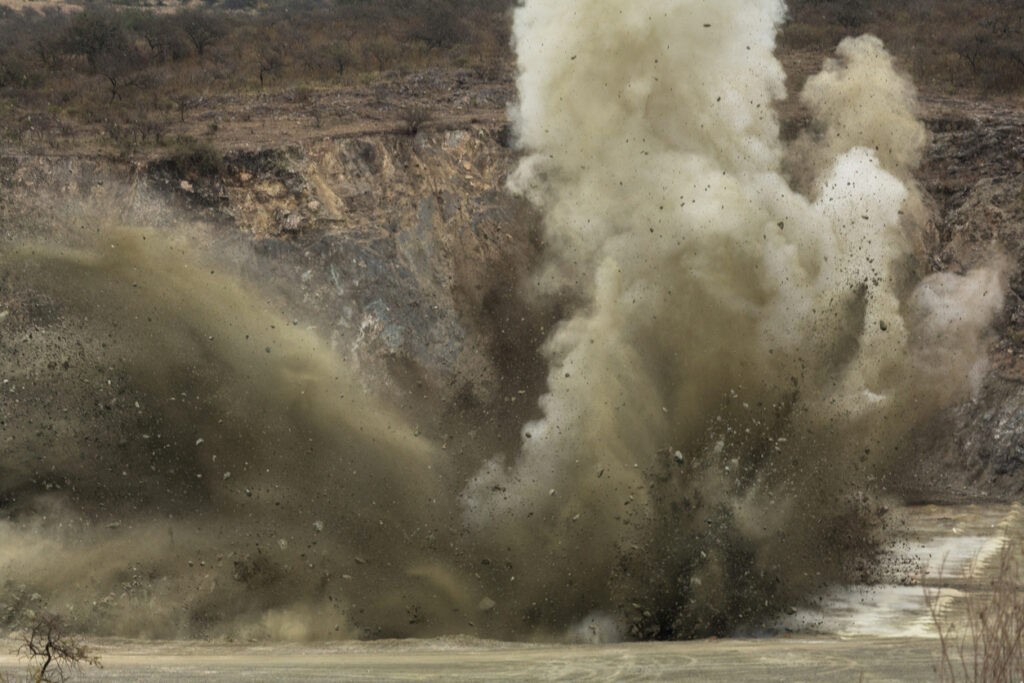
On January 5, an explosion occurred in the Kyrgyz village of Arka-2, near Kyrgyzstan’s border with Tajikistan. The incident was reported by the Information and Communications Department of the Border Service under the State Committee for National Security (SCNS).

According to preliminary investigations, the explosion happened while the homeowner, identified as N.A., was cleaning under his porch, where old construction materials and metal objects had been stored. During the cleaning, N.A. discovered an unknown explosive device, believed to be a shell, which then detonated.

The Border Guard Service noted that N.A.’s house had previously been damaged in 2022 as a result of shelling during cross-border clashes. The explosion left N.A. and his 12-year-old daughter, who was with him at the time, with shrapnel injuries. Both victims were taken to the hospital, where they received medical treatment and are now reported to be in stable condition.

Following the explosion, Border Patrol engineers quickly secured the area. Law enforcement officials have launched an extensive investigation to determine the origin and circumstances surrounding the device.

On the same day, a meeting was held between representatives of the law enforcement agencies of Kyrgyzstan and Tajikistan. The Tajik side was informed about the incident, and the border service issued a call for heightened vigilance among residents of border areas. Citizens were urged not to handle or investigate suspicious objects but to immediately report them to border units or law enforcement agencies.

The explosion highlights lingering risks in border regions between Kyrgyzstan and Tajikistan, which have been prone to tensions and periodic violence in recent years. Efforts to strengthen security and cooperation between the two countries remain critical in preventing further incidents and ensuring the safety of border communities.

Kyrgyzstan Aims to Integrate Cryptocurrencies with Licensed Crypto Banks

Kyrgyzstan’s Ministry of Economy and Commerce has submitted a draft law titled “On Amendments to Certain Legislative Acts of the Kyrgyz Republic in the Sphere of Virtual Assets” to the country’s parliament. The proposed legislation aims to establish licensed crypto banks to provide regulated banking services related to digital assets and cryptocurrencies.

The Ministry emphasized the urgency of integrating crypto assets into Kyrgyzstan’s financial system, citing the rapid growth of digital technologies and cryptocurrencies. In its commentary on the bill, the Ministry stated:

“Given the rapid development of digital technologies and cryptocurrencies, the creation of a crypto bank is an urgent necessity for the integration of crypto assets into the traditional financial system of the country. A crypto bank will ensure safe, regulated, and convenient interaction of citizens and businesses with cryptocurrencies.”

The Ministry identified several key goals for the proposed crypto bank:

  • To legalize and regulate the cryptocurrency market by establishing clear rules and standards.
  • To increase trust in crypto assets while ensuring the protection of users’ rights.
  • To mitigate risks of fraud and unauthorized access to funds.

The Ministry also highlighted the potential economic benefits of introducing a crypto bank. Legalizing cryptocurrency transactions would increase transaction volumes and boost tax revenues. Additionally, the initiative is expected to create new jobs in the fintech sector, positioning Kyrgyzstan as a regional hub for financial innovation.

Kyrgyzstan already taxes cryptocurrency mining, with a rate of 10% applied to electricity costs for mining activities. This rate includes VAT and sales tax. From January to November 2024, Kyrgyzstan collected 46.6 million KGS (approximately $537,000) in cryptocurrency mining taxes, nearly half the total collected in 2023, according to the Ministry of Finance.

While public interest in cryptocurrencies is growing among individuals and businesses in Kyrgyzstan, the market remains poorly regulated. The Ministry believes that a licensed crypto bank will address these challenges, increasing transparency, trust, and financial security. By adopting this legislation, Kyrgyzstan seeks to modernize its financial system and embrace emerging opportunities in the digital economy.