• KGS/USD = 0.01144 0%
  • KZT/USD = 0.00212 0%
  • TJS/USD = 0.10456 0.19%
  • UZS/USD = 0.00008 0%
  • TMT/USD = 0.28490 0%
  • KGS/USD = 0.01144 0%
  • KZT/USD = 0.00212 0%
  • TJS/USD = 0.10456 0.19%
  • UZS/USD = 0.00008 0%
  • TMT/USD = 0.28490 0%
  • KGS/USD = 0.01144 0%
  • KZT/USD = 0.00212 0%
  • TJS/USD = 0.10456 0.19%
  • UZS/USD = 0.00008 0%
  • TMT/USD = 0.28490 0%
  • KGS/USD = 0.01144 0%
  • KZT/USD = 0.00212 0%
  • TJS/USD = 0.10456 0.19%
  • UZS/USD = 0.00008 0%
  • TMT/USD = 0.28490 0%
  • KGS/USD = 0.01144 0%
  • KZT/USD = 0.00212 0%
  • TJS/USD = 0.10456 0.19%
  • UZS/USD = 0.00008 0%
  • TMT/USD = 0.28490 0%
  • KGS/USD = 0.01144 0%
  • KZT/USD = 0.00212 0%
  • TJS/USD = 0.10456 0.19%
  • UZS/USD = 0.00008 0%
  • TMT/USD = 0.28490 0%
  • KGS/USD = 0.01144 0%
  • KZT/USD = 0.00212 0%
  • TJS/USD = 0.10456 0.19%
  • UZS/USD = 0.00008 0%
  • TMT/USD = 0.28490 0%
  • KGS/USD = 0.01144 0%
  • KZT/USD = 0.00212 0%
  • TJS/USD = 0.10456 0.19%
  • UZS/USD = 0.00008 0%
  • TMT/USD = 0.28490 0%

Uzbekistan and Russia Hold First Meeting on Labor Migration and Migrant Rights

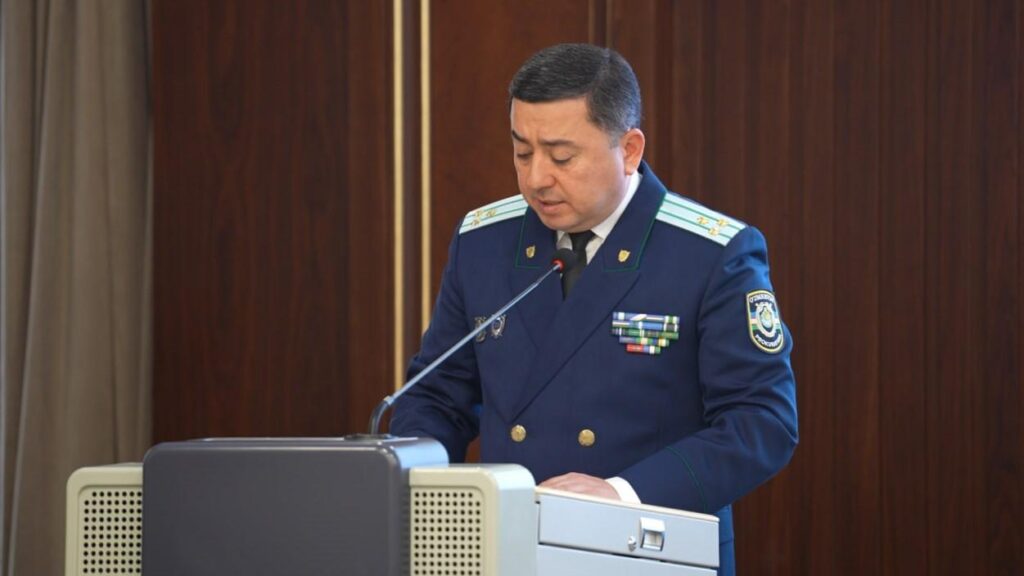
On April 29, an interagency delegation from Uzbekistan visited Moscow for the inaugural session of the Uzbekistan–Russia working group on labor migration and migrant rights. The Prosecutor General’s Office of Uzbekistan reported that the delegation was led by Uzbekistan’s Deputy Prosecutor General Shohrukh Aminov.

The Russian delegation was headed by Deputy Prosecutor General Pyotr Gorodov and included representatives from the Prosecutor General’s Office, the Federal Security Service, and the Ministries of Foreign Affairs and Internal Affairs.

Uzbekistan’s delegation comprised officials from the Prosecutor General’s Office, the State Security Service, the Migration Agency, and the Ministries of Foreign Affairs, Internal Affairs, and Health.

During the meeting, the two sides discussed the current state of labor migration, identified ongoing challenges, and explored potential solutions. They agreed to develop joint measures to regulate legal migration while balancing the interests of both countries.

The delegations also agreed to strengthen oversight of the rights of Uzbek citizens working in Russia and Russian citizens visiting Uzbekistan. Both countries’ Prosecutor General’s Offices pledged to closely monitor the protection of migrant rights.

At the conclusion of the meeting, a protocol was signed outlining the decisions made. The implementation of these agreements will be jointly monitored by both Prosecutor General’s Offices.

The session followed Russian Foreign Minister Sergey Lavrov’s recent visit to Uzbekistan, during which he stressed the importance of migrants understanding Russian laws and language. While warning of an increase in migrant-related crime, he also acknowledged Russia’s ongoing need for foreign labor.

Kazakhstan to Import Electricity from Tajikistan to Address Energy Shortages

Kazakhstan and Tajikistan have signed an agreement on long-term cooperation in the energy sector. The agreement will remain in effect for 20 years, with the possibility of a 10-year extension. The document aims to strengthen energy security, promote environmentally friendly technologies, and reduce greenhouse gas emissions.

Monitoring and telemetry

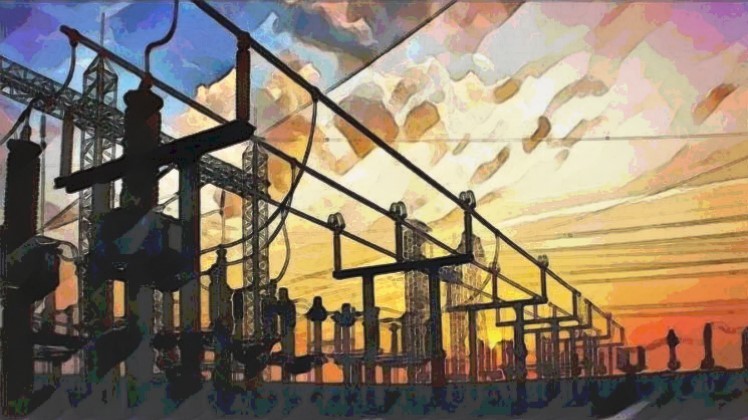
Under the agreement, Kazakhstan will receive scheduled electricity supplies from Tajikistan, particularly from the Rogun Hydroelectric Power Plant (HPP). These imports are intended to cover planned shortages in the North-South zone of Kazakhstan’s unified power system. The price is set at $0.034 per kilowatt-hour (kWh), including VAT at a zero rate.

The agreement also includes the introduction of hourly electricity metering at connection points between Kazakhstan’s and Central Asia’s power grids, as well as along the Tajik border. Kazakhstan’s system operator, KEGOC JSC, will receive real-time telemetry data from Tajikistan via interstate transmission lines to ensure accurate metering and efficient coordination.

Electricity deliveries will follow the routes specified in the purchase agreements. The primary source will be the Rogun HPP, with supplies timed to match Kazakhstan’s peak shortage periods.

A long-awaited step

Energy cooperation between the two countries has been under discussion for some time. In August 2024, former Kazakh Energy Minister Almasadam Satkaliev held talks on importing electricity from Tajikistan. These discussions also addressed the issue of unscheduled electricity flows between their power grids.

By December 2024, plans were already in place to finalize a 20-year agreement. In February 2025, the deal was confirmed during talks between Kazakhstan’s Foreign Minister Murat Nurtleu and his Tajik counterpart, Sirojiddin Mukhriddin.

“We agree that Tajik-Kazakh energy cooperation has broad prospects. We have agreed that an intergovernmental agreement on electricity will be signed in the very near future,” the Tajik foreign minister said at the time.

The potential of the Rogun HPP and prospects for Kazakhstan

A key element of the agreement will be the Rogun hydroelectric power plant on the Vakhsh River. Once completed, its dam will reach a height of 335 meters, making it the tallest in the world. The power plant will have a capacity of 3,600 MW, making it the largest power plant in Central Asia. This makes the project strategically important not only for Tajikistan but for the entire region.

The official website of the Rogun HPP states that the facility will be the upper stage of the Vakhsh cascade and will play a key role in ensuring sustainable energy supplies.

The agreement is expected to not only enable Kazakhstan to stabilize its energy balance during peak loads, but also open up new opportunities for cross-border cooperation. With the growing demand for green energy, the strategic alliance with Tajikistan could become an important element of the country’s energy transition.

The resolution enters into force on the day of its signing and effectively launches an intergovernmental mechanism capable of strengthening Kazakhstan’s energy security for decades to come.

UN Backs Earthquake Victims Day, Highlighting Uzbekistan’s Seismic History

On April 29, the United Nations General Assembly officially declared a new international observance — the International Day in Memory of the Victims of Earthquakes. The initiative, jointly proposed by Chile, the Philippines, and Uzbekistan, received widespread support from UN member states. The day will be commemorated annually to honor the victims of past earthquakes and raise awareness about seismic risks and disaster preparedness.

Earthquakes remain among the deadliest natural disasters in human history, responsible for massive destruction and loss of life. Most recently, on March 28, a powerful earthquake in Myanmar claimed more than 3,700 lives. In Turkey and Syria, millions are still recovering from the devastating earthquakes of 2023, which killed over 55,000 people.

Uzbekistan’s Permanent Representative to the United Nations, Ulugbek Lapasov, stated that the declaration is not only a tribute to victims but also a global call to action. “We thank all member states who supported the resolution, as well as the United Nations Office for Disaster Risk Reduction for their help,” he stated.

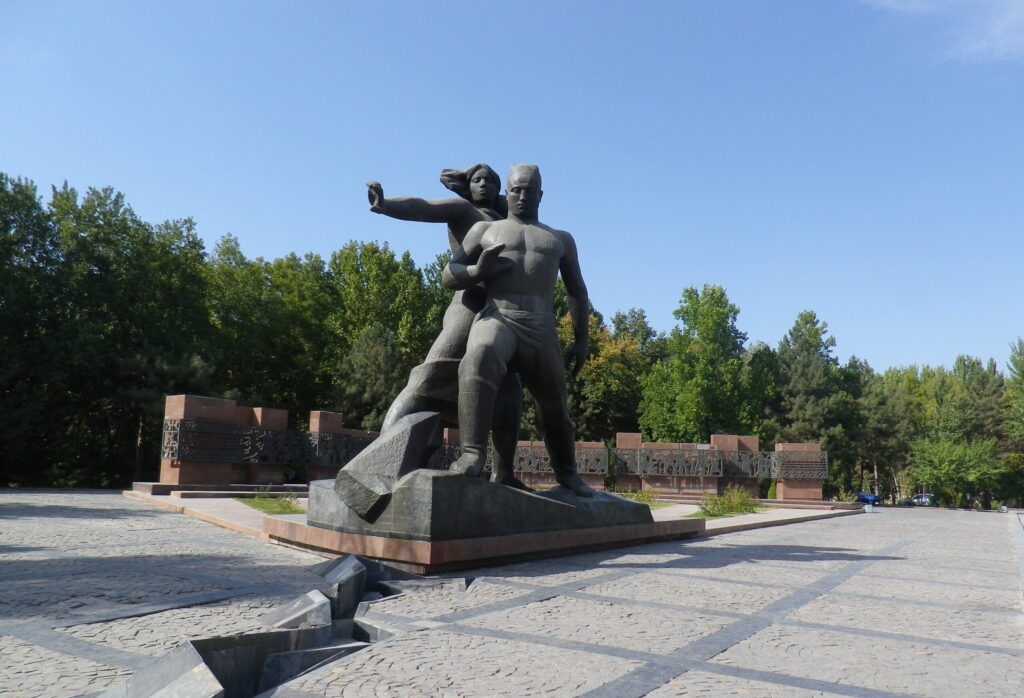
Uzbekistan has itself experienced devastating earthquakes. One of the most significant occurred in the early morning of April 26, 1966, when a powerful earthquake struck the capital city of Tashkent. The disaster left 300,000 people homeless and caused severe damage to homes, schools, hospitals, and factories. Eight people were killed, and about 150 were injured.

Important documents and photographs from the 1966 disaster are preserved in the Central State Archive of Tashkent.

Located in a seismically active region, Tashkent has a long history of earthquakes. Historical sources, including the writings of 19th-century historian Muhammad Solih, document earlier seismic events, such as the destructive earthquake of April 1866, which caused widespread damage to mosques and homes and many deaths.

The city’s history of resilience lives on today. Many of Tashkent’s buildings, decorated with colorful mosaics, were built during the post-earthquake reconstruction.

Video: From Hardship to Accomplishment – Meet the Kazakh Woman Supporting Female STEM Students

Kalmakhanova Marzhan Seitkyzy is a young professor in Kazakhstan supporting female students in the fields of science, technology, engineering, and mathematics (STEM), offering guidance and helping them navigate the realities of research work. Watch her story:

Kazakhstan to Fund Health Insurance for Over A Million Unemployed Citizens

Beginning in 2026, more than one million unemployed and vulnerable citizens in Kazakhstan will be covered by the country’s compulsory medical insurance system (CMIS). Health Minister Akmaral Alnazarova announced that local and regional budgets will assume responsibility for insurance contributions on their behalf.

Expanding Access to Medical Coverage

Kazakhstan’s current health insurance model requires employed citizens to contribute 2% of their monthly salary, capped at 17,000 KZT (approximately $33), to the Fund for Social Medical Insurance (FSMI). Employers pay an additional 3% of each employee’s salary, while individual entrepreneurs contribute 5% of their income. However, unemployed citizens, even if officially registered, are presently excluded from the system.

In response to a directive issued by President Kassym-Jomart Tokayev in February 2024, the Ministry of Health has drafted legislation that would enable local governments to make insurance payments for unemployed and vulnerable groups. The bill was submitted to the Mazhilis, the lower house of parliament, for consideration.

“This is a step towards improving people’s health and quality of life,” Alnazarova said. “Local budgets will cover the contributions, and these individuals will receive insured status on a monthly basis, regardless of income.” The change is expected to extend coverage to over one million additional citizens, granting them access to scheduled medical care.

Systemic Reforms and Contribution Cap Adjustment

The ministry also proposes raising the upper limit for contribution calculations from 10 to 50 times the minimum monthly wage. As of 2025, one minimum wage is 85,000 KZT (approximately $165), making the new cap 4.25 million KZT (around $8,100). The adjustment would impact approximately 9% of employees, roughly 508,000 individuals, and their employers.

“In global practice, income limits are not applied. In our country, high-income earners currently pay proportionally less than others,” Alnazarova explained, justifying the reform as a measure toward fairness and sustainability.

Parliamentary Scrutiny of the Insurance Fund

The draft legislation has revived long-standing criticism of the FSMI’s governance. During recent Mazhilis debates, MP Murat Abenov accused the fund of lacking transparency and accountability.

“The SMIF checks itself, allocates funds itself, concludes contracts itself, and determines violations itself. Many infractions go unnoticed by both ministries and the public. If not for the Supreme Audit Chamber, we wouldn’t even know that billions are being embezzled,” Abenov stated during a parliamentary session.

This follows earlier opposition by several MPs to a proposed 10% tax hike on medicines and healthcare services during discussions surrounding the new Tax Code.

Kyrgyzstan Triples Blood Donation Compensation to Boost Supplies

The Kyrgyz government has tripled financial compensation for blood donors in a move aimed at securing adequate blood supplies for hospitals nationwide. The decision marks the first increase in donor payments since 2009.

According to a government statement, the new policy is designed to promote blood donation, enhance the quality of medical care, and ensure consistent availability of blood and its components for hospitalized patients. “Despite technological advances, donated blood and its components remain an indispensable national resource,” officials noted.

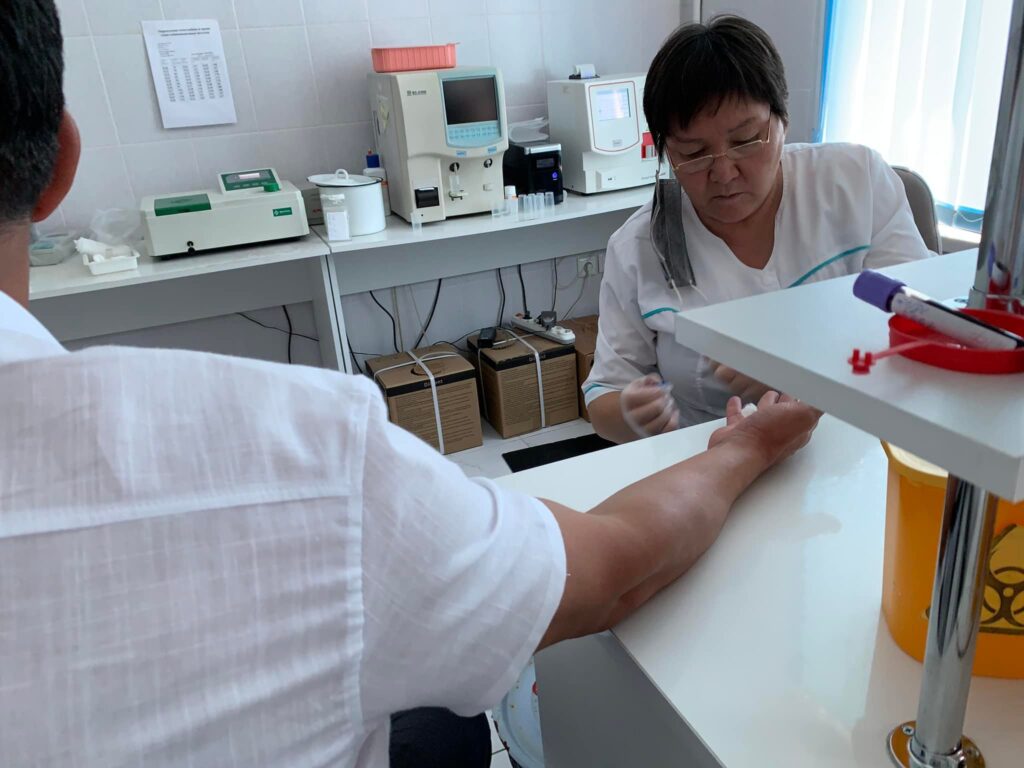
Under the updated compensation scheme, blood donors will now receive 800 Kyrgyz som, or approximately $9-10, in addition to a free meal on the day of donation. This represents a significant increase from the previous 300 KGS ($3-4). Double immune plasma donations will now be compensated at 1,600 KGS (about $18).

Meeting Demand, Especially in Emergencies

Representatives of the Republican Blood Center told The Times of Central Asia that while there is generally an adequate supply of blood across the country, occasional shortages occur, particularly with rare blood types and negative Rhesus factors. In such cases, hospitals may issue public appeals via media outlets to solicit donations.

“At the moment, we are meeting the needs of all patients. However, certain blood types remain in limited supply. These are usually rare groups with a negative Rhesus factor,” a spokesperson from the center said. “The increased compensation is not only to encourage more people to donate but also to support their health. Donors need to eat well on the day they give blood, and proper nutrition supports faster recovery.”

The center publishes up-to-date data on blood availability by region on its official website.

Funding for the enhanced donor compensation is being drawn from the state budget, with additional support from a dedicated special account for blood donation programs.