• KGS/USD = 0.01144 0%
  • KZT/USD = 0.00196 -0%
  • TJS/USD = 0.10899 -0%
  • UZS/USD = 0.00008 -0%
  • TMT/USD = 0.28490 0%
  • KGS/USD = 0.01144 0%
  • KZT/USD = 0.00196 -0%
  • TJS/USD = 0.10899 -0%
  • UZS/USD = 0.00008 -0%
  • TMT/USD = 0.28490 0%
  • KGS/USD = 0.01144 0%
  • KZT/USD = 0.00196 -0%
  • TJS/USD = 0.10899 -0%
  • UZS/USD = 0.00008 -0%
  • TMT/USD = 0.28490 0%
  • KGS/USD = 0.01144 0%
  • KZT/USD = 0.00196 -0%
  • TJS/USD = 0.10899 -0%
  • UZS/USD = 0.00008 -0%
  • TMT/USD = 0.28490 0%
  • KGS/USD = 0.01144 0%
  • KZT/USD = 0.00196 -0%
  • TJS/USD = 0.10899 -0%
  • UZS/USD = 0.00008 -0%
  • TMT/USD = 0.28490 0%
  • KGS/USD = 0.01144 0%
  • KZT/USD = 0.00196 -0%
  • TJS/USD = 0.10899 -0%
  • UZS/USD = 0.00008 -0%
  • TMT/USD = 0.28490 0%
  • KGS/USD = 0.01144 0%
  • KZT/USD = 0.00196 -0%
  • TJS/USD = 0.10899 -0%
  • UZS/USD = 0.00008 -0%
  • TMT/USD = 0.28490 0%
  • KGS/USD = 0.01144 0%
  • KZT/USD = 0.00196 -0%
  • TJS/USD = 0.10899 -0%
  • UZS/USD = 0.00008 -0%
  • TMT/USD = 0.28490 0%
08 December 2025

Kazakhstan Offers Neutral Ground for Peace Talks, Says Deputy Minister Vassilenko

Kazakhstan’s Deputy Minister of Foreign Affairs, Roman Vassilenko, has expressed hope for ending global conflicts, reiterating Kazakhstan’s readiness to provide a platform for dialogue. Vasilenko made the remarks at the World Policy Conference held in Abu Dhabi.

“I am an optimist by nature and hope that wars will stop. This applies to the ongoing conflicts in Ukraine and the Middle East,” Vasilenko said in an interview.

The Deputy Minister underscored Kazakhstan’s neutral stance, highlighting the country’s balanced diplomatic relations with Russia and Western nations. “We hope that by the end of this year or possibly next year, Armenia and Azerbaijan will sign a peace treaty. We have offered to host this event in Kazakhstan,” Vasilenko stated.

Vasilenko also emphasized the European Union’s significance in Kazakhstan’s economic development and international partnerships.

“The EU is our largest trade partner and investor. It is the largest market for Kazakhstani oil and a vital source of technology and investment. We are collaborating with the EU to develop the Middle Corridor, a trade route connecting Central Asia with Europe via the Caspian Sea and the South Caucasus. Progress has already been made. For instance, over the next three years, we aim to quadruple the volume of cargo transported along this route,” he noted.

Kazakhstan continues to position itself as a bridge between dialogue and cooperation, leveraging its strategic geographic location and balanced foreign policy.

How Kazakhstan and Uzbekistan Anchor a Strategic Middle-Power Hub in Central Asia

Kazakhstan and Uzbekistan are driving Central Asia’s global significance. Together, they are turning Central Asia into a strategic middle-power hub. The two countries increasingly act as central nodes in a region key to global supply chains and, inevitably, geopolitical competition. However, they are not merely reactive to changes around them, but are highly dynamic.

What does it mean to say that the region is emerging as a strategic middle-power “hub”? The notion of a hub extends beyond the national profiles of the two principals, Kazakhstan and Uzbekistan, to include the aggregation of collective influence. Central Asia is recognized as a cohesive entity in global forums. Kazakhstan’s energy wealth combines with Uzbekistan’s demographic strength, creating an influential synergy beneficial to the entire region.

The interplay between their respective strengths allows them to amplify Central Asia’s voice in international institutions and negotiations collectively. By integrating their regional strategies within global frameworks — such as the Organization of Turkic States (OTS), the Shanghai Cooperation Organization (SCO), and the Conference on Interaction and Confidence Building Measures in Asia (CICA) — Kazakhstan and Uzbekistan enhance the region’s geopolitical relevance.

Kazakhstan, for example, has successfully advocated for the Trans-Caspian International Transport Route (TITR, also called the “Middle Corridor”). This transcontinental trade route is emerging as a lynchpin in Eurasian logistics, connecting China to Europe via the Caspian Sea. Uzbekistan, for its part, has emphasized the integration of transport and energy infrastructure. These initiatives align with the broader vision of a unified Central Asia.

The leadership of Kazakhstan and Uzbekistan has reinforced the region’s collective identity as the “C5” group, also including Kyrgyzstan, Tajikistan, and Turkmenistan. This regional bloc has become a diplomatic focal point for major powers like the United States, China, Germany, and Japan. All of them engage with Central Asia through structured consultations within the C5 framework. These meetings have given the region traction in international diplomacy.

The elevation of the C5 group reflects the region’s new prominence. The United States engages with the C5 on issues ranging from regional security to sustainable development, emphasizing its commitment to a secure and prosperous Central Asia. China’s cooperation under the C5+1 mechanism complements its transcontinental infrastructure initiatives. Germany focuses on sustainable energy and governance, while Japan prioritizes infrastructure and technology transfers.

Kazakhstan and Uzbekistan together have over two-thirds of the region’s gross domestic product and two-thirds of its population. Kazakhstan’s vast natural resources undergird its economic influence, while its geographic expanse (as the ninth-largest country in the world) makes it central to major connectivity initiatives. Through President Kassym-Jomart Tokayev’s nuanced foreign policy, Kazakhstan has adeptly balanced relationships with major powers, ensuring that it remains a key partner for Russia, China, and the European Union.

Uzbekistan has surged to prominence through its ambitious domestic reforms and proactive engagement for regional cooperation under the leadership of President Shavkat Mirziyoyev, who has implemented market liberalization measures attracting foreign investment and reinvigorating its economy. As the most populous country in Central Asia, Uzbekistan is an indispensable actor in regional affairs. Uzbekistan’s strategic geographic position between Central and South Asia also enables it to play a key role in emerging connectivity projects linking Central Asia’s resources to South Asia’s burgeoning markets.

The challenges to this strategic middle-power hub are multifaceted. Coordination between Kazakhstan and Uzbekistan is essential but not always straightforward, as national interests and priorities occasionally diverge. Moreover, the region remains subject to external pressures from major external powers, each of which seeks to shape Central Asia in alignment with its own strategic goals. Gaps in infrastructure connectivity among the Central Asian states and economic disparities between them also pose obstacles to realizing the region’s full potential.

Despite these challenges, there are immense opportunities for Kazakhstan and Uzbekistan to consolidate Central Asia’s role as a strategic middle-power hub. Their collaboration, coupled with the broader C5 framework, is starting to transform the region into a key player in global geopolitics. This development holds the potential for influencing economic and political outcomes far beyond the borders of Central Asia. If Kazakhstan and Uzbekistan continue to act together as stabilizers and connectors, they can ensure that Central Asia will not only survive as a collective project but, moreover, thrive as one.

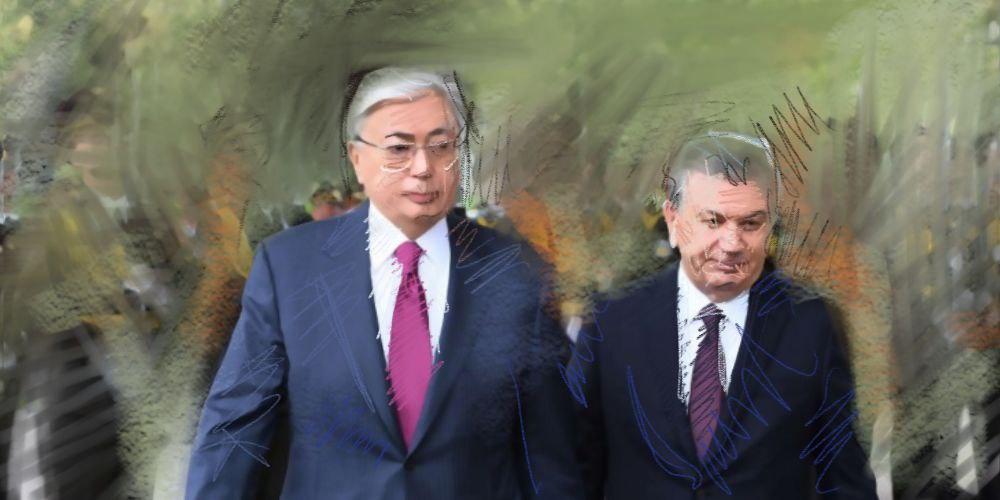
Central Asia, under the joint leadership of Tokayev and Mirziyoyev is evolving into a geostrategic bridge, a critical interface among larger powers and regions, not on the periphery but central to the intersections of global geopolitical and economic currents. Kazakhstan’s infrastructure and energy exports link Russia, China, and Europe, while Uzbekistan’s outreach to South Asia and the Middle East broadens the region’s connectivity.

That bridging function is not simply geographic, but also political and economic. As nonaligned actors in an increasingly polarized world, Kazakhstan and Uzbekistan provide platforms for dialogue and cooperation, serving as intermediaries that facilitate interaction among competing global interests.

Afghanistan’s Electricity Restored Following Supply Issues from Uzbekistan and Turkmenistan

The Afghan Power Supply Company, Da Afghanistan Breshna Sherkat (DABS), recently announced disruptions in electricity imports from Uzbekistan and Turkmenistan. This has left many regions in darkness and sparked public dissatisfaction over the lack of a reliable power supply.

The interruptions stemmed from technical problems on the Uzbek side and hurricane-related issues in Turkmenistan. Uzbek authorities confirmed that they were working to resolve the issue swiftly.

On December 15, DABS confirmed that the technical issues had been resolved and normal electricity supply from both Uzbekistan and Turkmenistan had been fully restored.

Afghanistan relies heavily on electricity imports from neighboring countries, particularly Uzbekistan. In 2023, Uzbekistan extended its contract to export electricity to Afghanistan, underscoring the continued energy partnership between the two nations.

In earlier discussions, Afghanistan offered Uzbekistan opportunities to invest in its natural resources, including oil, gas, and copper deposits in the provinces of Ghazni and Herat, along with the potential to establish mineral processing plants.

U.S., Uzbek Think Tanks Agree to Work Together

Two prominent research centers in Uzbekistan and the United States plan to collaborate on joint projects.

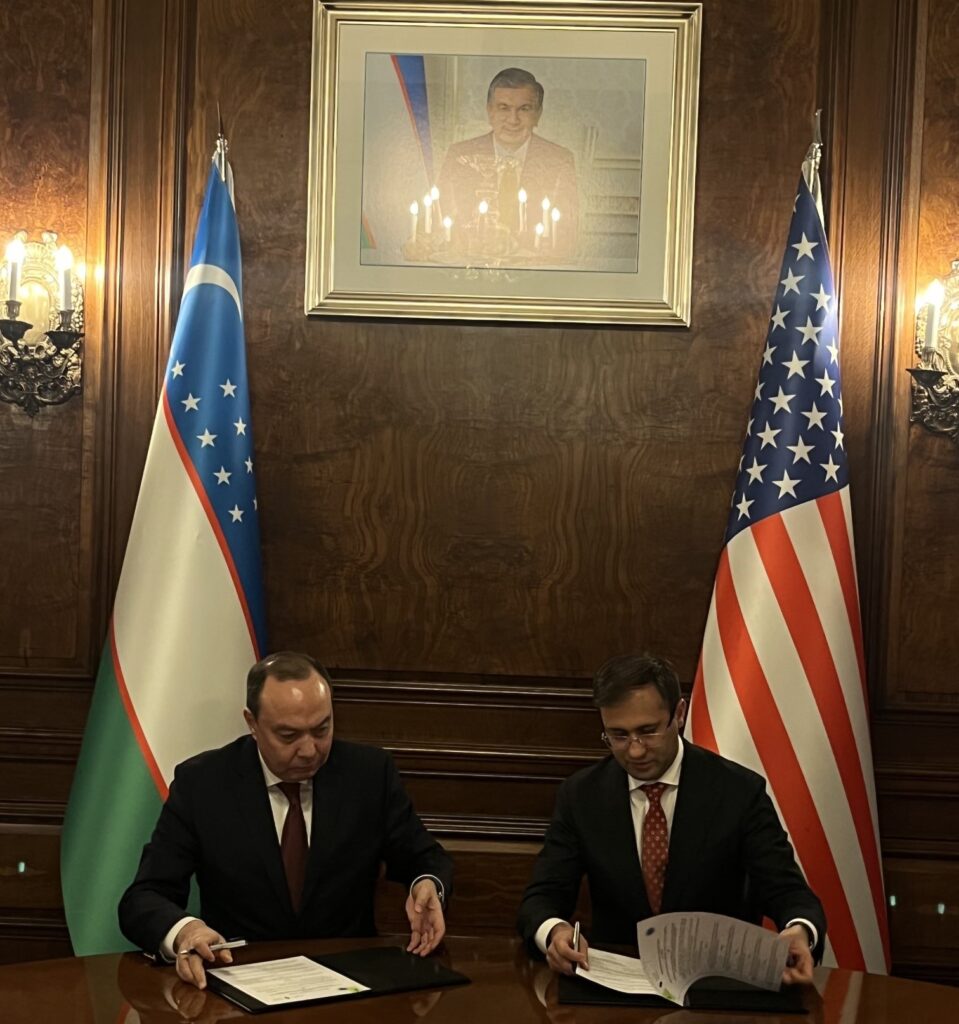
The Washington-based Caspian Policy Center and Uzbekistan’s state-backed Institute for Strategic and Regional Studies signed a “strategic partnership agreement” and look forward to “fruitful joint work,” Caspian Policy Center CEO Efgan Nifti said on X.

Furqat Sidiqov, Uzbekistan’s ambassador to the U.S., said the agreement would help to foster ties between the two countries through research and dialogue.

Founded in 2016, the nonprofit Caspian Policy Center focuses on economic, political, energy and security issues in the Caspian region. The Uzbek institute started in 1992 under a presidential decree.

Last week, Eldor Aripov, director of the Institute for Strategic and Regional Studies, met leaders of top research groups in Washington. Among the topics they discussed were economic and other reforms in Uzbekistan that open “great opportunities for expanding the presence of American business in the Uzbek market,” the institute said.

The leaders also discussed U.S. foreign policy priorities, including in Central Asia, and noted “successful cooperation” in the so-called C5+1 talks format that includes Uzbekistan, Kyrgyzstan, Kazakhstan, Tajikistan, Turkmenistan and the United States, according to the institute. It said the format helped to coordinate efforts “to strengthen regional trade, develop transport and energy links, combat environmental challenges, and counter extremism.”

Marked by Tragedy: Why Kazakhstan’s Independence Day Is a Day of Reflection

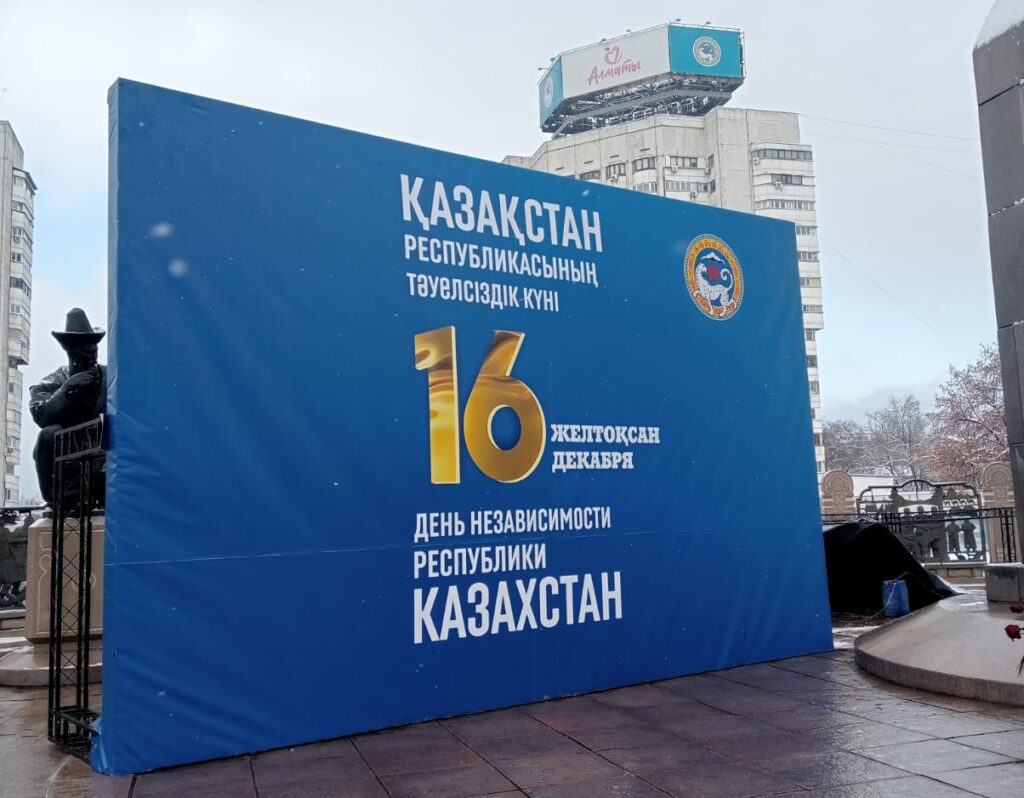
On December 16, Kazakhstan marks Independence Day, commemorating the adoption of the Law on Independence and State Sovereignty of the Republic of Kazakhstan in 1991. Until 2022, the country observed this holiday over two days – December 16 and 17 – but recent legislative changes have reduced the celebration to a single day.

The amendments to the Law on Holidays in the Republic of Kazakhstan, adopted in September 2022, redefined the country’s official holidays. Republic Day on October 25 regained its national holiday status, while December 1 – Day of the First President – was removed as a public holiday. Independence Day, while still classified as a state holiday, was given a more somber tone, with official emphasis placed on honoring the sacrifices that paved the way to sovereignty.
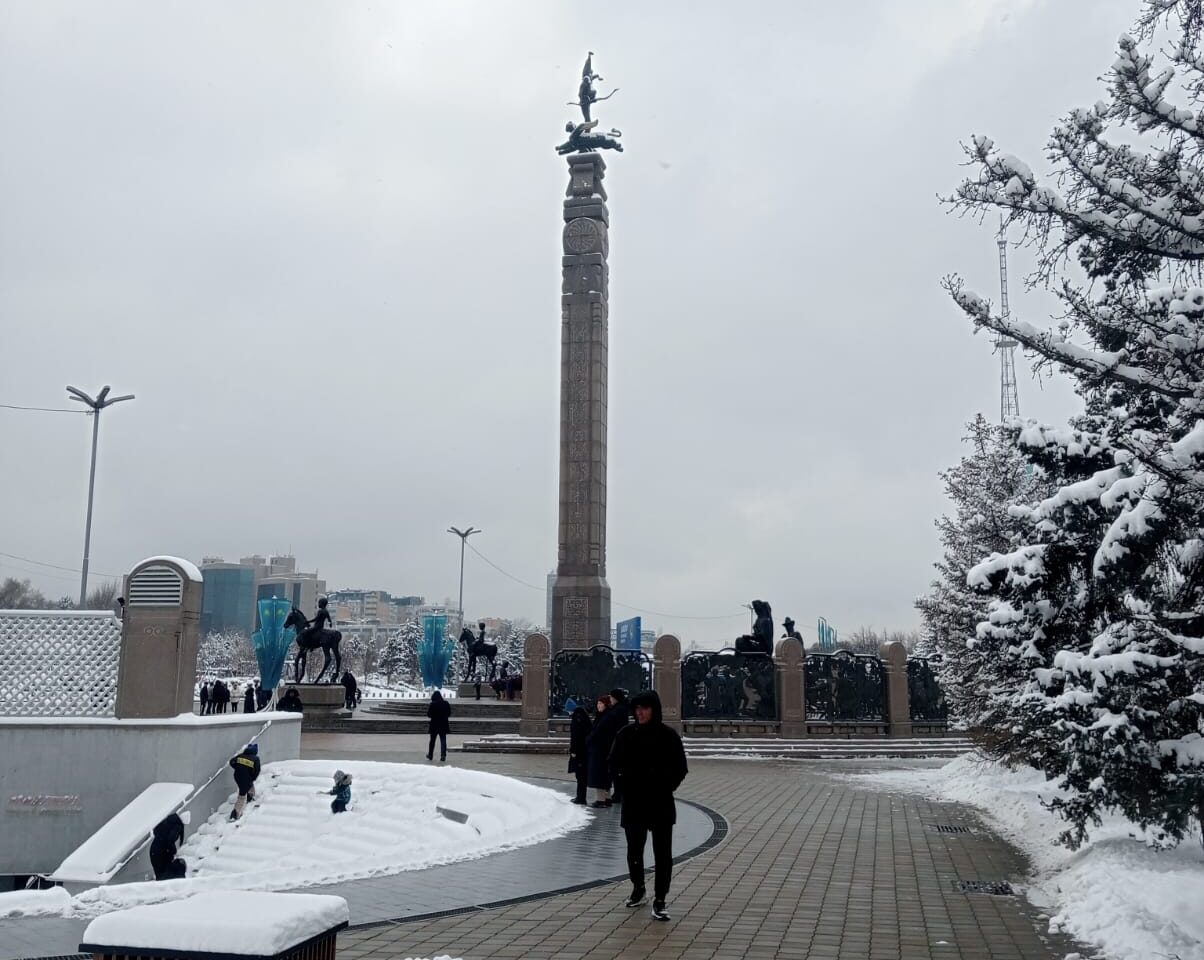
@TCA, Askar Kubaizhanov
Independence monument

From Republic Day to Independence Day

The roots of Republic Day lie in Kazakhstan’s Declaration of State Sovereignty, adopted on October 25, 1990, as the Soviet Union was nearing its collapse. The declaration symbolized Kazakhstan’s first step toward independence. However, following the country’s full independence in 1991, December 16 became the primary national holiday. Republic Day lost its significance in 2009 but was reinstated as a national holiday in 2022.

President Kassym-Jomart Tokayev, in his proposal to restore Republic Day, emphasized its role as the foundation of Kazakhstan’s independence journey. He suggested that Independence Day, while significant, should serve as a time for mourning and remembrance to honor those who contributed to the country’s sovereignty.

@TCA, Askar Kubaizhanov

The Legacy of December 1986: Zheltoksan Protests

December 16 carries weighty historical significance for Kazakhstan. On this day in 1986, protests erupted in Alma-Ata (now Almaty) after Moscow appointed Gennady Kolbin – a Soviet official with no prior ties to Kazakhstan – as head of the Kazakh SSR. Young Kazakh protesters demanded the application of the Korenization principle, which advocated for local leadership in Soviet republics.

The protests, often viewed as a precursor to Kazakhstan’s independence movement, were violently suppressed by Soviet authorities. The operation reportedly codenamed “Blizzard,” was designed to provoke unrest and then crush it through bloodshed. Controversially, Nursultan Nazarbayev, who would later become Kazakhstan’s first president, was aligned with Soviet power at the time. In his memoir “Without Right and Left, “Nazarbayev claimed he led one of the protest columns during the demonstrations.

For many Kazakh citizens, particularly those who participated in or were affected by the events, December 16-17 remain days of mourning. Almaty’s Peace Street was renamed Zheltoksan Street to honor the memory of the victims.

December 2011: The Zhanaozen Tragedy

The somber tone surrounding Independence Day was reinforced by the events of December 16, 2011, in Zhanaozen. For months prior, oil workers in the Mangystau region had been on strike, demanding better wages. The protests escalated when workers occupied the city’s central square. On Independence Day, clashes broke out between protesters and local officials during holiday celebrations.

The situation turned violent when a group of men, reportedly posing as oil workers, attacked police officers, burned a Christmas tree set up for the festivities, and destroyed equipment. Chaos followed, with bank branches and government buildings – including the Akimat (local administration) – set ablaze. Civil servants were forced to escape through windows, and protesters attempted to seize the local police station.

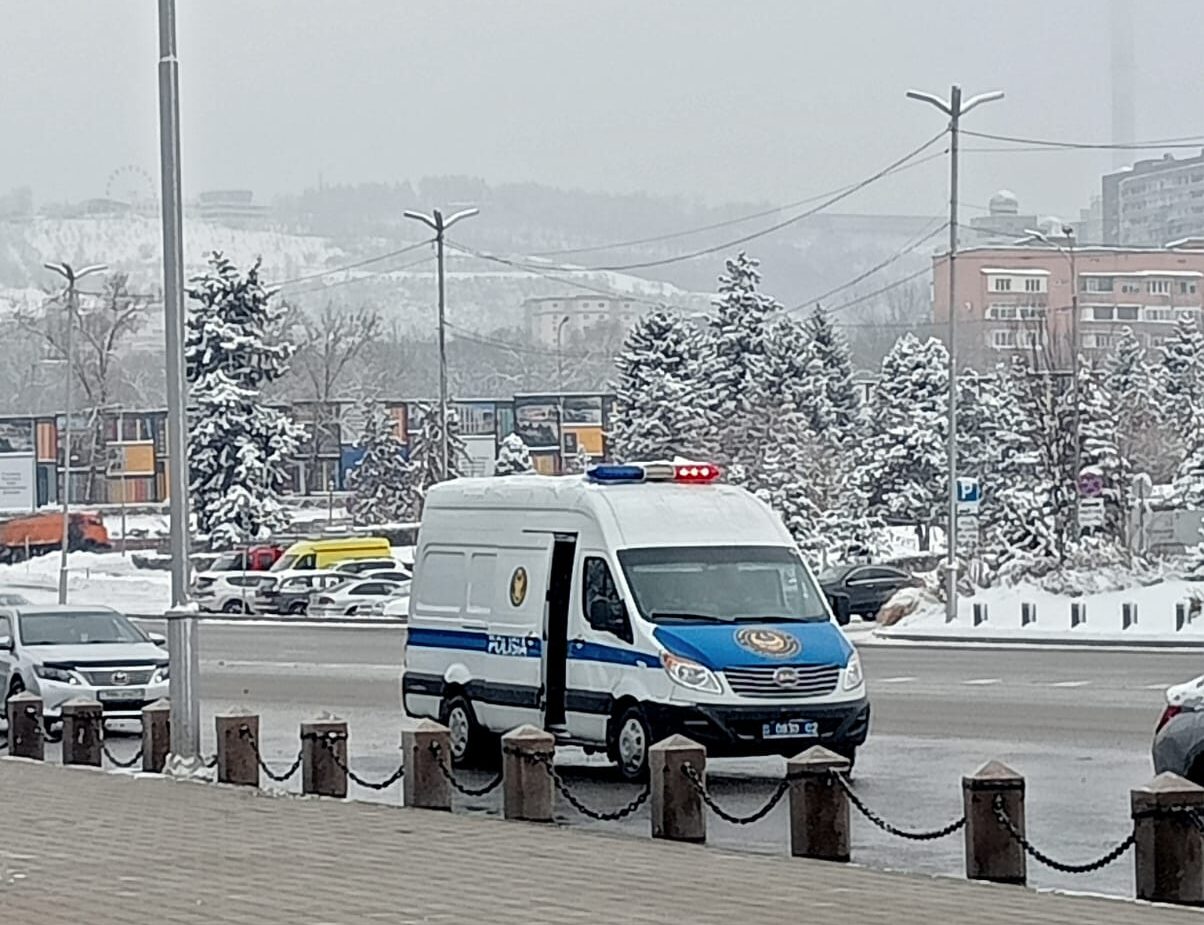
The government’s response was swift and brutal. Officially, 15 deaths were reported, but many believe the true toll was higher. Since the Zhanaozen tragedy, December 16 has become a day marked by heightened security, with increased police presence in city centers and student movements restricted.
@TCA, Askar Kubaizhanov

Shifting Perceptions and Political Realities

The government’s decision to scale back Independence Day celebrations reflects a deliberate attempt to reduce tensions and avoid potential unrest. For over a decade, students in cities like Almaty have been advised to stay indoors on December 16. At the same time, the authorities remain vigilant against potential provocations. This year, Kazakhstan’s Center for Analysis and Investigation of Cyberattacks reported an increase in fake calls for rallies, noting that many originated from foreign IP addresses.

Critics argue that political figures living abroad, such as Mukhtar Ablyazov, continue to exploit Independence Day for their agendas, seeking to replicate the unrest of 2011.

A Day of Reflection

While Independence Day remains a significant date in Kazakhstan’s history, its tone has shifted over the years. For many, it is no longer a festive occasion but a day of remembrance for the sacrifices of 1986 and the tragedy of 2011. Few citizens participate in public commemorations beyond laying flowers at monuments. Instead, most prefer to stay at home or leave for the countryside, avoiding the heavy police presence that defines the day in major cities.

Uzbekistan Welcomes 6.5 Million Tourists in 10 Months of 2024, With China Leading Growth Outside CIS

Uzbekistan’s tourism industry is thriving, with 6.5 million foreign visitors from January to October 2024, fueled by a 17.2% year-on-year increase, or 951,300 more visitors compared to the same period last year.

Among these tourists, 57,700 were from China, marking a 63.1% rise and making China the leading source of visitors outside the Commonwealth of Independent States (CIS).

China’s interest in landlocked Uzbekistan comes as no surprise. Rich in natural resources and brimming with untapped potential, Uzbekistan stands as a promising opportunity for growth and prosperity when strategic investments are managed effectively.

For instance, China continues to dominate Uzbekistan’s trade scene, accounting for 18.8% of the country’s total foreign trade turnover as of October 2024. Bilateral trade between the two nations reached $10.2bn, with Uzbekistan exporting $1.7bn worth of goods to China and importing $8.5bn in return.

While this was a slight dip from the $10.8bn in 2023, China has maintained its position as Uzbekistan’s largest trade partner since 2020, thanks in part to strategic agreements like the Bilateral Investment Treaty (BIT) and the Agreement on Avoidance of Double Taxation (DTA).

Additionally, China’s investment footprint in Uzbekistan is hard to miss. By the end of 2022, China had invested a total of $4.5bn, with over 2,000 Chinese enterprises operating in the country as of January 1, 2024. These businesses span a wide range of sectors, from oil and gas exploration to infrastructure development, automotive assembly, agriculture, and textiles.

Projects include the Pengsheng Industrial Park, which focuses on construction materials and modern agriculture with a $129mn investment, and the Anjiyan Textile Park, which specializes in textile production, backed by more than $64mn. The Luoyang-Bukhara Agricultural Cooperation Zone takes this partnership to the next level, blending agricultural cultivation with industrial activities for a dynamic collaboration.

Agriculture has blossomed as a key area of collaboration between Uzbekistan and China in recent years. Uzbek exports, such as cherries, apricots, and dried fruits are hitting the sweet spot in China, while Chinese investments in agri-tech are giving Uzbekistan’s productivity and export game a major boost.

When it comes to green energy, Uzbekistan’s renewable ambitions are getting a powerful push from Chinese know-how. A standout project, a 1 GW solar power plant under the Belt and Road Initiative, is a shining example of both nations’ dedication to a greener, more sustainable future.

In addition, on December 5, Uzbekistan’s Uzatom and China National Nuclear Corporation Overseas (CNOS) signed a cooperation agreement, setting the stage for small nuclear power plants and improved uranium processing in Uzbekistan. This follows earlier talks about tapping into China’s expertise to enhance the country’s nuclear energy capabilities.

The digital transformation of Uzbekistan is another exciting frontier of opportunity. With plans to expand its digital infrastructure, Chinese companies are stepping in with cutting-edge technologies like 5G networks and e-commerce platforms. These innovations are set to supercharge Uzbekistan’s digital economy, making it more efficient and connected than ever before. It’s a win-win that promises to drive growth and elevate the country’s technological landscape.

Two major Chinese firms — CITIC Construction and China CAMC Engineering — were also chosen to kick off irrigation reconstruction projects in 2025. These projects will be supported by the Export-Import Bank of China, pending the green light on feasibility studies.

There has also been good news for Uzbek passport holders, with a new visa-free agreement signed recently by Uzbekistan’s Foreign Minister Bakhtiyor Saidov and China’s Foreign Minister Wang Yi, allowing citizens of both countries to visit each other for up to 30 days. This follows Uzbekistan’s 2021 move to grant Chinese citizens a 10-day visa-free stay.

China, the world’s second-largest economy, has a major impact on global trade and investment trends. Its substantial investments in Central Asia, particularly Uzbekistan, are driven by several strategic factors. Rich in natural resources, Central Asia meets China’s energy needs, with Uzbekistan serving as a key source of oil and gas to fuel China’s drive for energy security. Uzbekistan is also a critical player in China’s Belt and Road Initiative (BRI), which aims to boost connectivity and trade routes between China and Europe, while promoting infrastructure development and regional economic integration.

These investments open up new markets for Chinese products, reducing reliance on traditional markets, and strengthen China’s position in the region, balancing Russia’s influence. Ultimately, Chinese investments are focused on enhancing infrastructure, fostering connectivity, and supporting local economies for long-term growth.